
Underwater Ship Hull Cleaning in Cape Town
Cape Town’s busy marine scene relies on more than just world-class ports and logistics. There’s a hidden hero keeping ships efficient, eco-friendly, and cost-effective—Underwater Ship hull cleaning in Cape Town. Picture your vessel like a marathon runner: when its hull is weighed down by marine growth, every journey takes more effort and expense. That’s why local companies and ship owners increasingly invest in underwater ship hull cleaning, a practice that saves fuel, supports compliance, and extends the life of assets. Let’s plunge into the reasons this innovative maintenance is now essential for Cape Town’s maritime economy.
What Is Underwater Ship Hull Cleaning?
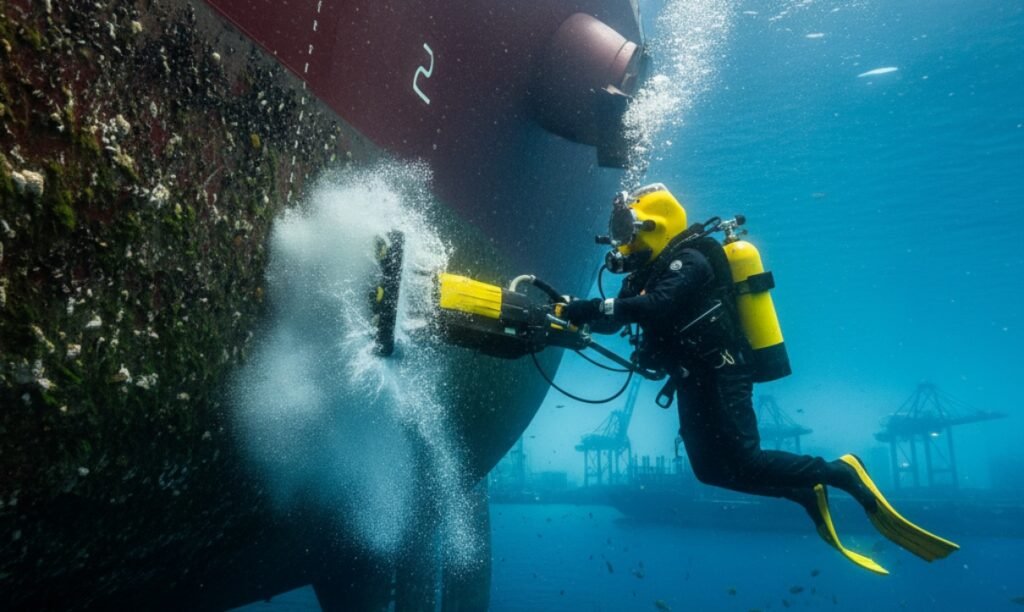
Underwater Ship hull cleaning in Cape Town involves certified divers or remote cleaning devices removing marine biofouling (algae, barnacles, plants, and microorganisms) from the submerged sections of a vessel’s hull. Unlike traditional dry-docking, this process happens while the ship is afloat—reducing operational downtime and eliminating the need to leave port. Companies use advanced technologies to ensure minimal impact on the hull coating and maximum safety for their divers and crew. The practice is not just cosmetic—by keeping a vessel’s “skin” clean, you’re boosting its performance from bow to stern.
The Serious Impact of Biofouling
If left unchecked, biofouling adds weight and friction, forcing engines to work harder and burn more fuel. Underwater Ship hull cleaning in Cape Town swiftly removes this stubborn build-up, preserving hull integrity and lowering fuel consumption. Think of biofouling like barnacles on a whale: a little growth slows the entire journey. With regular cleaning, Cape Town operators avoid daily “drag” and maintain reliable delivery schedules. Effective hull cleaning also prolongs anti-fouling coatings, reducing the frequency of costly dry-docks and major repairs.
Enhancing Speed and Fuel Efficiency
Speed and agility are crucial for ferry operators, cargo shippers, and offshore fleets. A clean hull slices through water, leaving competitors behind. Regular Underwater Ship hull cleaning in Cape Town minimizes resistance, ensuring engines don’t labor unnecessarily. Studies show a clean hull can lift speed, cut fuel usage, and reduce CO2 emissions—sometimes by double-digit percentages. For vessels racing global schedules or facing tough environmental rules, cleaning is not an option but a strategic necessity. Also read about Ensuring safer seas with 0 risks through cargo safety testing.
Direct Environmental Benefits
Sustainable marine management is gaining ground in Cape Town, and it’s changing how ship cleaning operates. Underwater Ship hull cleaning in Cape Town now uses eco-friendly technology, such as filtered cleaning systems that contain marine biofouling before it can pollute the harbor. By reducing greenhouse gas emissions and filtering waste, operators align with international conventions like the IMO and MARPOL Convention. Clean ships mean clean oceans, supporting local fisheries and Cape Town’s reputation as a green maritime hub.
Compliance with International Regulations
Local cleaning companies follow strict practices to meet global shipping standards. Underwater Ship hull cleaning in Cape Town ensures vessels comply with biofouling management rules set by the IMO, IMCA, and other authorities. Services include detailed surveys, certification, and waste management that satisfy inspections from Lloyd’s Register, ABS, DNV, and other classes. For operators moving cargo internationally, compliance isn’t just paperwork—it provides insurance against fines, delays, and costly detentions. Learn more about Employee Alcohol Testing.
Cutting Costs and Downtime
Fuel is just the start—biofouling increases operational costs everywhere, from engine strain to extra maintenance. Underwater Ship hull cleaning in Cape Town is designed for efficiency, with innovative tools that allow vessels to be cleaned at anchor, minimizing delays. Cleaning cuts insurance claims, reduces emergency repairs, and helps avoid unscheduled dry-docking. Especially in busy Cape Town waters, where shipping timelines are tight, these savings translate directly into gains for owners and clients.
Ensuring Safety for Divers and Crew
Advanced hull cleaning in Cape Town prioritizes safety. Divers are certified and follow strict protocols to manage risk—everything from visibility issues to equipment checks and emergency procedures. Cleaning crews work closely with ship engineers to secure a safe work zone and deactivate mechanical hazards during operations. Modern underwater cleaning devices are often remote-controlled, protecting both human life and vessel integrity. Everyone on board benefits from the rigorous safety standards embedded in local cleaning operations.
Marine Supercargo Expands Services: Drug & Alcohol Testing for Safer Seas
Marine Supercargo, a leader in global marine cleaning platforms, now offers professional Drug & Alcohol Testing services alongside underwater hull cleaning in Cape Town. This service is vital for ship owners, operators, and managers, as crew impairment can threaten safety, compliance, and vessel efficiency. By integrating drug and alcohol testing, Marine Supercargo helps clients meet international maritime regulations and ensures reliable vessel operations. The dual offering promotes both technical and human reliability—clean hulls boost performance, while professional testing safeguards lives and prevents costly safety incidents. In Cape Town’s competitive marine sector, these combined solutions empower fleets to sail with confidence, safety, and full legal compliance. Read more about the Importance of Drug Testing at Work.
✅ 4 Things to Check for Safety at Sea pic.twitter.com/dAxhJQ2i6U
— Marine Super Cargo (@Marinsupercargo) September 14, 2025
Innovations in Hull Cleaning Technology
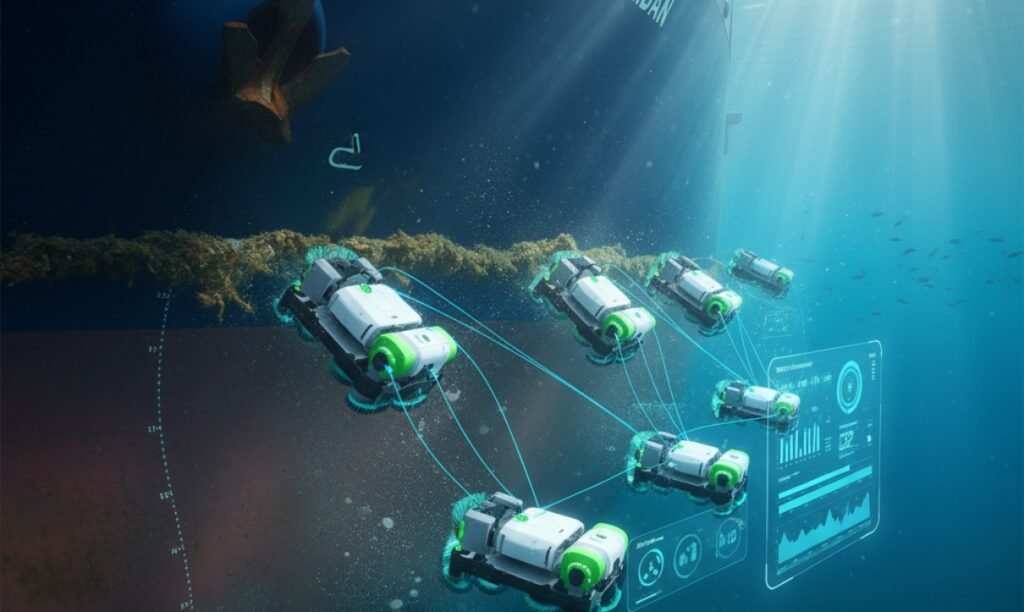
Underwater Ship hull cleaning in Cape Town benefits from some of the world’s most advanced marine technology. Machines like Envirocart™, robotic cleaning crawlers, and filtered water discharge systems allow for full debris capture and minimal hull abrasion. These technologies provide real-time cleaning reports, reduce wear-and-tear, and even extend anti-fouling protection. Cape Town’s service providers are always on the lookout for smart tools that cut emissions, lower costs, and deliver measurable results. Staying ahead of the curve means cleaner ships—and stronger profits.
Future Trends for Cleaner Seas
Cape Town’s maritime future looks bright. As local services adopt AI-driven cleaning schedules, automated inspections, and smart waste management, Underwater Ship hull cleaning in Cape Town is set to become faster, safer, and greener. Providers now integrate hull-cleaning analytics with regulatory compliance dashboards, making routine maintenance simpler for fleet managers. The next step? Linking biofouling control with employee wellness programs—think marine supercargo operations that track both hull performance and crew sobriety for total safety. Competitive fleets are ready to meet the future, setting new benchmarks for environmentally conscious shipping.
Conclusion
Underwater Ship hull cleaning in Cape Town is more than marine maintenance—it’s a smart investment in efficiency, compliance, and sustainability. First, it drastically cuts drag and fuel use, saving money and protecting the planet. Second, it aligns fleets with international rules, protecting companies from fines and delays. Third, integrated services such as advanced hull cleaning and crew testing champion safety and reliability. To unlock the best results for your fleet, explore cutting-edge solutions with CleanShip.co and make marine health your competitive edge.
FAQs:
Q1. Why is underwater ship hull cleaning important in Cape Town?
It boosts efficiency and fuel savings, reduces emissions, and keeps vessels compliant with environmental and shipping regulations.
Q2. How does modern hull cleaning protect the environment?
Eco-friendly systems capture and filter debris, minimizing pollution and supporting Cape Town’s sustainable marine practices.
Q3. What are the biggest operational benefits?
You save money by cutting fuel and maintenance costs, experience fewer delays, and improve reliability, which is critical for global shipping and logistics.
Q4. How do crew testing and hull cleaning work together?
Both protect vessel health—clean hulls maximize performance, while drug and alcohol testing ensure safe, alert crews for incident-free operations.
Q5. What innovations are shaping future hull cleaning?
AI scheduling, automated cleaning robots, and real-time compliance dashboards are making underwater ship hull cleaning in Cape Town smarter and more sustainable than ever.