
Understanding Flag Documentation Topics in Maritime Operations
Flag Documentation Topics are a cornerstone of maritime compliance, acting as the backbone of a ship’s identity at sea. Every registered vessel must carry the proper set of certificates and documents that confirm its flag state, ownership, safety compliance, and environmental accountability. Think of these documents as the passport and driver’s license of your ship—without them, operations come to a grinding halt.
They define a vessel’s nationality under international law and ensure that the ship operates according to the standards of organizations like the IMO and MARPOL Convention. When managed well, flag documentation promotes smooth global trade and strengthens maritime credibility.
Why Flag Documentation Topics Matter
Flag Documentation Topics determine whether your ship is legally fit to sail across international waters. For shipowners, operators, and managers, they form a compliance roadmap linking safety, legal protection, and environmental responsibility. Missing or outdated documents may lead to port detentions or hefty fines. A well-prepared documentation file ensures your ship passes inspections, insurance claims are processed swiftly, and charter opportunities remain open.
The importance lies not only in checking boxes but in upholding accountability across global supply chains. When these documents are complete and current, your operations stay secure and efficient, reflecting professionalism and maritime integrity.
Core Components of Flag Documentation
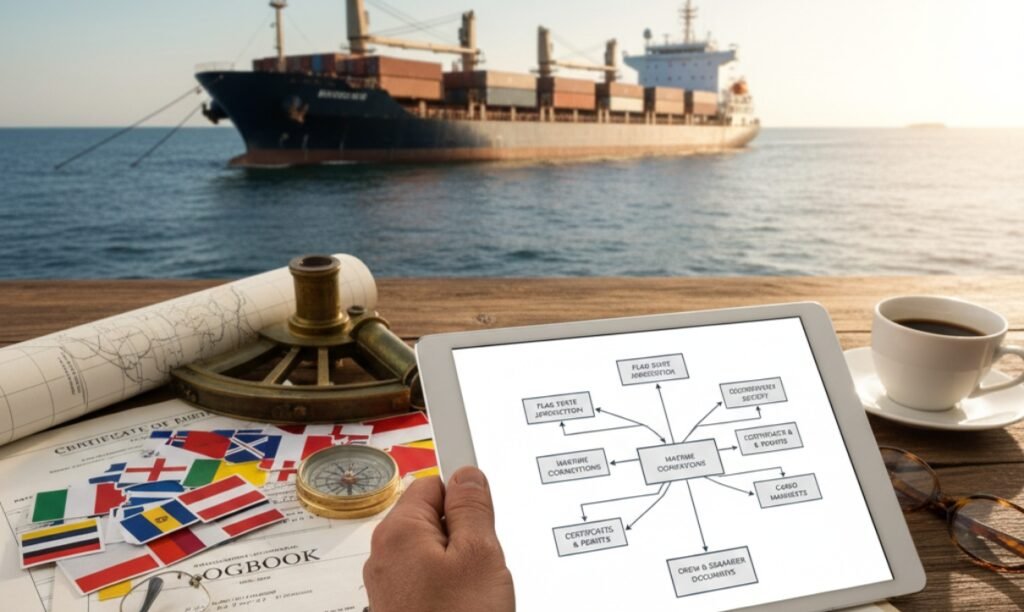
Understanding Flag Documentation Topics begins with knowing the core documents required for vessel registration. These include the Certificate of Registry, Continuous Synopsis Record (CSR), and International Tonnage Certificate. Other essential items include certificates for crew safety training, pollution prevention, and ship inspections. Together, they build a transparent record of compliance and maintenance.
Each document aligns with maritime conventions, such as SOLAS and MARPOL, proving a vessel’s adherence to safety norms. Proper recordkeeping also simplifies audits from international authorities like IMCA. With meticulous documentation, a ship owner not only meets legal standards but demonstrates a proactive approach to safe and sustainable operations.
Legal Framework and International Standards
Global regulations surrounding Flag Documentation Topics are defined by organizations such as the International Maritime Organization (IMO) and the MARPOL Convention. These bodies create frameworks that unify international maritime practice, ensuring every vessel follows consistent safety, operational, and environmental standards. Each flag state is responsible for implementing and enforcing these rules.
Non-compliance may result in fines, detention, or even vessel deregistration. The IMO’s codes ensure uniformity across oceans, while MARPOL targets pollution control and sustainability. Understanding these frameworks enables operators to stay ahead of inspections and ensures that every voyage aligns with international expectations for safety, fairness, and environmental care. Also read about Offshore Crew Testing: 7 Best Practices for Safer Seas.
Smooth Port Operations and Inspection Readiness
When port inspectors review a ship, Flag Documentation Topics are their first checkpoint. Up-to-date documents make inspections smooth and stress-free, while missing paperwork can delay departures and disrupt contracts. Port State Control inspections evaluate compliance with safety and pollution standards. Well-prepared documentation signals transparency and confidence.
In contrast, incomplete flag papers can result in operational downtime and financial losses. Preparing documentation in advance allows crews to focus on performance rather than paperwork. Regular internal audits help verify accuracy. For guidance on compliance and inspection readiness, maritime organizations like iaphworldports.org offer internationally recognized best practices.
Financial and Operational Advantages
Flag Documentation Topics have a measurable financial impact on fleet performance. Properly documented vessels experience fewer detentions, enjoy lower insurance premiums, and build trust with charterers. Document consistency avoids revenue losses caused by delays or legal disputes. For operators, accuracy brings predictability and peace of mind. Just as a compass guides navigation, documentation guides fiscal health.
Compliance not only protects against penalties but enhances brand reputation—an increasingly vital asset in competitive charter markets. Operationally, documentation supports better maintenance planning, streamlined audits, and smooth coordination with insurers, financiers, and port authorities across global trading hubs. Also, know about Crew Alcohol Testing: 7 Vital Insights for Safer Seas.
Environmental and Safety Commitment
Environmental safety is embedded within Flag Documentation Topics. Certificates under MARPOL regulate waste disposal, emissions, and ballast water management. These documents prove a ship’s compliance with international environmental laws that reduce pollution and preserve marine ecosystems. They also verify that vessels are equipped with functional life-saving appliances and firefighting systems.
Compliance demonstrates environmental accountability and social responsibility, two growing priorities for maritime companies worldwide. By maintaining current safety and pollution-control records, shipowners show commitment to sustainability. As global pressure builds for greener operations, precise documentation becomes a competitive advantage and a mark of modern maritime leadership. Read more about 7 Powerful Reasons Corporate Drug Testing Works.
Digital Innovations in Flag Documentation
Technology is shaping the future of Flag Documentation Topics. Digital records, e-certificates, and blockchain verification are transforming the maritime landscape. Electronic systems reduce errors, improve traceability, and enable faster verification by authorities. Blockchain platforms add transparency, ensuring documents can’t be altered or forged. This shift benefits ship operators by cutting down administrative costs while improving compliance visibility across jurisdictions.
Maritime authorities and insurance providers are already embracing digital systems, predicting full integration within the coming decade. As fleets grow smarter, digital flag documentation will become the new norm—simplifying global operations and enhancing transparency at sea. Read more about 5 Crucial Reasons Drug & Alcohol Testing Matters.
Marine Supercargo Expands Safe Maritime Services
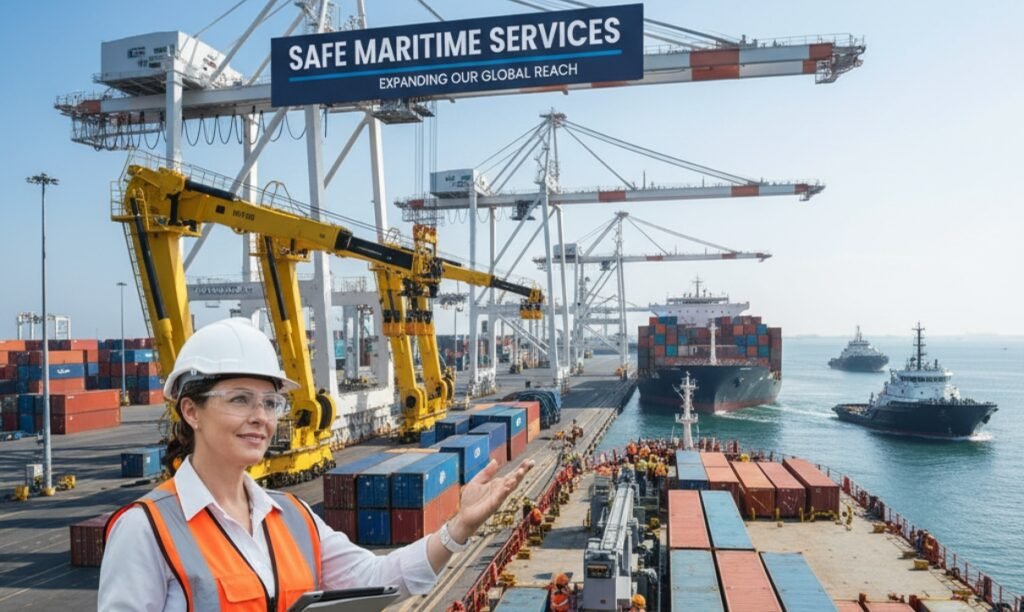
Marine Supercargo continues to strengthen its position as a global maritime solutions provider. Beyond underwater hull, tank, and hold cleaning, it now offers specialized drug & alcohol testing services to enhance operational integrity and compliance. These services help shipowners and managers ensure safer seas and support international regulatory compliance under IMO and IMCA standards.
Drug & Alcohol Testing prevents impairment-related incidents, safeguarding both crew welfare and cargo security. Marine Supercargo’s expanded scope underscores a holistic approach to vessel safety—from hull maintenance to crew reliability—reflecting a global commitment to efficient, compliant, and sustainable maritime operations across all oceans.
Future Trends in Flag Documentation Topics
The future of Flag Documentation Topics lies in automation, data-sharing, and AI-driven verification. Predictive compliance tools will forecast document expiry and regulatory changes, helping operators stay proactive. Advanced analytics will allow automatic risk scoring for vessels, assisting owners in real-time decision-making. Global authorities anticipate a unified system combining blockchain and cloud solutions, ensuring seamless recognition across ports.
Future inspections will be faster and less intrusive, thanks to digital transparency. Embracing innovation today prepares your fleet for the next wave of smart shipping—where safety, sustainability, and technology converge for complete maritime excellence. Also read about 7 Vital Reasons Alcohol Testing Saves Shipping Companies.
Conclusion
Flag Documentation Topics define how efficiently, safely, and legally a ship operates on the world’s oceans. By mastering documentation rules, shipowners protect their crews, assets, and global reputations. Proper documentation upholds compliance with IMO and MARPOL, reduces operational risks, and fosters environmental responsibility.
Looking ahead, the digitalization of maritime documentation will make compliance simpler, faster, and more transparent. Every paper or e-record serves as a safeguard of safety and ethics. For reliable maritime compliance, operational support, and sustainable fleet management, trust CleanShip.co to deliver world-class expertise for global shipping operations.
FAQs:
Q1. Why are Flag Documentation Topics important for ship safety?
They ensure compliance with international maritime laws, proving vessels meet safety, training, and operational standards crucial for safe ocean navigation.
Q2. How does documentation connect to maritime law?
Documentation serves as legal proof of ownership, flag state jurisdiction, and adherence to conventions like SOLAS and MARPOL that govern global shipping conduct.
Q3. What role does Drug & Alcohol Testing play in compliance?
Testing helps maintain crew discipline, prevents human error, and ensures compliance with maritime safety policies under IMO and IMCA guidelines.
Q4. How does proper documentation improve vessel management?
It streamlines audits, enhances insurance processing, reduces port delays, and ensures ships remain compliant, boosting both safety and operational efficiency.
Q5. What are future innovations in flag documentation?
Digital records, blockchain registries, and AI-driven validation are emerging trends, making maritime compliance faster, more secure, and globally consistent.