Underwater Hull Cleaning in Boston: Essential Insights for Ship Owners
Underwater hull cleaning in Boston is much more than routine maintenance. Think of your ship’s hull as a car’s engine—when it gets clogged with grime, its performance plummets, fuel efficiency drops, and the vehicle risks damage. Similarly, marine growth and fouling increase drag and reduce your vessel’s speed. Keeping a clean hull maintains optimal performance, saves you money on fuel, and complies with stringent maritime safety laws. In this article, we’ll dive deep into why underwater hull cleaning in Boston is a must for Boston’s maritime community, touching on compliance, safety, cost savings, and future trends.
What Is Underwater Hull Cleaning in Boston?
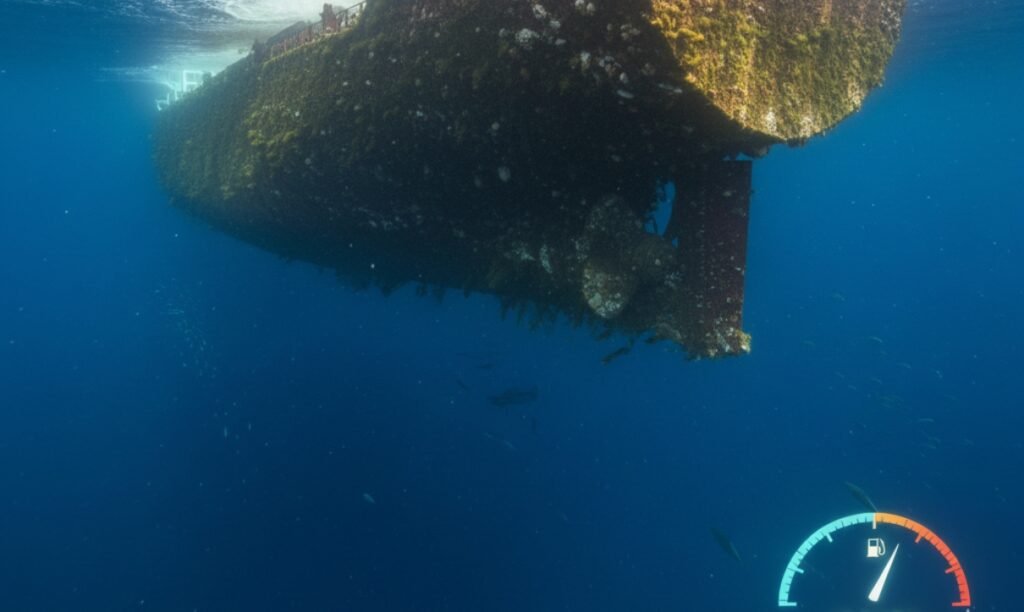
Underwater hull cleaning in Boston involves divers or robotic systems removing marine organisms like barnacles, algae, and seaweed from a ship’s submerged surfaces. This process prevents biofouling—a buildup that affects the vessel’s hydrodynamics and leads to increased fuel consumption. While it might seem like a simple scrape, it is highly specialized work requiring skilled divers or advanced robotics to avoid hull damage and ensure safe operations. The cleaning keeps your vessel agile, fuel-efficient, and compliant with environmental policies.
Why Boston Ship Owners Need Regular Underwater Hull Cleaning in Boston
Boston’s waterways are rich in marine life that quickly attaches to ship hulls, accelerating fouling. Without regular cleaning, vessel speed can be reduced dramatically, leading to increased fuel consumption and costs. Regular cleaning not only improves speed but also helps meet environmental regulations enforced under the MARPOL Convention and local Massachusetts waterway laws. This proactive approach benefits your bottom line and helps protect Boston’s marine ecosystem.

Compliance Requirements and Environmental Laws
Underwater hull cleaning in Boston falls under strict regulatory frameworks such as IMO guidelines and local regulations like Massachusetts Clean Marina practices. For instance, the state prohibits underwater hull scraping without containment to avoid pollution. Compliance means not only following cleaning schedules but also ensuring environmentally responsible procedures. Organizations like the International Maritime Contractors Association (IMCA) offer best practice standards, while ports follow the International Association of Ports and Harbors (IAPH) policies on biofouling control.
Cost-Saving Advantages of Underwater Hull Cleaning in Boston
Keeping your hull clean translates to significant operational savings. Dirty hulls can increase fuel consumption by up to 40%, leading to exponentially higher costs over time. Regular underwater cleaning reduces drag and operational expenses while extending the lifespan of antifouling paints, which are costly and environmentally sensitive. Scheduled cleanings prevent expensive dry docks and repairs, making underwater cleaning an investment in efficiency.
Safety Aspects of Underwater Hull Cleaning in Boston
Safety in underwater hull cleaning in Boston is critical. Poorly maintained hulls can affect a ship’s stability and speed, raising accident risks in busy ports like Boston. Skilled divers or robotic systems performing the cleaning ensure minimal risk of hull damage that might compromise structural integrity. Additionally, crew safety is enhanced by strict adherence to protocols, including recent industry additions such as drug and alcohol testing, which ensure operators are fit for duty, especially during complex maintenance tasks. Also read about 5 Smart Reasons for Hull Cleaning in Ethiopia Today.
“Marine cleaning, anytime. Anywhere. 🌊 #GlobalMarine”#shipping #maritime #ship #cruises #sealife #port #shipping #marine #captain #vessel #ships #cargo pic.twitter.com/GgKTqEMETK
— Marine Super Cargo (@Marinsupercargo) October 4, 2025
Technologies and Innovations in Underwater Hull Cleaning in Boston
Boston’s maritime industry is embracing robotic underwater hull cleaning in Boston as a breakthrough innovation. These robots use AI and advanced navigation to scrub hulls without dry docking or human risk exposure. They operate efficiently with minimal environmental impact, adhering to IMO and local standards. This technological edge also allows cleaning without interrupting vessel schedules, reducing downtime and operational costs.
Understanding Biofouling and Its Effects
Biofouling is the accumulation of marine organisms on hulls, causing increased resistance in water. It’s like walking through a crowd versus an empty hallway — the crowded path slows you down, just as fouling slows ships. Biofouling increases drag, consumes more fuel, reduces speed, and can damage the hull if left unchecked. Understanding this natural process highlights the importance of professional hull cleaning to maintain optimal ship performance. Learn more about Hull Cleaning in Libreville: 7 Proven Ways to Cut Costs.
Environmental Impact and Sustainable Practices
Environmental stewardship is integral to underwater hull cleaning in Boston. Strict regulations prevent pollution, mandating biodegradable cleaning solutions and containment of waste. Eco-friendly antifouling paints, combined with routine cleaning, support marine biodiversity while reducing invasive species transfer between ports. Aligning with the MARPOL convention and Massachusetts’ environmental laws ensures your vessel operates sustainably.
The Role of Flag Documentation in Compliance
Flag documentation tracks a vessel’s adherence to international and local maritime laws, including hull cleaning schedules and eco-compliance. Proper documentation ensures your ship meets inspections by authorities, reducing delays or penalties. It also facilitates transparency for insurers and cargo owners. Understanding documentation significance protects your investment and supports legal operations.
Connection Between Documentation and Maritime Law
Maritime law governs vessel safety, environmental responsibility, and crew welfare, enforcing standards like those for hull cleanliness. Documentation provides proof that your ship follows these standards, critical when docking at international ports or undergoing audits. Any lapses in documentation can lead to fines or detentions, highlighting the necessity for meticulous recordkeeping related to underwater hull cleaning in Boston. Read more about Underwater Ship Hull Cleaning in Port Gentil: 7 Proven Benefits.
The Importance of Drug & Alcohol Testing
Drug and alcohol testing has become a key aspect of maritime safety. For operations like underwater hull cleaning in Boston that involve divers and heavy equipment, ensuring alert and fit personnel protects the crew and vessel. Mandated by regulations following serious marine incidents, these tests support compliance and enhance safety culture onboard, especially in busy ports like Boston. Also read about Crew Alcohol and Drug Testing: 7 Safety Essentials.
Benefits of Proper Documentation for Crew and Vessel
Proper documentation aids in efficient vessel management, aiding navigation through complex regulatory landscapes. It supports crew accountability, operational transparency, and facilitates emergency response if needed. Documentation also documents environmental compliance efforts, reflecting a commitment to sustainable practices that are valued by ports, insurers, and clients alike.
Future Trends in Flag Documentation and Vessel Inspection
The maritime documentation landscape is evolving, with digitalization and blockchain technologies streamlining compliance verification. Automated monitoring systems paired with AI-driven reporting promise real-time vessel condition tracking, including hull cleanliness and crew safety. These innovations will reduce paperwork, increase transparency, and support more efficient port state control inspections.
Marine Supercargo’s Expanded Services
Marine Supercargo offers global underwater hull, tank, and hold cleaning, along with expert cargo supervision and compliance support. Recently, they have incorporated professional Drug & Alcohol Testing services to enhance crew safety and meet regulatory requirements. This integrated approach strengthens operational safety, compliance, and environmental stewardship across shipping operations.
Choosing the Right Underwater Hull Cleaning in Boston Service in Boston
Selecting a reliable, compliant hull cleaning service requires checking credentials like IMCA membership and adherence to MARPOL standards. Boston-based providers like ABC Diving and Marine Supercargo deliver expert underwater cleaning, balancing cost, environmental care, and safety. Prioritize services using modern robotic technologies for superior results and reduced operational disruption.
How Often Should You Clean Your Hull?
Cleaning frequency depends on vessel type, operating waters, and hull coating. In Boston’s fouling-prone environment, many operators opt for quarterly or biannual cleanings to maintain performance and compliance with environmental laws. Regular inspections help fine-tune schedules to avoid excessive biofouling and costly repairs. Read more about Underwater Hull Cleaning in Ghana: 7 Proven Cost Benefits.
What to Expect During Underwater Hull Cleaning in Boston
During cleaning, divers or robots remove marine growth carefully to avoid damaging antifouling paint or structure. Inspections accompany cleaning to document the hull’s condition for maintenance planning and regulatory compliance. The process is typically quick, non-disruptive, and results in immediate improvements in vessel performance and fuel economy.
Conclusion
Underwater hull cleaning in Boston is a vital practice that safeguards vessel efficiency, safety, and regulatory compliance. By understanding the technical, environmental, and legal aspects, ship owners can proactively reduce costs, enhance safety, and protect marine ecosystems. Employing expert services like CleanShip.co ensures you stay compliant and achieve operational excellence in Boston’s challenging waters.
FAQs:
Q1. Why is flag documentation important for ship safety?
Flag documentation verifies your vessel’s compliance with international and local safety laws, ensuring smooth inspections and reducing risks of delays or penalties.
Q2. How does documentation connect with maritime law?
Documentation serves as proof of adherence to maritime regulations, essential for legal port entry and operational transparency in global shipping.
Q3. What role does Drug & Alcohol Testing play?
Testing ensures crew members engaged in critical tasks like hull cleaning are fit for duty, enhancing overall safety and compliance.
Q4. What are the benefits of proper documentation?
Proper records improve vessel management, boost crew accountability, and demonstrate environmental and operational compliance to authorities.
Q5. What are the future trends in underwater hull cleaning in Boston and documentation?
Digitalization, AI monitoring, and blockchain will streamline compliance, improve reporting accuracy, and enable real-time condition tracking.