How to Manage Flag Documentation Renewals Without Hassle
Flag Documentation Renewals may sound routine, but they are the heartbeat of ship compliance. Each renewal keeps a vessel legally recognized and operational under international laws. Think of it like renewing your passport—without it, travel stops. The same principle applies to shipping. Every certificate that expires risks detentions, fines, or loss of credibility.
Efficient management ensures smooth voyages, predictable costs, and strong partnerships with regulators and insurers. This guide explores practical ways to streamline renewals, avoid paperwork chaos, and keep your vessel on course. Together, we’ll navigate the world of renewals to safeguard safety, efficiency, and global recognition.
Understanding Flag Documentation Renewals
Flag Documentation Renewals involve updating certificates and records that confirm a vessel’s compliance with its flag state and international conventions. These renewals reflect that the ship remains seaworthy, environmentally compliant, and aligned with maritime laws. Each certificate—such as safety construction, pollution prevention, or crew competence—has a validity period requiring timely renewal.
Delays or inaccuracies can hinder port clearances and cause financial strain. Ensuring timely renewals proves operational readiness and integrity. Ultimately, renewals are not a clerical task but a strategic necessity that maintains the ship’s reputation and the owner’s trust in a highly regulated maritime domain.
Why Timely Renewals Matter
Delaying Flag Documentation Renewals is like steering with a broken compass—it may seem manageable at first, but disaster looms ahead. Timely renewals demonstrate a shipowner’s diligence and keep operations running without disruption. Regulatory authorities take expiration seriously, and negligence can lead to detentions or revoked certifications.
More importantly, lapse periods challenge insurance claims and stakeholder trust. Staying ahead means scheduling reminders, using automated tracking tools, and training staff to prioritize document management. It’s about transforming compliance into confidence, where every certificate reflects your ship’s readiness to sail responsibly under global maritime standards.
Legal and Regulatory Framework
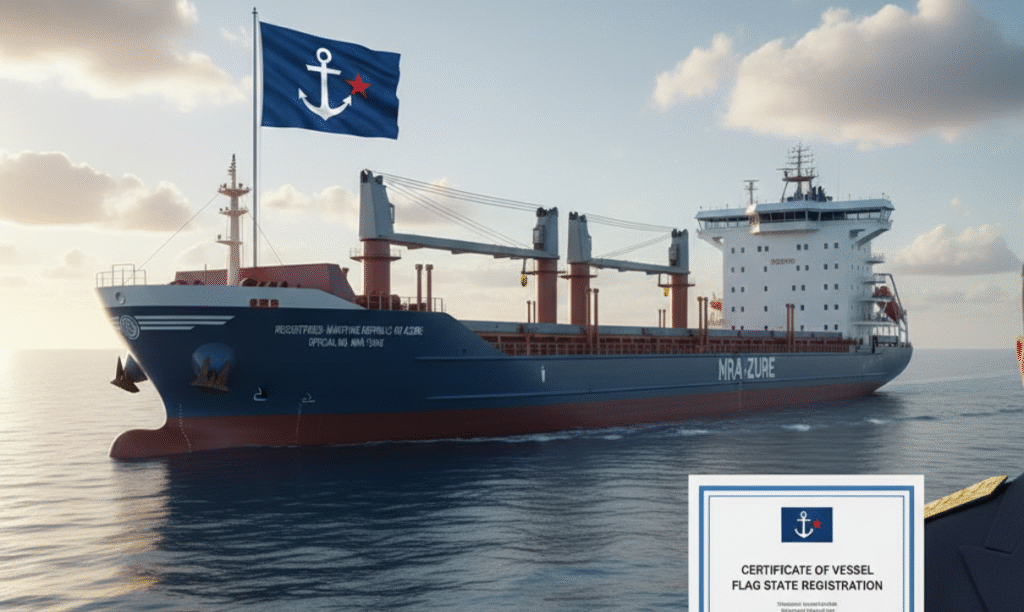
Every aspect of Flag Documentation Renewals ties back to international maritime law. Regulations from the International Maritime Organization (IMO), MARPOL Convention, and flag states create a unified compliance ecosystem. These rules govern ship safety, crew welfare, and environmental protection. A ship sailing under lapsed documentation risks severe legal and financial consequences.
Port State Control can detain non-compliant vessels, resulting in costly downtime. To maintain seamless operations, vessel owners must follow renewal schedules and uphold record transparency. By integrating compliance calendars and consulting authorities like IMO and IMCA, renewals transition from obligation to smooth operational discipline.
Common Challenges Shipowners Face
Managing Flag Documentation Renewals can feel overwhelming due to shifting regulations, administrative errors, and multiple validity timelines. Each certificate has unique conditions based on ship type and route. Many shipowners struggle with fragmented tracking or mismatched dates between local and international standards. Uncoordinated renewals can cause unexpected detentions at busy ports.
Overcoming this requires structured documentation systems, digital platforms, and dedicated compliance teams. Simplifying the process minimizes financial risks and operational disruptions. Handling renewals strategically strengthens compliance and helps maritime managers maintain confidence in every voyage, even under rapidly evolving global shipping regulations.
“Marine cleaning, anytime. Anywhere. 🌊 #GlobalMarine”#shipping #maritime #ship #cruises #sealife #port #shipping #marine #captain #vessel #ships #cargo pic.twitter.com/GgKTqEMETK
— Marine Super Cargo (@Marinsupercargo) October 4, 2025
Practical Steps for Smooth Renewals
Successful Flag Documentation Renewals depend on preparation and precision. Begin by maintaining an updated record of all certificates and their expiry dates. Use digital dashboards with automated reminders to flag upcoming deadlines. Assign specific roles for monitoring and verification. Schedule internal audits and synchronize renewal activities with vessel maintenance timelines to avoid overlap.
Ensure consistent communication with classification societies and flag authorities. Treat renewals as routine safety drills—structured, practiced, and non-negotiable. A proactive system reduces last-minute stress and keeps operations compliant with global expectations outlined by international maritime conventions. Read more about 7 Powerful Flag Documentation Topics You Must Understand
Financial Planning and Cost Savings
Managing Flag Documentation Renewals efficiently is as much about savings as it is about compliance. When renewals are well-planned, costs related to penalties, inspections, and detentions drop significantly. Creating a renewal budget helps shipowners allocate funds for periodic certifications, crew training, and inspection readiness.
Digital platforms now allow automated invoicing and tracking to prevent surprise costs. Financial responsibility builds stability and trust with investors and charterers. Think of efficient renewals as maritime insurance—they might seem minor line items, but they shield against major operational disruptions and extend the financial lifespan of your fleet.
Environmental and Safety Compliance
Environmental regulations play a key role in Flag Documentation Renewals. MARPOL and IMO conventions require continuous documentation of emission controls, waste management, and crew preparedness for emergencies. Renewing certificates related to pollution prevention and environmental audit ensures vessels minimize their ecological footprint.
Safety renewals guarantee that firefighting equipment, life-saving gear, and technical systems remain up to standards. When ship operators commit to thorough record updates, they protect both oceans and livelihoods. Continuous compliance is no longer optional—it’s a moral and professional responsibility for every maritime stakeholder invested in safe seas.
Digital Innovations and Automation
Technology is revolutionizing how we handle Flag Documentation Renewals. Digital systems now automate tracking, verification, and submission, eliminating paper trails. Some maritime authorities use blockchain-backed certificates, making them tamper-proof and accessible from any port. Artificial intelligence predicts renewal cycles and sends alerts before expiry.
These advances minimize errors, reduce delays, and enhance compliance accuracy. Integration with global maritime databases creates real-time transparency for authorities and insurers. The shift toward automation is transforming compliance from tedious paperwork to intelligent management—a major leap for time efficiency and operational excellence.
Marine Supercargo Strengthens Maritime Compliance
Marine Supercargo has evolved as a trusted partner in global maritime solutions. Known for its professional underwater hull, tank, and hold cleaning, Marine Supercargo now offers enhanced Drug & Alcohol Testing services. These help shipowners and managers ensure crew alertness, safety, and compliance with IMO and IMCA standards.
Drug & Alcohol Testing reduces incidents caused by human error, strengthens discipline, and enhances global trust in maritime operations. Marine Supercargo’s integrated solutions reflect a proactive vision—multifaceted services uniting vessel maintenance, operational readiness, and safety compliance across international waters.
Future Trends in Flag Documentation Renewals
Future Flag Documentation Renewals will be faster, digital-first, and globally synchronized. AI-driven systems will notify authorities automatically when renewals are due, eliminating manual submissions. Integrated global registries will standardize renewal timelines among flag states. Blockchain authentication will improve document integrity, while sustainability metrics will be embedded in the renewal process to align with green shipping goals.
This evolution means fewer delays, safer operations, and greater transparency. Future-ready fleets will adopt these tools early, transforming renewals from reactive tasks into predictive governance for modern, connected maritime ecosystems worldwide.
Conclusion
Flag Documentation Renewals are the backbone of maritime compliance and reliability. They ensure vessels remain legally fit, environmentally sound, and safe at sea. Proper management streamlines operations, cuts costs, and prevents legal risks. Adopting digital tools and proactive scheduling builds efficiency and trust globally.
Ultimately, renewals sustain your vessel’s credibility as a responsible maritime operator. To maintain smooth compliance with evolving global standards, rely on CleanShip.co for advanced documentation support, inspection readiness, and sustainable operational excellence across fleets navigating international waters.
FAQs:
Q1. Why are Flag Documentation Renewals vital for maritime safety?
Renewals confirm a vessel’s compliance with safety, environmental, and crew standards, ensuring continued operation under certified, legal, and safe conditions.
Q2. How do renewals connect to maritime law?
Renewals enforce international conventions like IMO and MARPOL, verifying that ships remain compliant with current legal and environmental obligations.
Q3. What role does Drug & Alcohol Testing play in maritime operations?
Testing ensures crew reliability, reduces risk of negligence, and supports compliance with international maritime safety and performance standards.
Q4. How does proper documentation improve operational efficiency?
Timely renewals prevent detentions, speed up inspections, and reduce downtime, promoting cost-efficient operations and improved vessel reliability.
Q5. What are future trends in maritime documentation management?
AI, blockchain, and cloud automation will make renewals faster, secure, and globally standardized—enhancing transparency and reducing administrative delays.