
Risks of Skipping Hold Cleaning in Togo Ports
Imagine sailing into Lomé, Togo’s bustling port gateway to West Africa, with cargo holds caked in residue from your last bulk grain shipment. You skip the cleaning to save a day, thinking it’s just dirt. But that decision unravels into delays, fines, and damaged goods—like a single loose rivet sinking a ship. Hold cleaning isn’t optional; it’s your shield against the risks of skipping hold cleaning in Togo Ports.
Togo’s ports, handling everything from bauxite to soybeans, demand spotless holds to prevent contamination and meet global standards. In this guide, we’ll break down why neglecting this step hits hard, drawing from real maritime operations.
Why Hold Cleaning Matters in Bulk CB Arriers
Hold cleaning ensures the previous cargo doesn’t taint the next load. Think of it as washing your plate before serving a new meal—skip it, and flavors mix disastrously. In Togo ports, where bulk carriers dominate, unclean holds lead to rejection of entire shipments.
You face three core issues: residue transfer, rust buildup, and inspection failures. A single overlooked patch can cost thousands. Bulk carriers, with their vast holds, amplify these problems if you rush turnaround.
- Residue from grains sticks like glue, ruining chemicals or minerals.
- Rust accelerates in humid West African conditions, weakening structures.
- Inspectors spot issues fast, halting operations.
Togo Ports: High-Stakes Environment
Togo’s Lomé port processes over 10 million tons yearly, rivaling neighbors but with stricter scrutiny. Skipping hold cleaning here invites chaos amid tight schedules. Port authorities enforce visual checks, and one dirty hold means demurrage fees stacking up at $10,000 daily.
Weather adds pressure—tropical rains wash residues into holds, worsening contamination risks. You can’t afford delays when competitors like Ghana’s Takoradi shine with efficient cleaning protocols.
Financial Risks of Skipping Hold Cleaning
The risks of skipping hold cleaning in Togo Ports start with your wallet. Contaminated cargo claims average $50,000–$200,000 per incident, per industry data. Add demurrage: a three-day delay at $30,000/day wipes out profits.
Repairs for rust-damaged holds run $5,000–$15,000. Over time, repeated skips erode vessel value, hitting insurance premiums. It’s like ignoring oil changes in your car—small neglect leads to engine failure at sea.
Safety Hazards Exposed
Crew safety plummets without cleaning. Slippery residues cause slips, trips, and falls—Europe’s Maritime Safety Agency notes 50% of bulk carrier incidents occur in holds. High-pressure hoses become weapons if holds aren’t prepped.
Toxic residues from ores or fuels linger, risking inhalation or skin burns. You send teams into a hidden minefield, where one stumble means injury or worse. Proper cleaning uses PPE and ventilation, but skips amplify every danger.
Environmental Fallout in Togo Waters
Unclean holds leak pollutants during loading, violating MARPOL Annex V. Togo, near sensitive Gulf of Guinea ecosystems, fines violators heavily—think oil residues contaminating fish stocks. Wash water runoff carries nutrients, sparking algal blooms.
You contribute to 20% of marine pollution from shipping operations. IAPH World Ports pushes zero-discharge zones; Togo aligns, making skips a regulatory red flag. Clean holds protect marine life and your green credentials.
IMO Standards You Can’t Ignore
The IMO’s ISM Code mandates clean holds for safe operations. Skipping invites Port State Control detentions—vessels fail inspections three times more often with dirty holds. In Togo, IMO-aligned rules mean certificates get yanked fast.
MARPOL Convention Enforcement
MARPOL Annexes I-V cover residues as hazardous waste. Togo ports require garbage management plans; skips mean discharge violations with fines up to $100,000. You log everything—cleaning certifies compliance.
IMCA and IAPH Guidelines
IMCA stresses crew training for hold prep; IAPH pushes port-wide standards. Togo follows suit, with joint inspections. Non-compliance lists your vessel, blacklisting future calls.
Operational Disruptions Unpacked
Delays cascade: unclean holds trigger re-cleaning, pushing berth times from hours to days. Charterers reject loads, forcing detours. In Togo’s competitive trade lanes, you lose contracts to cleaner rivals.
Workflows halt—surveyors demand “grain clean” or “stone clean” standards before signing off. Skips mean rework, burning fuel idly.
Why Ghana Leads West Africa in Marine Cleaning
Ghana’s Takoradi and Tema ports set the benchmark, processing 25 million tons annually with near-zero contamination claims. They invest in robotic cleaners and trained teams, cutting turnaround by 24 hours. You see fewer detentions; Ghana’s PSC scores beat Togo’s by 30%.
Their edge? Strict protocols mirroring global best practices. While Togo ramps up, Ghana’s model shows proactive cleaning pays—lower costs, happier clients. Emulate it to stay competitive.
Cargo Contamination Deep Dive
Grains to Minerals: Transfer Risks
Grain dust ruins fertilizer; coal residue blacks out rice. Togo’s diverse cargoes—bauxite, clinker—demand total removal. Even 1% residue triggers claims.
Real-World Maritime Examples
A 2023 bulk carrier in Lomé lost $150,000 when soybean oil-tainted cocoa beans. Another faced a week-long quarantine over rust flakes in sugar. These aren’t hypotheticals—they’re your potential headlines.
Inspection and Documentation Workflows
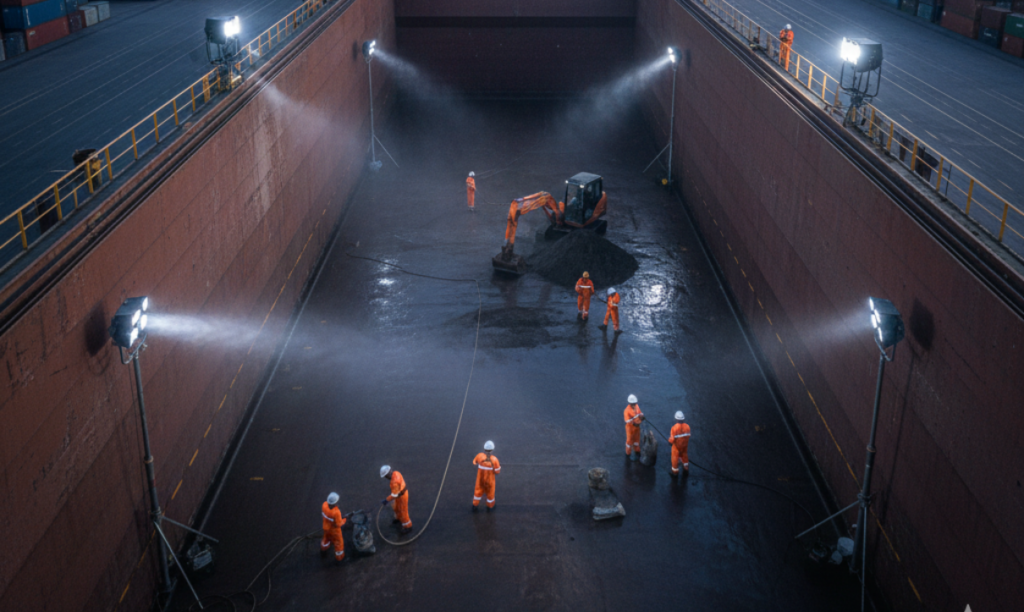
Surveyors use torches and gauges for hold checks. You need logs: cleaning date, method, and photos. Digital apps streamline this, but skipping means starting over.
In Togo, pre-arrival declarations flag risks. Compliant vessels sail smoothly; others wait.
Crew Health and Training Imperatives
Residues harbor silica or chemicals, causing silicosis or dermatitis. Training per IMCA covers PPE and gas-free certs. Skips expose you to lawsuits—OSHA-like rules apply globally.
Innovations Shaping Future Cleaning
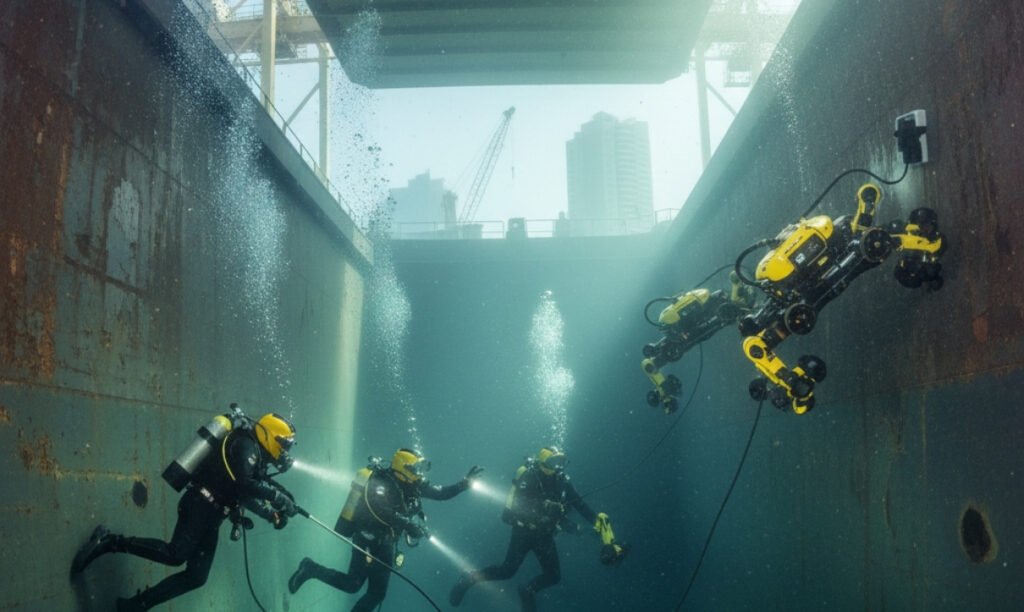
Robotic blasters and UV disinfectants cut manual risks by 70%. Drones inspect holds remotely. Blockchain tracks compliance docs. Togo ports eye these for 2030 efficiency boosts.
Marine cleaning evolves—AI predicts residue hotspots. Stay ahead or lag.
Industry Practices: Marine Supercargo Example
Companies like Marine Supercargo handle global tank and hold cleaning with expert supervision. Their operations span bulk carriers, ensuring IMO/MARPOL compliance. Recently, they added drug & alcohol testing to bolster crew safety, aligning with regulatory demands without fanfare.
Cost-Efficiency Through Prevention
Cleaning costs $5,000–$10,000 per hold but saves exponentially. Proactive fleets report 40% fewer claims. Weigh it: one skip erases a year’s savings.
Comparison: Clean vs. Dirty Holds
Conclusion
Skipping hold cleaning in Togo ports risks financial hits ($50K+ claims), safety crises (slips and toxins), and regulatory traps (IMO/MARPOL fines). Key takeaways: Prioritize cleaning to slash contamination by 90%, emulate Ghana’s efficiency model, and adopt innovations for future-proof ops. Protect your vessel, crew, and bottom line—partner with pros like Marine Supercargo for compliance and maritime service excellence. Contact them today for seamless global hold cleaning and supervision.
FAQs:
Q1. What Are the Main Risks of Skipping Hold Cleaning in Togo Ports?
Skipping hold cleaning invites cargo contamination, inspection delays, and fines. In Lomé, residues from bulk cargoes like bauxite taint new loads, costing $50K+. Safety slips rise, and MARPOL violations draw penalties. Always aim for “grain clean” standards to avoid these pitfalls.
Q2. How Does MARPOL Impact Hold Cleaning in Bulk Carriers?
MARPOL Annex V bans residue discharges, requiring logged cleaning. Togo enforces this strictly—unclean holds mean garbage plan scrutiny and potential $100K fines. Use high-pressure washes and certify gas-free for compliance. Bulk carriers face extra checks during port state control.
Q3. Why Is Ghana Ahead in West African Marine Cleaning?
Ghana’s ports, like Tema, use advanced tech and protocols, achieving 30% better PSC scores. They cut turnarounds with robotic cleaning, minimizing Togo-style delays. Their model proves investment in standards boosts trade volume and reliability for tank and hold ops.
Q4. What Documentation Is Needed for Hold Cleaning Inspections?
Surveyors require cleaning logs, photos, and residue test certificates. Digital workflows per IMCA speed approvals. In Togo, pre-arrival submissions prevent holds. Include methods (water blast, vacuum) and surveyor sign-off for smooth bulk carrier clearances.
Q5. How Do Innovations Improve Tank and Hold Cleaning Services?
Drones and robots reduce crew exposure, cutting risks by 70%. UV systems kill microbes without chemicals, aiding MARPOL. Services like Marine Supercargo integrate these with drug testing for holistic compliance in tankers and bulkers. Future trends promise faster, greener ops.