
Risks of Skipping Hold Cleaning in Togo Ports
Imagine cruising into Lomé, Togo’s bustling harbor entrance to West Africa, with cargo holds caked in buildup from your last bulk grain shipment. You skip the cleaning to save a day, considering it’s reasonably soiled. But that choice loosens up into delays, fines, and hurt goods—like a single free jolt sinking an expedite. Hold cleaning isn’t optional; it’s your shield against the dangers of skipping hold cleaning in Togo Ports.
Togo’s ports, managing with everything from bauxite to soybeans, ask for spotless holds to expect contamination and meet the rules around the world. In this coordinate, we’ll break down why rejecting this step is troublesome, drawing from veritable ocean operations.
Why Hold Cleaning Matters in Bulk CB Arriers
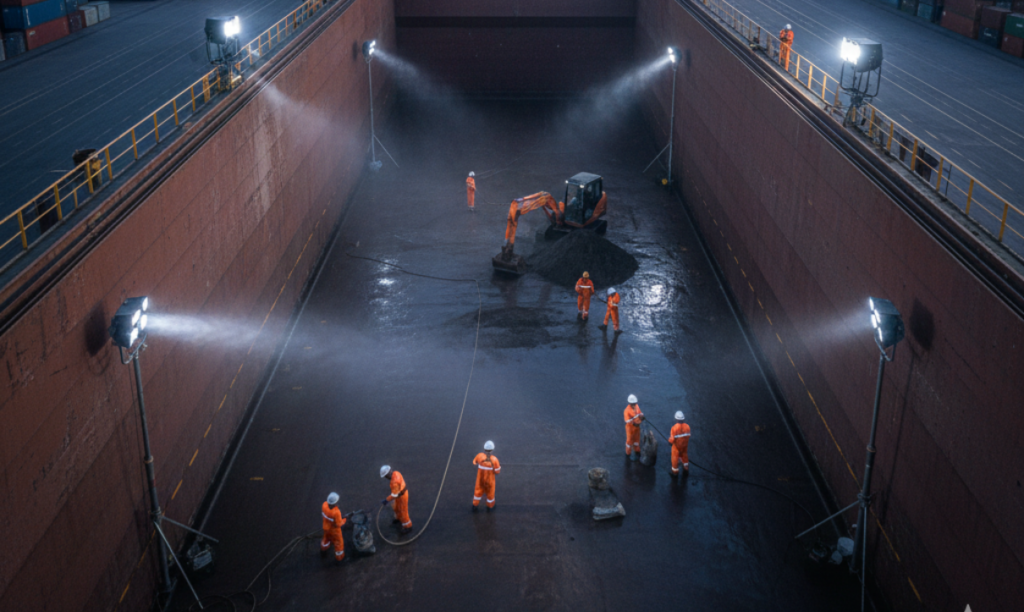
Hold cleaning ensures the past cargo doesn’t degenerate the another stack. Think of it as washing your plate a few time as of late serving a cutting edge meal—skip it, and flavors mix tragically. In Togo ports, where bulk carriers run the show, unclean holds lead to expulsion of entirety shipments.
You go up against three center issues: buildup trade, rust buildup, and audit disillusionments. A single ignored settle can taken a toll thousands. Bulk carriers, with their colossal holds, increment these issues if you surge turnaround.
- Residue from grain stick like adhere and wrecking chemical or minerals.
- Rust animate in moist West Africans condition, weakening structures.
- Inspector spot issues speedy, finishing operations.
Togo Ports: High-Stakes Environment
Togo’s Lome port shape over 10 million tons every year, rivaling neighbours but with stricter examination. Weather incorporates pressure—tropical deluges wash buildups into holds, compounding debasement threats. You can’t bear delays when competitors like Ghana’s Takoradi shimmer with capable cleaning protocols.
Safety Hazards Exposed
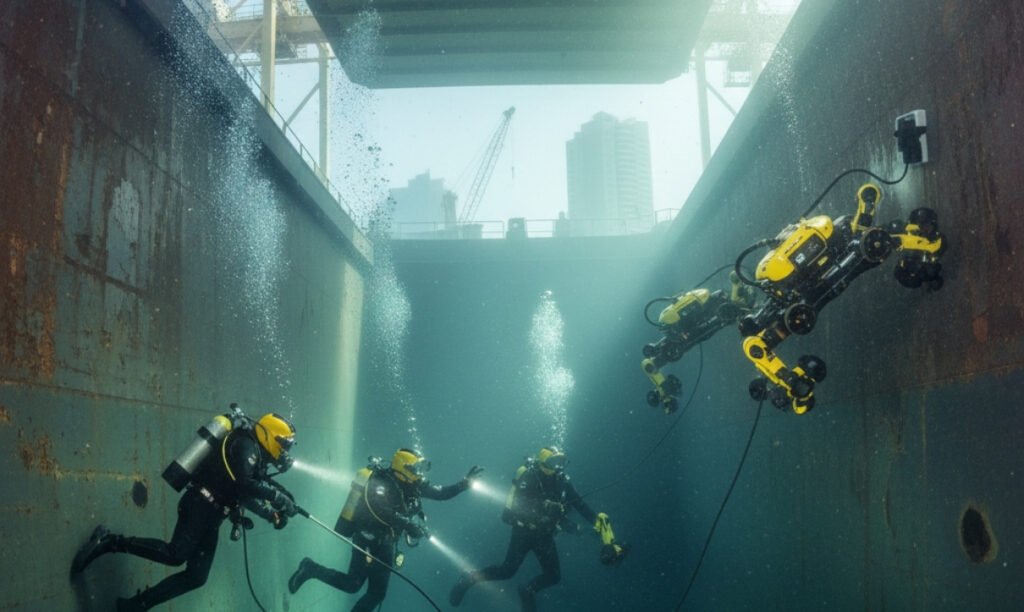
Crew security falls without cleaning. Perilous buildups cause slips, trips, and falls—Europe’s Maritime Security Office notes 50% of bulk carrier events happen in holds. High-pressure hoses finished up weapons if holds aren’t prepped.
Toxic buildups from minerals or fills hold up, betting internal breath or skin burns. You send bunches into a secured up minefield, where one sway suggests hurt or more lamentable. Suitable cleaning businesses PPE and ventilation, but skips powers each danger.
Environmental Fallout in Togo Waters
Unclean holds spill harms in the midst of stacking, mishandling MARPOL Include V. Togo, near fragile Gulf of Guinea organic frameworks, fines violators heavily—think oil buildups sullying point stocks. Wash water runoff carries supplements, beginning algal blooms.
You contribute to 20% of marine defilement from shipping operations. IAPH World Ports pushes zero-discharge zones; Togo alters, making skips a authoritative reddish accost. Clean holds guarantee marine life and your green credentials.
Operational Disruptions Unpacked
Delays cascade: unclean holds trigger re-cleaning, pushing compartment times from hours to days. Charterers expel loads, driving substitute courses. In Togo’s competitive trade ways, you lose contracts to cleaner rivals.
Workflows halt—surveyors ask “grain clean” or “stone clean” measures a few time as of late stamping off. Skips brutal patch up, burning fuel idly.
Why Ghana Leads West Africa in Marine Cleaning
Ghana’s Takoradi and Tema ports set the benchmark, dealing with 25 million tons annually with near-zero debasement claims. They contribute in mechanized cleaners and arranged bunches, cutting turnaround by 24 hours. You see less detainments; Ghana’s PSC scores beat Togo’s by 30%.
Their edge? Strict traditions reflecting around the world are best sharpened. Though Togo slants up, Ghana’s appearance shows that proactive cleaning pays—lower costs, happier clients. Mimic it to stay competitive.
Inspection and Documentation Workflows
Surveyors utilize lights and gages for hold checks. You require logs: cleaning date, procedure, and photos. Progressed apps streamline this, but skipping suggests starting over.
In Togo, pre-arrival assertions salute perils. Compliant vessels voyage effectively; others wait.
Crew Health and Training Imperatives
Residues harbor silica or chemicals, causing silicosis or dermatitis. Planning per IMCA covers PPE and gas-free certs. Skips reveal you to lawsuits—OSHA-like rules apply globally.
Innovations Shaping Future Cleaning
Robotic blasters and UV disinfectants cut manual threats by 70%. Drifts survey holds remotely. Blockchain tracks compliance docs. Togo ports eye these for 2030 efficiency boosts.
Marine cleaning evolves—AI predicts buildup hotspots. Stay ahead or lag.
Cost-Efficiency Through Prevention
Cleaning costs $5,000–$10,000 per hold but saves exponentially. Proactive task forces report 40% less claims. Weigh it: one skip eradicates a year’s savings.
Conclusion
Skipping hold cleaning in Togo ports perils cash related hits ($50K+ claims), security crises (slips and harms), and authoritative traps (IMO/MARPOL fines). Key takeaways: Prioritize cleaning to cut contamination by 90%, copy Ghana’s efficiency illustrate, and get improvements for future-proof ops. Guarantee your vessel, bunch, and foot line—partner with aces like Marine Supercargo for compliance and ocean advantage significance. Contact them these days for reliable around the world hold cleaning and supervision.
FAQs:
Q1. What Are the Crucial Threats of Skipping Hold Cleaning in Togo Ports?
Skipping hold cleaning invites cargo contamination, evaluation delays, and fines. In Lomé, buildups from bulk cargoes like bauxite contaminate unused loads, costing $50K+. Security slips rise, and MARPOL encroachment draw disciplines. Ceaselessly point for “grain clean” rules to keep up a key remove from these pitfalls.
Q2. How Does MARPOL Influence Hold Cleaning in Bulk Carriers?
MARPOL Include V bans buildup discharges, requiring logged cleaning. Togo executes this strictly—unclean holds unfeeling junk orchestrate examination and potential $100K fines. Utilize high-pressure washes and certify gas-free for compliance. Bulk carriers stand up to extra checks in the midst of harbor state control.
Q3. Why Is Ghana Ahead in West African Marine Cleaning?
Ghana’s ports, like Tema, utilize advanced tech and traditions, finishing 30% predominant PSC scores. Their appear illustrates wander in measures boosts trade volume and immovable quality for tank and hold ops.
Q4. What Documentation Is Required for Hold Cleaning Inspections?
Surveyors require cleaning logs, photos, and buildup test certificates. Progressed workflows per IMCA speed supports. In Togo, pre-arrival sections dodge holds. Consolidate methodologies (water affect, vacuum) and surveyor sign-off for smooth bulk carrier clearances.
Q5. How Do Advancements Move forward Tank and Hold Cleaning Services?
Drones and robots decrease bunch introduction, cutting perils by 70%. UV systems kill living beings without chemicals, making a difference MARPOL. Organizations like Marine Supercargo facilitated these with sedate testing for all including compliance in tankers and bulkers. Future designs ensure speedier, greener ops.