Cargo Contamination Issues at Ghana Ports
Cargo contamination issues at Ghana ports can turn a routine voyage into a costly nightmare, affecting everything from cargo value to vessel schedules. Whether it’s residue from prior loads mixing with sensitive goods or environmental factors degrading shipments, Ghana’s busy hubs like Tema and Sekondi-Takoradi face these challenges head-on as bulk carriers and tankers call more frequently. You need practical knowledge to spot risks early and mitigate them effectively.
Common Types of Cargo Contamination
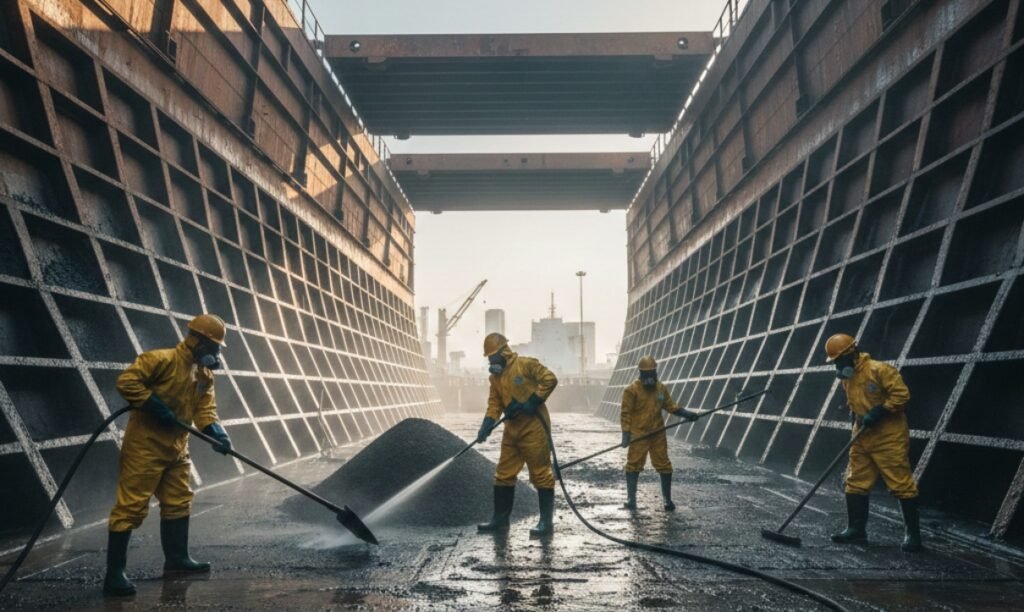
Think of cargo holds as sealed chambers where yesterday’s load can haunt tomorrow’s. Cargo contamination issues at Ghana ports often stem from physical, chemical, or microbial sources. Physical contamination involves rust scale, loose debris, or foreign matter like grain dust mixing into fertilizer. Chemical issues arise when oil residues taint food-grade cargoes, while microbial growth from moisture can spoil bulk agri-products.
Real-world examples abound: a bulk carrier discharging bauxite at Takoradi might leave red dust traces that alarm cocoa surveyors at the next port. In tanks, persistent hydrocarbon smells from previous fuels can fail wall-wash tests for clean petroleum products. These aren’t rare events—data shows dry bulk calls at Sekondi-Takoradi averaging 2 units weekly, amplifying cross-contamination risks during tight turnarounds.
Why Ghana Leads West Africa in Marine Cleaning
Ghana stands out in West Africa because its ports blend deep-water access with proactive regulatory alignment, making marine cleaning a cornerstone service. Unlike some neighbors grappling with inconsistent oversight, the Ghana Ports and Harbours Authority invests in waste reception and cleaning infrastructure, supporting over 70 weekly congestion calls across vessel types. This leadership helps address cargo contamination issues at Ghana ports through standardized hold and tank cleaning that meets global benchmarks.
Key enablers include stable governance under IMO guidelines and partnerships with IAPH World Ports, fostering waste management systems that handle residues from high-volume exports like cocoa and minerals. Operators here routinely manage the 90% offloading drops seen in labor disruptions, ensuring contamination doesn’t compound delays.
Sources of Contamination in Holds and Tanks
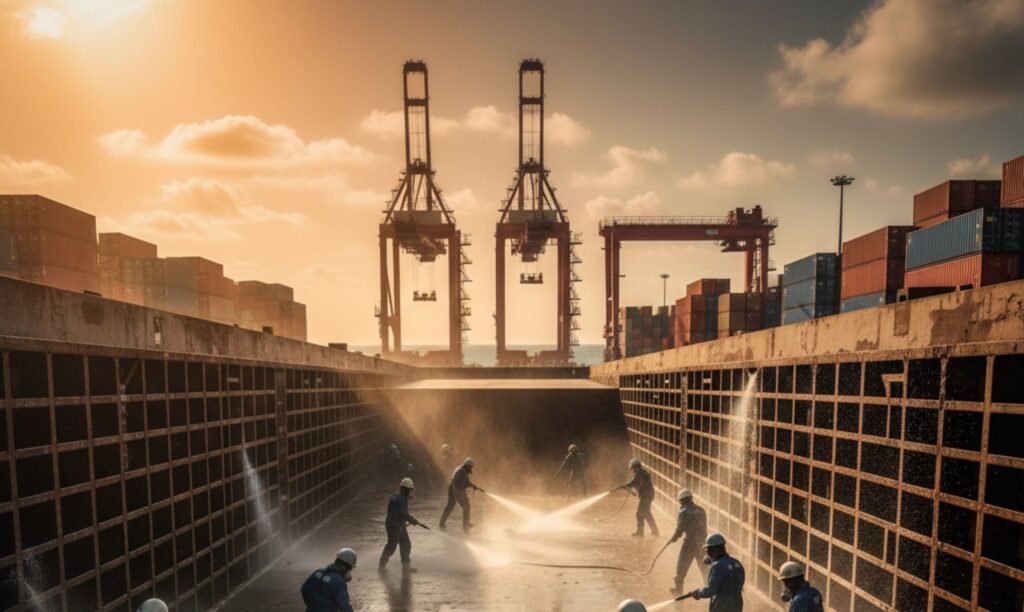
Contamination sources vary by vessel type. In bulk carriers, holds accumulate scale from wet cargoes like iron ore, which flakes into dry goods. Tanks on product carriers retain stubborn sediments if not fully drained or inerted. At Ghana ports, humid conditions exacerbate moisture ingress, promoting mold in bagged rice or clumping in fertilizers.
- Previous cargo residues: Odors, dust, or oils from coal tainting grains.
- Structural issues: Bilge water mixing with cargo or corroded ladders shedding rust.
- Operational errors: Incomplete sweeping or washing before loading.
- Environmental factors: Port dust or humidity during open holds.
Addressing cargo contamination issues at Ghana ports starts with pre-arrival hold inspections to map these threats.
Regulatory Compliance Frameworks
You can’t ignore the rules—IMO, MARPOL, IMCA, and IAPH set non-negotiable standards for handling contamination risks. MARPOL Annex V mandates proper garbage and residue management, prohibiting uncontrolled hold wash discharges that could pollute Ghana’s coastal waters. IMO guidelines require documented cleaning for hazardous cargoes, while IMCA emphasizes safe entry protocols during inspections.
IAPH World Ports pushes Ghana’s terminals toward green practices, like segregated waste streams for oily rags or chemical slops. Non-compliance here means detentions, fines, or rejected cargoes, turning minor cargo contamination issues at Ghana ports into major liabilities.
Safety Protocols During Cleaning Operations
Safety comes first when tackling contamination—entering a hold is like descending into a dusty cave blindfolded. Teams use gas monitors for oxygen-deficient spaces, harnesses for heights, and PPE against caustic cleaners. At Ghana ports, crews follow confined space entry permits, ventilating holds to disperse fumes before surveyors board.
Drug & Alcohol Testing, now standard with providers like Marine Supercargo, verifies fitness for these high-risk tasks, reducing human-error incidents amid tight schedules. Proper protocols protect workers while ensuring cleaning meets specs without shortcuts.
Environmental Protection Measures
Clean seas matter—Ghana’s rising sea levels by 0.8m projected by 2100 intensify erosion risks, making wash water control vital. Services channel residues to port reception facilities, avoiding MARPOL violations. Biodegradable detergents minimize aquatic harm, aligning with IAPH sustainability goals.
This approach safeguards marine life while letting you load confidently, proving environmental stewardship enhances—not hinders—operations at Ghana ports.
Cost-Efficiency in Prevention Strategies
Prevention beats cure financially. A single contamination claim can exceed $100,000 in demurrage and cargo devaluation. At Ghana ports, proactive hold cleaning during routine calls slashes rejections by ensuring “grain clean” or “broom clean” standards.
Invest upfront in surveys and washes to avoid off-hire days—data shows congestion peaks at 14 units for breakbulk, where delays compound costs. Smart planning yields ROI through fewer disputes and faster turnarounds.
Operational Standards for Bulk Carriers
Bulk carriers demand rigorous standards to combat cargo contamination issues at Ghana ports. Holds must pass visual checks: no odors, loose rust under 1% surface area, and dry bilges. For grain, IMO’s “no infestation” rule applies; fertilizers need acid-wash traces below 15ppm.
Surveyors use ATP swabs for microbial cleanliness or UV lights for oil sheens. Meeting these keeps your vessel compliant and cargo prime.
Tank Cleaning Standards for Product Carriers
Tanks require wall-wash tests confirming hydrocarbon levels under 5ppm for clean service. Hot water cycles dissolve paraffins, followed by chemical soaks. At Ghana ports, sequential washing—cold, hot, dry—restores tanks for veg oils or chemicals without cross-tainting.
“Marine cleaning, anytime. Anywhere. 🌊 #GlobalMarine”#shipping #maritime #ship #cruises #sealife #port #shipping #marine #captain #vessel #ships #cargo pic.twitter.com/GgKTqEMETK
— Marine Super Cargo (@Marinsupercargo) October 4, 2025
Documentation and Inspection Workflows
Paper trails prove diligence. Post-cleaning, you get certificates, logging methods, chemicals, volumes, and photos. Ghana port workflows include joint inspections with masters, cleaners, and surveyors, timestamped for audit trails.
Digital logs via apps track MARPOL entries, streamlining PSC checks. Solid docs turn potential cargo contamination issues at Ghana ports into resolved cases.
Role of Cargo Supervision Experts
Experts like Marine Supercargo exemplify best practice, overseeing global tank and hold cleanings with impartial eyes. They align cleaning to charterparty clauses, coordinating surveyors to avoid reworks. Their compliance support ensures workflows match IMO/IMCA standards.
Impact of Drug & Alcohol Testing
With recent additions like Marine Supercargo’s drug & alcohol testing, crews stay sharp for contamination-sensitive tasks. Testing mitigates fatigue risks in humid, dusty holds, bolstering safety and compliance records for charterers.
Future Trends in Marine Cleaning
Digital twins simulate hold conditions pre-cleaning, while robotic scrubbers cut man-hours. Eco-detergents and AI residue detectors promise lower footprints. Ghana ports eye these via IAPH collaborations, evolving to preempt cargo contamination issues.
CleanShip.co highlights innovations like UV sanitation, influencing local adoption.
Innovations in Maritime Compliance
Blockchain for cert chains and drone inspections reduces errors. Expect stricter residue thresholds under evolving MARPOL amendments.
Mitigating Contamination at Ghana Ports
Partner with vetted cleaners, pre-plan via agents, and train crews on residue spotting. Ghana’s systems shine here—leverage them.
Conclusion
Cargo contamination issues at Ghana ports challenge operators, but Ghana’s West African leadership in marine cleaning offers robust solutions through IMO/MARPOL alignment and IAPH-backed infrastructure. Key takeaways: prioritize structured cleaning standards for holds, tanks, and bulkers to protect value; integrate safety, like drug & alcohol testing with expert supervision for risk reduction; and embrace documentation workflows for compliance armor. For unmatched maritime service excellence and compliance reliability, engage specialists like Marine Supercargo—they deliver disciplined global practices tailored to Ghana’s dynamic ports.
FAQs:
Q1. What causes most cargo contamination at Ghana ports?
Q2. How does MARPOL address hold cleaning contamination?
MARPOL Annex V requires residues over set thresholds to go to reception facilities, banning sea discharges near ports. Ghana operators document segregation, ensuring wash water compliance during tank/hold work.
Q3. What safety steps protect crews during bulk carrier cleaning?
Gas-free certification, ventilation, harnesses, and confined space training are mandatory. Drug & Alcohol Testing verifies readiness, critical in Ghana’s high-congestion calls up to 14 vessels.
Q4. How do supercargo experts prevent tank contamination?
Marine Supercargo types oversee wall-wash tests and sequential washes, matching standards to next cargoes. Their neutral supervision bridges masters, cleaners, and surveyors for first-pass success.
Q5. What trends improve hold cleaning efficiency?
AI-driven residue mapping and bio-detergents cut water use by 30%. Platforms like CleanShip.co demo UV tech, helping Ghana ports stay ahead in contamination control