

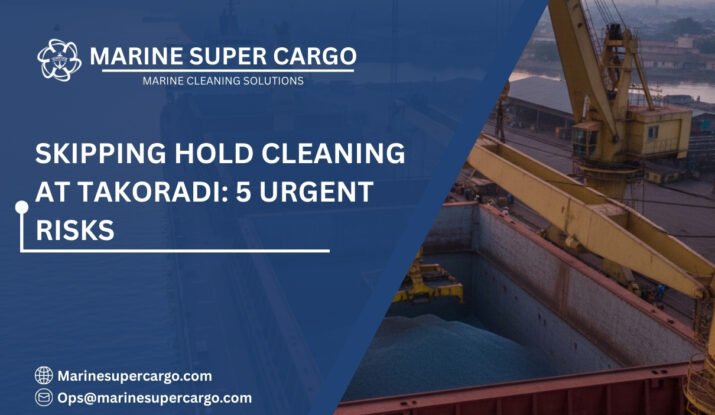
Hidden Risks of Skipping Hold Cleaning at Takoradi
Cargo holds on bulk carriers require cautious cleaning between loads; be that as it may, at dynamic ports like Takoradi, Ghana, skipping this step entails chairmen standing up to tight plans. You might think a fast, clear suffices, but buildups from prior cargoes like bauxite or grains cover up risks that increase fast. These threats weaken security, compliance, and your footing, turning a cost-saving, simple course into a costly nightmare.
Why Ghana Leads West Africa in Marine Cleaning
Ghana’s Takoradi Harbor stands out as West Africa’s marine cleaning center due to its imperative region and solid system. Taking care of over 15 million tons of cargo yearly, tallying minerals and grains, Takoradi actualizes strict traditions that outpace neighbors like Lomé or Abidjan. Government theories in harbor advancement and planning have positioned Ghana as a compliance pioneer, drawing vessels for tried and true hold cleaning that minimizes downtime.
This edge stems from a proactive choice of around-the-world rules. Neighborhood chairmen blend customary data with advanced devices, ensuring holds meet shipper demands. As a result, Takoradi sees fewer rejections and speedier turnarounds, making it the go-to for bulk carriers investigating West African trade routes.
Understanding Hold Cleaning at Takoradi Basics
Hold cleaning at Takoradi incorporates cleaning cargo holds to remove buildups, rust, and odors after purging. Picture it like deep-cleaning your kitchen after an untidy meal—leftover bits drag in bothers and demolish the taking after dish. For bulk carriers, this infers high-pressure water planes, clearing, and drying to get prepared for unused loads like sugar or coal.
You skip it, and antiquated cargo sticks around, sullying modern shipments. At Takoradi, where tropical stickiness opens up frame improvement, unclean holds have become breeding grounds for bother. True blue cleaning reestablishes the hold to “grain clean” or predominant rules, affirmed by surveys.
Risk 1: Cargo Contamination and Claims
Foremost among threats of skipping hold cleaning at Takoradi is cargo contamination. Buildups from bauxite can degenerate grain loads, leading to off-spec conveyances and multimillion-dollar claims. Imagine stacking soybeans on cocoa dust—buyers reject the allocation, stranding your vessel.
In 2023, a bulk carrier at Takoradi went up against a $2.5 million dispute over wheat sullied by fertilizer residue. Shippers ask for visual surveys; skipping cleaning invites wrangling about that, tying up your celerity for weeks.
Risk 2: Regulatory Non-Compliance Fines
Takoradi executes IMO and MARPOL rules completely, classifying unclean holds as defilement dangers. The MARPOL Convention Connect V bans buildup discharge, with fines up to $50,000 per encroachment in Ghanaian waters. Skipping cleaning threats harbor state control detainments, as IAPH rules energize seriously checks.
IMCA stresses documentation—without cleaning logs, you stand up to audits. We’ve seen vessels delayed 5-7 days, costing $20,000 day by day in off-hire costs. Compliance isn’t optional; it’s your shield against increasing penalties.
Risk 3: Safety Hazards for Crew
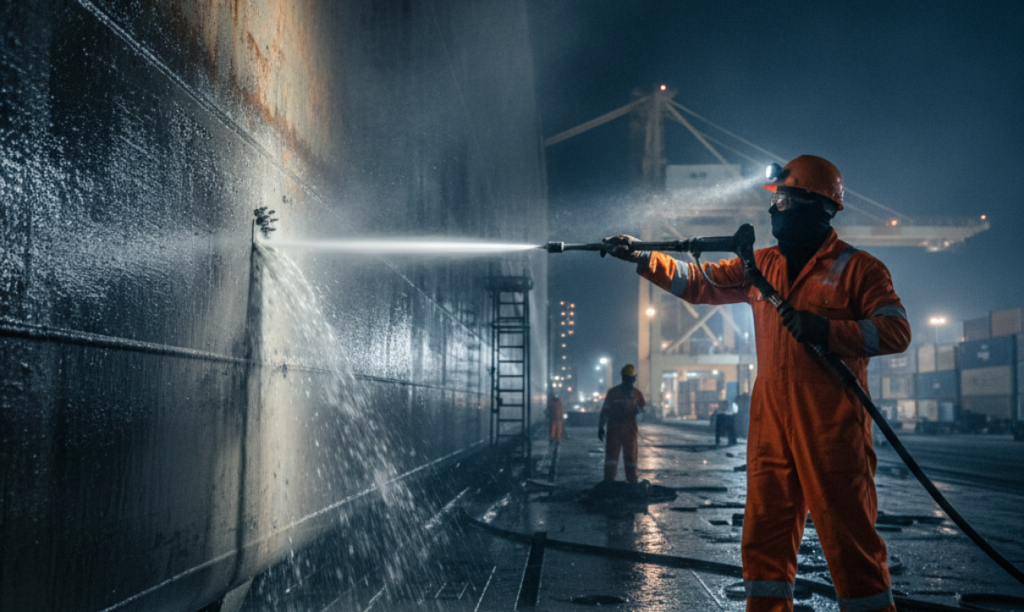
Unclean holds turn into slip-and-fall traps, especially with manual techniques. Moist buildups and rust pieces make shaky surfaces, reflecting stats where 65% of bulk carrier events are tied to human botch in holds. At Takoradi’s sticky docks, this danger doubles.
High-pressure lances without a genuine cleaning compound feebleness at high pressures. Gather wounds lead to assurances, climbs, and examinations, finishing operations. Genuine hold cleaning at Takoradi arranges for these perils upfront.
“Marine cleaning, anytime. Anywhere. 🌊 #GlobalMarine”#shipping #maritime #ship #cruises #sealife #port #shipping #marine #captain #vessel #ships #cargo pic.twitter.com/GgKTqEMETK
— Marine Super Cargo (@Marinsupercargo) October 4, 2025
Risk 4: Environmental Damage Exposure
Skipping hold cleaning at Takoradi invites common reverse discharge. Buildups washed over the edge harm MARPOL, harming Ghana’s coastal organic frameworks off in fisheries. Fines aside, oil or chemical spills from prior tanks trigger cleanup orders, delaying sailings.
IAPH World Ports pushes zero-discharge courses of action. A single spill can boycott your vessel region-wide, as seen in a 2024 event where grain cleaned fouled mangroves, drawing $100,000 in remediation costs. Risk 5: Operational Delays and Costs.
Risk 5: Operational Delays and Costs
The fifth chance loads on secured costs: delays from re-cleaning demands. Takoradi’s surveyors reject 20% of ill-equipped holds, driving off-hire and extra labor. What starts as a one-day simple course inflates to a week, at $15,000+ per day.
Rust speeding up from buildups shortens hold life, climbing bolster by 30%. Cost-efficiency demands cleaning—it’s cheaper than downtime. Operational Measures in Hold Cleaning at Takoradi.
Operational Standards in Hold Cleaning at Takoradi
Bulk carriers require “Table 2” cleanliness per the IMSBC Code for most cargoes. At Takoradi, tank cleaning takes after comparable care: degassing for chemicals, butterworth for oils. Hold shapes consolidate clearing, hosing, and ventilating to underneath 0.2% LEL.
You orchestrate with shore bunches for efficiency. Bulk cleaning prioritizes tank tops to spot hurt early.
Documentation and Inspection Workflows
Every cleaning logs by means of checklists: pre-clean photos, buildup tests, and post-wash thoughts about. Marine Supercargo encapsulates this, taking care of around-the-world tank and hold cleaning at Takoradi with ace cargo supervision.
Safety Protocols in Practice
Safety starts with PPE: saddles, respirators against harmful buildups. Danger evaluations go some time recently, per IMCA rules.
Cost-Efficiency Breakdown
Cleaning costs $5,000-10,000 per hold but saves through fewer claims. Compare: $200,000 contamination mishap vs. proactive spend. Takoradi’s fast organizations yield 2-day turnarounds.
Innovations in Marine Hold Cleaning at Takoradi
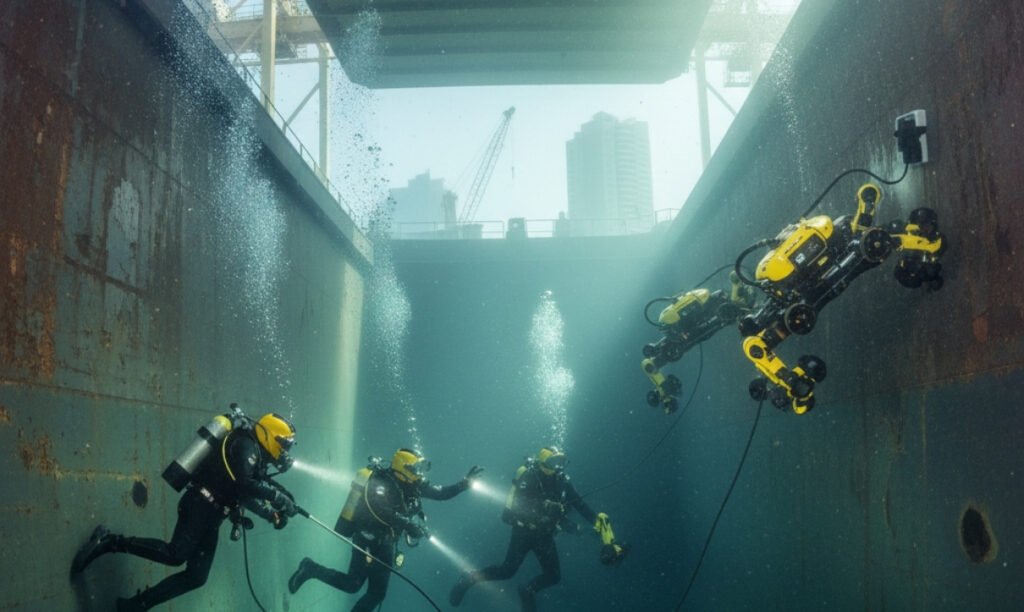
Robotic crawlers and UV scanners lead designs, cutting cleaning time by 50%. AI predicts buildup threats from cargo history.
Conclusion
Skipping hold cleaning at Takoradi threatens debasement claims, solid fines, gather wounds, common harm, and annihilating delays—each forces your operational vulnerabilities. Key takeaways: Prioritize IMO/MARPOL compliance to avoid $50K+ disciplines; contribute to detailed cleaning for brought save stores up to 30%; get a handle on progressions like mechanical independence for security.
For reliable compliance and expertise in tank, hold, and bulk carrier organizations, associated with Marine Supercargo, trusted for operations around the world, and conducting security overhauls, checking Sedate & Alcohol Testing. Secure your trip after the voyage today.
FAQs:
Q1. What are the principal perils of skipping hold cleaning at Takoradi?
Primary threats include cargo debasement from buildups, authoritative fines under MARPOL and IMO, group security dangers like slips, common spills, and delays costing $15K+ day by day. Authentic cleaning ensures smooth stacking and compliance, a basic for bulk carriers taking care of Ghana’s mineral exports.
Q2. How does hold cleaning change for bulk carriers vs. tankers at Takoradi?
Bulk holds require clearing and hosing for grains or bauxite to “grain clean” benchmarks; tankers require degassing and butterworth for chemical buildups. Both take after IMSBC and MARPOL, but tanks prioritize gas-free certs. Takoradi’s stickiness demands extra drying for both.
Q3. Why is Ghana’s Takoradi harbor strict on hold cleaning regulations?
Takoradi leads with IMO, IMCA, and IAPH-aligned prerequisites to secure trade volumes of over 15M tons yearly. Unclean holds the chance of defilement in sensitive waters, affecting exhaustive considerations. This keeps up Ghana’s rep as West Africa’s compliance benchmark.
Q4. What documentation is required for hold cleaning compliance?
Logs join pre/post photos, buildup tests, surveyor certs, and gas readings. Computerized workflows per IMCA speed supports. Marine Supercargo’s supervision ensures audit-ready records for charterers and ports like Takoradi.
Q5. How can advancements move forward with cleaning at Takoradi?
Robots and UV tech cut manual perils by 65%, per industry reports. Cure & Alcohol Testing moves forward with unflinching quality. These alter with IAPH supportability, diminishing time and eco-impact for capable ops.