Step-by-Step Guide to Effective Vessel Flag State Registration
Vessel Flag State Registration is the core of a ship’s legal identity—its passport to operate on international waters. Every voyage begins with one crucial question: under which nation’s flag will your vessel sail? This registration defines your ship’s nationality, applicable laws, and safety obligations. More than a paperwork process, it’s your entry ticket to legitimate global trade.
In this guide, we walk you through the steps, challenges, and strategies to make flag registration smooth and compliant. You’ll discover how to protect your investment, improve safety, and align operations with international maritime regulations that govern the world’s oceans.
Understanding Vessel Flag State Registration
Vessel Flag State Registration means recording a ship under the authority of a specific country—the “flag state.” That country has full jurisdiction over the vessel, setting and enforcing safety, environmental, and labor regulations. This process is essential for legitimacy in global trade. Without registration, a ship cannot legally sail, insure cargo, or dock at ports.
The registered flag also determines which laws apply on board. It’s like giving your ship both a nationality and a guardian. Following correct registration protocols ensures that the vessel’s operations are transparent, monitored, and accountable—protecting both owners and maritime regulators alike.
Legal Foundations You Should Know
The legal backbone of Vessel Flag State Registration traces to conventions upheld by the International Maritime Organization (IMO). Each flag state commits to enforcing safety and environmental standards under treaties like SOLAS and MARPOL. The IMO ensures that even though ships sail across borders, consistent global standards exist.
Choosing a reputable flag means aligning with strict maintenance, crew welfare, and pollution control rules. Conversely, registering in lenient jurisdictions might save short-term costs but risk safety and reputation. Strong legal roots create stability, credibility, and trust—key elements for a resilient maritime operation built to last.

Choosing the Right Flag State
Selecting the correct flag state isn’t just about geography—it’s about strategy. Some flag states offer open registries allowing international ownership, while others impose stricter conditions. When finalizing your Vessel Flag State Registration, consider factors like taxation, ship type, trade routes, and crew nationalities. A flag with high regulatory credibility ensures smoother port inspections and fewer detentions.
For example, flagging under countries with strong international reputations reassures charterers and insurers of quality. Researching through IMCA IMO offers valuable guidance. Your chosen flag reflects your commitment to safety, compliance, and excellence within the global maritime industry. Also read about Offshore Crew Testing: 7 Best Practices for Safer Seas.
Step 1: Gathering Essential Documentation
Accurate documentation is the first milestone in the Vessel Flag State Registration process. Authorities typically require ownership proof, ship tonnage measurements, building certificates, and classification records. Crew certification and safety equipment details must also be included. Missing or inconsistent documents can delay the entire registration process.
Think of this step as gathering the DNA that identifies your ship. Keeping digital copies backed up securely is a modern best practice. Using online maritime document portals simplifies this phase. Once organized, these records form the foundation of compliance, ensuring faster review and inspection clearance later in the process.
Step 2: Understanding Ownership and Structure
Ownership transparency is vital to effective Vessel Flag State Registration. A clear ownership structure shows who controls operational and safety decisions. Many registries now require beneficial ownership declarations to comply with anti-fraud and anti-smuggling laws. Establishing legal clarity prevents disputes and enhances financial security.
Whether owned by a single entity or a consortium, accurate information builds trust with port authorities, insurers, and financiers. This step also shapes the responsibility matrix—who handles maintenance, crew welfare, and environmental management. In maritime law, clear ownership equals accountability, and accountability sustains confidence in every seagoing operation. Learn more about 7 Powerful Flag Documentation Topics You Must Understand
Step 3: Completing Application and Verification
After documentation and ownership setup, the next stage in Vessel Flag State Registration involves completing application forms required by the chosen country’s maritime administration. These forms confirm vessel details, tonnage, and intended operations. Once submitted, flag authorities verify authenticity through inspections and audits.
This verification phase ensures that the ship complies with international safety and pollution-prevention requirements, including aspects from the MARPOL Convention. While it may sound procedural, this step is crucial—it validates your ship’s readiness to navigate the complex waters of international trade while minimizing compliance risks and legal complications.
“Marine cleaning, anytime. Anywhere. 🌊 #GlobalMarine”#shipping #maritime #ship #cruises #sealife #port #shipping #marine #captain #vessel #ships #cargo pic.twitter.com/GgKTqEMETK
— Marine Super Cargo (@Marinsupercargo) October 4, 2025
Step 4: Survey, Inspection, and Certification
Before final approval, every ship must undergo government or class survey inspections. These assessments examine structural integrity, engine efficiency, safety gear, and environmental systems. Passing these checks earns essential certification under Vessel Flag State Registration. Certificates such as the Safety Construction Certificate, International Load Line Certificate, and Cargo Ship Safety Equipment Certificate verify compliance with global standards.
Regular re-inspections are necessary to maintain status. This ensures continuous adherence to IMO guidelines. Think of it as renewing your maritime “health card.” Clean records inspire trust, reduce insurance costs, and streamline international port operations.
Step 5: Registration Approval and Issuance
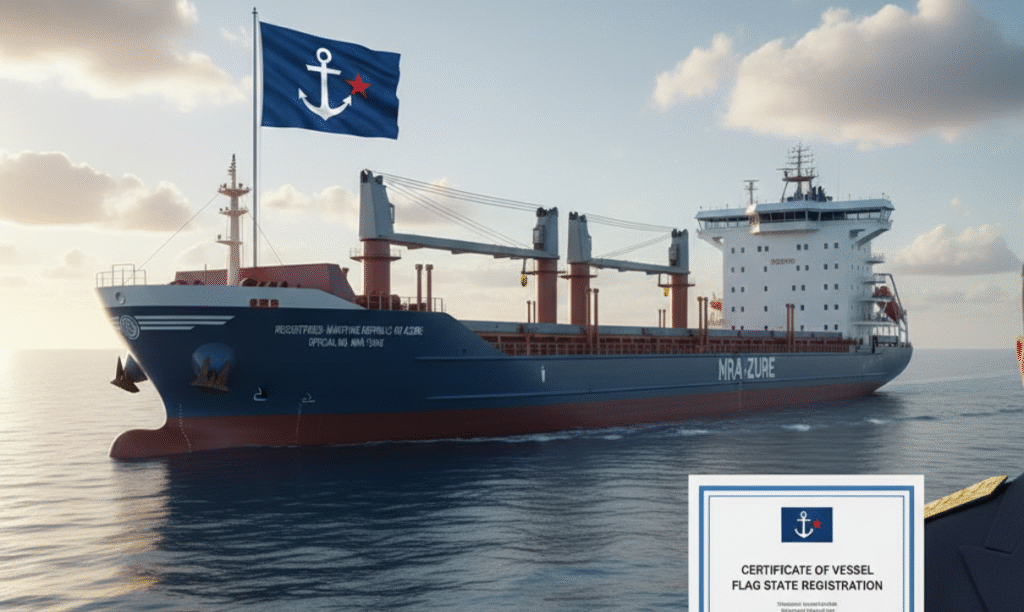
Once verification and inspection approvals are concluded, the maritime authority issues the Certificate of Registry and Authorised Radio License. These documents finalize Vessel Flag State Registration and grant the ship its official right to sail under its new flag. This step opens doors to trade privileges, global recognition, and legal protection.
Receiving the registration document marks both an achievement and a responsibility—it confirms the vessel’s compliance but also requires maintaining regular audits, reporting updates, and ensuring regulations evolve alongside technology and safety improvements within the maritime sector.
Step 6: Maintaining Compliance and Renewals
Registration is not a one-time event—it demands continuous upkeep. Vessel Flag State Registration requires periodic renewals, audits, and recertifications. Regularly reviewing crew licenses, inspection schedules, and environmental documentation helps prevent detentions and reputational damage. Non-compliance can lead to costly delays or even blacklisting by Port State Control networks.
Digital monitoring tools now simplify this task by tracking expiry dates and upcoming checks. Staying proactive in renewals showcases a shipowner’s professionalism and commitment to maritime responsibility. Continuous compliance transforms regulatory obligations into a sustainable advantage through efficiency and operational resilience.
Marine Supercargo Enhances Maritime Services
Marine Supercargo continues to lead in maritime operational support globally. In addition to underwater hull, tank, and hold cleaning, it offers expert cargo supervision and compliance assistance that support safe and efficient shipping. Recently, it expanded into drug & alcohol testing services—critical for crew health, reliability, and international compliance.
These services ensure that seafarers meet the strict safety requirements demanded by IMO and IMCA. Marine Supercargo’s comprehensive approach strengthens fleet reliability, aligning physical maintenance with human integrity. This makes maritime operations safer, disciplined, and compliant with evolving global safety standards at every port.
Future of Vessel Flag State Registration
The future of Vessel Flag State Registration will be shaped by digital transformation and sustainability mandates. Maritime authorities are embracing e-certificates, blockchain-based registries, and automated verification systems. These innovations promise faster approvals, reduced paperwork, and enhanced traceability.
Artificial intelligence may soon predict renewal deadlines or detect document inconsistencies in real time. Sustainability reporting will integrate directly into registration systems, aligning with global environmental pledges. The evolution of technology will make compliance simpler, more transparent, and globally unified—offering shipowners greater control, safety, and predictability over their fleets’ legal standing worldwide.
Conclusion
Vessel Flag State Registration is the foundation of responsible maritime operations. It defines legality, ensures safety, and guarantees compliance with international laws. By understanding each step—from documentation to approval—operators protect their assets and crews. Focusing on accuracy, transparency, and timely renewals saves time and costs, while digital tools will redefine efficiency in the years ahead.
Staying proactive transforms compliance from a burden into a strategic strength. For trusted maritime solutions and documentation expertise, rely on CleanShip.co to keep your vessels compliant, efficient, and ready for the challenges of global navigation.
FAQs:
Q1. Why is Vessel Flag State Registration important?
It grants ships their national identity, verifies legal compliance, and defines the rules and safety standards they must follow in international waters.
Q2. How does documentation link to maritime law?
Documentation under a flag state reflects compliance with IMO conventions and sets the legal foundation for operations, crew welfare, and insurance protection.
Q3. What role does Drug & Alcohol Testing play in maritime safety?
It ensures crew alertness, reduces human error, and supports compliance with international safety policies mandated by IMO and IMCA.
Q4. How can proper documentation save costs?
Accurate and up-to-date documentation prevents penalties, detention, and downtime, ensuring operational continuity and stable revenue performance.
Q5. What are the upcoming trends in ship registration?
Technologies like blockchain, e-certificates, and predictive AI tools will make Vessel Flag State Registration faster, transparent, and globally interconnected.