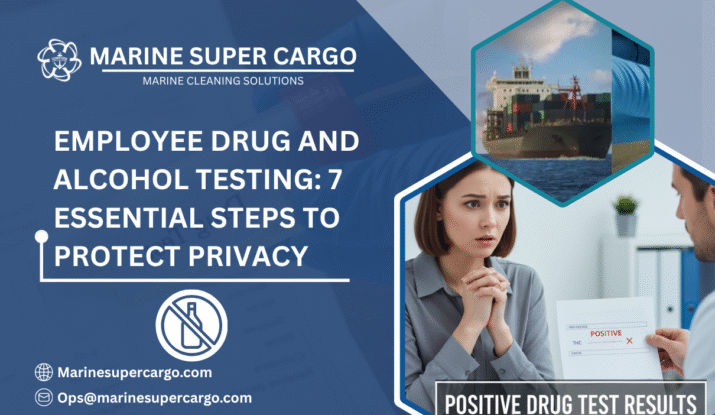
Confidentiality in Employee Drug and Alcohol Testing
Employee drug and alcohol testing is essential for maintaining safety and productivity in safety-critical industries, but confidentiality remains its cornerstone. Protecting employee privacy ensures trust in testing programs while fulfilling legal and regulatory requirements. A single breach can harm reputations and morale.
In this guide, we’ll explore how employers can manage testing discreetly, fairly, and ethically. You’ll learn about the best practices for maintaining trust through proper data handling, transparent communication, and compliance with maritime and offshore labor standards. Together, we’ll navigate how confidentiality transforms testing into a safety asset, not a source of tension or mistrust.
Why Confidentiality Matters in Testing Programs
In any Employee Drug and Alcohol Testing program, confidentiality safeguards fairness. When workers know their information is private, cooperation increases, and stigma decreases. Confidentiality protects sensitive medical data and ensures decisions are based only on verified results. Global maritime and offshore regulations, including IMO and IMCA, emphasize the importance of personal privacy in substance screening.
Mismanagement can trigger discrimination claims and regulatory penalties. Transparent privacy protocols also demonstrate professional ethics. Protecting identities and maintaining limited data access encourages honesty and compliance, turning what might feel like surveillance into a respected, equitable safety process for everyone.
Understanding the Confidential Process
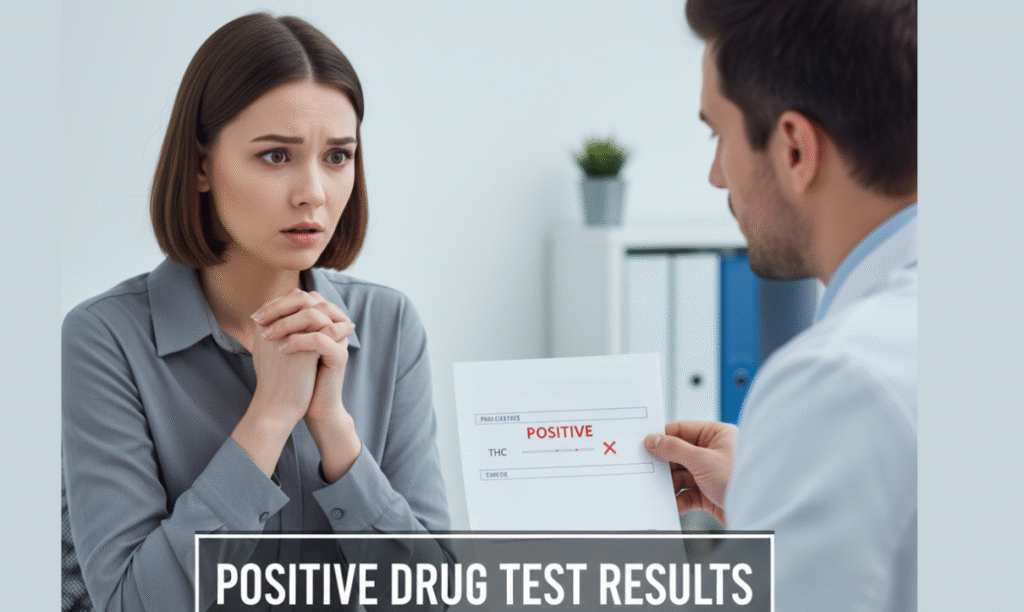
Confidentiality in employee drug and alcohol testing means protecting every stage—from sample collection to results disclosure. Personnel collecting or handling samples must be trained in secure chain-of-custody procedures, ensuring that only authorized individuals view results. Information remains sealed and handled under strict maritime labor guidelines.
Employers often assign third-party testing providers to guarantee impartiality. Results are only disclosed to designated officials responsible for safety management or compliance decisions. Maintaining privacy doesn’t mean ignoring issues—it ensures that any disciplinary or corrective measures rely on verified, confidentially managed data within ethical and legal frameworks.
International Compliance Expectations
Confidentiality isn’t only an ethical principle—it’s a legal requirement under international maritime and offshore safety regulations. Organizations involved in employee drug and alcohol testing must comply with global frameworks like the MARPOL Convention and national privacy laws. The IMO’s safety code also mandates the responsible handling and documentation of test findings.
Each record must remain secure and accessible only to compliance officers. Failing to meet these expectations risks fines, operational delays, or detention by port authorities. Compliance with these standards not only upholds privacy but also reinforces integrity and readiness for external audits worldwide. Also read about Offshore Crew Testing: 7 Best Practices for Safer Seas.
Creating a Secure Data Management System
Managing sensitive data effectively is at the heart of confidential employee drug and alcohol testing. Establish encrypted databases and role-based access controls to ensure that results stay private. Physical documents should be locked and restricted to compliance officers. Regular data audits identify potential breaches early.
Clearly defined retention periods prevent unnecessary data storage. Offshore or vessel-based testing teams can use secure digital submission systems to prevent tampering while under sail. A strong data infrastructure not only meets compliance standards but also promotes mutual respect, setting high ethical benchmarks for maritime or industrial workforce operations.
“Marine cleaning, anytime. Anywhere. 🌊 #GlobalMarine”#shipping #maritime #ship #cruises #sealife #port #shipping #marine #captain #vessel #ships #cargo pic.twitter.com/GgKTqEMETK
— Marine Super Cargo (@Marinsupercargo) October 4, 2025
Marine Supercargo Expands Services: Drug & Alcohol Testing for Safer Seas
Marine Supercargo, internationally recognized for marine cleaning and environmental compliance solutions, has broadened its services to include professional drug & alcohol testing. This new addition supports companies conducting employee drug and alcohol Testing by providing certified, confidential, and timely results.
With skilled professionals and advanced testing methods, Marine Supercargo helps ship owners, operators, and managers ensure crew safety and regulatory compliance. The initiative provides a holistic approach to maritime safety—linking operational cleanliness, regulatory assurance, and health discipline. Through this expansion, Marine Supercargo champions a transparent, trustworthy, and safer global marine environment for seafarers and management teams alike. Also, know about Crew Alcohol Testing: 7 Vital Insights for Safer Seas.
Handling Test Results with Integrity
After employee drug and alcohol testing, managing results professionally defines organizational credibility. Only authorized personnel should access reports, ensuring confidentiality at all stages. Before taking disciplinary measures, confirm results through certified laboratories. Employers must give employees an opportunity to explain medication use or health conditions.
Communicating privately and respectfully preserves trust. Document actions clearly for compliance purposes while avoiding public exposure or unnecessary gossip. Fair handling transforms tests from punitive exercises into cooperative health management. Leaders who prioritize fairness promote a safety culture where integrity and respect precede compliance. Professional handling sets the tone for long-term staff loyalty.
Ensuring Transparency Without Compromising Privacy
Transparency and privacy might seem contradictory, but in Employee Drug and Alcohol Testing, both coexist. Transparency means employees know the purpose, frequency, and process of testing. Privacy ensures personal information stays protected. Employers should issue clear testing policies outlining rights, responsibilities, and appeal procedures.
Crew members need assurance that results will not be misused. Holding anonymous training sessions or safety meetings about testing protocols makes participation feel inclusive, not invasive. Transparent confidentiality builds credibility, prevents misunderstanding, and ensures collective ownership of safety goals across all offshore and maritime operations. Read more about 7 Powerful Reasons Corporate Drug Testing Works.
Role of Third-Party Testing and Neutral Oversight
Independent testing agencies add trust and neutrality to employee drug and alcohol Testing programs. Third-party laboratories follow global certification guidelines, ensuring unbiased sample handling and reporting. Their involvement guarantees standardized confidentiality levels throughout data collection. International marine operators often partner with third-party providers to maintain compliance across ports.
Neutral oversight prevents favoritism and protects against potential workplace disputes. Using verified external evaluators reinforces transparency for crew members and maritime regulators alike. Independence builds credibility, showing that organizations prioritize fairness over internal hierarchies, thereby earning both regulatory approval and employee respect globally.
Educating Teams on Confidentiality
Confidentiality is not automatic—it must be cultivated. Regular training sessions on protecting information within Employee Drug and Alcohol Testing programs empower managers and crew members to uphold privacy standards. Teams should learn about personal data handling laws, reporting protocols, and professional boundaries. Education also helps employees understand testing’s purpose: safety, not punishment.
When everyone values discretion, it prevents gossip and maintains respect across multicultural crews. Investing in awareness transforms confidentiality from a mandate into a mutual promise. Education, communication, and shared accountability turn testing into an ethical, transparent part of safety-oriented operations. Read more about 5 Crucial Reasons Drug & Alcohol Testing Matters.
Technology in Confidentiality Management
Technology transforms confidentiality in Employee Drug and Alcohol Testing. Encrypted cloud systems, biometric verification, and blockchain-based audit trails protect sensitive data. Digital records minimize manual handling errors while ensuring instant traceability for compliance checks. AI-driven data matching helps detect errors without revealing personal details.
Offshore facilities increasingly use mobile-secured devices to transmit results securely to headquarters. By integrating specialized software, organizations create an auditable, tamper-resistant ecosystem for testing. Modern digital tools not only secure privacy but also reinforce trust between employers and employees—proving that confidentiality and technology can work hand in hand for safety. Also read about 7 Vital Reasons Alcohol Testing Saves Shipping Companies.
Legal and Ethical Implications of Breaches
Breaches of confidentiality in Employee Drug and Alcohol Testing can have serious consequences—legally, ethically, and operationally. Employers violating privacy laws face penalties and loss of employee confidence. Ethical lapses harm morale, causing stress and decreased productivity. To prevent breaches, policies must include specific disciplinary actions for unauthorized disclosures.
Companies should adopt audit trails, restricted access, and staff training on handling sensitive information. Maintaining high ethical standards shows leadership integrity and compliance maturity. In maritime contexts, where teams live and work together, protecting confidentiality isn’t optional—it’s essential for lasting harmony and operational trust.
Conclusion
Confidentiality lies at the heart of every employee drug and alcohol testing program. First, protecting privacy builds trust and promotes cooperation. Second, technology and third-party oversight ensure data integrity and compliance transparency. Third, consistent education fosters professionalism and ethical culture.
A well-managed, confidential testing environment safeguards both people and organizations. To reinforce your compliance and maritime safety goals with reliable management practices, explore solutions at CleanShip.co—where integrity, safety, and environmental responsibility work together to protect global operations from risk and reputational harm.
FAQs:
Q1. Why is confidentiality important in drug testing?
Confidentiality ensures fairness, builds trust, and prevents discrimination while protecting employees’ medical information within professional boundaries.
Q2. Who has access to confidential test results?
Only authorized compliance officers or designated managers involved in safety decisions can access results under strict chain-of-custody procedures.
Q3. How can organizations maintain data security?
Using encrypted systems, audited software, and access controls protects data integrity and meets maritime privacy requirements under IMO standards.
Q4. What happens if confidentiality is breached?
Breaches can lead to disciplinary actions, legal fines, and reputational losses. Strong internal policies and audits help prevent such incidents.
Q5. How does confidentiality affect workplace morale?
When employees trust in data protection, cooperation increases, anxiety decreases, and compliance becomes an accepted part of daily operations.