Legal Risks of Skipping Ship Crew Drug Testing
Every voyage demands discipline, alertness, and absolute responsibility. When these standards slip, risks multiply. Skipping ship crew drug testing is not merely an administrative oversight—it’s a violation with serious legal and operational consequences. A single incident onboard linked to drugs or alcohol can lead to fines, detentions, and even vessel bans.
Imagine running a vessel worth millions only to have it detained because one crew member failed a test that never happened. This is why proactive testing isn’t optional—it’s essential. It ensures each journey remains safe, compliant, and free from the turbulence of avoidable legal trouble.
Why Ship Crew Drug Testing Matters
Ship crew drug testing is essential for maintaining global maritime compliance and onboard safety. The ocean may be unpredictable, but human reliability shouldn’t be. Testing ensures all crew members stay fit for duty, reducing accidents caused by impairment. It also demonstrates to authorities that your vessel meets international safety obligations under organizations like IMO and MARPOL Convention.
For companies, it protects reputation, insurance eligibility, and operational continuity. In industries where lives and cargo hang in the balance, testing acts as your first line of defense—one that separates disciplined operators from those facing costly, career-defining penalties.
Key Regulations Governing Maritime Drug Policies
Regulations set by bodies such as IMO, IMCA, and IAPH define clear expectations for drug and alcohol testing onboard vessels. Under MARPOL and ISM Code, shipping companies must establish drug-free workplace policies to meet international operational standards. These regulations protect marine environments, human life, and cargo integrity.
When ship crew drug testing protocols are omitted, companies stand in direct violation of these international norms. Authorities treat such negligence as non-compliance, leading to vessel detention, suspension of licenses, or denial of port entry. Compliance with these frameworks is not abstract—it’s mandatory for navigation and certification.
Fines, Detentions, and Legal Repercussions
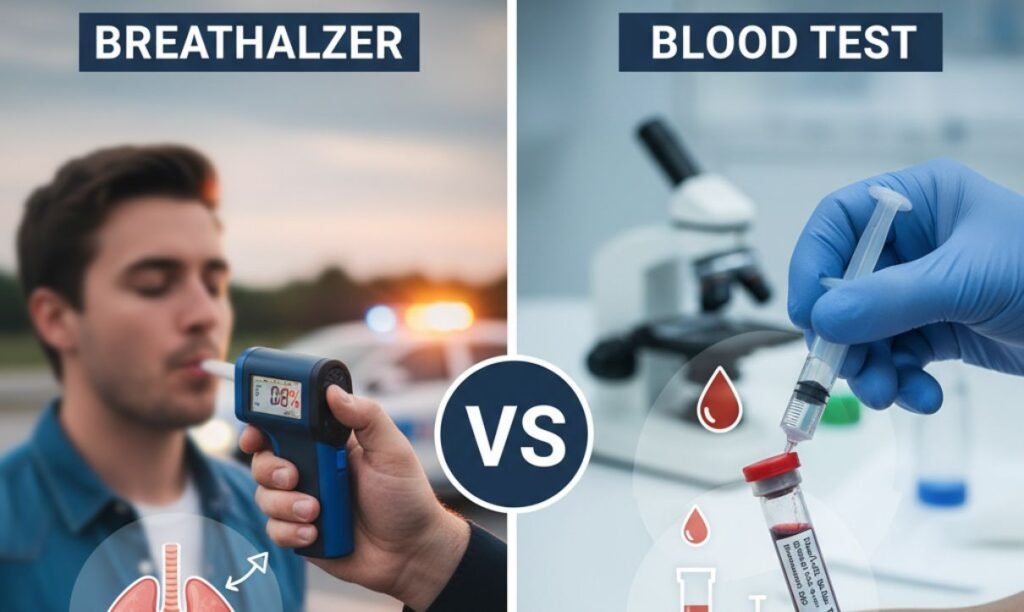
Ignoring drug and alcohol testing can lead to enormous penalties. Port State Control and maritime authorities issue immediate detentions for vessels without valid testing records. Ship crew drug testing documentation serves as proof of compliance during inspections. Failure to produce logs can cost hundreds of thousands in fines.
Additionally, legal liability extends to the company, captain, and management alike. In extreme cases, repeat offenders may lose their flag authorization or insurance coverage. The reputational fallout compounds the damage—charterers and insurers prefer compliant, reliable operators. Proper testing saves far more money than penalties ever could. Also read about Offshore Crew Testing: 7 Best Practices for Safer Seas.
The Safety and Human Factor
Human error remains a top cause of maritime accidents. Ship crew drug testing prevents impairment from contributing to these incidents. Under the influence, decision-making, coordination, and judgment degrade rapidly—creating unsafe conditions for everyone onboard. Testing enforces accountability and reinforces expertise standards crucial to safe navigation.
Most maritime disasters tied to negligence trace back to preventable human actions. A drug-free crew is a competent crew. Proper and regular screenings remind every seafarer that individual discipline directly affects collective safety, ensuring journeys succeed instead of tragedy. Also, know about Crew Alcohol Testing: 7 Vital Insights for Safer Seas.
“Marine cleaning, anytime. Anywhere. 🌊 #GlobalMarine”#shipping #maritime #ship #cruises #sealife #port #shipping #marine #captain #vessel #ships #cargo pic.twitter.com/GgKTqEMETK
— Marine Super Cargo (@Marinsupercargo) October 4, 2025
Marine Supercargo Expands Services: Drug & Alcohol Testing for Safer Seas
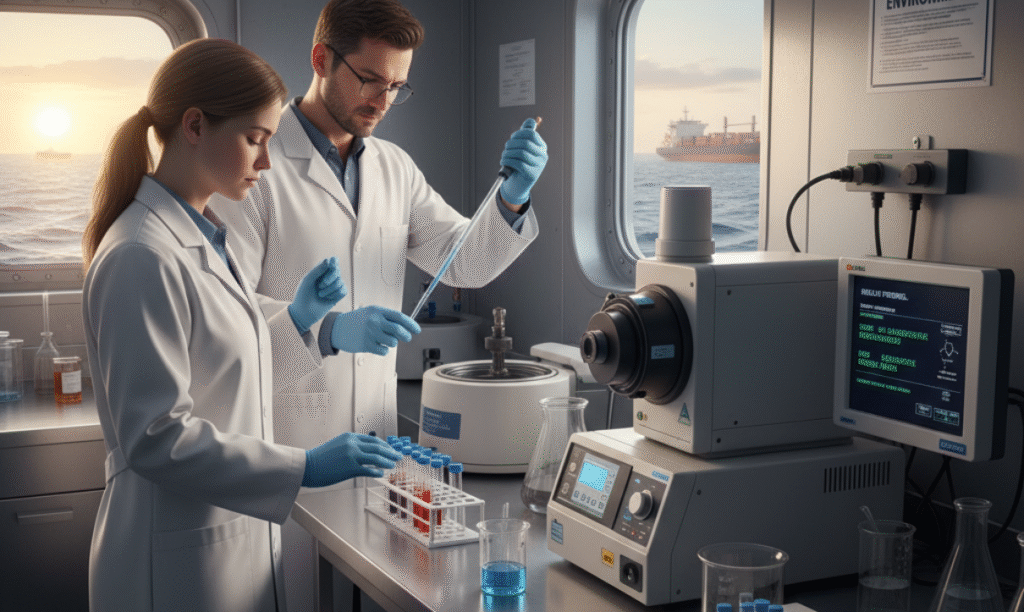
Marine Supercargo, a trusted name in global marine cleaning and compliance management, has expanded its services to include professional drug & alcohol testing. This addition supports ship owners, operators, and managers in ensuring crew compliance and operational efficiency. The program aligns with IMO, IMCA, and MARPOL standards, integrating advanced portable testing devices and certified collection protocols.
By offering ship crew drug testing, Marine Supercargo strengthens maritime safety culture and helps vessels meet legal and environmental obligations seamlessly. This innovative expansion demonstrates the company’s continued commitment to safe seas, reliable crews, and sustainable global shipping.
Environmental and Operational Implications
Skipping proper drug testing doesn’t just breach rules—it increases environmental hazards. A compromised crew member operating near sensitive ecological zones poses serious risks. Substance-related errors can cause spills, collisions, or pollution incidents that invoke liability under MARPOL laws. Implementing ship crew drug testing protects not only lives but also marine environments.
Fewer errors mean less exposure to cleanup costs, legal battles, and reputational damage. Maritime sustainability depends on prevention. Every test performed and recorded reinforces a commitment to protect oceans and uphold international environmental stewardship standards already emphasized by CleanShip.co.
Ethical and Reputational Responsibility
Reputation in the maritime industry travels faster than the wind. Shipping companies that neglect ship crew drug testing gain a reputation for carelessness. Ethical responsibility means safeguarding crews as much as cargo. Testing programs reflect integrity, not surveillance. When employees know their employer values their well-being through clear, fair testing practices, mutual respect grows.
Ethical compliance attracts reliable business partners and builds credibility with regulators. Skipping testing sends the opposite message: that cost-cutting outweighs crew care. Responsible operators recognize that ethics and compliance determine whether reputation sails smoothly or sinks under scrutiny. Read more about 5 Crucial Reasons Drug & Alcohol Testing Matters.
Financial and Insurance Impacts
Maritime insurance providers demand evidence of regular and credible testing programs. When ship crew drug testing logs are missing or inconsistent, insurers may reduce coverage or reject claims entirely. Accidents involving drugs or alcohol nullify protection clauses linked to operator negligence. Financially, this can cripple operations—repairs, cargo losses, and legal expenses can escalate instantly.
Regular testing avoids these domino effects. By maintaining complete documentation, companies gain financial stability. In many cases, verified compliance even lowers insurance premiums. Investing in a disciplined testing framework is not just safety-driven—it’s financially smart and risk-efficient. Also read about 7 Vital Reasons Alcohol Testing Saves Shipping Companies.
Crew Morale and Long-Term Compliance
Crew morale significantly improves when clear policies are in place. Professional sailors appreciate structure, fairness, and security. Transparent testing assures them that all colleagues meet the same standards, reducing conflict or distrust onboard. Ship crew drug testing, when integrated with training and awareness programs, enhances teamwork and discipline.
When officers and crew understand that testing protects their safety and future, compliance becomes a shared belief rather than a burden. Over time, testing evolves from a requirement into part of the organization’s safety DNA—ensuring long-term compliance and lasting operational excellence. Read more about 7 Powerful Reasons Corporate Drug Testing Works.
Future of Testing in Maritime Compliance
Technology is revolutionizing ship crew drug testing. Upcoming innovations include digital chain-of-custody systems, portable real-time analyzers, and integrated compliance software. Soon, blockchain tracking may eliminate paperwork, making results tamper-proof and instantly verifiable during inspections.
The future lies in automation and transparency—testing will become not just a checkpoint but an ongoing assurance system. With global standards tightening, organizations adopting these tools now gain a significant compliance advantage. The next era of maritime safety will be defined by predictive monitoring, where technology ensures every voyage begins clean and ends compliant.
Conclusion
Ship crew drug testing is more than a safety measure—it’s a compliance shield that saves lives, reputations, and resources. The three key lessons are simple: testing prevents legal trouble, ensures crew safety, and maintains credibility with authorities worldwide.
Companies that treat testing as a strategic investment protect both their people and their financial future. For proven global testing practices and compliance support, visit CleanShip.co and ensure every voyage is as legally sound as it is safe. Because prevention today means smooth sailing tomorrow.
FAQs:
Q1. Why is ship crew drug testing legally required?
It ensures crews remain sober and compliant, maintaining operational safety in line with IMO and MARPOL international maritime regulations.
Q2. What happens if companies skip mandatory testing?
Skipping drug testing can lead to heavy fines, vessel detention, and legal action against both the ship operator and management.
Q3. How often should crews be tested onboard?
Pre-departure, random, post-incident, and periodic testing schedules are recommended for continuous compliance and risk prevention.
Q4. How does drug testing protect the marine environment?
A sober crew avoids accidents that can cause pollution, protecting oceans and meeting environmental commitments under MARPOL laws.
Q5. How can CleanShip.co assist operators?
CleanShip.co provides advanced compliance solutions and integrated safety testing services that promote safe, environmentally responsible voyages.