Ship Hull Cleaning in Ghana
Smooth sailing begins below the waterline. Over time, barnacles, algae, and other marine organisms cling to ship hulls, silently increasing drag and fuel consumption. Ship hull cleaning in Ghana provides an efficient and sustainable way to restore optimal vessel performance. Ghana’s warm coastal waters accelerate biofouling, making frequent hull maintenance a necessity for ships operating along its busy trade routes.
With professional underwater teams, modern tools, and eco-conscious practices, this cleaning process not only boosts operating efficiency but also supports environmental compliance. The goal is simple: maintain speed, reduce costs, and keep your vessel in peak condition throughout every voyage.
Importance of Ship Hull Cleaning in Ghana
Marine fouling is more than just a cosmetic issue—it’s a major performance and efficiency problem. Ship hull cleaning in Ghana ensures your vessel glides smoothly instead of battling unnecessary resistance from barnacles and algae. This resistance demands more fuel, increases emissions, and shortens coating lifespan.
Routine cleaning helps ships meet international efficiency targets and comply with IMO environmental regulations. Ghana’s maritime environment makes regular maintenance crucial for both local operators and international fleets. By adopting scheduled in-water cleaning, shipowners can prevent performance loss before it starts and keep their ships profitable and compliant all year round.
Environmental Impact and Compliance
A clean hull is good business, but it’s also essential for ocean health. Ship hull cleaning in Ghana aligns with global environmental frameworks like the MARPOL Convention, which address pollution and invasive species control. Fouled hulls release harmful discharges and contribute to greenhouse gas emissions.
Removing biofouling not only enhances efficiency but also prevents invasive marine organisms from spreading to new regions via ship movements. Reputable service providers in Ghana are committed to environmentally sound practices—using waste collection methods that prevent contamination and following strict local and international guidelines for eco-safe disposal.
Professional Techniques and Tools
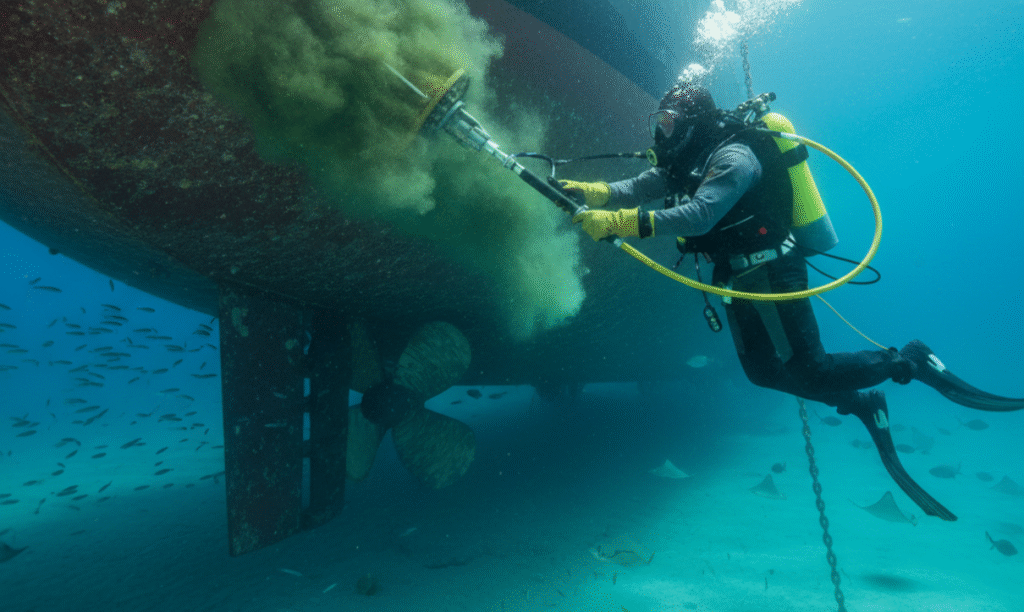
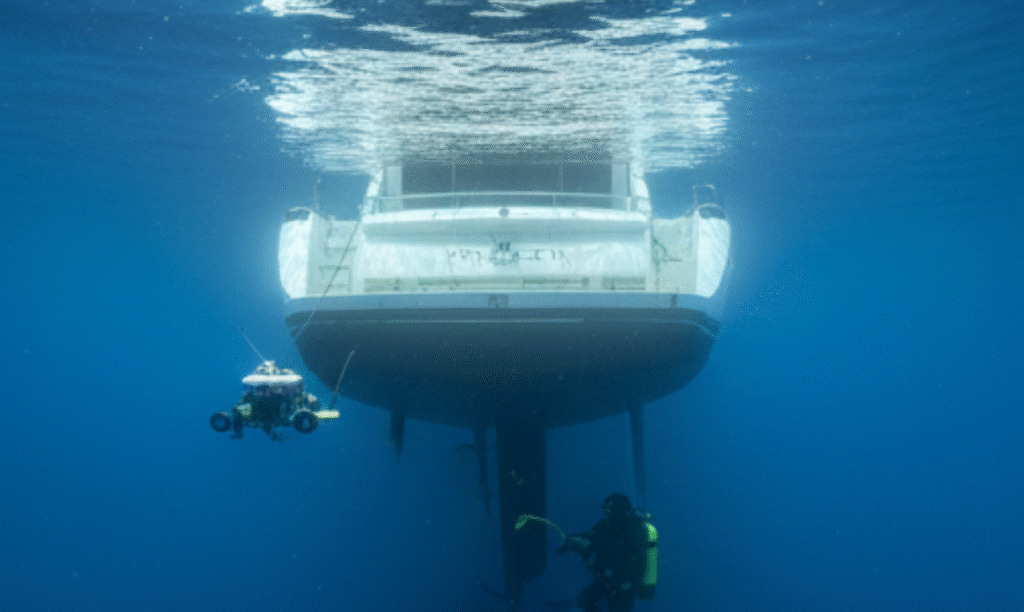
Modern technology has reshaped the way professionals perform ship hull cleaning in Ghana. Divers use hydraulic brushes, rotating scrubbers, and cavitation jets—tools that remove stubborn buildup without damaging protective coatings. Cavitation cleaning, for example, uses micro-pressure bubbles that safely dislodge fouling while preserving antifouling paints.
Robotic cleaning systems are now entering the scene, often equipped with cameras and sensors for precision cleaning and reporting. The chosen method depends on fouling density, vessel design, and operational schedule. By combining skilled divers and high-end equipment, these services ensure consistent results without the need for expensive dry-docking. Read more about Underwater ship hull cleaning in Ghana.
Cost-Saving Advantages
Every knot of speed regained through ship hull cleaning in Ghana translates into measurable savings. Fouling increases drag and forces engines to burn up to 20% more fuel. Clean hulls lower fuel consumption, reduce emissions, and extend coating lifecycle. For large vessels traveling global routes, this can mean savings worth tens of thousands of dollars annually.
Partnering with data-driven platforms like CleanShip.co allows ship managers to monitor fouling patterns and determine ideal cleaning intervals. Regular maintenance also prevents costly surprises—like emergency docking or loss of charter reputation due to performance inefficiencies. Also read about Underwater Hull Cleaning in Sekondi
Safety Standards and Inspection Protocols
Safety underpins every operation related to ship hull cleaning in Ghana. Teams follow strict international protocols established for diver health, equipment inspection, and communication procedures. Before cleaning, assessments are performed to identify damage or corrosion risks.
During operations, supervisors maintain real-time oversight for diver safety and environmental compliance. Post-cleaning inspections ensure hulls are free from fouling and coatings remain intact. These professional standards keep both personnel and assets protected while ensuring your vessel continues operating within operational and regulatory expectations. Also read about underwater ship hull cleaning in Takoradi.
Selecting the Right Cleaning Partner
Choosing a trustworthy partner for ship hull cleaning in Ghana can determine the success of your maintenance program. Reputable providers demonstrate certifications, transparent work processes, and adherence to international environmental codes. They should provide detailed condition assessments and after-cleaning reports supported by photos and data.
Verified memberships with industry organizations like IAPH or IMCA signal credibility. Trustworthy partners recommend cleaning intervals based on your vessel’s trading pattern and hull material. This collaboration helps you move from reactive maintenance to a proactive, cost-efficient system aligned with global best practices.
Marine Supercargo Expands Services: Drug & Alcohol Testing for Safer Seas
Marine Supercargo, a name long trusted in the marine cleaning sector, has diversified its services by launching professional Drug and Alcohol Testing programs. This initiative strengthens safety in the maritime industry by ensuring crew members remain fit for duty across all operations, including ship hull cleaning in Ghana.
The testing service aligns with IMO safety protocols, helping shipowners and operators comply with legal standards while preventing onboard incidents. By integrating health oversight with existing cleaning and maintenance services, Marine Supercargo supports safer, more responsible, and regulation-compliant ship management worldwide. These measures safeguard not just equipment—but lives, efficiency, and reputations at sea. Also, know about underwater ship hull cleaning in Tema.
Future Trends and Innovations
Innovation is redefining ship hull cleaning in Ghana. Robotics and automated hull-cleaning drones are now complementing diver-based methods, reducing risk and improving efficiency. Artificial intelligence is being integrated to predict when fouling will occur based on vessel routes and ocean conditions. Eco-friendly coatings that release fewer chemicals into the water are becoming more widely used, slashing the need for frequent cleaning.
Predictive maintenance systems powered by big data will soon schedule hull cleaning automatically, saving time and cost. These advancements are pushing the maritime industry towards a smarter, cleaner, and more sustainable future.
“Marine cleaning, anytime. Anywhere. 🌊 #GlobalMarine”#shipping #maritime #ship #cruises #sealife #port #shipping #marine #captain #vessel #ships #cargo pic.twitter.com/GgKTqEMETK
— Marine Super Cargo (@Marinsupercargo) October 4, 2025
Training and Workforce Development
A skilled workforce ensures the success of any ship hull cleaning operation in Ghana. Divers undergo rigorous training programs covering underwater equipment handling, safety management, and environmental awareness. Certified professionals meet international standards in hull inspection and maintenance.
Supervisory staff monitor underwater video feeds and data logs to ensure compliance at every step. Continuous learning initiatives help workers stay updated on robotic operations, AI forecasting tools, and eco-friendly techniques. Ghana’s marine training institutions, in partnership with global agencies, are helping raise a generation of professionals ready for the next era of maritime maintenance excellence.
Inspection, Documentation, and Transparency
Transparency defines quality service in ship hull cleaning in Ghana. Thorough pre-cleaning inspections establish the fouling condition, allowing teams to design efficient cleaning strategies. During operations, detailed logs track methods, tools used, and areas serviced. After cleaning, operators receive complete reports with photos and performance findings.
This transparent documentation ensures compliance with port regulations, maritime authorities, and insurance requirements. It also helps shipowners plan future maintenance effectively. Proper recordkeeping builds trust, providing proof that all work meets national and international maritime standards on safety, quality, and environmental responsibility.
Conclusion
Ship hull cleaning in Ghana is more than an operational necessity—it’s a strategic advantage that supports fuel savings, sustainability, and regulatory compliance. Routine cleaning prevents drag, minimizes emissions, and extends hull coating life. Combining modern technology with expert divers ensures safe, cost-effective operations every time.
Partner with trusted professionals like CleanShip.co for reliable, data-driven hull maintenance that helps your vessels stay efficient, safe, and compliant in a rapidly evolving maritime environment. Clean hulls are the foundation for smoother sailing, lower costs, and greener, more sustainable shipping in Ghana and beyond.
FAQs:
Q1. Why is ship hull cleaning vital for modern vessels?
It removes marine growth that slows ships down, boosts performance, cuts fuel costs, and ensures compliance with international maritime standards.
Q2. How often should ship hull cleaning be done?
Every 6–12 months, depending on routes, vessel size, and Ghana’s tropical fouling conditions, which encourage faster marine growth.
Q3. What are the main techniques used in Ghana?
Professionals use hydraulic brushes, cavitation jets, and robotic systems for thorough, eco-conscious cleaning that protects anti-fouling coatings.
Q4. What safety standards govern these operations?
IMCA standards ensure diver safety, waste control, and communication best practices during underwater maintenance operations.
Q5. How does Marine Supercargo’s Drug & Alcohol Testing help?
It promotes crew health, enhances compliance, and prevents accidents, supporting safer, more efficient seagoing and maintenance operations.