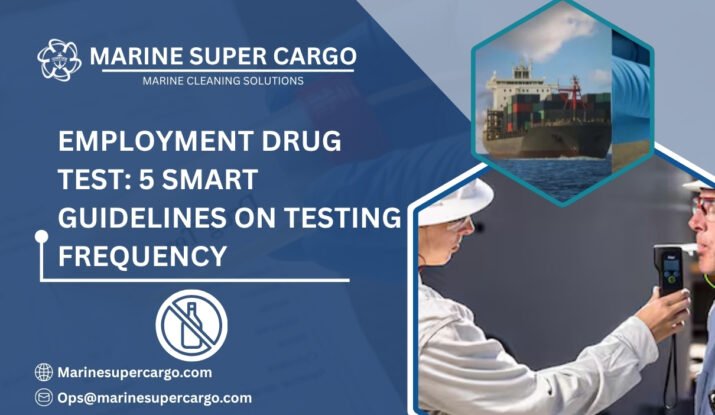
Maintaining a safe and productive workplace is much like keeping a ship on a steady course. Just as routine inspections ensure a vessel’s hull remains smooth, efficient, and resistant to hidden damage, an employment drug test program serves as a safeguard that keeps employees fit for duty. By detecting impairment early, these programs help organizations prevent unseen risks—such as poor judgment, reduced productivity, or safety hazards—that could otherwise derail business operations.
Yet, one common question always surfaces: how often should an employment drug test be conducted? Striking the right balance between safety, fairness, and compliance is not always straightforward. Too little testing leaves dangerous gaps in protection, while excessive testing may feel intrusive or disruptive for staff.
Whether you’re managing crews at sea, teams on construction sites, or staff in offices, understanding how to implement the right employment drug test schedule will strengthen safety, trust, and long-term resilience in your workplace.
Why Testing Frequency Matters
Testing too rarely can leave risks undetected; testing too often may cause resentment or disruptions. Striking the right balance safeguards employee health, ensures compliance with regulatory bodies like the International Maritime Organization (IMO) and International Marine Contractors Association (IMCA), and protects your business’s reputation.
Effective testing frequency:
- Detects impairment before incidents
- Maintains fairness and trust
- Reduces long-term costs linked to accidents or violations
Common Factors Influencing Testing Frequency
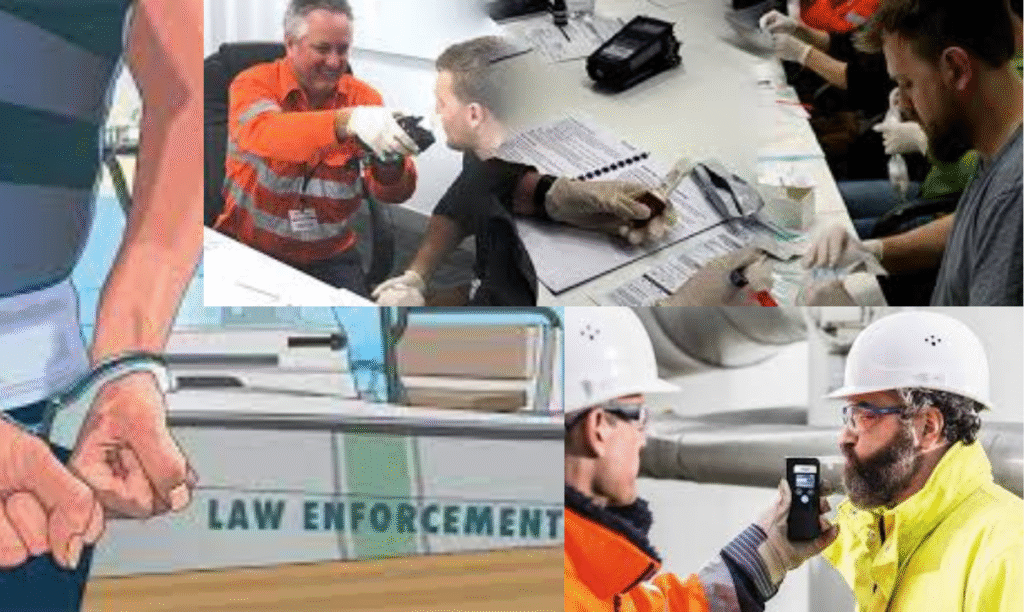
Several elements influence how often businesses should conduct employment drug test programs:
- Industry risk level: High-risk sectors like maritime, construction, and transportation require more frequent screenings.
- Regulatory mandates: Compliance with local laws and international standards affects minimum testing intervals.
- Workforce size and turnover: Larger or frequently changing teams may need more regular checks.
- Incident history: Companies with past violations might increase testing frequency.
- Company culture and policies: Transparent communication and employee support can improve acceptance of testing programs.
Typical Testing Schedules
Here are common approaches for employment drug tests based on industry needs:
- Pre-employment testing: A vital first step to ensure new hires meet safety standards.
- Random testing: Unpredictable checks to deter substance use and maintain fairness, typically monthly to quarterly.
- Post-incident testing: Immediately following accidents or near-misses.
- Scheduled routine testing: Annual or biannual, depending on regulatory guidance.
Like the schedules for hull cleanings that keep vessels efficient, these testing intervals maintain a company’s operational health.
Legal and Compliance Requirements
In today’s interconnected industries, compliance isn’t just about ticking boxes—it’s about safeguarding people, assets, and the environment. In the maritime sector, especially, international frameworks such as the MARPOL Convention and IMO (International Maritime Organization) standards place strict expectations on drug and alcohol control. An employment drug test program becomes essential here, serving as a frontline measure to ensure crew members remain fit for duty.
These regulations acknowledge that impaired personnel can trigger accidents, cause environmental damage, and create costly disruptions. To enforce compliance, port authorities worldwide—including those referenced by iaphworldports.org—require shipping companies to maintain robust safety protocols. This often includes conducting an employment drug test either randomly or in a targeted form as part of port state control inspections.
Non-compliance is never taken lightly. Failure to implement proper employment drug test procedures can lead to vessel detentions, hefty fines, operational delays, and lasting reputational harm.
By fully understanding these frameworks, businesses can create drug and alcohol testing programs that are fair, effective, and aligned with global standards. A structured employment drug test policy not only safeguards the workforce but also ensures smooth, uninterrupted operations while demonstrating commitment to safety and responsibility. Learn more about Powerful Reasons Drug and Alcohol Testing Matters.
Marine Supercargo Expands Services: Drug & Alcohol Testing for Safer Seas
Marine Supercargo, known for its global marine cleaning solutions, has now added professional Drug & Alcohol Testing services. Ship owners, operators, and managers benefit from this comprehensive safety offering that boosts crew safety and ensures compliance with international maritime laws.
Their testing services help detect substance misuse while supporting operational efficiency and regulatory adherence. This innovation enhances environmental protection, reduces costly incidents, and aligns with IMO and IMCA frameworks—making seas safer and business smoother.
✅ 4 Things to Check for Safety at Sea pic.twitter.com/dAxhJQ2i6U
— Marine Super Cargo (@Marinsupercargo) September 14, 2025
Benefits of Appropriate Testing Frequency
Setting the right testing cadence provides clear advantages:
- Fewer workplace accidents and near-misses
- Lower insurance premiums and health costs
- Improved workforce morale built on trust and transparency
- Compliance that safeguards licenses and market access
- Preservation of the environment by minimizing the risk of pollution incidents
Addressing Employee Concerns
Employees often worry about privacy and fairness regarding testing. Clear, empathetic communication about testing purpose, policies, and support programs reduces anxiety and resistance. This approach fosters a safety-first culture while ensuring policy adherence.
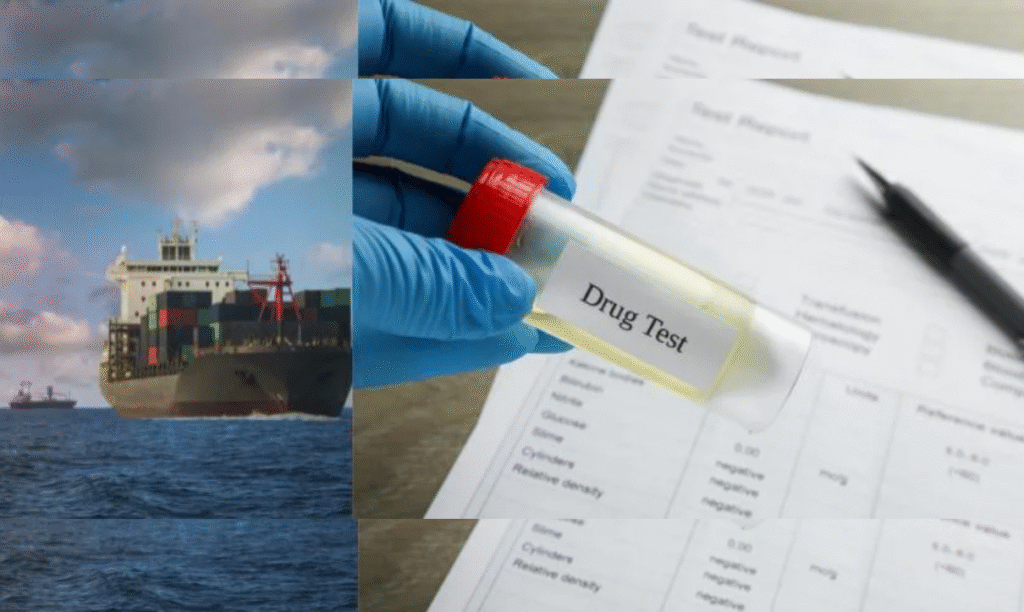
Future Trends in Drug Testing and Marine Cleaning
The landscape of safety and compliance is constantly evolving. Just as hull cleaning technologies are shifting from traditional diver-based methods to robotic, eco-friendly solutions that reduce downtime and environmental impact, workplace drug testing is undergoing a similar transformation. The focus is moving towards smarter, faster, and more employee-friendly approaches that enhance both accuracy and trust. Also read about the Surveyor’s role during hull cleaning operations.
Emerging trends include:
- Non-invasive sampling methods – Saliva, sweat, and even breath-based testing are gaining traction, replacing invasive techniques while still ensuring reliable results.
- Real-time, secure digital reporting tools – Cloud-based platforms allow instant, tamper-proof access to results, making compliance audits smoother and more transparent.
- Wearable technologies – Smart devices capable of monitoring fatigue, reaction times, or impairment indicators are being developed to provide proactive, continuous risk management.
These innovations promise not only improved detection but also more humane, less disruptive processes for employees. For industries like maritime, where safety and efficiency must coexist, the integration of advanced drug testing and sustainable hull cleaning represents the future—where technology supports resilience, compliance, and environmental responsibility.
Conclusion
Determining how often to conduct an employment drug test balances safety, legality, and employee trust. Frequent enough testing protects people and property without unnecessary intrusion. Thoughtful policies aligned with regulatory standards and supported by transparent communication create safer, more efficient workplaces. For maritime operations, especially, combining drug testing with hull cleaning completes the safety circle.
Discover expert guidance and practical solutions at CleanShip.co—your partner for safer seas and smarter compliance.
FAQs:
Q1. Why is regular employment drug testing important?
Regular testing prevents accidents by identifying impairment early, protecting workers, and keeping workplaces safe and productive.
Q2. How often should maritime crews undergo drug tests?
Maritime regulations suggest frequent random and post-incident tests, often monthly or quarterly, to meet IMO and MARPOL standards.
Q3. Are employees notified before random tests?
Typically, random tests are unannounced to maintain effectiveness, but workplace policies ensure fairness and transparency.
Q4. How does testing frequency impact environmental safety?
Frequent testing reduces impaired decision-making, lowering risks of pollution or accidents at sea, aligning with MARPOL goals.
Q5. What future trends will change drug testing in workplaces?
Emerging tech includes non-invasive tests, real-time digital reporting, and wearable monitors predicting impairment before incidents.