
Safety isn’t just a rule—it’s the foundation that keeps workplaces productive, healthy, and reliable. In every industry, from maritime to manufacturing, even a single mistake can have serious consequences. Imagine a ship where one impaired crew member could jeopardize the vessel, its cargo, and the lives on board. Similarly, in factories, warehouses, or offices, unnoticed impairment can lead to accidents, errors, or costly downtime.
This is why Workplace Drug Screening is far more than a routine formality. It acts as a proactive safety net, ensuring employees are fit, alert, and capable of performing their duties safely. Beyond compliance, it builds trust, protects assets, and strengthens organizational resilience.
By identifying risks early, drug screening prevents accidents, fosters a culture of responsibility, and ensures operations run smoothly. In essence, it transforms safety from a checklist into a strategic safeguard, empowering organizations to stay prepared, productive, and secure.
Why Workplace Drug Screening Is Crucial
Workplace Drug Screening acts as a vital safeguard for organizations, guiding teams away from hidden risks that could endanger lives, damage property, or harm a company’s reputation. Just as regular ship hull cleaning prevents unseen drag and inefficiencies, drug and alcohol testing protects workplaces from invisible threats that compromise safety and productivity.
By identifying potential issues before they escalate, organizations ensure that every employee—from the bridge to the workshop—is fit for duty, focused, and capable of performing tasks safely.
Beyond safety, workplace drug screening delivers tangible operational and legal benefits:
- Prevents costly accidents and injuries by reducing the risk of human error caused by impairment.
- Ensures compliance with legal and industry regulations, avoiding fines or sanctions.
- Protects business reputation and maintains client trust by demonstrating commitment to safety and responsibility.
A proactive approach to drug screening keeps teams safe, operations smooth, and businesses resilient.
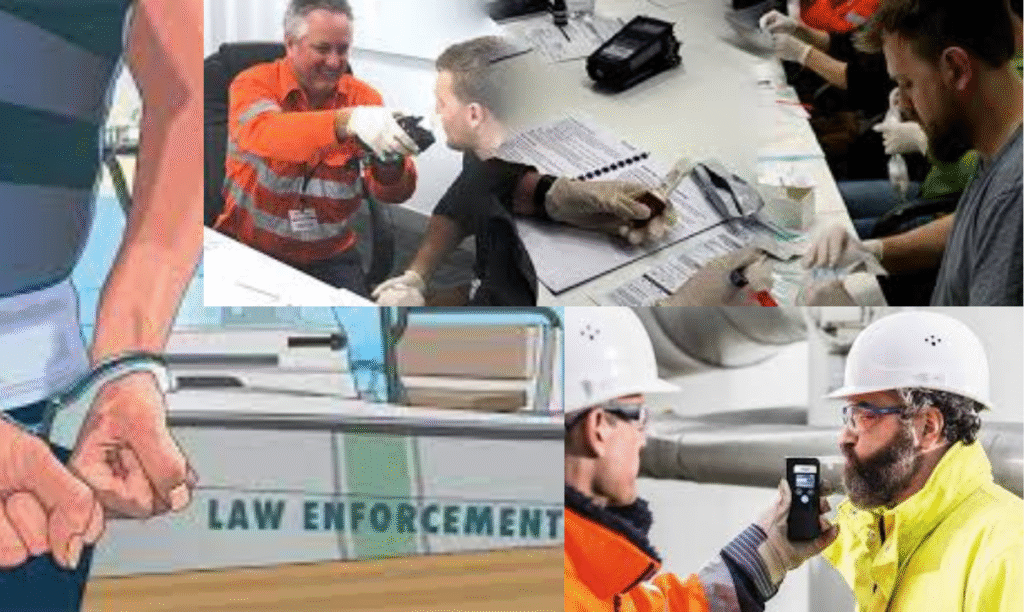
Hidden Risks Of Avoiding Testing
Not prioritizing Workplace Drug Screening can leave businesses vulnerable. Just as barnacles slow a ship, substance misuse drags down productivity, morale, and operational safety. Companies without robust screening programs see:
- Higher chance of workplace incidents or errors
- Rising health and insurance costs
- Regulatory fines and penalties, especially in the shipping and offshore sectors
- Loss of client and public trust
Types of Workplace Drug Screening
No two industries face the same risks, so it’s smart to choose testing approaches suited to your crews and operating environments.
- Pre-employment screening: Assures new hires meet safety standards.
- Random testing: Keeps teams alert and fair.
- Post-incident testing: Determines impairment after accidents or near-misses.
- Routine testing: Offers assurance in high-stakes environments where risk tolerance is low.
Workplace Drug Screening for Regulatory Compliance
Safety authorities like the International Maritime Organization (IMO), International Marine Contractors Association (IMCA), and global port entities (see iaphworldports.org) enforce strict standards for both ship and shore-based operations. Workplace Drug Screening demonstrates that your business doesn’t just meet compliance rules— it puts people, property, and environmental protection first.
Ignoring these mandates sets businesses up for vessel detention, delays, and significant financial penalties. In the world’s busiest ports, staying ahead of these standards isn’t just wise—it’s necessary to compete and operate safely.
Five Core Benefits of Drug Screening Programs
Integrating Workplace Drug Screening programs into corporate culture yields big wins beyond compliance.
- Inspires workplace trust and fairness
- Boosts productivity and operational consistency
- Minimizes legal, financial, and regulatory risks
- Helps manage absenteeism and health problems
- Shields ecosystems by lowering accident chances
The Maritime Perspective
On ships, where human error causes most accidents, the value of Workplace Drug Screening is clear. When one crew member makes a dangerous decision, fallout can include equipment loss or environmental disaster. Institutions like the MARPOL Convention detail exactly how safety and environmental care are inseparable.
Testing policies function much like proactive hull cleaning—regular checks ensure operators maintain speed, efficiency, and regulatory standing.
Marine Supercargo Expands Services: Drug & Alcohol Testing for Safer Seas
Marine Supercargo’s reputation for world-class marine cleaning is now paired with professional Drug & Alcohol Testing for the shipping community. As the industry has evolved, so have the risks. Their new service empowers ship owners, operators, and managers to strengthen crew safety and deliver on international safety obligations.
By adopting Workplace Drug Screening through Marine Supercargo, companies can seamlessly comply with IMO, IMCA, and port authority requirements and address safety proactively. Crew well-being improves, incident rates drop, and vessels avoid costly penalties or detentions. In today’s competitive maritime environment, this step reflects a commitment to not just regulatory compliance but crew care and operational excellence.
Addressing Employee Concerns and Fostering Transparency
Testing policies should always be clear, fair, and supportive. Resistance often fades when organizations explain the reasoning and benefits behind Workplace Drug Screening. Continuous dialogue, education, and rehabilitation support build trust and align workers with safety goals.
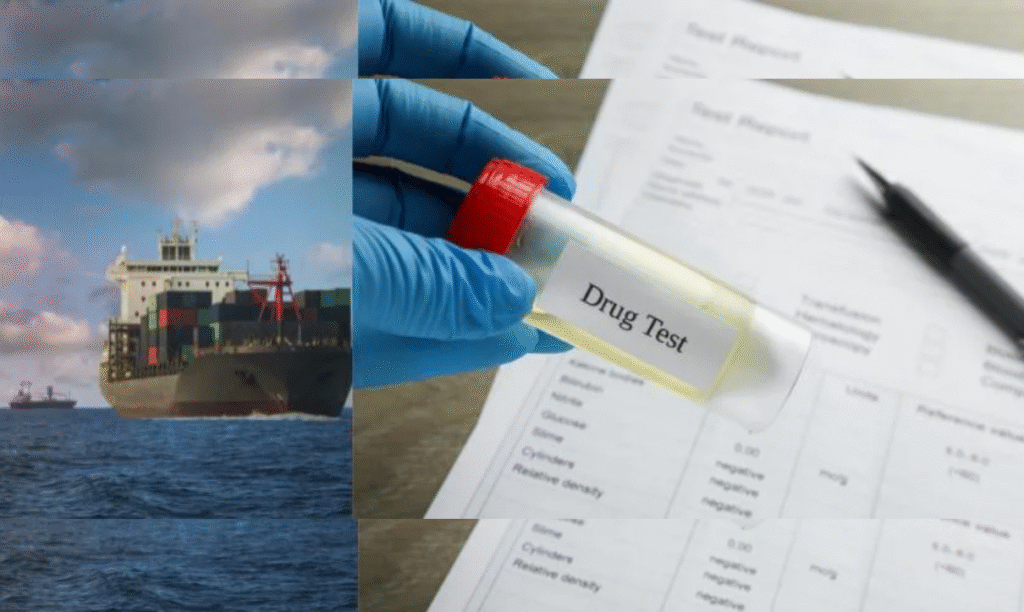
Future Trends in Screening and Hull Cleaning
Like hull cleaning technologies, Workplace Drug Screening is also changing. Innovations you’ll see in the next few years include:
- Less invasive sample collection methods
- Real-time compliance tracking and reporting
- Integration with wearable devices to identify impairment risks before incidents can occur
Rapid advances mean testing isn’t just a compliance box but a smart preventive measure akin to predictive maintenance in shipping. Also read about Surveyor’s role during hull cleaning operations.
Conclusion
Drug and alcohol testing protects people, boosts compliance, and secures long-term business resilience. Just as hull cleaning keeps a ship fast and efficient, thoughtful Workplace Drug Screening shields companies from hidden dangers and costly setbacks. Prioritize a safer, more compliant tomorrow by exploring expert resources like CleanShip.co.
FAQs:
Q1. Why is Workplace Drug Screening vital in high-safety jobs?
Workplace Drug Screening ensures all team members are alert, reliable, and fit, drastically reducing the risk of costly mistakes and promoting a safe environment.
Q2. How does screening impact maritime safety?
Drug testing deters crew substance misuse, aligning with IMO and MARPOL rules, promoting safer voyages, and protecting marine habitats.
Q3. Can Workplace Drug Screening boost efficiency?
Yes! Effective screening cuts down absenteeism and incidents, helping operations run smoothly, similar to keeping a ship’s hull clean for optimal speed and fuel use.
Q4. Is screening welcomed by employees?
When transparent policies are communicated and enforced fairly, most employees understand and accept screening as part of a supportive, safety-first culture.
Q5. How does testing help protect marine environments?
Screening prevents dangerous behaviors on board that could trigger environmental accidents, similar to how regular cleaning prevents harmful pollution.