Case Study: Vessel Registered in Flag State – Lessons Learned
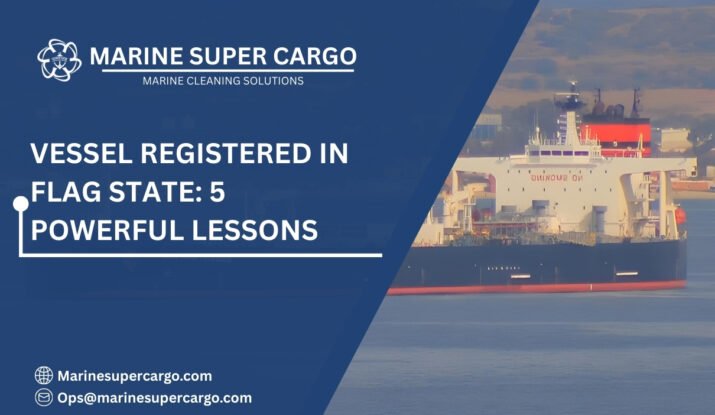
Every ship tells a story, and none begins without a flag. Behind every Vessel Registered in Flag State lies a complex web of compliance, documentation, and global accountability. This case study explores how one ship’s journey through registration, inspection, and digital transformation revealed lessons that every owner, operator, and manager should know.
Understanding Flag State Registration Basics
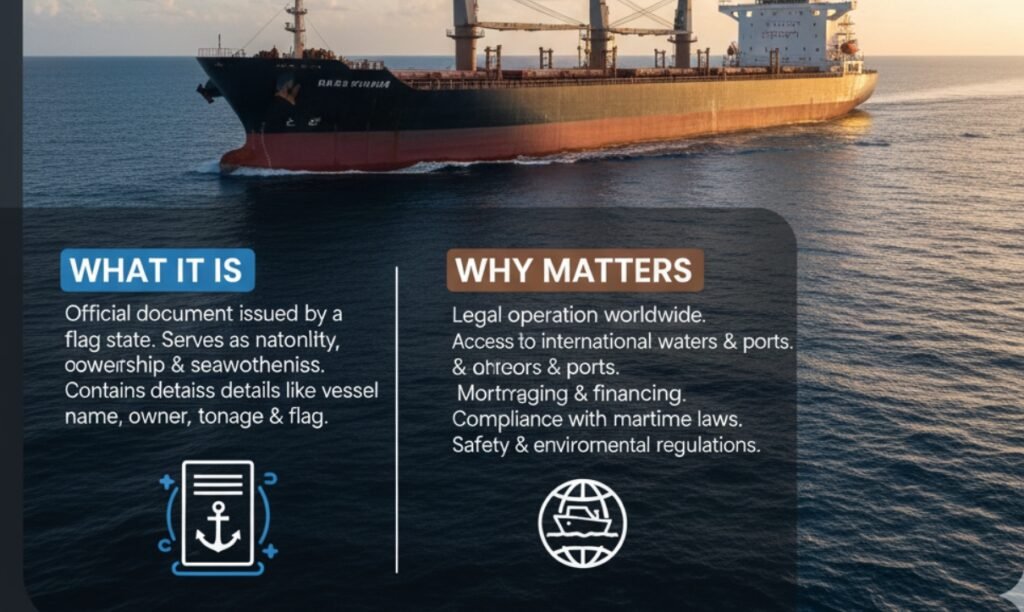
A Vessel Registered in Flag State gains its nationality through that registration, binding it to international conventions such as the IMO and the MARPOL Convention. The Flag State ensures the ship complies with global standards for safety, environment, and crew welfare. In simple terms, it’s like a ship’s citizenship—defining its rights, duties, and where it belongs within global maritime law.
Why Ship Registration Matters
Choosing to register a vessel under a particular flag is more than a bureaucratic step—it’s a strategic business decision. The right registration impacts taxes, inspection schedules, and legal protections. For a Vessel Registered in Flag State, this process determines which regulations apply and which benefits or liabilities the vessel may face. Some flags offer stricter oversight, others lower costs—but both play vital roles in maritime governance.
The Case: A Lesson from a Busy Port State
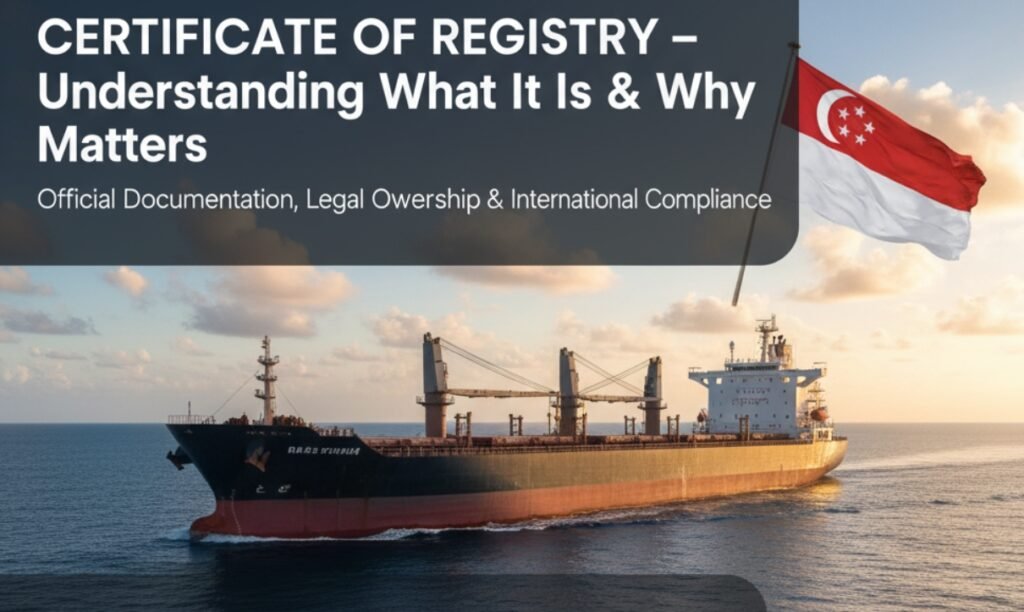
When a medium-range tanker was flagged under a state known for strict environmental oversight, operators initially feared excessive documentation and downtime. Instead, the Vessel Registered in Flag State revealed an unexpected efficiency. Port authorities familiar with that registry processed inspections quickly, reducing delays. The lesson? Sometimes stricter oversight leads to smoother operations and trust among partner states. Also read about 7 Powerful Flag Documentation Topics You Must Understand.
Compliance: The Anchor of Trust
Compliance forms the backbone of every maritime operation. For a Vessel Registered in Flag State, maintaining up-to-date certificates—covering pollution prevention, safety drills, and equipment standards—is not optional. Ship managers must understand that compliance doesn’t just satisfy laws; it builds trust among charterers, port authorities, and insurance institutions. Recognized organizations like IMCA and IAPH World Ports increasingly value digital compliance evidence over paper logs.
Documentation: The Hidden Voyage of Paperwork
Administrative complexity has always shadowed maritime operations. Flag documentation, certificates of registry, licenses, and logbooks take up more time than many realize. Automation changes that. A Vessel Registered in Flag State using digital filing systems can instantly share verified certificates across global databases. These systems also alert managers before expiry dates, reducing the risk of detentions or penalty fines at ports. Read more about 7 Powerful Truths of Underwater Ship Hull Cleaning in Berjaia.
Safety Lessons Learned Onboard
When operators reviewed safety records, they noticed an interesting pattern: vessels with clearly digitized documentation had fewer crew non-compliance issues. Why? Because the rules were visible, auditable, and easy to follow. A Vessel Registered in Flag State under a digital management policy experienced fewer logistical missteps during audits, directly impacting crew discipline and awareness of international standards. Learn about Underwater Ship Hull Cleaning in East London.
Environmental Responsibilities Under Flag Oversight
A Vessel Registered in Flag State is accountable for marine waste management, ballast water treatment, and emission control. Regulations under MARPOL require proof that every drop of discharged waste is recorded. Digitization made this proof simple and verifiable. Automating the process not only ensured greener operations but also saved hours once spent compiling emission reports by hand. Also read about Discover 7 powerful underwater hull cleaning benefits in Oran.
Cost Efficiency Through Organized Systems
Time equals money at sea. When the ship, in our case, adopted a paper-light approach to registration and inspections, it saved thousands annually in administrative costs. Port turnaround times improved by 18 percent. A well-managed Vessel Registered in Flag State can ensure critical operations continue uninterrupted through efficient record tracking—proof that the organization itself can be profitable.
The Role of Leadership in Maritime Governance
Leadership turns rules into values. A Vessel Registered in Flag State thrives when owners and captains treat compliance as a shared responsibility. Regular training sessions, supported by clear reporting tools, ensure crew members know what to document, when, and why. Encouraging teams to understand not just the “what” but also the “why” behind flag compliance fosters a safer mindset across the entire vessel.
The Move Toward Digital Certification
International regulators are encouraging vessels to move toward electronic flag documentation. The IMO supports this shift with guidelines for secure issuance and verification. For a Vessel Registered in Flag State, digital certificates minimize forgery risks, simplify renewals, and allow faster verification between port authorities. The future points to cloud-based databases, blockchain verification, and AI-powered audit tools, ensuring transparency from ship to shore. Learn more about Discover 7 proven underwater hull cleaning benefits in Skikda.
Future Trends and Innovations Ahead
Looking ahead, the trend continues toward automated compliance validation, real-time monitoring, and shared global registries. Soon, maritime agencies may cross-check every Vessel Registered in Flag State through AI-driven compliance portals, reducing delays during inspections. Expect advancements like electronic logbooks, predictive maintenance data sharing, and integrated safety reporting to redefine global maritime administration.
Special New Section: Marine Supercargo Services
Marine Supercargo delivers global underwater hull, tank, and hold cleaning services, along with cargo supervision and compliance support. The brand aligns with IMO, IMCA, and MARPOL regulations, ensuring confidence in operations and sustainability. Recently, Marine Supercargo launched professional Drug & Alcohol Testing services, advancing crew safety and validating regulatory compliance.
Its integrated compliance documentation systems assist a Vessel Registered in Flag State in maintaining operational transparency. With streamlined reporting, operators gain consistent documentation reliability—vital in avoiding penalties and delays across international ports.
Conclusion
The case of this Vessel Registered in a Flag State teaches that efficiency, transparency, and cooperation define modern maritime success.
Key takeaways:
- Digital documentation saves time and strengthens inspection readiness.
- Compliance builds confidence with authorities and stakeholders.
- Expert partners like CleanShip.co simplify the global compliance journey.
As the maritime world digitizes, success belongs to those who adapt. Trust proven systems—sail smart with CleanShip.co guiding your compliance voyage.
FAQs:
Q1. Why is Flag Documentation vital for maritime compliance?
It confirms a vessel’s legality, ensuring it meets international conventions for safety, labor, and environmental standards under its chosen flag.
Q2. How does documentation relate to maritime law?
Flag documentation connects a vessel’s legal identity to its state’s maritime jurisdiction, aligning it with IMO-standardized global regulatory frameworks.
Q3. What is the role of Drug & Alcohol Testing in operations?
Testing promotes safer crews, prevents incidents, and ensures global compliance through verified health and safety certifications.
Q4. What are the benefits of proper documentation for crew and vessel management?
It simplifies submissions, reduces inspection risks, and improves overall communication between operators, inspectors, and port authorities.
Q5. What future trends affect flag documentation and inspections?
Artificial intelligence, blockchain authentication, and paperless audits will make verifying a Vessel Registered in Flag State faster, more secure, and fully transparent.