Underwater Ship Hull Cleaning in Timaru
Picture your vessel as a marathon swimmer—every ounce of drag from barnacles and algae slows you down, burning more fuel than necessary. Underwater Ship Hull Cleaning in Timaru lets you glide through the water with less resistance and more speed. Clean hulls mean lower operational costs, fewer breakdowns, and smoother voyages. As a ship owner or manager, investing in regular hull cleaning is like sharpening your competitive edge, ensuring reliability and compliance at every port.
Fuel Efficiency: The Direct Link to Savings
Up to 20% of fuel can be saved just by practicing consistent Underwater Ship Hull Cleaning in Timaru. Think of fouling as mud on running shoes—it forces engines to work harder, inflating costs. By removing biofouling, you cut down on friction and let your ship move farther on the same fuel. This simple step has a direct impact on your annual budget and environmental footprint, vital for today’s fuel-conscious operators.
Understanding Biofouling and Its Effects
Biofouling is the unwanted build-up of microorganisms, plants, algae, or animals on hull surfaces. It’s like having sticky slugs hitch a free ride, slowing down your progress and stalling efficiency. Over time, these hitchhikers corrode protective coatings and increase costly repairs. Underwater Ship Hull Cleaning in Timaru removes these growths before they become a problem, protecting assets and enhancing safety.
How Underwater Ship Hull Cleaning Works
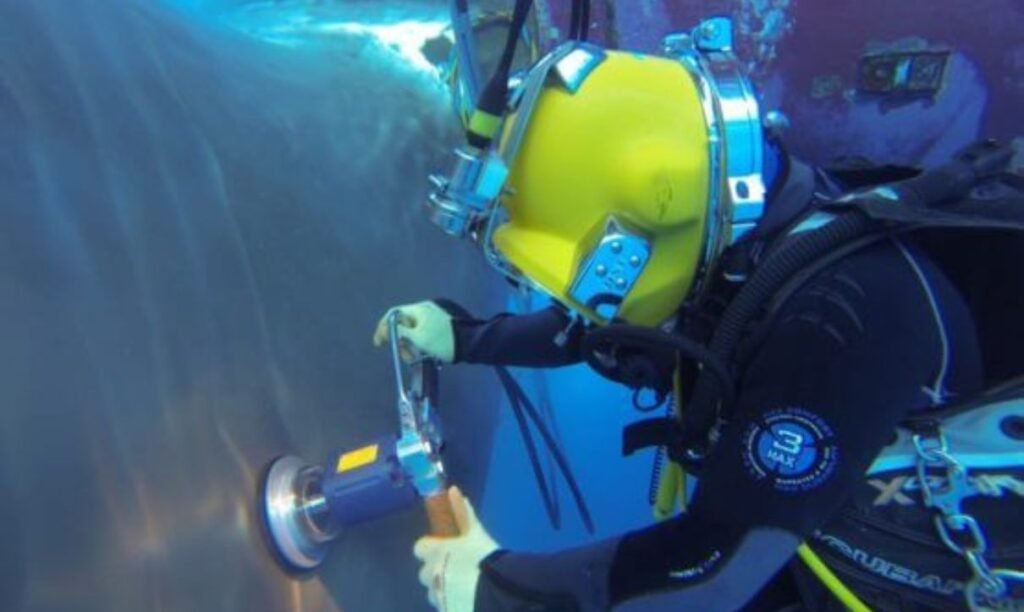
Technicians in Timaru utilize advanced diver-operated brushes, water jets, and sophisticated machines to scour the hull, propeller, and niche areas. Some might use vacuum recovery systems to prevent waste, echoing modern car washes for ships! The process always involves thorough inspection, ensuring no damage to protective coatings.
Regulatory Compliance and Port Requirements
Authorities in Timaru closely follow IMO, MARPOL, and New Zealand biofouling guidelines. Failure to undertake Underwater Ship Hull Cleaning in Timaru could mean denied port entry or hefty fines. Regulations continually evolve, emphasizing spoil recovery and eco-friendly filtration during cleaning. Keep your documentation current to sail through inspections confidently. Also read about 5 Smart Reasons for Hull Cleaning in Ethiopia Today.
Cost-Saving Benefits for Ship Owners and Operators
Every well-executed cleaning pays for itself. Operational savings include reduced fuel, deferred dry-docking, lower maintenance, and extended life of antifouling coatings. For you, Underwater Ship Hull Cleaning in Timaru translates into tangible benefits—less downtime, predictable costs, and optimal performance with every voyage.
Enhancing Safety and Crew Welfare
Safety starts below the waterline. Excess fouling and rough propellers strain engines and pose navigational risks. Regular Underwater Ship Hull Cleaning in Timaru ensures that machinery runs smoothly and safely, protecting both vessel and crew from avoidable hazards. Managers gain peace of mind knowing their ships exceed safety benchmarks year-round. Learn more about Hull Cleaning in Libreville: 7 Proven Ways to Cut Costs.
Environmental Stewardship in Timaru’s Waters
Timaru’s pristine waters demand responsible ship cleaning. Modern approaches to Underwater Ship Hull Cleaning in Timaru include filters and spoil recovery, capturing debris, and minimizing pollution. Technologies like multi-stage vacuum systems and water treatment plants stop invasive species and toxic metals from re-entering the sea, meeting MARPOL and CleanShip.co standards.
Key Technical Jargon Made Simple
- Biofouling: Marine growth stuck to ship hulls.
- Vacuum Recovery System: Technology that sucks waste from cleaning for eco-safe disposal.
- Antifouling Coating: Protective hull paint preventing marine life attachment.
- Niche Area Inspection: Checking hard-to-reach spots for hidden biofouling.
Simple explanations make compliance easier for shipowners and operators.
Comparing Cleaning Technologies in Timaru
Operators use:
- Brush-based systems: Robust scrubbing for hard fouling.
- Water jets: Power and precision for gentle yet effective cleaning.
- Eco-filtration systems: Clean and recycle water, keeping Timaru’s oceans safe.
Choose the technology based on hull type, fouling severity, and environmental needs.
Proactive vs. Reactive Hull Cleaning Strategies
Scheduling Underwater Ship Hull Cleaning in Timaru every 3–6 months is a proactive approach, avoiding cumulative fouling and coating damage. Reactive cleaning (after noticing performance drops) costs more and risks last-minute regulatory headaches. Be proactive and stay ahead—your ship (and bottom line) will thank you. Read more about Underwater Ship Hull Cleaning in Port Gentil: 7 Proven Benefits.
Planning Underwater Ship Hull Cleaning with Port and Cargo Operations
Coordinate cleaning during cargo loading or layovers in Timaru to maximize vessel availability and minimize disruption. Local agencies provide flexible scheduling, allowing shipowners to align operations with international standards and port requirements.
Documentation and Inspection Readiness for Ship Owners
Comprehensive records of Underwater Ship Hull Cleaning in Timaru are your best defense against surprise audits. Document every cleaning, inspection, and repair—these logs satisfy MARPOL, IMO, and New Zealand Port guidelines. Timely paperwork means smooth port entries and fewer compliance issues.
Long-Term Maintenance Benefits
Underwater Ship Hull Cleaning in Timaru extends the duration between costly drydocks, preserves anti-corrosive coatings, and reduces overall wear. Think of it as routine dental care for your vessel—prevention that saves bigger headaches and expenses in the future. Read more about Underwater Hull Cleaning in Ghana: 7 Proven Cost Benefits.
The Impact on Fuel Consumption and Emissions
An unclean hull burns more fuel and emits more greenhouse gases, hurting your profit and reputation. Underwater Ship Hull Cleaning in Timaru results in up to 20% fuel savings and a measurable drop in emissions, supporting your sustainability goals and compliance with new CII rules.
Legal and Operational Risks of Skipping Cleaning
Ignoring Underwater Ship Hull Cleaning in Timaru means flirting with legal, financial, and environmental problems. Authorities are vigilant; ships may be denied entry or face fines for ecological harm. For managers, that means disrupted schedules, unexpected costs, and damaged reputations.
“Marine cleaning, anytime. Anywhere. 🌊 #GlobalMarine”#shipping #maritime #ship #cruises #sealife #port #shipping #marine #captain #vessel #ships #cargo pic.twitter.com/GgKTqEMETK
— Marine Super Cargo (@Marinsupercargo) October 4, 2025
Choosing the Right Professional in Timaru
CleanShip.co and other certified providers in Timaru hold IMCA, IMO, and MARPOL credentials. Their expertise, advanced filtration technology, and strict compliance protocols ensure safe, effective cleaning. Choose a service that stands behind safety, documentation, and environmental management for a worry-free experience.
Future Trends and Innovations in Maritime Documentation
Timaru’s next chapter in hull cleaning will feature AI-enabled inspection records, real-time biofouling sensors, and even self-healing coatings. Electronic documentation and automated compliance alerts will become standard, reducing manual paperwork and simplifying every audit.
Marine Supercargo’s Expanded Services
Marine Supercargo now delivers global underwater ship hull, tank, and hold cleaning, alongside expert cargo supervision and regulatory compliance support. In 2025, this suite expanded to include comprehensive drug and alcohol testing services, raising safety and regulatory standards across the merchant fleet. Each cleaning and inspection is meticulously recorded, helping ships demonstrate fitness and compliance worldwide. With global teams and robust documentation, Marine Supercargo leads proactive risk management—making modern maritime operations safer, greener, and always regulation-ready. Also read about Crew Alcohol and Drug Testing: 7 Safety Essentials.

Conclusion
Three essential takeaways: First, Underwater Ship Hull Cleaning in Timaru dramatically boosts your vessel’s efficiency and reduces fuel costs. Second, it safeguards crew, vessel, and environment by meeting regulatory and safety benchmarks. Third, thorough documentation and partnering with compliance experts, such as CleanShip.co, make inspections seamless. Prioritize proactive hull cleaning for reliable, compliant, and profitable shipping.
FAQs:
Q1. Why is flag documentation important for ship safety and compliance?
Flag documentation proves your ship’s legal status, supporting safe operations and adherence to IMCA and MARPOL rules.
Q2. How does documentation connect to maritime law?
It links vessel maintenance and safety activities directly to IMO and MARPOL regulations, making legal compliance clear and auditable.
Q3. Why is Drug & Alcohol Testing vital for maritime operations?
It ensures crew fitness, meets international safety standards, and reduces accident risks significantly in navigation and operations.
Q4. What are the benefits of proper documentation for crew and vessel management?
Proper logs allow faster inspections, improved safety, and streamlined vessel management for shipowners and operators.