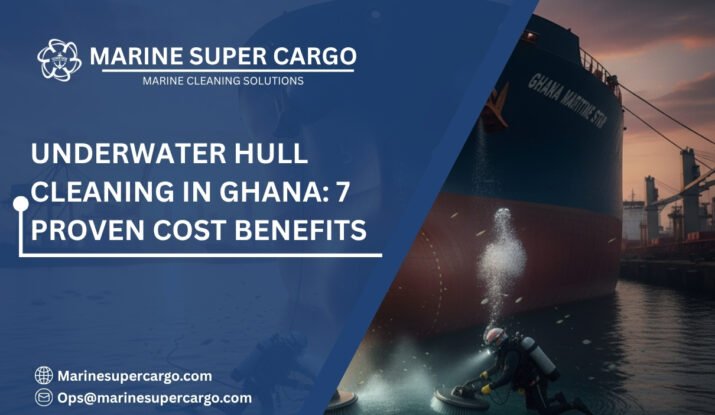
Underwater Ship Hull Cleaning in Port Gentil
Imagine your vessel slicing through water, unhindered by marine buildup—every journey efficient and smooth. Underwater ship hull cleaning in Port Gentil makes this possible. Over time, barnacles and algae cling to hulls, increasing drag and fuel use. In the warm waters of Port Gentil, this biofouling happens fast.
By investing in expert underwater hull cleaning, you protect your fleet’s speed, reduce emissions, and avoid costly dry docking. Skilled divers, advanced tools, and eco-conscious methods combine to deliver clean hulls and reliable performance. For forward-thinking shipowners, this service is the anchor of operational excellence.
Why Underwater Ship Hull Cleaning in Port Gentil Matters
With every nautical mile, your vessel’s hull accumulates unwanted passengers—marine life that creates resistance, slows your ship, and raises fuel bills. Underwater ship hull cleaning in Port Gentil addresses this head-on. Our region’s tropical waters mean growth is especially rapid, inviting the need for more frequent hull cleanings.
If left untreated, even thin biofouling layers can reduce fuel efficiency by 10% or more. Regular cleaning prevents this slowdown, translating to direct operational savings. For ships in global trade, maintaining a clean hull is vital not just for economics, but for obeying strict international regulations and staying competitive.
Environmental Compliance and Protection
Sustainability is no longer a buzzword but a necessity. Underwater ship hull cleaning in Port Gentil aligns your fleet with IMO and MARPOL Convention regulations that target marine pollution reduction and invasive species control. Clean hulls require less energy, which means fewer emissions are released into the air and ocean.
Advanced cleaning teams ensure that removed fouling is responsibly collected and disposed of, protecting local ecosystems. Each cleaning helps prevent the spread of non-native organisms between ports, safeguarding global biodiversity. Meeting these high standards demonstrates your commitment to a healthier planet and enhances your shipping reputation.
Underwater Cleaning Methods Explained
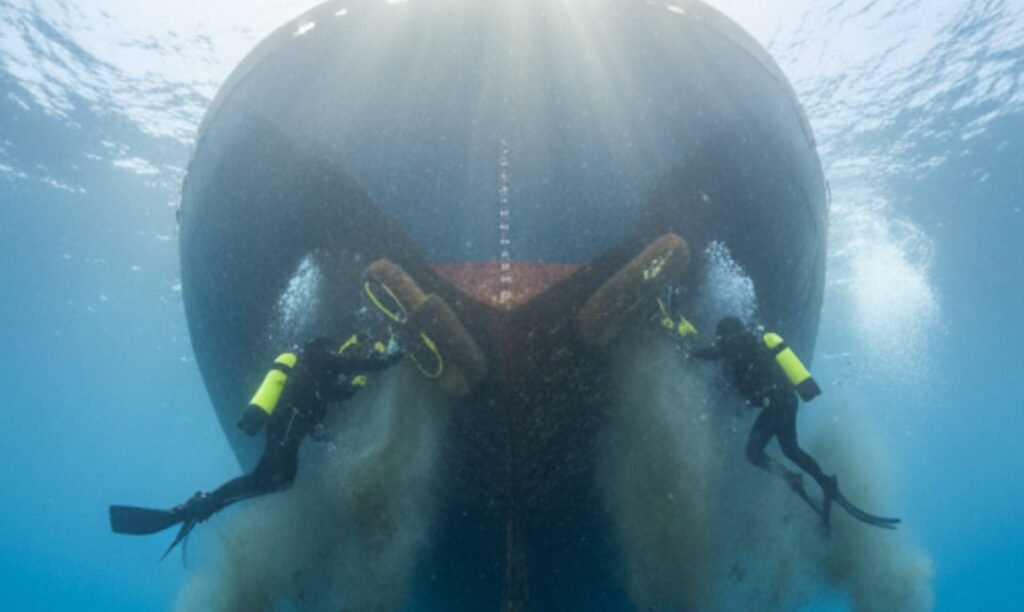
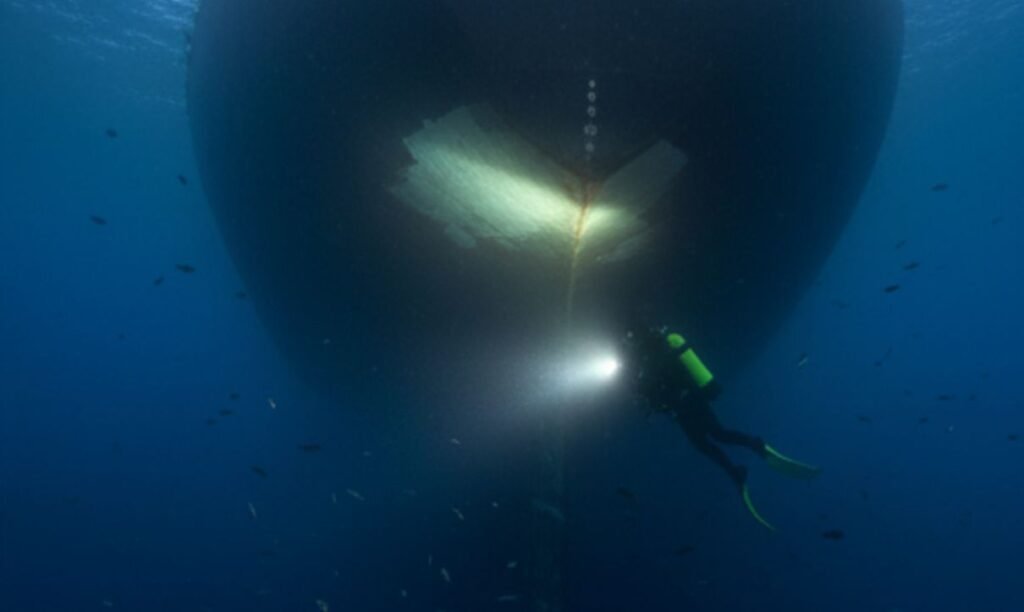
Professional underwater ship hull cleaning in Port Gentil utilizes both human skill and high-tech equipment. Divers use hydraulic brushes and rotating cleaning heads to dislodge stubborn barnacles while safeguarding anti-fouling coatings. Cavitation tools use microbubbles to gently lift debris without scratching the hull.
Increasingly, robotics is deployed for extended or high-risk operations, equipped with cameras and sensors for detailed inspections. The technique chosen depends on fouling level, paint type, and operational timetable. This hybrid approach ensures you receive thorough, precise, and damage-free cleaning every time, without interrupting vessel schedules for costly dry docks. Read more about Underwater ship hull cleaning in Libreville.
Cost-Effective Maintenance Strategies
Every extra tonne of fuel burned slices profit from your voyage. Underwater ship hull cleaning in Port Gentil is a direct countermeasure. By keeping your hull consistently clean, you minimize drag, lower fuel consumption, and maximize propulsion efficiency. Scheduled in-water cleaning extends the life of protective coatings and delays expensive dry-dock repairs.
CleanShip.co uses data-driven programs to help shipowners find the ideal cleaning frequencies for their fleet. Over a year, these strategies often save operators thousands in fuel and maintenance costs—proof that foresight and routine upkeep pay off handsomely for forward-thinking maritime teams.
“Marine cleaning, anytime. Anywhere. 🌊 #GlobalMarine”#shipping #maritime #ship #cruises #sealife #port #shipping #marine #captain #vessel #ships #cargo pic.twitter.com/GgKTqEMETK
— Marine Super Cargo (@Marinsupercargo) October 4, 2025
Safety Standards: Keeping Crews and Vessels Secure
Safety anchors every step in underwater ship hull cleaning in Port Gentil. Diving operations strictly follow global standards set by IMCA to protect teams from underwater hazards. All divers are trained in emergency response, surface communication, and equipment handling. Continuous monitoring and safety lines are standard procedures.
Proper waste disposal protocols ensure debris and polluted water never harm marine habitats. As inspections happen alongside cleaning, early warning signs of structural issues can be caught and resolved fast. For shipowners and operators, this seamless blend of safety, compliance, and efficiency is non-negotiable. Also read about Underwater Hull Cleaning in Gambia
Choosing Your Cleaning Partner
Selecting the right partner for underwater ship hull cleaning in Port Gentil is a decision that shapes your fleet’s efficiency. Trust only those providers certified by leading maritime bodies like IAPH and IMCA. Skilled teams offer transparent maintenance logs, pre- and post-cleaning reports, and guidance on future upkeep.
Experienced service providers balance environmental responsibility with technical know-how, handling bio-waste by the book. Reliable partners adapt to your vessel’s specific needs, recommend best practices, and ensure you never fail a compliance check. Making this strategic choice futureproofs your maritime operations. Also read about underwater ship hull cleaning in Moroni.
Marine Supercargo Expands Services: Drug & Alcohol Testing for Safer Seas
Marine Supercargo has taken another step in supporting safety by introducing Drug and Alcohol Testing for crews. Recognized worldwide for marine cleaning and logistics, Marine Supercargo’s new testing programs are available in parallel with underwater ship hull cleaning in Port Gentil. Drug and Alcohol Testing helps shipowners and managers uphold high safety standards, comply with IMO regulations, and shield their operations from accidents caused by impairment.
This integrated service strengthens the overall risk management for fleets, supports crew well-being, and provides data-driven evidence for audits and insurance. Coupling hull cleaning with onboard safety initiatives, Marine Supercargo enables shipowners to run compliant, efficient, and safer operations across the globe. Also, know about underwater ship hull cleaning in Mutsamudu.
Innovations Shaping the Future of Underwater Hull Cleaning
The future of underwater ship hull cleaning in Port Gentil leans heavily on clever technology. Robots now map and clean hulls with pinpoint accuracy, using AI to spot fouling trends before they slow you down. New eco-friendly coatings designed to resist marine attachment are gaining ground, slashing the need for frequent manual cleaning.
Predictive maintenance software draws from vessel movements, ocean currents, and previous fouling to suggest perfect cleaning intervals. Port Gentil’s progressive approach means early adoption of these tools, positioning shipowners here at the forefront of a greener, more cost-effective maritime industry. Read more about Underwater ship hull cleaning in Congo.
Training the Next Generation of Marine Technicians
Every successful underwater ship hull cleaning in Port Gentil relies on skilled technicians. Crew members complete intensive training in diving, safety management, and underwater robotics. They learn to navigate complex hull contours, recognize early signs of corrosion, and adapt methods to different coatings.
Reputable providers invest in ongoing education to keep teams updated with new technologies and regulatory shifts. In Port Gentil, collaborations with maritime institutes boost skills locally, creating a workforce that thrives on safety, efficiency, and environmental responsibility. A properly trained team is the unsung hero behind clean, compliant vessels. Learn more about Underwater ship hull cleaning in Djibouti.
Transparency and Documentation in Cleaning Operations
A professional approach to underwater ship hull cleaning in Port Gentil means meticulous documentation at every stage. Before any cleaning, teams assess fouling levels and hull conditions, using underwater cameras to create a baseline report. During the process, data is logged for quality assurance and compliance tracking.
Detailed post-cleaning reports are provided, featuring photographs and recommended maintenance intervals. Transparent records not only satisfy regulatory needs but also put valuable information in shipowners’ hands, helping them make smarter maintenance decisions and proving compliance in any audit or inspection scenario. Learn about Underwater ship hull cleaning in Egypt.
Conclusion
Underwater ship hull cleaning in Port Gentil is the keystone of efficient, compliant, and sustainable maritime operations. It saves money by improving fuel efficiency, supports environmental goals by preventing emissions and invasive species transfer, and maintains safety through international standards.
Choosing the right partner and schedule pays off for every voyage. If you want a streamlined, greener fleet, trust experts like those at CleanShip.co for regular, data-driven maintenance that keeps your ship—and your business—gliding ahead of the current.
FAQs:
Q1. How does underwater hull cleaning reduce running costs?
Removing marine growth decreases drag, improves fuel efficiency, and keeps engines working less. This means lower fuel bills and fewer breakdowns over time.
Q2. What are the main safety steps in underwater cleaning?
Certified divers follow IMCA standards, use safety lines, maintain constant communication, and perform real-time monitoring. These reduce risks during all underwater work.
Q3. Why is Drug and Alcohol Testing on ships important?
It ensures that all crew members are clear-headed, lowering accident risk. This supports insurance compliance and meets global maritime safety regulations.
Q4. How often should hulls be cleaned in Port Gentil?
Generally, every 6–12 months, depending on vessel activity, fouling level, and regulatory demands, especially in tropical environments like Port Gentil.
Q5. What tech advances are shaping hull cleaning?
Autonomous robots, AI-powered prediction tools, and eco-friendly hull coatings are making underwater ship hull cleaning in Port Gentil more effective and sustainable.