Underwater Ship Hull Cleaning in New Plymouth
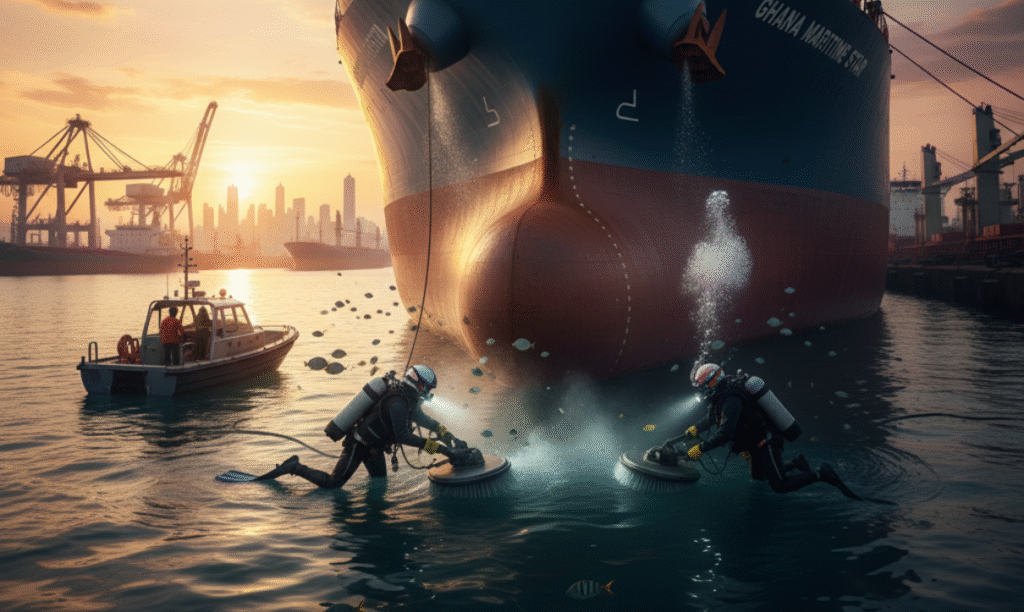
Underwater ship hull cleaning in New Plymouth is vital for maintaining vessel efficiency, safety, and compliance. Like a marathon runner shedding unnecessary weight, removing marine growth such as barnacles and algae reduces drag, boosts fuel efficiency, and lowers emissions.
Regular hull cleaning not only preserves the ship’s structural integrity but also prevents the spread of invasive marine species and ensures compliance with New Zealand’s strict maritime and environmental regulations. By investing in routine underwater maintenance, shipowners achieve smoother port operations, longer hull life, and sustainable cost savings while protecting the marine ecosystem.
Understanding Biofouling and Its Impacts
Biofouling is the buildup of aquatic organisms on the hull and niche areas. This natural process creates rough surfaces, causing resistance and increasing fuel burn. It also risks spreading invasive species to fragile marine ecosystems around New Plymouth. Cleaning removes this “marine coat,” lowering emissions, supporting MARPOL compliance, and mitigating environmental harm in line with IMO and MPI standards.
Methods Used in Underwater Ship Hull Cleaning in New Plymouth
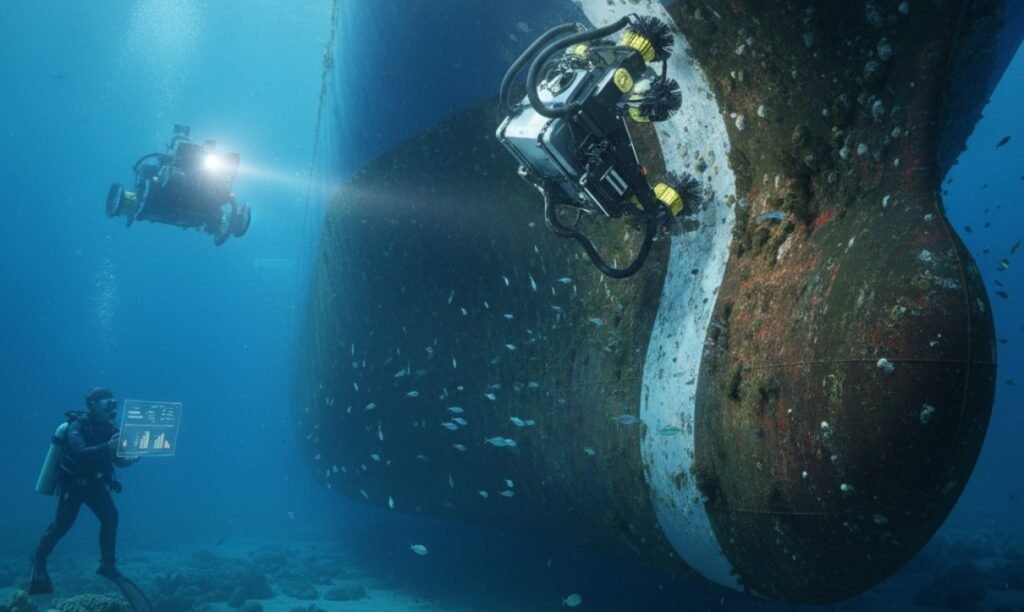
Underwater ship hull cleaning employs advanced techniques, including rotary brushes, water jets, and soft tools operated by divers or remotely controlled systems. Operators in New Plymouth ensure no damage to antifouling coatings while effectively clearing fouling. Some service providers use spoil recovery vacuum systems to trap fouling waste, aligning with strict environmental guidelines to minimize pollution and invasive species risks.
Regulatory Compliance Essentials
New Plymouth’s hull cleaning complies with IMO, MARPOL, and local MPI regulations, enforcing environmental protection and biosecurity. Approved cleaning methods and documented procedures prevent penalties or port entry denials. Updated records from cleaning activities are crucial for demonstrating compliance to charterers, brokers, and regulatory audits, supporting smooth maritime operations and maintaining trust.
Environmental Benefits of Cleaning Hulls
Cleaning hulls regularly reduces fuel consumption, thus lowering greenhouse gas emissions and carbon footprints. It limits the release and transfer of invasive marine species around New Plymouth’s ecosystem, safeguarding biodiversity. By capturing debris and hazardous particles during cleaning, operators minimize environmental impact, supporting local and international conservation standards as recommended by IAPH World Ports and CleanShip.co.
Substantial Cost-Saving Advantages
Biofouling increases fuel costs significantly by making vessels less hydrodynamic. Underwater ship hull cleaning in New Plymouth reduces fuel expenses, extends intervals between costly drydockings, and prevents port delays related to fouling non-compliance. Effective maintenance saves operators money and avoids unexpected downtime, ensuring vessels perform optimally during every voyage.
Enhancing Vessel Safety and Performance
A clean hull reduces risks like corrosion, propeller damage, and mechanical failures, enhancing overall vessel safety. Improved maneuverability also supports safe docking and transit. Regular hull cleaning protects your investment, reduces crew risks, and reassures charterers and brokers through documented maintenance practices.
Using Digital Tools for Underwater Ship Hull Cleaning in New Plymouth
Digital reporting platforms help shipowners and operators manage cleaning schedules, certification, and compliance documentation seamlessly. These tools provide charterers and brokers with real-time access to cleaning status and reports, increasing transparency and operational reliability and reducing administrative overhead in New Plymouth’s workflow.
Emerging Technologies Shaping Cleaning
Innovations such as robotic cleaners, AI inspections, and environmental capture systems are transforming underwater ship hull cleaning by improving precision and sustainability. These technologies reduce labor risks, enhance efficiency, and provide verifiable data for maritime compliance, positioning New Plymouth vessels at the forefront of green shipping practices.
The Role of MARPOL and IMO Conventions
International conventions like MARPOL mandate pollution controls and biosecurity safeguards that govern hull cleaning protocols. Compliance aligns cleaning activities with global standards, protecting New Plymouth waters and supporting sustainable shipping globally. These frameworks also guide operators in developing effective biofouling management plans.
Practical Cleaning Challenges and Solutions
Challenges include strong currents in New Plymouth harbors, limited cleaning windows, and protecting hull coatings. Skilled divers and state-of-the-art equipment counter these issues. Early planning and communication with port authorities ensure cleaning is timely, safe, and compliant without disrupting schedules.
Case Study: New Plymouth’s Success Story
Vessels servicing New Plymouth ports report improved fuel economy by up to 25% after underwater ship hull cleaning in New Plymouth. Regular maintenance has led to fewer inspection delays and enhanced compliance records, showcasing the operational and environmental benefits of committed underwater ship hull cleaning in New Plymouth, in the region.
“Marine cleaning, anytime. Anywhere. 🌊 #GlobalMarine”#shipping #maritime #ship #cruises #sealife #port #shipping #marine #captain #vessel #ships #cargo pic.twitter.com/GgKTqEMETK
— Marine Super Cargo (@Marinsupercargo) October 4, 2025
Introducing Marine Supercargo’s Expanded Services
Marine Supercargo now offers integrated underwater hull, tank, and hold cleaning globally, including New Plymouth, plus new Drug & Alcohol Testing for enhanced crew safety and regulatory compliance. Their comprehensive cargo supervision and maintenance services help streamline operations and meet stringent maritime standards without promotional bias.
Reporting and Communication Best Practices
Provide timely, clear, and documented updates on hull cleaning status to charterers and brokers. Use detailed reports with photographic evidence to enhance transparency and foster trust. Consistent communication supports compliance, risk mitigation, and efficient charter operations.
Aligning with Environmental Stewardship
Underwater ship hull cleaning in New Plymouth contributes directly to New Zealand’s marine biosecurity goals. By minimizing hull fouling and pollution, operators demonstrate commitment to ecological health, aligning with CleanShip.co’s standards and global environmental stewardship efforts.
Conclusion: Key Takeaways
Underwater ship hull cleaning in New Plymouth plays a vital role in maintaining vessel efficiency, reducing operational costs, and meeting international maritime regulations. Regular hull cleaning minimizes fuel consumption, prevents biofouling, and extends the vessel’s service life—directly impacting both performance and sustainability.
By adopting advanced Underwater ship hull cleaning in New Plymouth technologies and maintaining proactive communication with local authorities, shipowners can ensure safer, smoother, and more eco-friendly operations. For reliable, professional, and compliant underwater maintenance, CleanShip.co stands as a trusted partner, offering unmatched expertise and end-to-end maritime service excellence in New Plymouth and beyond.
FAQs:
Q1. Why is flag documentation important for ship safety?
Flag documentation confirms a vessel’s compliance with international safety regulations essential to protecting crew and cargo.
Q2. What key compliance topics does flag documentation cover?
It covers vessel registration, safety management, pollution prevention certificates, and crew qualifications aligned with maritime laws.
Q3. How is maritime law connected to documentation?
Documentation ensures vessels legally meet standards like MARPOL and IMO codes, necessary to avoid penalties and detentions.
Q4. What role does Drug & Alcohol Testing play in maritime safety?
It safeguards crew fitness, reducing the risk of incidents, aligning with international regulations for safe ship operations.
Q5. What are future trends in flag documentation and hull cleaning?
AI, blockchain, and robotic cleaning systems will automate compliance and maintenance, enhancing transparency and environmental protection.