
Underwater Ship Hull Cleaning in Lobito: The Complete Guide
Underwater Ship Hull Cleaning in Lobito has become a vital part of modern maritime operations. This coastal city in Angola, known for its deep-water port, serves as a major hub for international shipping. Over time, marine growth like algae and barnacles attaches to a vessel’s hull, causing drag and slowing the ship down.
This not only increases fuel costs but also leads to environmental inefficiencies. Through regular underwater ship hull cleaning in Lobito, vessels can maintain top performance while staying compliant with international standards. Let’s explore how this process transforms maritime maintenance and supports sustainable shipping practices.
Why Underwater Ship Hull Cleaning in Lobito Matters
Every ship that operates in Lobito’s tropical waters faces the same challenge—biofouling. This buildup of organisms on the hull increases water resistance, forcing engines to work harder. That means higher fuel consumption and carbon emissions. Regular underwater ship hull cleaning in Lobito helps eliminate these growths, restoring the hull’s smooth surface.
The result? Faster speed, lower costs, and cleaner seas. This practice also helps prevent the spread of invasive species between ports, supporting global efforts under the MARPOL Convention. In short, it’s not just maintenance—it’s a smart investment in efficiency and environmental responsibility.
Understanding Biofouling and Its Impact
Biofouling may seem harmless at first, but it’s one of the biggest hidden threats to ship performance. In Lobito’s nutrient-rich waters, microorganisms quickly settle on submerged surfaces, forming a sticky biofilm. This layer attracts larger marine life like barnacles, oysters, and mussels, creating drag and uneven pressure on the hull.
According to IMO, biofouling can increase fuel consumption by up to 40%. Underwater ship hull cleaning in Lobito tackles this issue directly, improving hydrodynamic efficiency and reducing harmful emissions. Clean hulls mean better performance, less strain on engines, and more sustainable shipping. Know more about underwater ship hull cleaning in Oran.
Techniques Used in Underwater Ship Hull Cleaning in Lobito
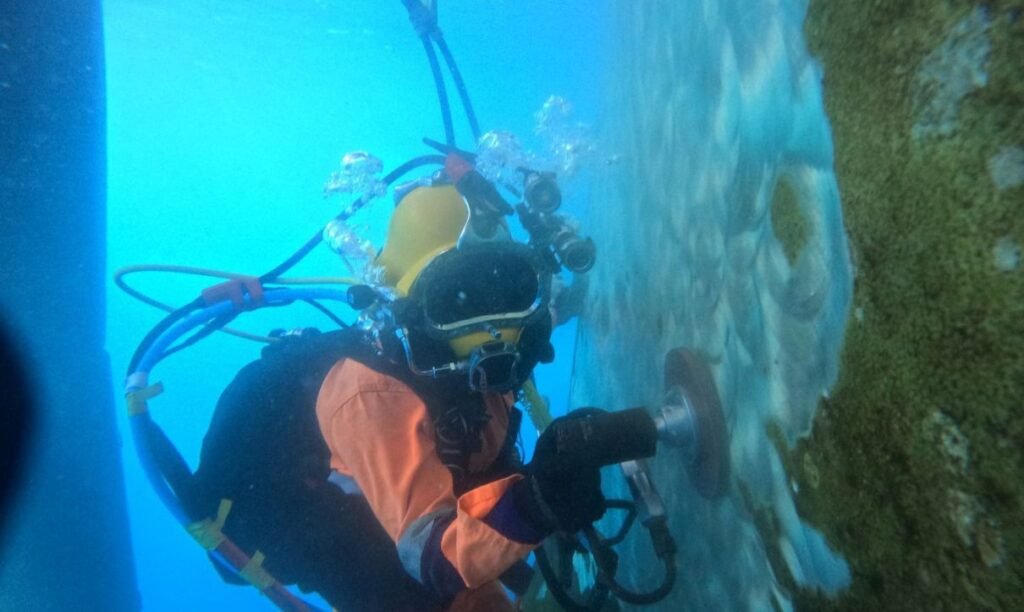
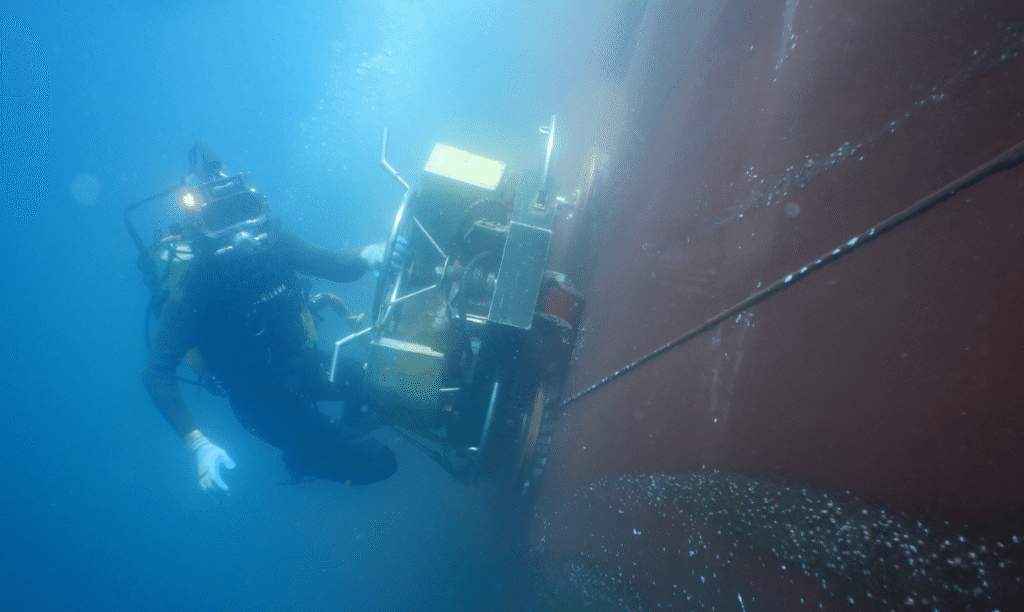
Underwater cleaning in Lobito combines skill, technology, and precision. Trained divers or remotely operated vehicles (ROVs) use rotating brushes, water jets, and suction tools to safely remove fouling without damaging hull coatings. The process is monitored in real-time using underwater cameras, ensuring thorough cleaning even in hard-to-reach areas.
For delicate antifouling paints, soft brushes are preferred to preserve coating integrity. This method allows vessels to undergo full maintenance while afloat, avoiding costly dry-docking. With modern underwater ship hull cleaning in Lobito, operators achieve faster turnaround times and maintain operational continuity without disrupting schedules. Read more about underwater ship hull cleaning in Algeria.
“Marine cleaning, anytime. Anywhere. 🌊 #GlobalMarine”#shipping #maritime #ship #cruises #sealife #port #shipping #marine #captain #vessel #ships #cargo pic.twitter.com/GgKTqEMETK
— Marine Super Cargo (@Marinsupercargo) October 4, 2025
Environmental Benefits of Hull Cleaning in Lobito
The environment plays a central role in every underwater cleaning operation. Uncontrolled cleaning can release harmful waste into the sea, but professional underwater ship hull cleaning in Lobito follows strict eco-friendly protocols. Advanced filtration systems capture removed organisms and debris before disposal.
This prevents pollution and the transfer of non-native species. According to IMCA, sustainable hull cleaning helps reduce the maritime industry’s carbon footprint significantly. In Lobito, companies now prioritize these green cleaning methods, aligning with global sustainability goals while maintaining port cleanliness and marine ecosystem balance. Learn more about underwater ship hull cleaning in Skikda
Compliance and Safety Standards
Every underwater ship hull cleaning in Lobito must adhere to strict compliance regulations. The MARPOL Convention and IMO guidelines mandate proper waste handling and environmental protection. Certified cleaning companies also follow IMCA safety codes to protect divers and the marine environment.
Documentation of cleaning operations, including before-and-after images and debris reports, is often required by authorities. These measures ensure transparency and accountability. Ship owners who choose compliant services avoid penalties while demonstrating commitment to environmental responsibility and international maritime safety standards—an essential factor in today’s shipping industry. Also read about ship hull cleaning in Algeria.
Cost-Effectiveness and Operational Efficiency
Underwater ship hull cleaning in Lobito offers impressive cost savings. A fouled hull increases fuel burn, leading to thousands of extra dollars in operational expenses per voyage. Regular cleaning can reduce this by 10–20%, improving profit margins. Moreover, maintaining a smooth hull decreases engine load, extending machinery lifespan.
The process also helps prevent unplanned maintenance or downtime, which can disrupt logistics. For ship owners and operators, routine cleaning isn’t just about cleanliness—it’s about financial control, efficiency, and maintaining a competitive edge in global trade. Clean hulls simply make better business sense. Also, know about underwater ship hull cleaning in Lobito.
Choosing the Right Cleaning Partner in Lobito
Selecting a trustworthy service provider is crucial for underwater ship hull cleaning in Lobito. Ship owners should look for companies with IMCA certification, skilled dive teams, and advanced equipment. Transparency in reporting, safety compliance, and environmental accountability should be top priorities.
Reliable providers also offer detailed inspection reports and video documentation to ensure full visibility of operations. Partnering with experts like CleanShip.co ensures vessels receive thorough, sustainable, and compliant cleaning services. Choosing the right partner builds confidence, reduces risks, and enhances operational reliability across every voyage. Also, know about underwater ship hull cleaning in Lobito.
Technological Advancements in Hull Cleaning
Technology is reshaping underwater ship hull cleaning in Lobito. Robotics, AI, and data analytics are transforming how fouling is detected and removed. Robotic cleaners equipped with high-resolution sensors can scan hull surfaces and clean efficiently with minimal diver involvement. Predictive maintenance systems also help ship operators plan cleaning schedules based on hull condition and voyage data.
These innovations reduce downtime, increase precision, and promote safety. As digital transformation continues, the future of hull cleaning in Lobito promises smarter, cleaner, and more cost-effective maritime operations powered by intelligent technologies.
Marine Supercargo Expands Services: Drug & Alcohol Testing for Safer Seas
Marine Supercargo, globally recognized for its marine maintenance expertise, has expanded its service portfolio to include Drug & Alcohol Testing for maritime crews. This initiative supports ship owners, operators, and managers in maintaining compliance with international maritime laws and ensuring crew safety.
Alcohol or drug impairment is a major cause of marine accidents, and early detection plays a key role in prevention. Marine Supercargo’s testing services align with IMO and IMCA standards, helping fleets operate safely and responsibly. This expansion reinforces the company’s dedication to building a safer, more accountable maritime industry where safety and performance go hand in hand.
The Future of Underwater Ship Hull Cleaning in Lobito
The future of underwater ship hull cleaning in Lobito is centered around sustainability and innovation. Self-cleaning hull coatings, autonomous robots, and AI-driven inspection tools are shaping the next generation of vessel maintenance. These technologies aim to reduce diver risk, minimize environmental disruption, and enhance efficiency.
As ports embrace stricter environmental controls, collaboration among ship owners, technology providers, and regulators becomes essential. Lobito, with its growing maritime infrastructure, is positioned to lead this change in West Africa. The evolution of underwater cleaning will continue to drive cleaner, greener, and more efficient shipping practices worldwide.
Conclusion
Underwater ship hull cleaning in Lobito is essential for reducing drag, improving fuel efficiency, and promoting eco-friendly maritime practices. It safeguards ship performance while ensuring compliance with global environmental standards.
By working with certified professionals and adopting sustainable cleaning technologies, you can enhance operational efficiency and extend your vessel’s life. To ensure your fleet stays clean, compliant, and efficient, trust experts like CleanShip.co—your partner in sustainable marine maintenance and safer seas.
FAQs:
Q1. Why is underwater ship hull cleaning in Lobito important?
It helps prevent biofouling, improves fuel efficiency, reduces emissions, and ensures compliance with international maritime standards and local regulations.
Q2. How often should hull cleaning be done?
Frequency depends on operating waters and hull coating, but ships generally benefit from cleaning every 6 to 12 months for optimal performance.
Q3. What are the environmental benefits of underwater hull cleaning?
Eco-friendly cleaning prevents the spread of invasive species and captures waste, aligning with MARPOL and IMO environmental protection policies.
Q4. How does technology improve underwater cleaning?
Modern systems use robotics, AI, and high-resolution imaging for efficient, precise, and safe cleaning without harming marine coatings or ecosystems.
Q5. What is Marine Supercargo’s Drug & Alcohol Testing service?
It ensures crew fitness, reduces accident risks, and helps vessels comply with maritime safety standards, promoting safer and more reliable operations.