Underwater Hull Cleaning in New York: Why it’s Essential for Your Vessel
Underwater hull cleaning in New York is like giving your ship a fresh suit underwater. Imagine trying to run a marathon with heavy boots on — that’s what marine growth does to your vessel, slowing it down and guzzling extra fuel. This article unpacks the vital role of regular hull cleaning in New York waters, focusing on compliance, cost-efficiency, safety, and environmental responsibility to help you steer your ship right in the bustling maritime landscape.
What is Underwater Hull Cleaning in New York?
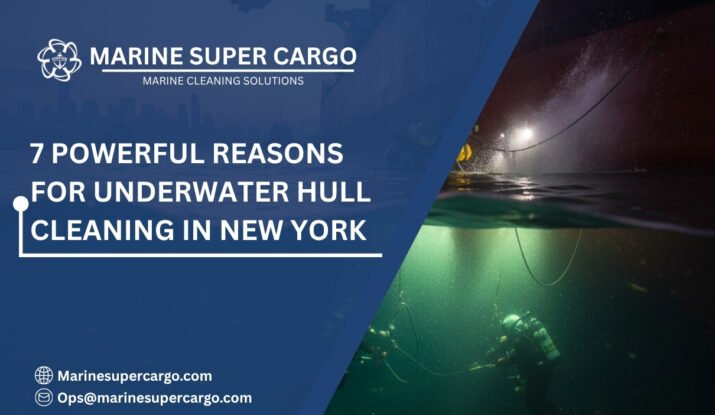
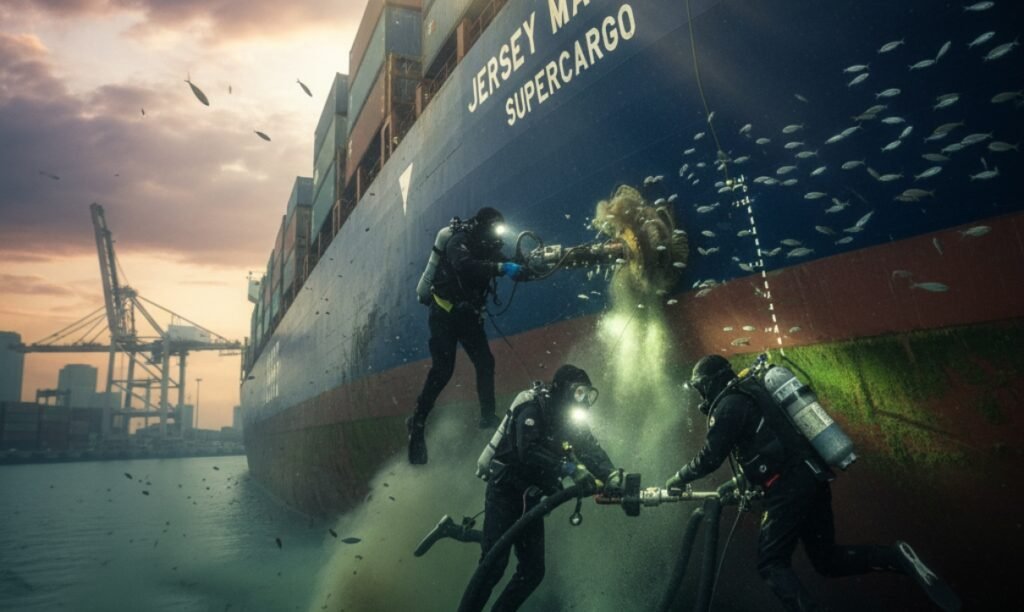
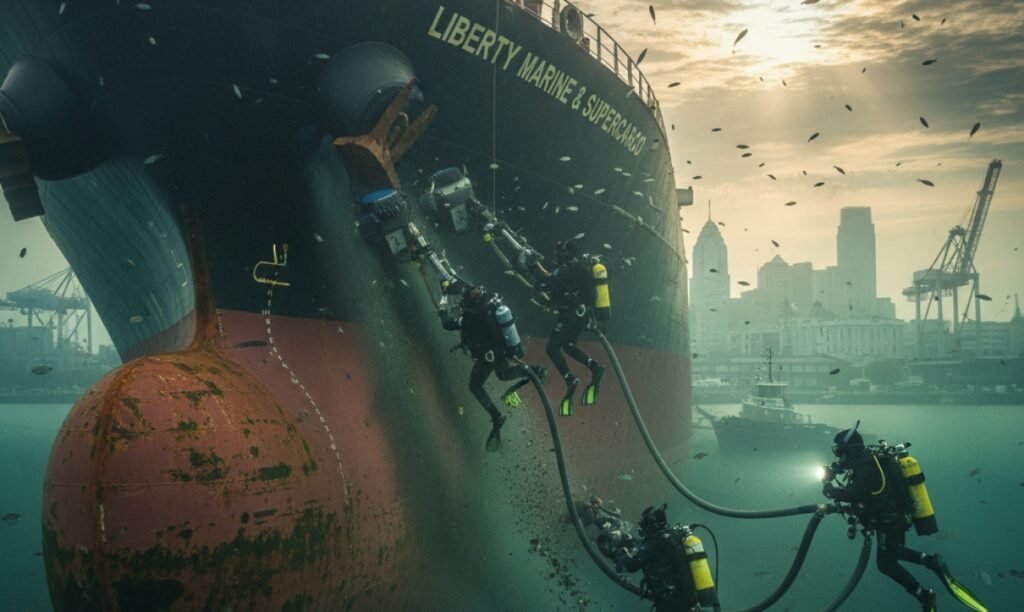
This involves the professional removal of barnacles, algae, and other marine growth clinging to your vessel’s submerged surfaces while it stays in the water. Using skilled divers or robotic systems, hull cleaning polishes the hull to reduce drag and improve fuel efficiency. It’s a critical maintenance practice, especially in the nutrient-rich waters of New York, ensuring your ship moves faster and burns less fuel.
Why New York’s Waters Demand Regular Cleaning
New York’s coastal and harbor waters accelerate biofouling due to high nutrient levels and busy shipping traffic. Left unchecked, this growth creates significant drag that slows vessels, hikes fuel consumption, and accelerates paint degradation. Regular underwater hull cleaning in New York is essential for optimal ship performance, cost savings, and environmental compliance.
Compliance and Regulatory Frameworks in New York
Underwater hull cleaning in New York must comply with local and federal laws, including EPA regulations and New York State Department of Environmental Conservation permits. Strict controls on waste containment and treatment are enforced to protect marine ecosystems. Adherence to IMO guidelines and MARPOL standards further ensures your operations are environmentally responsible and insulated from fines or delays.
Cost Savings Through Regular Underwater Hull Cleaning in New York
Ignoring hull cleaning can cost you dearly. Biofouling increases drag and fuel consumption by 10-40%, sharply raising operating expenses. Cleaning your hull underwater lengthens the life of antifouling coatings, reduces dry dock frequency, and cuts maintenance costs. It’s a proactive investment that pays for itself in fuel savings and reduced downtime in the competitive New York maritime market. Also read about 7 Powerful Benefits of Underwater Hull Cleaning in Boston.
Safety Improvements from Routine Hull Maintenance
A clean hull enhances navigation stability and vessel maneuverability, crucial in New York’s crowded port environment. Reduced biofouling lowers the risk of hull damage and potential breakdowns. Additionally, crew safety is prioritized through mandatory drug and alcohol testing for personnel involved in hull cleaning operations, aligning with U.S. Coast Guard and IMO safety standards.
“Marine cleaning, anytime. Anywhere. 🌊 #GlobalMarine”#shipping #maritime #ship #cruises #sealife #port #shipping #marine #captain #vessel #ships #cargo pic.twitter.com/GgKTqEMETK
— Marine Super Cargo (@Marinsupercargo) October 4, 2025
Innovations Shaping Underwater Hull Cleaning in New York Technology
The use of robotic cleaning technologies is on the rise in New York, featuring AI-driven systems with advanced debris capture capabilities that minimize environmental impact. These innovations enable efficient, safe cleaning without dry docking, supporting compliance with MARPOL and EPA regulations. Such modern approaches reduce downtime and operational costs, bringing competitive advantages.
Understanding the Challenge of Biofouling
Biofouling works like a stubborn layer of grime, increasing hull resistance and fuel burn. It also poses significant environmental risks by transferring invasive species between ports. Understanding this process highlights why sustained underwater hull cleaning in New York is not just maintenance but a critical environmental safeguard. Learn more about Hull Cleaning in Libreville: 7 Proven Ways to Cut Costs.
Eco-Friendly Cleaning and Environmental Responsibility
Sustainability is integral to hull cleaning practices in New York. Operators use biodegradable products and capture technologies to prevent pollution during cleaning. Compliance with MARPOL and New York environmental laws ensures protection of aquatic life, fostering long-term marine ecosystem health.
The Critical Role of Flag Documentation
Flag documentation serves as a vessel’s compliance record, detailing underwater hull cleaning events and other maintenance. It’s indispensable for successful inspections by port authorities and the U.S. Coast Guard, demonstrating adherence to environmental and safety regulations that protect your operational reputation.
How Maritime Law Relates to Hull Cleaning Documentation
Maritime law requires detailed documentation verifying your hull cleaning meets legal and environmental standards. It acts as proof of compliance during inspections, which helps avoid fines, delays, or detention. Maintaining accurate records is essential for smooth operations, insurance coverage, and regulatory adherence.
Drug and Alcohol Testing in Maritime Cleaning Operations
As part of regulatory compliance, drug and alcohol testing ensures crews engaged in underwater hull cleaning are fit for duty. This reduces the risk of accidents and aligns with IMO and U.S. Coast Guard protocols, fostering a culture of safety during demanding underwater maintenance tasks. Also read about Crew Alcohol and Drug Testing: 7 Safety Essentials.
Benefits of Documentation for Crew and Vessel Management
Proper documentation streamlines maintenance scheduling and crew accountability. It supports emergency response readiness and smooth communication with regulatory bodies and insurers, endorsing professionalism and operational transparency. Read more about Underwater Hull Cleaning in Ghana: 7 Proven Cost Benefits.
Future Trends: Digital and Automated Hull Documentation
The maritime industry is adopting digital systems such as AI inspection tools and blockchain for reliable, transparent record-keeping. These technologies enhance compliance efficiency, reduce paperwork errors, and allow real-time monitoring of hull conditions and crew safety.
Marine Supercargo’s Comprehensive Marine Services
Marine Supercargo provides global underwater hull, tank, and hold cleaning with expert cargo supervision and compliance support. Their new drug and alcohol testing services boost crew safety and reinforce adherence to maritime regulations, making them valued partners in modern shipping operations.
Selecting a Trusted Cleaning Service in New York
Choose providers accredited by IMCA and compliant with MARPOL and local environmental laws. Look for proven use of robotic cleaning with debris capture, thorough documentation, and adherence to permits. Such criteria ensure eco-friendly, effective hull cleaning.
Scheduling Underwater Hull Cleaning in New York for Peak Efficiency
Frequency varies by vessel and seawater conditions, but quarterly or biannual cleanings are typical in New York. Data-driven schedules prevent excessive biofouling and minimize downtime while ensuring regulatory compliance. Read more about Underwater Ship Hull Cleaning in Port Gentil: 7 Proven Benefits.
What to expect during Underwater Hull Cleaning in New York
Professional teams conduct thorough inspections, remove fouling with specialized tools, capture waste, and document the process. The cleaning is quick, non-invasive, and designed to preserve hull coatings and prevent environmental contamination.
Conclusion
Underwater hull cleaning in New York is key to cost savings, environmental compliance, and operational safety. Embracing innovative, eco-friendly practices and thorough documentation elevates your maritime operations. Partnering with CleanShip.co ensures you meet New York’s rigorous standards while safeguarding your vessel and crew.
FAQs:
Q1. Why is flag documentation important for ship safety?
It verifies your vessel complies with safety and environmental regulations, essential for passing inspections.
Q2. How does documentation connect with maritime law?
Documentation legally proves compliance, preventing fines, delays, or operational holds.
Q3. What role does drug and alcohol testing play?
Testing ensures that the crew performing underwater hull cleaning in New York is fit for duty, enhancing safety.
Q4. What are the benefits of proper documentation?
It supports scheduling, accountability, and effective communication with authorities and insurers.
Q5. What are the future trends in underwater hull cleaning in New York and documentation?
Digital innovations like AI, blockchain, and automated reporting improve compliance and efficiency.