Underwater Hull Cleaning in New Jersey: A Comprehensive Guide for Maritime Professionals
Underwater hull cleaning in New Jersey isn’t just routine maintenance—it’s your vessel’s lifeline in bustling coastal waters. Think of a ship’s hull as your marathon runner’s feet; every bit of sand or pebble slows performance, increases strain, and raises the risk of injury. Similarly, marine fouling acts like a drag, causing higher fuel consumption, reduced speeds, and greater regulatory scrutiny. In this guide, you’ll discover why underwater hull cleaning in New Jersey is critical for fleet owners, operators, and managers, exploring compliance, cost savings, safety, and environmental impacts.
What is Underwater Hull Cleaning in New Jersey?
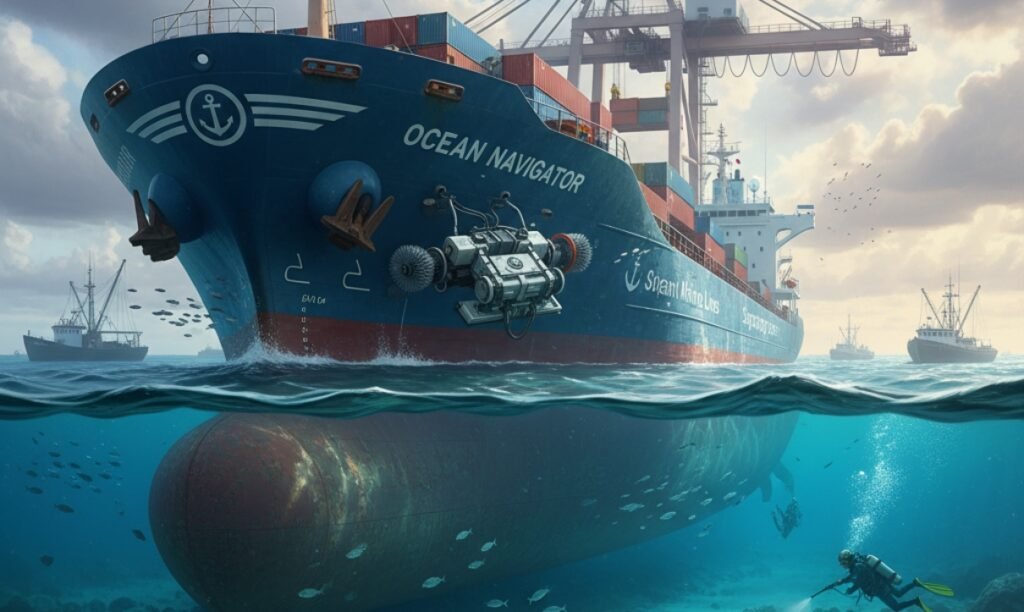
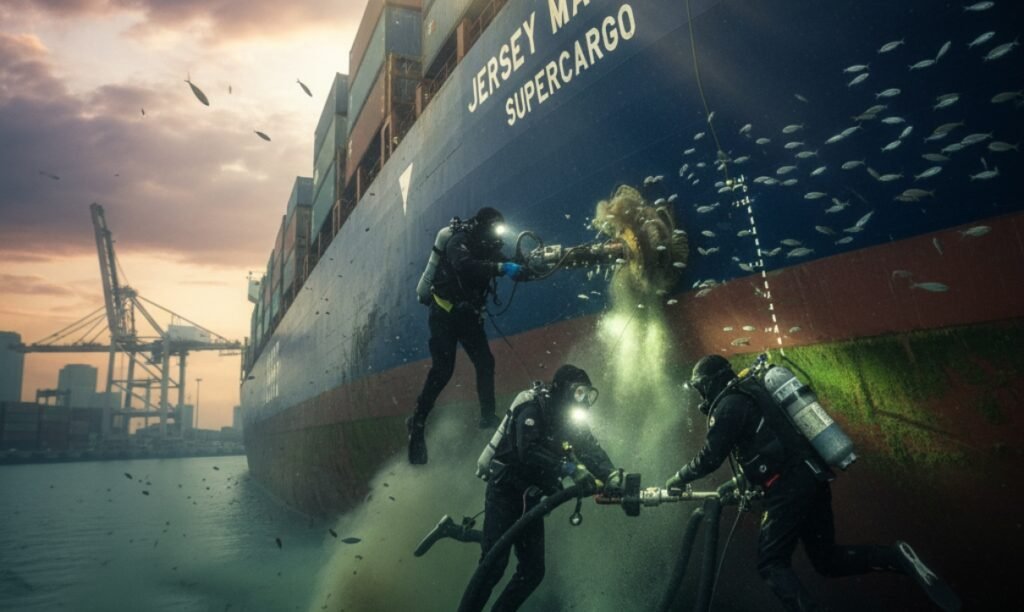
Underwater hull cleaning in New Jersey means removing marine growth—like barnacles and algae—from ship hulls while the vessel remains in water. This keeps your ship gliding smoothly, just as tire rotations and oil changes keep your car efficient. Teams use professional divers and robotics to tackle fouling, ensuring the hull’s surface stays optimal for performance. It’s essential for preventing excessive drag, minimizing fuel costs, and passing local regulatory checks.
Why Routine Cleaning is Critical in New Jersey Waters
New Jersey’s Atlantic coastline and busy ports see rapid marine growth, especially in summer. Left unchecked, this fouling can slash speeds and hike fuel costs. That’s why underwater hull cleaning in New Jersey is so popular with ship owners—it helps every vessel comply with regulations and maintain competitive operational costs. Plus, keeping hulls clean reduces the risk of invasive species crossing regions and harming the local ecosystem.
Regulatory Compliance: Following New Jersey’s Environmental Laws
Underwater hull cleaning in New Jersey is regulated by the NJ Department of Environmental Protection (NJDEP) and federal acts like the Clean Water Act. Specialized permits are often required for in-water cleaning. The NJDEP enforces waste management and pollution prevention plans to shield local waters from hull cleaning runoff, helping vessels stay eco-friendly and aboveboard with authorities. Adhering to these guidelines is a badge of professionalism for every operator.
Cost-Saving Benefits of Hull Cleaning
A clean hull offers dramatic savings. Biofouling can increase fuel use by 10–40%, meaning every dirty square foot of hull hits your wallet hard. Underwater hull cleaning in New Jersey pays for itself in lower fuel bills, extended paint life, and fewer dry dock visits. For owners and managers, these savings equate to a more profitable and predictable operation—critical in today’s competitive shipping markets. Also read about 7 Powerful Benefits of Underwater Hull Cleaning in Boston
Safety Advantages of Regular Underwater Hull Cleaning
Safety is paramount when operating in New Jersey’s busy shipping lanes. Underwater hull cleaning in New Jersey helps keep vessels stable and maneuverable, reducing accident risks around docks and wildlife. A well-maintained hull prevents unexpected breakdowns and enhances your crew’s safety while minimizing insurance claims. Regular cleaning also fosters a culture of technical excellence across your operations.
Innovations and Eco-Friendly Cleaning Solutions
Modern underwater hull cleaning in New Jersey increasingly uses eco-friendly solutions and robots. Advanced filtration systems and biodegradable products ensure compliance with NJDEP and IMO standards while protecting marine habitats. Innovative companies deploy robots that clean without damaging coatings or releasing waste, making hull cleaning safer, quicker, and greener than ever before.
“Marine cleaning, anytime. Anywhere. 🌊 #GlobalMarine”#shipping #maritime #ship #cruises #sealife #port #shipping #marine #captain #vessel #ships #cargo pic.twitter.com/GgKTqEMETK
— Marine Super Cargo (@Marinsupercargo) October 4, 2025
Understanding Biofouling and Its Impacts
Biofouling is the buildup of marine organisms that cling to your vessel’s hull. Picture seaweed on a swimmer—each strand slows progress and exhausts energy. For ships, this drag translates into lower speeds, higher emissions, and stiffer environmental penalties. Knowing the science behind biofouling underscores the critical role of underwater hull cleaning in New Jersey for every ship owner. Learn more about Hull Cleaning in Libreville: 7 Proven Ways to Cut Costs.
Environmental Sustainability and Best Practices
Sustainable underwater hull cleaning in New Jersey minimizes harm to local ecosystems and complies with MARPOL and NJDEP legislation. Responsible operators use low-impact paints and debris-collection technologies, recycling waste and protecting fragile habitats. Implementing a pollution prevention plan places your operation in good standing with regulators and community advocates.
The Role of Flag Documentation in Compliance
Flag documentation acts like your vessel’s passport, recording maintenance and regulatory status. Detailed records of underwater hull cleaning in New Jersey are vital for passing inspections by authorities like the US Coast Guard and NJDEP. Accurate documentation protects you from fines, ensures smooth port entries, and underpins your reputation for regulatory transparency. Read more about Underwater Ship Hull Cleaning in Port Gentil: 7 Proven Benefits.
Documentation and Maritime Law: Why it Matters
Maritime law demands rigorous documentation for every aspect of vessel operations, including hull cleaning. Each underwater hull cleaning in New Jersey should be logged to prove compliance with MARPOL, NJDEP, and insurer guidelines. Failing to document can lead to penalties or delays, so robust recordkeeping is an operator’s shield against liability.
Drug & Alcohol Testing: A New Standard in Maritime Operations
Recent regulations across US ports—including New Jersey—mandate drug and alcohol testing for crews involved in underwater hull cleaning. These checks safeguard against impaired judgment, improving crew safety and aligning with IMO, US Coast Guard, and MARPOL best practices. For operators, compliance means lower insurance costs and a stronger safety culture—all vital for competitive advantage. Also read about Crew Alcohol and Drug Testing: 7 Safety Essentials.
Crew and Vessel Benefits of Proper Documentation
Proper documentation streamlines every aspect of ship management. Underwater hull cleaning in New Jersey boosts accountability, supports efficient scheduling, and ensures timely regulatory compliance. These records are also invaluable in emergencies, supporting clear communication with port authorities and insurers. Crew members benefit from a safer, well-regulated workplace.
Future Trends: Digital Documentation & AI-Driven Inspections
Looking ahead, the future of underwater hull cleaning in New Jersey is digital. AI-powered systems can analyze hull conditions, automate maintenance scheduling, and log cleaning events seamlessly. Blockchain-based documentation will make regulatory checks faster and more reliable, ensuring vessels always meet inspection benchmarks and environmental standards.
Marine Supercargo: Expanding Global Marine Services
Marine Supercargo now offers global underwater hull, tank, and hold cleaning, expert cargo supervision, and compliance support. Their new Drug & Alcohol Testing service further enhances crew safety and meets evolving maritime regulations. This comprehensive approach combines technical expertise, innovation, and adherence to the strictest international standards for vessel management.
Selecting the Right Hull Cleaning Service in New Jersey
Choosing a hull cleaning provider in New Jersey requires careful vetting. Look for IMCA membership, MARPOL compliance, and eco-friendly credentials. Reliable businesses document every cleaning, use innovative equipment, and follow NJDEP permits and waste protocols. Investing in reputable services pays off in performance and compliance. Read more about Underwater Hull Cleaning in Ghana: 7 Proven Cost Benefits.
Scheduling Underwater Hull Cleaning for Maximum Efficiency
The optimal frequency of underwater hull cleaning in New Jersey depends on vessel type, operating area, and paint systems. Most owners schedule quarterly or biannual cleanings, adapting to local fouling rates and regulatory requirements. Data-driven planning reduces unnecessary costs and supports eco-friendly, efficient operations.
What Happens During Underwater Hull Cleaning
During underwater hull cleaning in New Jersey, professionals inspect the hull, identify biofouling, and use specialized tools underwater to remove buildup. Detailed logs and photos document the process, supporting regulatory compliance and maintenance planning. Quick, non-invasive routines keep downtime to a minimum while boosting operational safety.
Conclusion
Underwater hull cleaning in New Jersey is vital for reducing costs, boosting safety, and meeting stringent compliance standards. Operators should adopt innovative, eco-friendly technologies, maintain thorough documentation, and foster a safety-focused workplace. Trust in experienced providers like CleanShip.co ensures your fleet stays competitive and compliant in a changing maritime landscape.
FAQs:
Q1. Why is flag documentation vital for ship safety and compliance?
Flag documentation demonstrates regulatory compliance, ensuring safe vessel operation and facilitating smooth inspection processes.
Q2. How does documentation link with maritime law in New Jersey?
Documentation functions as legal evidence of compliance with federal and state maritime regulations, minimizing risks and penalties.
Q3. What’s the role of drug & alcohol testing in hull cleaning?
Testing guards against impaired operation ensures safety during complex cleaning tasks and ensures compliance with regulatory standards.
Q4. What are the management benefits of proper documentation?
Accurate records simplify crew scheduling, highlight maintenance needs, and ease communication with authorities and insurers.
Q5. What are the future trends for flag documentation and underwater hull cleaning?
Digital systems, blockchain records, and AI-driven inspections are enhancing efficiency, compliance, and sustainability for ship owners.