Underwater Hull Cleaning in Detroit: Essential Guide for Shipowners and Operators
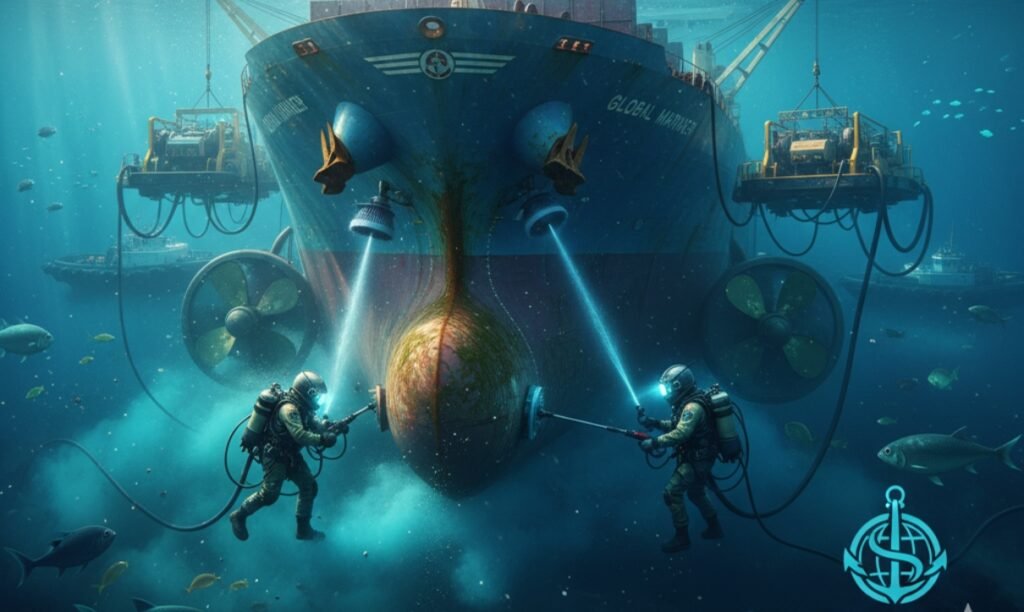
Underwater hull cleaning in Detroit is like giving your ship a fresh pair of shoes regularly. Over time, a buildup of barnacles, algae, and other marine growth acts like weights, slowing your vessel down and increasing fuel consumption. Regular cleaning removes this drag, preserving hull integrity and ensuring your ship operates safely and efficiently within Detroit’s maritime regulations.
Benefits of Regular Underwater Hull Cleaning in Detroit – Fuel Efficiency, Speed, Reduced Maintenance
Regular underwater hull cleaning in Detroit reduces drag, which leads to significant fuel savings—sometimes up to 40%. With less resistance, ships travel faster and experience less wear and tear on engines and hull coatings. This also lowers maintenance costs and extends intervals between costly dry-docking, making it an effective investment for operational longevity and profitability.
Environmental Advantages of Eco-Friendly Cleaning – MARPOL and Local Compliance
Eco-friendly underwater hull cleaning methods in Detroit align with MARPOL and local environmental laws, protecting the Great Lakes and surrounding ecosystems. These techniques minimize pollution and prevent invasive species dissemination by capturing and cleaning debris and using non-toxic agents. Compliance with these standards also prevents fines and supports your environmental stewardship commitment.
Professional Underwater Hull Cleaning in Detroit
Cost Savings Through Underwater Hull Cleaning in Detroit – Reduced Fuel and Dry-Docking Costs
Consistent hull cleaning lowers fuel usage and extends the life of the hull’s protective coatings. Reducing biofouling also decreases the frequency and expenses related to dry-docking procedures. Together, these factors significantly lower operating costs, allowing shipping companies in Detroit to enhance their competitive edge and increase profitability.
Hull Biofouling Prevention Techniques – Anti-Fouling Coatings and Best Practices
Anti-fouling coatings act as a barrier against marine growth. Applying and maintaining these coatings on Detroit ships helps reduce the buildup between cleaning sessions. Combined with timely underwater hull cleaning, this layered approach effectively controls fouling and maintains vessel performance while adhering to environmental compliance. Also read about 7 Powerful Benefits of Underwater Hull Cleaning in Boston.
Robotic Underwater Hull Cleaning in Detroit Innovations – Using ROVs and Automated Cleaning Systems
Robotic hull cleaning solutions using ROVs provide efficient, detailed cleaning without risking diver safety. They operate autonomously and can reach hard-to-access areas. These systems facilitate eco-conscious cleaning by collecting waste during operations and allow prompt maintenance, ideal for Detroit’s busy shipping schedule.
Manual vs Mechanical Cleaning – Pros, Cons, and Safety Considerations
Manual cleaning offers meticulousness with diver inspections, but through inherent safety risks and longer durations. Mechanical cleaning, including robotic and high-pressure jet methods, increases speed and safety but must be carefully managed to prevent hull damage. In Detroit, balancing both methods optimizes cleaning quality, safety, and operational efficiency.
Inspection and Maintenance Integration – Combining Cleaning with Surveys
Combining inspection with cleaning in Detroit ensures early detection of hull damage like corrosion or coating failures. This proactive strategy reduces sudden repairs and aligns with regulatory requirements, keeping vessels compliant and operationally sound. Learn more about Learn more about the Top 7 Benefits of Underwater Ship Hull Cleaning in Jersey.
Scheduling Underwater Hull Cleaning in Detroit – Frequency Based on Vessel Type and Waters
Cleaning schedules in Detroit depend on vessel type and environmental conditions. Cargo ships and ferries may need cleaning every 3–6 months, while recreational vessels have longer intervals. Monitoring biofouling growth and fuel consumption helps optimize schedules for cost-effective maintenance.
Underwater Hull Cleaning in Detroit Regulations – IMO, MARPOL, and Local Port Rules
Hull cleaning activities in Detroit comply with international IMO and MARPOL standards, plus local port and environmental authority regulations. These frameworks govern cleaning methods, waste disposal, and invasive species control. Adhering to these ensures safe, legal operations and avoids port penalties.
Crew Safety During Cleaning Operations – Diver Protocols and Risk Management
Crew safety during hull cleaning is paramount in Detroit. Enhanced diver protocols, constant communication, and risk analysis mitigate hazards such as entanglement and decompression sickness. Mechanical and robotic technologies further improve safety by reducing human exposure to underwater risks.
Hull Cleaning in Cold vs Warm Waters – Regional Differences and Challenges
Detroit’s freshwater environment, with colder temperatures than tropical oceans, affects biofouling growth rates and requires tailored cleaning protocols. Seasonal fluctuations necessitate adaptive scheduling to ensure consistent hull performance throughout the year.
Technology in Hull Cleaning – Sensors, AI, and Real-Time Monitoring
Advanced sensors and AI-driven analytics enable Detroit operators to monitor hull conditions in real-time, predicting optimal cleaning intervals and preventing fuel inefficiencies. This technology ensures maintenance is timely and cost-effective while maintaining compliance. Read more about 7 Powerful Benefits of Underwater Hull Cleaning in Philadelphia.
Documentation and Compliance Support – Linking Cleaning with Flag Documentation
Detailed documentation of hull cleaning activities supports the flag state’s compliance with Detroit ships. Comprehensive records facilitate inspections and demonstrate adherence to environmental and safety regulations, fostering trust with regulators and port authorities.
Fuel Efficiency Case Studies – Real-World Examples of Savings Post-Cleaning
Studies show vessels cleaned regularly in Detroit achieve up to 40% reductions in fuel consumption, faster transit times, and extended hull coating effectiveness. This data underscores the significant ROI and environmental benefits of disciplined underwater hull cleaning programs.
Port-Specific Cleaning Guidelines – Rules in New Plymouth, Tacoma, and Columbus.
Vessels operating in Detroit must adapt their cleaning practices to meet unique port regulations elsewhere. Understanding these local and international variations helps maintain compliance and smooth port clearances across regions.
Drug & Alcohol Testing for Crews – Ensuring Safety During Hull Operations
Detroit mandates strict drug and alcohol testing for hull cleaning crews to ensure safety during high-risk underwater operations. Regular screening reduces incidents, ensures alertness, and complies with maritime safety protocols. Also read about Crew Alcohol and Drug Testing: 7 Safety Essentials.
Future Trends in Hull Cleaning – Smart Cleaning, Eco-Innovation, and Predictive Maintenance
Underwater hull cleaning in Detroit is moving towards robotic automation, eco-friendly cleaning solutions, and AI-powered predictive maintenance. These innovations promise more efficient, safer, and environmentally responsible vessel upkeep, preparing the industry for future challenges.
Marine Supercargo Special Section
Marine Supercargo offers comprehensive underwater hull, tank, and hold cleaning services worldwide. Their cargo supervision and compliance expertise are complemented by new professional Drug & Alcohol Testing services, enhancing crew safety and meeting maritime regulatory demands. Their holistic approach supports vessel performance and regulatory adherence reliably.
Underwater Hull Cleaning in Detroit: Key Benefits
Conclusion
Underwater hull cleaning in Detroit is a strategic necessity for fuel efficiency, cost savings, and regulatory compliance. Routine cleaning prevents drag-related fuel waste, reduces maintenance costs, and supports environmental regulations. By leveraging advanced technologies and prioritizing crew safety, Detroit’s operators ensure sustainable and profitable shipping. For trusted maritime services and compliance, CleanShip.co remains the top choice.
FAQs:
Q1. Why is underwater hull cleaning in Detroit important?
It reduces drag, saves fuel, prevents corrosion, and ensures vessels comply with environmental laws vital for operational success.
Q2. What is included in flag documentation?
Comprehensive logs of hull cleaning, inspections, crew certifications, and maintenance, critical for compliance and audits.
Q3. How does documentation support maritime law?
Documentation provides legal proof of compliance, easing inspections, port entry, and reducing fines or detentions.
Q4. What role does Drug & Alcohol Testing play during hull cleaning?
Testing maintains crew alertness and safety, minimizing risk during hazardous underwater and mechanical operations.
Q5. What future trends impact flag documentation and vessel inspection?
Digital records, AI analytics, real-time monitoring, and integrated reporting streamline compliance and maintenance.