

Ship Hull Cleaning in Lobito: The Complete Guide
Ship Hull Cleaning in Lobito is more than just maintenance—it’s a critical operation that keeps your vessel efficient, compliant, and environmentally safe. Located on Angola’s coast, Lobito is a vital maritime hub where ships undergo cleaning to remove biofouling—the unwanted buildup of marine organisms on hulls.
This buildup can drastically increase drag and fuel consumption. Regular cleaning helps vessels move smoothly, save costs, and maintain environmental balance. In this guide, we’ll explore why hull cleaning matters, the techniques used, environmental rules, and how services like CleanShip.co ensure your vessel sails cleaner, faster, and safer across global waters.
The Importance of Ship Hull Cleaning in Lobito
Lobito’s busy port attracts vessels from around the world, making Ship Hull Cleaning in Lobito essential. Over time, marine growth such as algae, barnacles, and mussels sticks to hulls, increasing drag and slowing ships down. This reduces efficiency and increases fuel use. Regular cleaning ensures smoother operations, better speed, and lower emissions.
According to the International Maritime Organization (IMO), a fouled hull can increase fuel consumption by up to 40%. By maintaining a clean hull, ship owners protect their profits and the planet. Lobito’s marine cleaning professionals follow global standards, ensuring every cleaning operation supports both economic and environmental goals. Know more about underwater ship hull cleaning in Oran.
How Marine Fouling Impacts Ship Performance
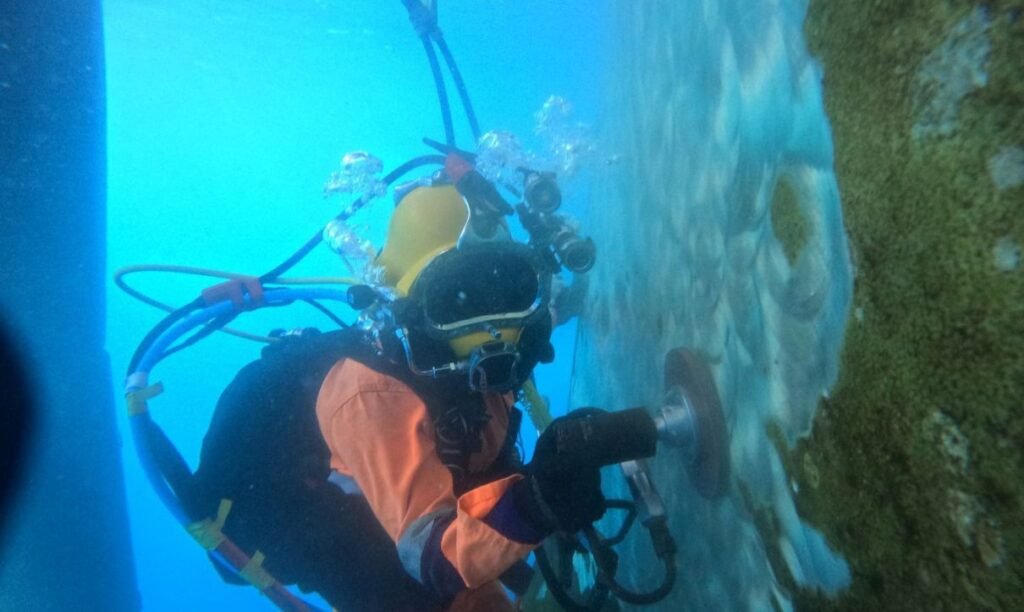
Marine fouling is like a heavy coat dragging your vessel down. When a ship’s hull accumulates organisms, resistance in water increases. This resistance forces engines to work harder, burning more fuel and creating higher emissions. For example, a thin layer of slime can reduce fuel efficiency by nearly 10%.
The impact goes beyond cost—it affects scheduling, carbon output, and long-term vessel health. Ship Hull Cleaning in Lobito helps counteract this by removing all traces of fouling before it damages paint layers or corrodes metal surfaces. Regular maintenance ensures vessels glide effortlessly, improving both speed and sustainability. Read more about underwater ship hull cleaning in Algeria.
Techniques Used in Ship Hull Cleaning in Lobito
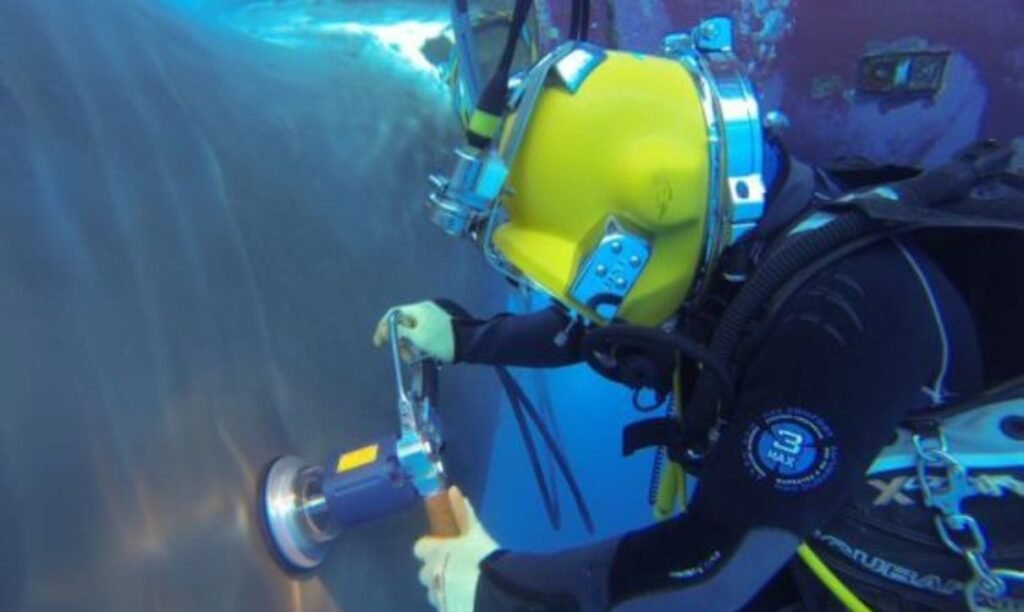
Ship Hull Cleaning in Lobito employs advanced underwater cleaning techniques using high-pressure brushes, hydraulic tools, and eco-friendly cleaning systems. Divers, often certified by the International Marine Contractors Association, use remotely operated vehicles (ROVs) for hard-to-reach areas. Modern systems include suction filtration that captures debris to prevent pollution.
Some vessels also use robotic hull cleaners that operate autonomously, minimizing diver risk and downtime. Whether it’s mechanical scrubbing or high-pressure water jets, the focus remains on efficiency, safety, and environmental responsibility. Each cleaning is tailored to vessel size, fouling type, and paint coating condition. Learn more about underwater ship hull cleaning in Skikda
Environmental Regulations and Compliance Standards
Compliance is at the heart of Ship Hull Cleaning in Lobito. Global organizations like IMO and the MARPOL Convention enforce strict rules to prevent biofouling waste from entering marine ecosystems. MARPOL Annex V, for instance, prohibits the discharge of cleaning debris into the sea. Companies follow these guidelines, using containment systems and approved disposal methods.
Lobito’s port authorities ensure that all underwater cleaning is documented and reported, promoting transparency and accountability. These regulations are not just formalities—they protect biodiversity, prevent invasive species transfer, and align ship operations with global sustainability initiatives.
Economic Advantages of Regular Hull Cleaning
Regular Ship Hull Cleaning in Lobito offers tangible economic rewards. A clean hull significantly reduces drag, meaning ships require less power and fuel to maintain cruising speed. This leads to fuel savings of up to 20%, according to maritime studies. Moreover, less engine strain translates into lower maintenance costs and longer equipment life.
For shipping companies managing tight schedules, reduced fuel consumption and downtime directly improve profitability. Regular hull cleaning also boosts charter rates, as operators prefer vessels that demonstrate efficiency and regulatory compliance. Ultimately, it’s an investment that pays back many times over. Also read about ship hull cleaning in Algeria.
How Hull Cleaning Reduces Carbon Emissions
Ship Hull Cleaning in Lobito contributes to global decarbonization efforts by cutting greenhouse gas emissions. A clean hull reduces drag, allowing vessels to operate at optimal speeds with less fuel. Since fuel combustion is the main source of carbon emissions in shipping, even minor efficiency improvements can yield major environmental benefits.
The International Chamber of Shipping estimates that effective biofouling control can reduce global shipping CO₂ emissions by millions of tons annually. Lobito’s cleaning operations play a vital role in this mission, promoting cleaner oceans and aligning with IMO’s goal of reducing emissions by 50% by 2050.
Safety and Efficiency in Underwater Cleaning Operations
Safety is a top priority in Ship Hull Cleaning in Lobito. Every underwater operation follows strict protocols under IMCA and IAPH guidelines. Divers undergo specialized training and use high-quality equipment for precise cleaning, even in low visibility. Teams maintain constant communication with surface supervisors to ensure a quick response in emergencies.
Additionally, pressure and depth limits are carefully monitored to protect the diver’s health. Efficiency is equally critical—modern technologies like ROVs reduce human risk and enhance accuracy. This blend of safety and innovation ensures that cleaning operations in Lobito are both effective and secure for every vessel. Also, know about underwater ship hull cleaning in Lobito.
Marine Supercargo Expands Services: Drug & Alcohol Testing for Safer Seas
Marine Supercargo, globally known for marine cleaning and underwater services, has recently expanded its operations to include professional drug & alcohol testing for maritime crews. This initiative strengthens global efforts toward safer, more responsible shipping. Crew impairment due to substance use can lead to serious accidents, environmental harm, and non-compliance with IMO safety standards.
With this new testing service, ship owners and managers can ensure a sober, alert, and efficient workforce. These services also help maintain compliance with international maritime laws and reduce insurance risks. Marine Supercargo’s initiative reflects a broader commitment to promoting health, safety, and integrity at sea, alongside top-tier marine cleaning solutions.
Future Trends in Ship Hull Cleaning in Lobito
The future of Ship Hull Cleaning in Lobito is increasingly automated and eco-conscious. Innovations like magnetic ROV cleaners, ultrasonic anti-fouling systems, and AI-based fouling detection are redefining efficiency. These technologies minimize downtime, human risk, and waste discharge. Green cleaning agents are replacing chemicals to meet MARPOL’s strict environmental criteria.
Data-driven maintenance planning allows ship operators to predict when cleaning is needed, reducing unnecessary operations. As global pressure for decarbonization grows, Lobito’s maritime services are expected to adopt cleaner, smarter, and faster solutions that align with sustainable shipping goals and international green port initiatives.
Conclusion
Ship Hull Cleaning in Lobito is essential for efficiency, safety, and sustainability. It helps reduce drag, cut fuel costs, and protect marine ecosystems. The future promises even smarter, greener cleaning methods driven by technology. As global standards tighten, maintaining a clean hull isn’t optional—it’s vital for compliance and profitability.
Partnering with trusted professionals like CleanShip.co ensures your vessel remains at peak performance while safeguarding the environment. Keep your fleet efficient, compliant, and ready for the challenges of tomorrow. Visit CleanShip.co today and explore modern marine solutions that truly make a difference.
FAQs:
Q1. Why is hull cleaning important for ships?
Hull cleaning removes marine growth that increases drag and fuel use, helping ships operate more efficiently and comply with environmental regulations.
Q2. How often should a vessel undergo hull cleaning?
Most vessels require cleaning every 6–12 months, depending on operating routes, water temperature, and hull coating type.
Q3. What happens if a ship doesn’t clean its hull regularly?
Neglecting cleaning can lead to corrosion, fuel waste, and costly repairs while increasing carbon emissions and regulatory risks.
Q4. What are the benefits of Drug & Alcohol Testing for crews?
Testing ensures crew safety, prevents accidents, and helps vessels comply with IMO and MARPOL maritime safety regulations.
Q5. Are underwater hull cleaning methods eco-friendly?
Yes, modern methods use debris collection systems and non-toxic cleaning tools that meet MARPOL and IMCA environmental standards.