
How Drug & Alcohol Testing Prevents Workplace Accidents
Life at sea demands clarity and precision. One mistake—often caused by fatigue or impairment—can spark a chain of costly accidents. This is where Seafarer Drug and Alcohol Screening becomes a vital safeguard. Designed to detect and prevent substance misuse, it ensures every vessel runs safely and efficiently.
You’re not just following a rule—you’re protecting human lives, the marine environment, and your company’s reputation. In this article, we’ll explore why screening matters, how it works, and the future of maritime safety. Let’s navigate through the facts behind maintaining a sober, efficient, and trustworthy crew at all times.
Why Seafarer Drug and Alcohol Screening Matters
At sea, quick decisions can make the difference between smooth sailing and disaster. Seafarer Drug and Alcohol Screening minimizes human error caused by substance use, ensuring seafarers remain alert and competent. Research shows impairment contributes to collisions, spills, and onboard injuries.
By implementing consistent testing programs, ship operators demonstrate commitment to crew welfare and environmental protection. Compliance with regulatory bodies like IMO and IMCA is also mandatory. The benefits include fewer incidents, reduced downtime, and a stronger safety culture onboard. Ultimately, screening helps maintain trust among crew, clients, and the global maritime community.
Understanding the Testing Framework
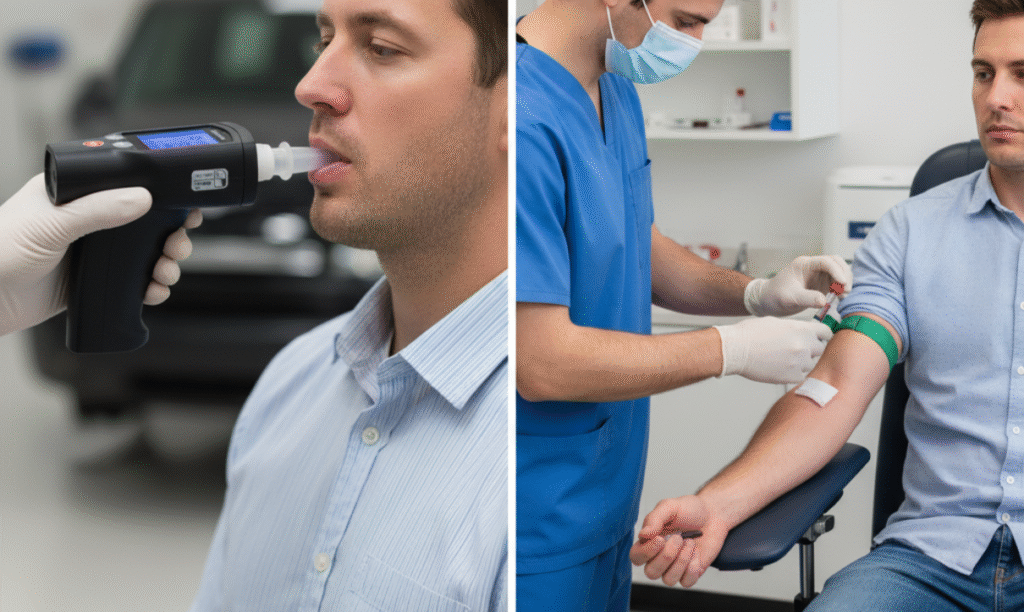
The Seafarer Drug and Alcohol Screening framework is built around international marine safety standards. It outlines procedures for detecting drug or alcohol misuse using verified methods like breath, urine, or saliva testing. This framework aligns with the MARPOL Convention, ensuring environmental protection and human safety.
Each test follows a chain-of-custody process to guarantee accuracy and prevent tampering. Crew members are informed of testing policies during induction to promote fairness and transparency. Incorporating these screenings into operational management systems safeguards compliance while cultivating a professional maritime environment that values accountability.
How Substance Testing Reduces Onboard Accidents
Even small amounts of alcohol or drugs can slow cognition, distort perception, and delay reaction times—dangerous traits when controlling heavy equipment. Seafarer Drug and Alcohol Screening detects these risks before accidents occur. By enforcing zero-tolerance policies, ship operators eliminate guesswork and create dependable workflows.
Trained personnel monitor test outcomes to ensure problems are addressed promptly. Regular screening discourages substance misuse, preventing fatigue-induced incidents and costly machinery damage. Effective testing doesn’t just catch violations—it prevents them through consistent awareness and reinforcement, keeping crews sober, sharp, and ready for emergencies across every global route. Also read about Offshore Crew Testing: 7 Best Practices for Safer Seas.
The Science Behind Testing Accuracy
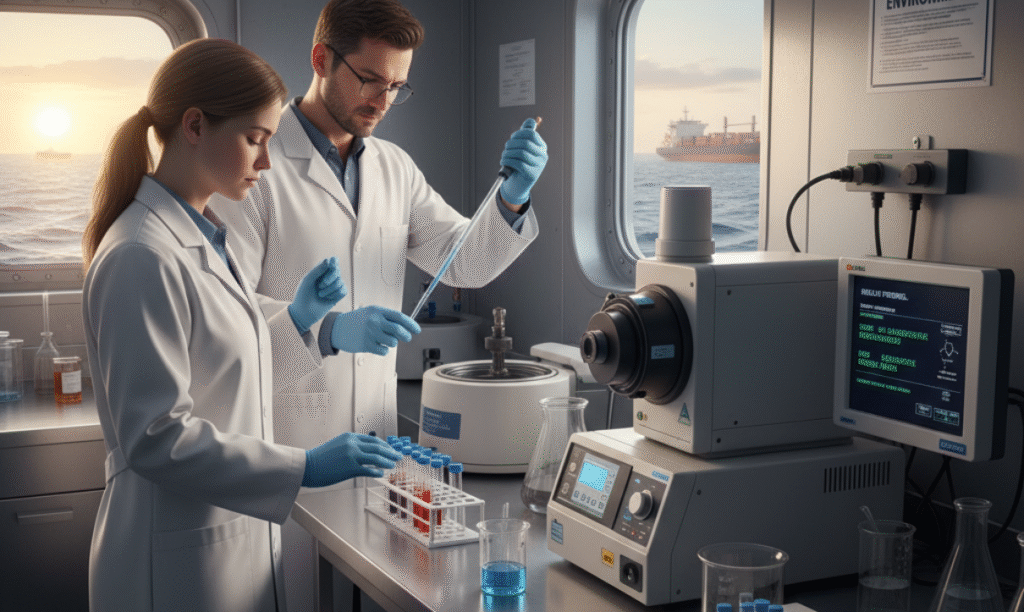
Accuracy in Seafarer Drug and Alcohol Screening relies on scientific rigor and certified procedures. Modern breath analyzers detect alcohol instantly, while immunoassay and chromatography methods confirm drug presence. Samples undergo approved lab analysis following IMO and IMCA protocols. Calibrated equipment ensures reliable data that stands up in audits or insurance claims.
Every step, from collection to reporting, maintains confidentiality and integrity. Errors are minimized through double verification, enabling ship managers to make informed decisions. Precision testing doesn’t just prove compliance; it builds trust in safety systems that protect both crew efficiency and environmental stability at sea.
Building Crew Awareness and Cooperation
Compliance succeeds when everyone understands why it exists. Crew members may initially view Seafarer Drug and Alcohol Screening as invasive, but education changes that perception. By explaining how screening keeps everyone safe, managers build a cooperative culture. Regular seminars, real-life case studies, and open Q&A sessions can help crews appreciate testing’s protective value.
Managers should emphasize inclusivity—screening applies equally to all ranks. When your team recognizes it’s about safety, not surveillance, attitudes shift. Mutual respect then reinforces discipline naturally, turning a regulatory requirement into a voluntary, shared commitment by every maritime professional onboard. Also, know about Crew Alcohol Testing: 7 Vital Insights for Safer Seas.
Legal and Compliance Obligations under IMO
The International Maritime Organization mandates strict measures for preventing intoxication among crew. Through Seafarer Drug and Alcohol Screening programs, ship operators meet legal thresholds and demonstrate Good Seamanship Principles. Keeping alcohol levels within IMO’s defined limits is part of Safety Management System (SMS) compliance.
Violating these standards can lead to detentions, heavy fines, or loss of certification. Captains and compliance officers must maintain documentation, including testing records and pre-departure certifications. Submitting accurate data upholds compliance with both national laws and international treaties. Regulatory adherence isn’t just about meeting standards—it’s proof of professional integrity at every port.
Marine Supercargo Expands Services: Drug & Alcohol Testing for Safer Seas
Marine Supercargo, the global leader in marine cleaning and inspection, has expanded its expertise to include professional Drug & Alcohol Testing services. This initiative supports organizations pursuing Seafarer Drug and Alcohol Screening compliance with international regulations. Using state-of-the-art testing methods and certified personnel, Marine Supercargo provides fast, reliable, and confidential results.
Ship owners, operators, and managers can now rely on a single platform for operational, environmental, and crew safety needs. The service strengthens preventive safety culture, reduces environmental risks, and promotes operational excellence. With this expansion, Marine Supercargo reinforces its commitment to building safer seas through comprehensive compliance solutions worldwide. Read more about 7 Powerful Reasons Corporate Drug Testing Works.
Environmental and Economic Benefits of Testing
Alcohol or drug impairment can lead to operational errors causing oil spills or mechanical failures—disasters that destroy marine life and cost millions. Seafarer Drug and Alcohol Screening prevents such outcomes through proactive monitoring. By keeping crews alert, testing safeguards vessel operations and reducing repair expenses.
Fewer accidents mean minimized environmental impact and higher insurance ratings. Over time, companies save significantly by avoiding fines and maintaining uninterrupted schedules. In essence, compliance is an investment—protecting marine ecosystems, ensuring consistent profitability, and setting a new benchmark for eco-responsible and financially sustainable maritime management practices globally. Read more about 5 Crucial Reasons Drug & Alcohol Testing Matters.
“Marine cleaning, anytime. Anywhere. 🌊 #GlobalMarine”#shipping #maritime #ship #cruises #sealife #port #shipping #marine #captain #vessel #ships #cargo pic.twitter.com/GgKTqEMETK
— Marine Super Cargo (@Marinsupercargo) October 4, 2025
Overcoming Common Implementation Challenges
Adopting Seafarer Drug and Alcohol Screening can meet resistance due to privacy concerns, differing national policies, or skepticism among multinational crews. Overcoming these challenges requires sensitivity and communication. Establish a transparent testing policy, allow appeals, and engage independent inspectors. Companies should also provide access to counseling and rehabilitation programs, signaling care rather than punishment.
Promoting support-based policies turns compliance into collaboration. Consistency and fairness across nationalities maintain harmony and confidence in testing systems. In the long term, effective communication transforms these screenings from a control tool into a strengthened safety partnership onboard every vessel. Also read about 7 Vital Reasons Alcohol Testing Saves Shipping Companies.
Future of Substance Testing in Maritime Safety
Technology is redefining how Seafarer Drug and Alcohol Screening is conducted. Future systems may combine biometric sensors, remote monitoring, and AI-based behavioral analytics to detect impairment before it becomes dangerous. Blockchain could store tamper-proof records, ensuring trustworthy compliance worldwide.
Portable digital devices could deliver instant results synced to vessel dashboards. These innovations promise faster decision-making and transparency for auditors, insurers, and authorities alike. The future of maritime safety isn’t just about prevention—it’s about prediction. Through smarter tools, the industry is moving toward proactive compliance that fosters safer, greener, and more efficient global shipping.
Conclusion
Seafarer Drug and Alcohol Screening is essential for preventing workplace accidents, protecting marine ecosystems, and ensuring international compliance. Key takeaways: first, consistent testing safeguards human lives and assets. Second, education and communication make compliance sustainable. Third, innovation will soon automate prevention.
By adopting effective programs, you build a positive crew culture, save operational costs, and enhance global reputation. To achieve full compliance and environmental excellence, partner with trusted marine specialists—visit CleanShip.co today and discover solutions that help your fleet operate safely, responsibly, and confidently across every sea.
FAQs:
Q1. Why is Seafarer Drug and Alcohol Screening important?
It ensures seafarers are sober and alert, reducing risks of equipment mishandling, navigation errors, and onboard accidents that compromise safety.
Q2. Which regulations require drug and alcohol screening?
International organizations like IMO and IMCA mandate testing for all crew under the STCW and MARPOL conventions governing vessel operations worldwide.
Q3. What happens during drug and alcohol screening?
Test samples such as breath, urine, or saliva are collected and analyzed using certified methods to detect any banned substances accurately.
Q4. How does testing benefit the environment?
Prevention of impaired operations reduces oil spills, fuel waste, and environmental pollution, contributing to safer, cleaner oceans globally.
Q5. What’s the future of screening in maritime operations?
Advances like AI, real-time sensors, and blockchain data will make monitoring faster, more reliable, and fully integrated with ship compliance systems.