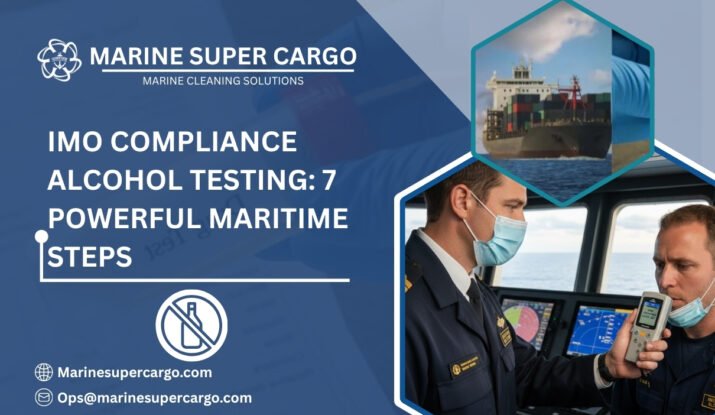
Maintaining IMO Compliance Through Alcohol Testing
Operating a vessel without strict control over alcohol consumption is like steering through fog without a compass. That’s why IMO Compliance Alcohol Testing is more than a regulation—it’s a safeguard for lives, assets, and reputations. In this comprehensive guide, we’ll break down what compliance means, how it’s enforced, and how you can implement effective alcohol testing policies on board.
Whether you’re a ship owner, operator, or manager, understanding these rules helps prevent accidents, protect your crew, and maintain smooth global operations under international maritime law and safety management systems. Let’s dive in to see why compliance really matters.
The Importance of IMO Compliance Alcohol Testing
Alcohol impairment reduces reaction time and decision-making—two things no seafarer can afford to lose at sea. The IMO Compliance Alcohol Testing framework protects against these risks by maintaining consistent standards worldwide. According to IMO guidelines, vessels must establish clear alcohol limits and conduct regular testing to prevent safety breaches.
For operators, it’s both a moral and operational responsibility to maintain sobriety onboard. A compliant vessel not only avoids accidents but also earns the trust of insurers, charterers, and port authorities globally. Ultimately, rigorous testing ensures smoother voyages, safer operations, and a more responsible maritime culture.
Understanding IMO’s Standards and Regulations
The International Maritime Organization sets precise rules under the International Convention on Standards of Training, Certification and Watchkeeping (STCW). These directives require strict monitoring of alcohol consumption among officers and crew. Under IMO Compliance Alcohol Testing, a maximum permitted blood alcohol content is clearly defined—embedding sobriety into every level of operation.
Ships found in violation face suspension, detention, or loss of certification. Ensuring compliance involves coordination between onboard management, shore authorities, and safety inspectors. Each role contributes to enforcing accountability, making sure every voyage starts and ends with safety as its compass.
How Alcohol Testing Ensures Maritime Safety
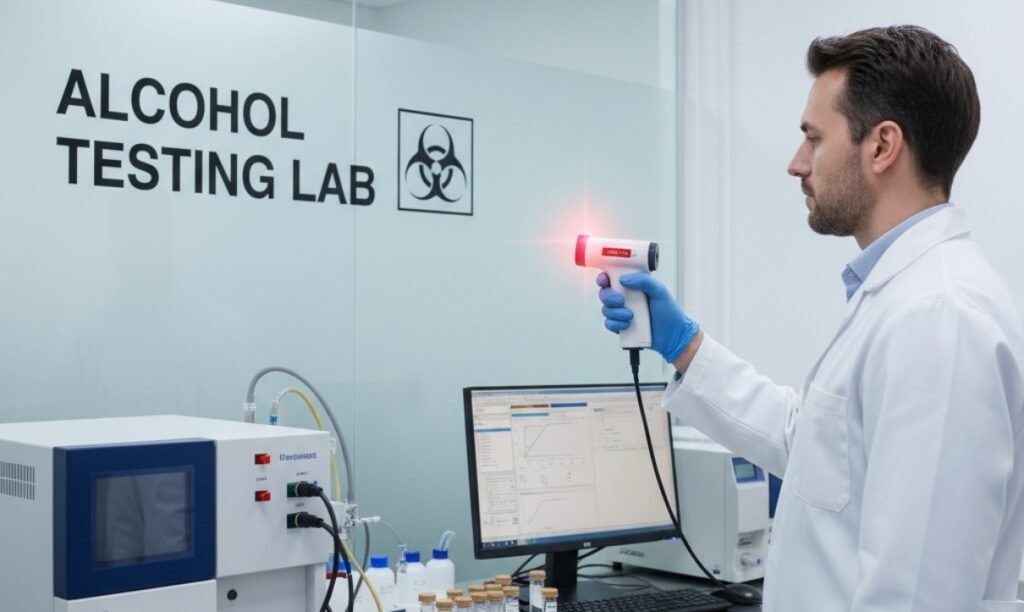
Safe navigation depends as much on human clarity as on mechanical precision. The IMO Compliance Alcohol Testing process helps ensure that crew members remain alert, coordinated, and capable of quick, sound judgment. Testing eliminates uncertainty, helping supervisors detect risks before they manifest as accidents.
Alcohol use has historically been linked to navigation errors, delayed response times, and equipment mishandling. Enforcing zero-tolerance testing mitigates all these risks. By adopting proactive alcohol screening onboard, maritime companies protect both their human and mechanical assets, create a trustworthy work environment, and strengthen their global safety standing.
Types of Alcohol Testing Used at Sea
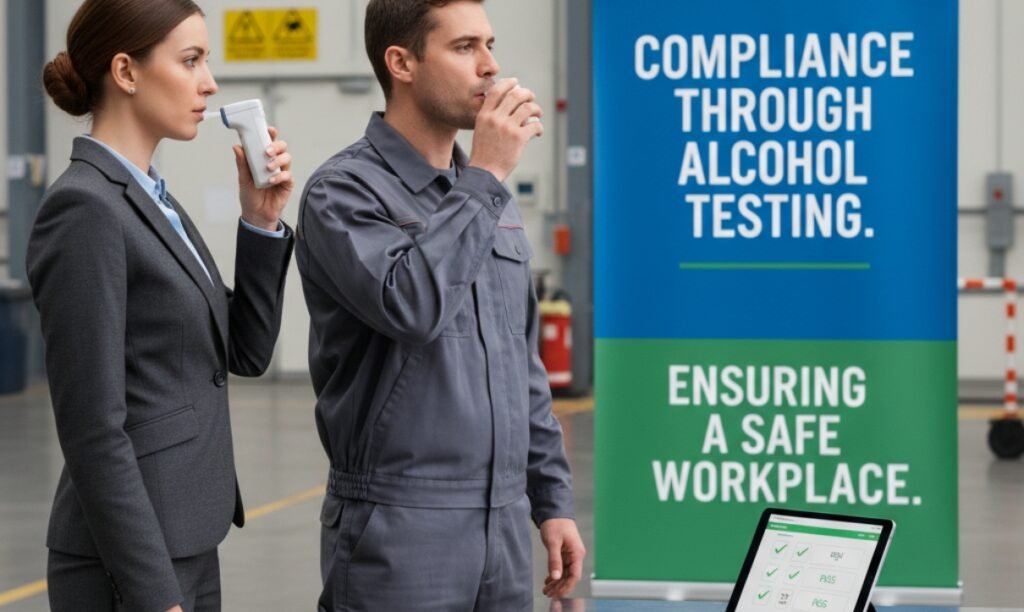
Onboard alcohol testing follows various methods designed for accuracy and fairness. Under IMO Compliance Alcohol Testing programs, breath analyzers are the most common since they provide quick, non-invasive, and reliable results. Blood and saliva tests are used in special cases where confirmation is required. Random, routine, and post-incident tests ensure comprehensive monitoring.
Collection procedures must be transparent, with results verified by certified officers or external inspectors. This standardized testing structure keeps results credible and defensible during audits. By employing these methods consistently, ship operators build a preventive safety network that deters risky behavior before it occurs.
Integrating Compliance into Ship Operations
Implementing IMO Compliance Alcohol Testing isn’t a one-time task—it requires integration into daily routines. Shipowners should include alcohol testing policies in their Safety Management Systems (SMS). Crew members must undergo awareness sessions on the consequences of violating limits. By aligning daily watch schedules with testing protocols, companies ensure continuous vigilance.
Proper documentation of all tests and results helps in inspections by IMO or port state authorities. When compliance becomes habitual, it evolves from a regulation into a culture of responsibility, turning each crew member into a guardian of safety and integrity onboard.
Challenges in Maintaining Alcohol Compliance Onboard
Despite clear regulations, maintaining consistent alcohol control remains challenging at sea. Isolation, stress, and cultural diversity may create differing attitudes toward alcohol. IMO Compliance Alcohol Testing programs must therefore balance empathy with enforcement. Resistance may come from crew members fearing stigma or misunderstanding rules.
To overcome barriers, communication and education are vital. Providing rehabilitation support, maintaining privacy, and emphasizing safety benefits can encourage cooperation. Consistency in policy and transparent results reporting ensures credibility. Over time, resistance diminishes as crews experience firsthand the advantages of a disciplined, sober, and safer working environment.
Marine Supercargo Expands Services: Drug & Alcohol Testing for Safer Seas
Marine Supercargo, a leader in global marine cleaning and environmental services, has expanded its portfolio to include professional drug & alcohol testing across international fleets. This move aligns perfectly with IMO Compliance Alcohol Testing standards, providing shipowners and operators with reliable solutions to maintain regulatory compliance and crew safety.
The service uses certified technicians and advanced testing methods, making onboard verification fast and accurate. Marine Supercargo’s initiative enhances operational reliability and addresses the growing demand for safety-centered maritime practices. By integrating testing into cleaning and inspection programs, Marine Supercargo helps maritime companies achieve cleaner, more compliant, and ultimately safer seas.
The Role of Management and Training
Ship management holds the front line in enforcing alcohol policies effectively. To ensure IMO Compliance Alcohol Testing works as intended, officers must model adherence themselves. Crew training should focus on explaining the purpose, procedures, and benefits of sobriety. When management displays integrity, it cultivates trust and voluntary compliance across ranks.
Superiors should conduct refresher sessions to discuss case studies and evolving standards under IMO and MARPOL. Empowering every staff member to be accountable creates a positive chain reaction—confidence increases, safety rises, and the ship runs as a unified, stable ecosystem.
“Marine cleaning, anytime. Anywhere. 🌊 #GlobalMarine”#shipping #maritime #ship #cruises #sealife #port #shipping #marine #captain #vessel #ships #cargo pic.twitter.com/GgKTqEMETK
— Marine Super Cargo (@Marinsupercargo) October 4, 2025
Environmental and Financial Benefits of Compliance
Maintaining alcohol-free operations also contributes to environmental and cost efficiency. Alert crews handle machinery effectively, avoid spills, and ensure optimal energy use. Vessels operating under IMO Compliance Alcohol Testing standards reduce accident-related pollution and repair costs. Compliance improves insurance credibility and lowers premiums.
Each avoided incident saves thousands in emergency response expenses. From a wider perspective, disciplined operations further IMO’s goal of sustainable oceans by combining environmental awareness with crew welfare. Proper compliance isn’t just saving lives—it’s protecting marine ecosystems, enhancing brand reputation, and cutting operational inefficiencies across global shipping networks.
The Future of Alcohol Testing at Sea
Advancements in maritime technology are reshaping how alcohol compliance is maintained. Portable digital breathalyzers with blockchain data recording are already emerging under IMO Compliance Alcohol Testing frameworks. These smart devices provide tamper-proof results accessible to inspectors globally. Soon, AI and biometric technology may detect early behavioral signs of impairment, preventing risks before they occur.
Future vessels could have integrated compliance dashboards tracking crew health in real time. Such systems not only ensure safety but also enhance human and operational performance, paving the way for autonomous compliance processes that make maritime navigation safer and more trustworthy.
Conclusion
IMO Compliance Alcohol Testing is not just a rule—it’s a vital lifeline that keeps global shipping safe, efficient, and sustainable. Key takeaways: first, enforced testing ensures clear-headed navigation; second, integrating policies into daily routines drives long-term culture change; third, modern technology will simplify monitoring in the future.
By promoting sobriety and accountability, you protect lives, ships, and the marine environment. For advanced cleaning and testing solutions that strengthen safety and compliance standards, visit CleanShip.co today to ensure your fleet sails confidently under global maritime regulations.
FAQs:
Q1. What does IMO Compliance Alcohol Testing mean?
It ensures ships follow IMO-set standards that restrict alcohol levels among crew to prevent impaired performance and enhance maritime safety globally.
Q2. How often should alcohol testing be conducted on vessels?
Testing should occur randomly, routinely, and after incidents so ship operators can consistently monitor compliance and detect early warning signals.
Q3. What tools are used in alcohol testing onboard?
Breathalyzers, blood analysis, and saliva kits approved by IMO standards are used to identify and verify alcohol presence accurately and fairly.
Q4. Why is alcohol testing essential for ship safety?
Testing ensures that all crew operate in full control, reducing accidents caused by delayed reactions and maintaining operational stability onboard.
Q5. How does alcohol testing relate to environmental safety?
By keeping crews alert and efficient, alcohol testing minimizes operational errors, mechanical damage, and pollution risks, supporting cleaner global seas.