IMCA Rules for Crew Drug Testing Explained
Drug and alcohol misuse at sea can endanger lives, disrupt operations, and damage reputations. That’s why the IMCA Rules for Crew Drug Testing play a vital role in ensuring that every voyage is safe, compliant, and efficient. In this guide, we explore how these standards protect seafarers, enhance ship management, and maintain integrity across international waters.
You will understand what the IMCA requires, how compliance is ensured, and what steps you can take to protect your crew and operations. Let’s set sail through the details so you can master the essentials of maintaining a drug-free, safety-focused marine workforce.
Why IMCA Rules for Crew Drug Testing Matter
The IMCA Rules for crew drug Testing are designed to enforce discipline, accountability, and operational reliability across the maritime industry. Seas can be unpredictable, and impaired judgment can lead to catastrophic outcomes. Following these rules helps shipowners and operators prevent incidents before they happen.
They also align with global safety regulations outlined by the International Maritime Organization (IMO) and MARPOL Convention, making compliance not just a policy—but a moral responsibility. When your crew knows testing is standard, it builds trust and professionalism onboard. These preventive measures secure safer voyages, less downtime, and lower insurance risks.
Overview of IMCA and Its Global Role
The International Marine Contractors Association (IMCA) serves as a global authority promoting safe and efficient offshore and marine operations. It creates guidelines that member companies use to ensure high ethical standards in offshore crew management. The IMCA rules for crew drug testing fall under its health, safety, and environment (HSE) framework.
This global body collaborates with organizations such as the IMO and IAPH to unify procedures across ports and fleets. The core intent is to minimize risk, uphold the dignity of seafarers, and maintain environmentally responsible operations in every marine activity.
Core Requirements under IMCA Rules for Crew Drug Testing
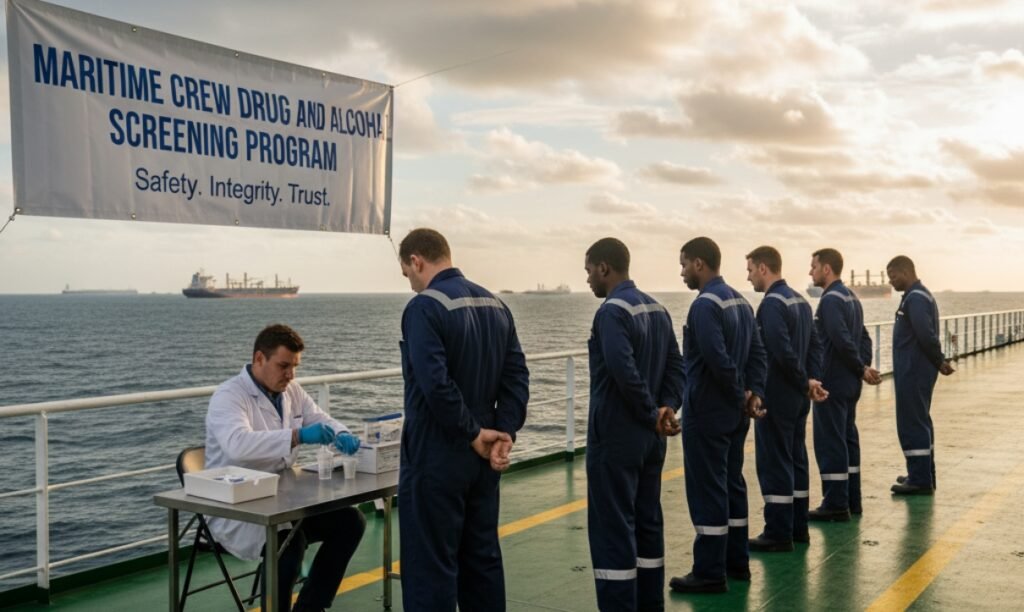
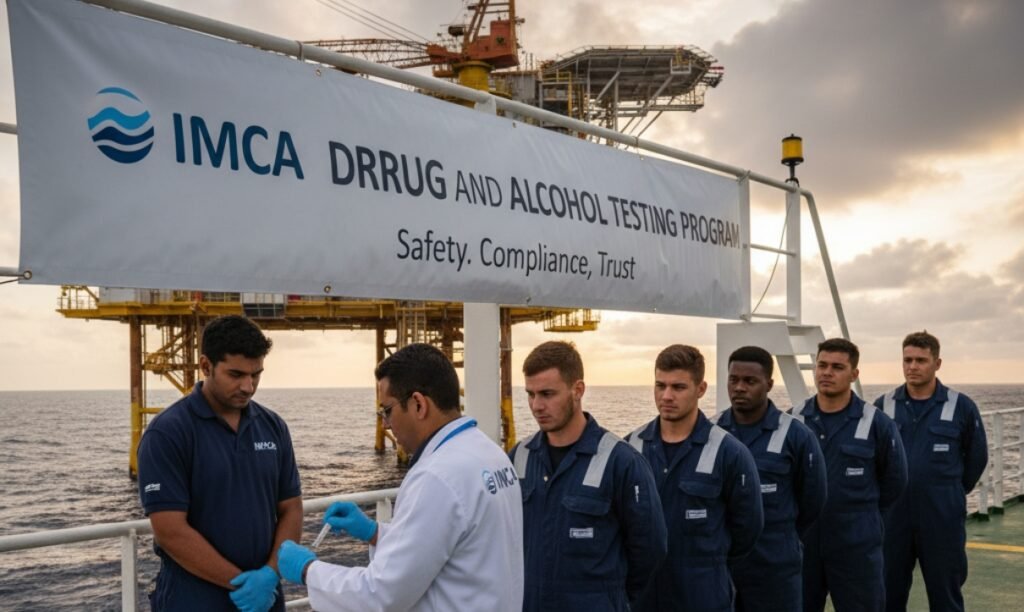
Under the IMCA Rules for Crew Drug Testing, every member organization is required to implement a structured testing protocol. This includes pre-employment screening, unannounced random checks, and post-incident evaluations. Each test must follow verified collection and analysis methods to ensure transparency and accuracy.
Chain-of-custody documentation is mandatory from sample collection to laboratory analysis, reducing the risk of tampering. The rules also stipulate that crew members are informed about their rights, responsibilities, and the importance of testing compliance. Ultimately, these requirements foster a proactive, safety-driven culture on board modern vessels worldwide. Also read about Offshore Crew Testing: 7 Best Practices for Safer Seas.
Types of Testing Conducted Under IMCA Guidelines
IMCA recognizes several testing methods to promote fairness and credibility. Pre-employment testing ensures no new hire enters duty under the influence. Random testing keeps vigilance active throughout deployment. Post-incident and reasonable-suspicion tests are conducted when accidents or erratic behavior occur.
Periodic medical examinations may also include drug and alcohol components. According to the IMCA Rules for Crew Drug Testing, biological samples—typically urine, breath, or saliva—are collected by certified personnel using approved kits. These consistent standards prevent biased or inaccurate outcomes, ensuring fair evaluation for every crew member under scrutiny. Also, know about Crew Alcohol Testing: 7 Vital Insights for Safer Seas.
“Marine cleaning, anytime. Anywhere. 🌊 #GlobalMarine”#shipping #maritime #ship #cruises #sealife #port #shipping #marine #captain #vessel #ships #cargo pic.twitter.com/GgKTqEMETK
— Marine Super Cargo (@Marinsupercargo) October 4, 2025
Ensuring Compliance with International Maritime Law
Compliance isn’t optional—it is mandatory for vessels operating internationally. Following the IMCA Rules for Crew Drug Testing ensures compliance with IMO and MARPOL safety frameworks. These laws mandate that ship operators maintain a healthy, alert workforce. Failing to adhere can result in license suspension, heavy fines, or port detentions.
Regular internal audits help prove compliance records. The crew log should include testing dates, sample results, and corrective actions. Maintaining transparency at every step proves managerial commitment to safe navigation and upholds a vessel’s eligibility for insurance and charter approvals.
Implementing an Effective Drug Testing Policy
An effective policy is simple, transparent, and uniformly applied. Start by defining the scope—detailing who, when, and how testing is done. Educate your crew about substance abuse consequences and encourage voluntary reporting. The IMCA Rules for Crew Drug Testing recommend using accredited laboratories and keeping data confidential.
Management must ensure consistent enforcement while maintaining compassion toward affected employees. Follow-up programs for rehabilitation reflect ethical leadership. A good policy goes beyond compliance; it strengthens discipline, morale, and the company’s standing with maritime authorities and clients across all ports and regions. Read more about 7 Powerful Reasons Corporate Drug Testing Works.
Impact on Safety, Productivity, and Environment
A clear connection exists between drug-free operations and high performance. The IMCA Rules for Crew Drug Testing directly contribute to reduced accidents, machinery malfunctions, and environmental pollution. Alert crews respond faster to emergencies and follow marine environmental protocols effectively.
By ensuring sobriety, you save fuel, avoid costly claims, and protect marine biodiversity. This ripple effect benefits the entire ecosystem, from port operators to insurers. Comparing compliant vessels against non-compliant ones shows measurable performance gaps in safety statistics and operational uptime—a strong reason to integrate testing deeply into every company’s safety plan. Read more about 5 Crucial Reasons Drug & Alcohol Testing Matters.
Common Challenges and How to Overcome Them
Implementing the IMCA Rules for Crew Drug Testing can face resistance from both crew and management. Issues often include privacy concerns, logistical problems in remote operations, and cultural differences among multinational teams. Overcoming these challenges requires early communication, transparent procedures, and consistent education.
Use anonymous surveys to gauge crew sentiment and address misconceptions. Partner with global testing agencies offering mobile facilities that meet IMCA standards. Emphasize testing as a mutual safety commitment rather than punishment. Proactive steps like these establish cooperation and sustain long-term adherence across all maritime divisions.
Marine Supercargo Expands Services: Drug & Alcohol Testing for Safer Seas
Marine Supercargo, already recognized for its expertise in global marine cleaning and inspection, now extends its services to professional drug & alcohol testing. This strategic expansion supports ship owners, operators, and managers in fully complying with the IMCA Rules for Crew Drug Testing.
With advanced testing facilities and certified professionals, Marine Supercargo ensures accurate, confidential, and globally recognized testing results. The initiative reflects a shared commitment to safer seas, reduced accident risk, and environmental preservation. By combining cleaning, auditing, and testing services, Marine Supercargo helps streamline compliance and boost the operational efficiency of maritime businesses worldwide. Also read about 7 Vital Reasons Alcohol Testing Saves Shipping Companies.
The Future of Drug Testing and Crew Safety
The maritime industry is shifting toward smarter, tech-driven compliance. In the future, digital tracking, AI-based behavioral monitoring, and blockchain for test result verification could transform how the IMCA Rules for Crew Drug Testing are managed. Remote breathalyzers, instant saliva diagnostics, and real-time health apps will empower captains and operators to monitor crew wellbeing efficiently.
These innovations assure transparency while respecting privacy. Shipowners investing in such technology today will enjoy reduced regulatory burdens tomorrow. As the demand for ethical, sustainable shipping grows, tech-enabled compliance is setting the new standard for marine professionalism.
Conclusion
Understanding and implementing the IMCA Rules for Crew Drug Testing ensures a safer, more efficient, and compliant maritime operation. The three key takeaways are clear: first, transparent guidelines protect both crew and vessel. Second, consistent testing prevents accidents and regulatory penalties.
Third, technological innovation will simplify compliance even further in the years ahead. Prioritize safety; align with global standards. To enhance fleet performance and ensure complete environmental and regulatory compliance, explore professional cleaning and testing solutions available at CleanShip.co—your trusted partner in safer ocean operations.
FAQs:
Q1. Why are drug and alcohol tests important on ships?
They ensure that crew members remain alert, reducing risks of accidents and maritime incidents caused by impaired performance during critical operations.
Q2. Who must comply with IMCA Rules for Crew Drug Testing?
All member companies and operators working under IMCA guidelines must develop and enforce structured drug and alcohol testing programs on their vessels.
Q3. What types of samples are used in drug testing?
Typically, urine, saliva, or breath samples are collected using IMCA-approved kits to ensure valid, tamper-proof, and accurate test results onboard.
Q4. How can ship operators implement testing effectively?
By adopting a clear written policy, using certified labs, maintaining records, and providing awareness training to promote understanding and compliance.
Q5. How does drug testing affect marine cleaning operations?
A drug-free crew ensures safer, faster, and more accurate in-vessel cleaning, leading to improved environmental protection and reduced operational delays.