
Hull Cleaning in Skikda: The Complete Guide
Hull cleaning in Skikda plays a crucial role in maintaining ship performance, reducing operating costs, and ensuring compliance with international maritime standards. As one of Algeria’s busiest ports, Skikda handles vessels of all types, from cargo carriers to tankers.
With constant marine growth on ship hulls, biofouling becomes a real threat to efficiency. When marine organisms attach to a hull, they create drag, increasing fuel consumption and reducing speed. This guide explores the science, process, and importance of hull cleaning in Skikda while offering insights into sustainable maritime operations that keep your ship in peak condition.
Why Hull Cleaning in Skikda is Essential
Every ship that docks in Skikda’s harbor encounters marine growth due to warm coastal waters. Over time, algae, barnacles, and mussels build up on hull surfaces, leading to higher fuel costs and slower voyages. By conducting regular hull cleaning in Skikda, vessel operators not only enhance efficiency but also extend the lifespan of coatings and propellers.
Clean hulls improve hydrodynamic performance, helping ships glide through water smoothly. Moreover, routine maintenance reduces the likelihood of spreading invasive marine species across ecosystems, a growing concern under the MARPOL Convention’s biofouling guidelines. Thus, timely cleaning ensures compliance, saves money, and protects marine biodiversity. Know more about underwater ship hull cleaning in Oran.
Understanding the Biofouling Problem
Biofouling refers to the accumulation of living organisms on submerged parts of vessels. In Skikda’s busy port waters, these organisms thrive due to high nutrient levels. The process starts with microscopic bacteria and algae forming a sticky layer, which attracts larger species like barnacles and mollusks.
As biofouling increases, so does drag resistance, forcing ships to consume more fuel for the same speed. Studies by IMO suggest fouled hulls can increase fuel use by up to 40%. Hull cleaning in Skikda mitigates this issue, ensuring vessels remain eco-efficient and meet International Maritime Organization standards.
Environmental Impact of Hull Cleaning
Environmental regulations are tightening worldwide, and Skikda’s port operations are no exception. Proper hull cleaning minimizes the risk of transferring invasive species that threaten local ecosystems. Modern underwater cleaning systems now use eco-friendly brushes and filtration units to capture debris before it pollutes the sea.
This aligns with international efforts led by IMCA to promote sustainable underwater operations. The cleaned waste is collected, filtered, and disposed of safely onshore. In this way, hull cleaning in Skikda not only improves ship performance but also helps preserve Algeria’s marine biodiversity, contributing to cleaner oceans and healthier port environments. Read more about underwater ship hull cleaning in Algeria.
Cost-Saving Benefits for Ship Owners
Fuel savings are one of the most compelling reasons for hull cleaning in Skikda. A clean hull can reduce fuel consumption by up to 10–20%, directly cutting operational expenses. Additionally, maintaining smooth hull surfaces prevents premature wear on propulsion systems. Over time, this saves thousands of dollars in maintenance and repair costs.
Considering that fuel can make up over half of a ship’s operating budget, these savings are substantial. Furthermore, by avoiding unplanned dry-docking, ship operators reduce downtime, keeping their fleet productive. Regular cleaning is a smart, cost-effective investment for every vessel visiting Skikda’s port.
Hull Cleaning Techniques Used in Skikda
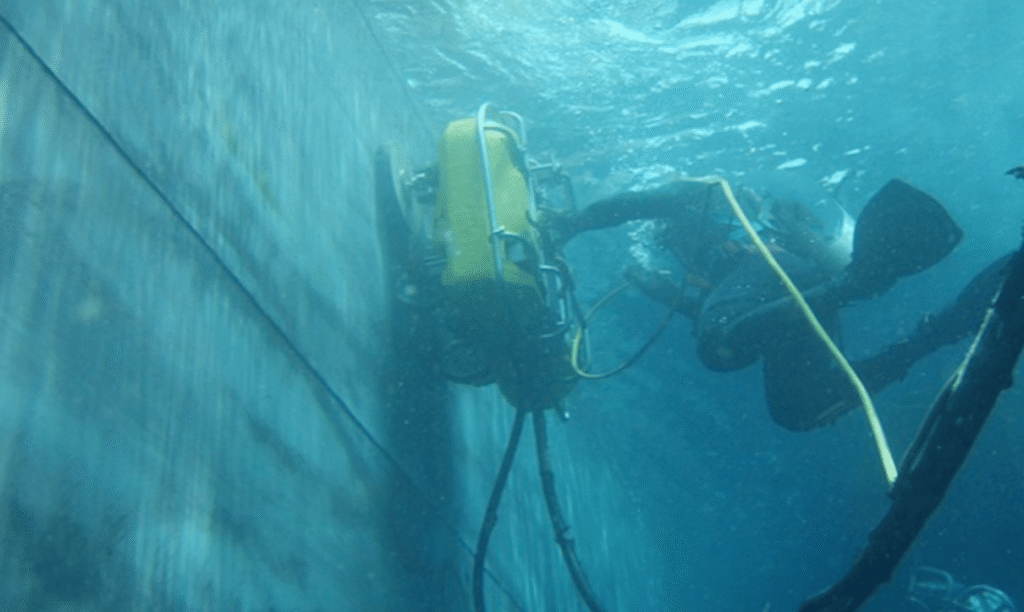
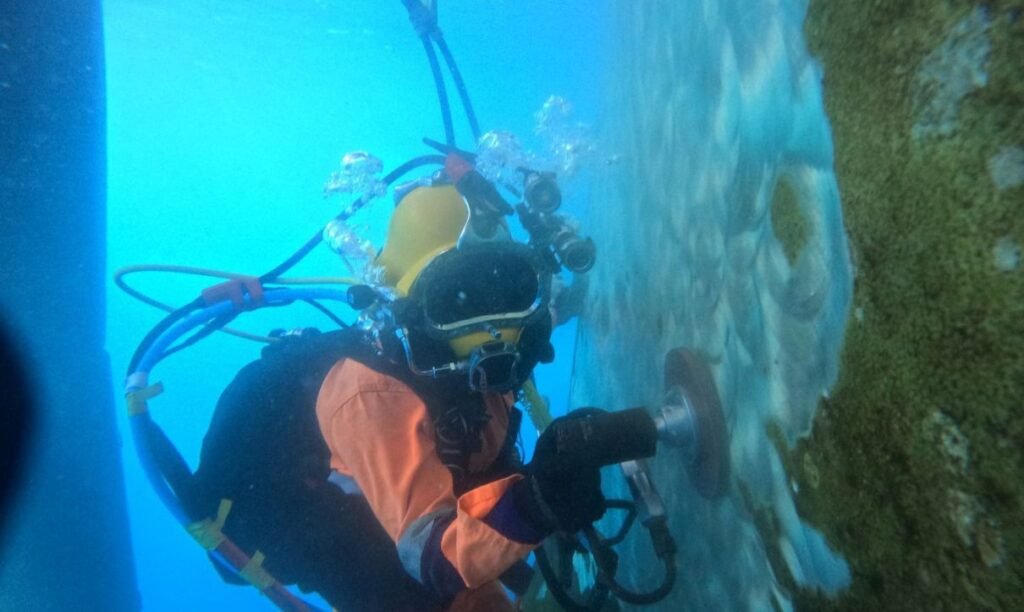
Hull cleaning in Skikda involves a range of advanced underwater technologies. Professional divers use remotely operated vehicles (ROVs), hydraulic brushes, and high-pressure water jets to remove biofouling efficiently. Each technique is selected based on hull condition and coating type.
For instance, soft brushes are ideal for sensitive antifouling paints, while stronger tools handle heavy barnacle layers. The process is carefully monitored to prevent damage and pollution. With modern underwater camera systems, teams can record operations for quality assurance and compliance documentation. These technologies have transformed Skikda’s hull cleaning industry, making it faster, safer, and more environmentally responsible. Also read about ship hull cleaning in Algeria.
Regulatory Compliance and Safety Standards
Compliance with global maritime laws is vital during hull cleaning in Skikda. The process follows strict safety protocols as outlined by IMCA and IMO to ensure diver protection and environmental stewardship. Ship operators must adhere to MARPOL guidelines, particularly regarding waste management.
Proper documentation of cleaning activities is required for inspection by port authorities and classification societies. Failure to meet these standards can result in penalties or detentions. Therefore, working with certified cleaning companies ensures compliance while safeguarding crew and marine life. Following these procedures builds trust and enhances operational transparency in the shipping community.
Choosing the Right Hull Cleaning Partner in Skikda
Selecting a reliable service provider for hull cleaning in Skikda requires careful evaluation. Look for companies certified under international safety and quality frameworks like ISO 9001 and IMCA membership. These firms use advanced cleaning systems and trained divers who follow rigorous safety measures.
Transparency in reporting, video documentation, and waste management procedures are key indicators of professionalism. Reliable partners also ensure quick turnaround times to minimize vessel downtime. CleanShip.co is one such example of an industry leader providing compliant and sustainable underwater cleaning services globally. Partnering with such experts guarantees efficiency, compliance, and peace of mind. Also, know about underwater ship hull cleaning in Lobito.
The Role of Technology in Modern Hull Cleaning
The hull cleaning process in Skikda has evolved dramatically with technology. Artificial intelligence (AI), underwater drones, and automated hull inspection tools now enhance precision and reduce human risk. Real-time imaging systems allow operators to identify fouling intensity before cleaning, optimizing time and resources.
Predictive maintenance tools also use data analytics to determine the best cleaning intervals, reducing unnecessary costs. These innovations have shifted the industry toward proactive maintenance rather than reactive solutions. As technology advances, hull cleaning in Skikda will continue to become safer, more accurate, and aligned with sustainable maritime practices recognized by international bodies.
“Marine cleaning, anytime. Anywhere. 🌊 #GlobalMarine”#shipping #maritime #ship #cruises #sealife #port #shipping #marine #captain #vessel #ships #cargo pic.twitter.com/GgKTqEMETK
— Marine Super Cargo (@Marinsupercargo) October 4, 2025
Marine Supercargo Expands Services: Drug & Alcohol Testing for Safer Seas
Marine Supercargo, known for its global maritime services, has expanded beyond hull cleaning to introduce professional Drug & Alcohol Testing for seafarers. This service supports ship owners, operators, and managers in ensuring crew fitness and compliance with international safety standards.
Crew impairment remains a leading factor in maritime accidents, and this testing solution helps identify risks before they lead to costly incidents. Marine Supercargo’s program aligns with IMCA and IMO regulations, enhancing operational reliability and safety culture on board. With this initiative, the company continues its mission of promoting cleaner ships and safer seas through advanced testing and maintenance solutions.
Future of Hull Cleaning in Skikda
The future of hull cleaning in Skikda looks promising, driven by digital transformation and sustainability goals. Innovations like self-cleaning hull coatings, robotic scrubbers, and AI-driven inspection systems are set to revolutionize maintenance routines. These advancements reduce environmental impact and enhance performance efficiency.
As international environmental policies become stricter, ports like Skikda will play a key role in implementing green maritime solutions. Collaboration among ship owners, technology providers, and regulators will ensure a cleaner, safer, and more compliant shipping environment. The continued evolution of this field underscores the importance of innovation in global maritime operations.
Conclusion
Hull cleaning in Skikda is essential for improving efficiency, protecting marine life, and complying with global regulations. By maintaining clean hulls, ship owners save fuel, reduce emissions, and extend vessel longevity. Working with certified professionals ensures safe, compliant, and eco-friendly cleaning.
To optimize your vessel’s performance and meet regulatory expectations, partner with trusted experts at CleanShip.co. Keep your fleet efficient, your operations sustainable, and your crew confident in every voyage.
FAQs:
Q1. Why is hull cleaning in Skikda important for ship operators?
It helps prevent biofouling, improves vessel speed, and reduces fuel costs while ensuring compliance with environmental regulations and port standards.
Q2. How often should a vessel undergo hull cleaning?
Frequency depends on operating routes, water temperature, and coating type, but typically, every 6 to 12 months is recommended for optimal performance.
Q3. What happens if biofouling is ignored?
Neglecting hull cleaning can lead to higher fuel consumption, slower speeds, corrosion, and even penalties for non-compliance with maritime laws.
Q4. How does underwater hull cleaning protect the environment?
Modern cleaning methods capture waste and prevent invasive species from spreading, aligning with MARPOL and IMO environmental protection policies.
Q5. What is Marine Supercargo’s Drug & Alcohol Testing service?
It ensures crew fitness, safety, and compliance by detecting impairment early, reducing maritime risks, and supporting a safer onboard working environment.