Hull Cleaning in Libreville
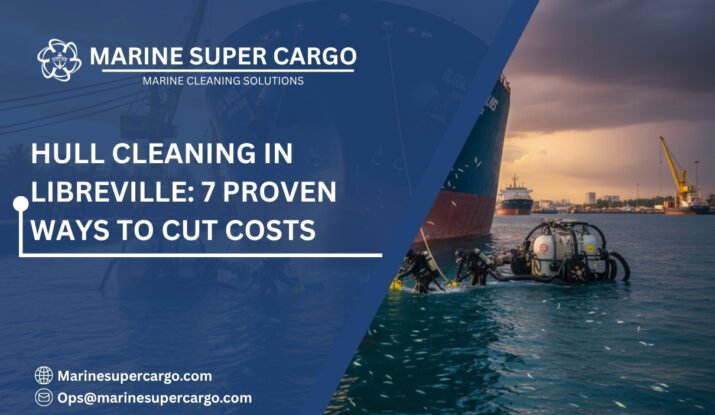
A ship’s hull tells the story of every voyage—it is where ocean and steel meet. Over time, marine growth like barnacles and algae accumulates, adding roughness that slows your vessel and increases fuel use. Hull cleaning in Libreville provides a professional solution for ship operators seeking efficiency, compliance, and sustainability.
Libreville’s coastal conditions accelerate fouling, which makes regular cleaning essential. With skilled divers, advanced tools, and eco-conscious procedures, marine service providers in Libreville ensure smooth hull surfaces for optimized performance. This process is not just maintenance—it’s smart management that turns ocean resistance into opportunity for savings and speed.
The Importance of Hull Cleaning in Libreville
Marine fouling happens faster in tropical waters, where warmer temperatures encourage growth. Hull cleaning in Libreville keeps this buildup under control, so ships can maintain high efficiency and reliability. Even a small layer of fouling can increase fuel burn by 10–20%, reducing speed and wasting money. Scheduled cleaning removes organisms before they harden onto coatings, preserving the hull’s protective layers and enabling smoother navigation.
It’s a balancing act—maintaining speed, protecting coatings, and meeting environmental laws. Libreville’s marine maintenance experts follow IMO safety standards and sustainable guidelines to keep vessels performing smoothly through every climate challenge.
Environmental and Regulatory Compliance
The ocean is changing, and so is how ships interact with it. Hull cleaning in Libreville ensures vessels comply with the MARPOL Convention, which reduces risks of pollution and invasive species transfer. Clean hulls help control greenhouse gas emissions by reducing engine workload. Proper cleaning minimizes sediment disturbance and uses safe waste disposal methods to protect marine ecosystems. Operators who follow these guidelines not only meet legal obligations but also demonstrate leadership in sustainable shipping. Libreville has grown into a key regional center for eco-conscious maritime services powered by global standards and local expertise.
Professional Cleaning Techniques
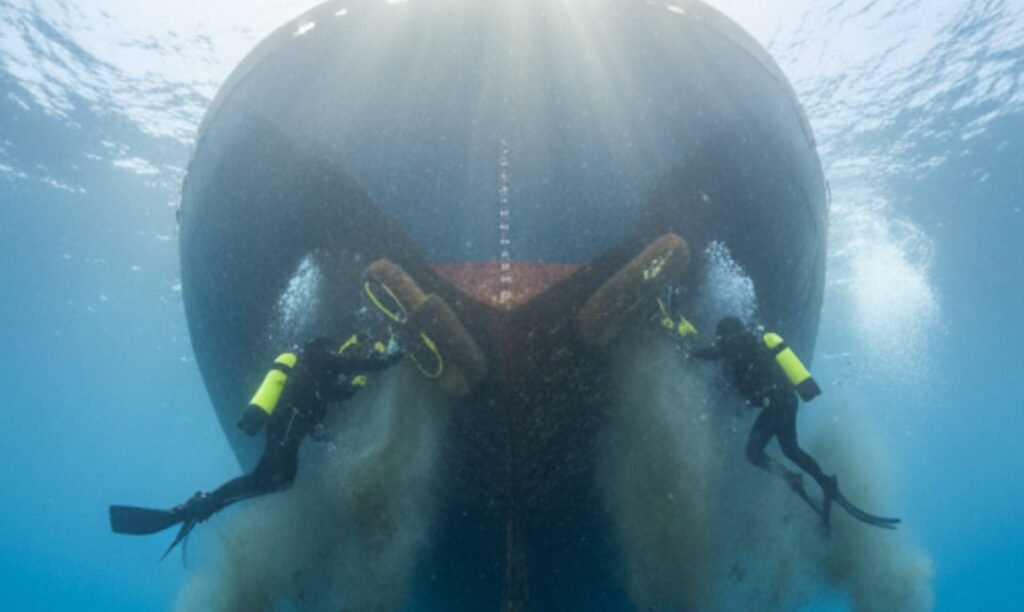
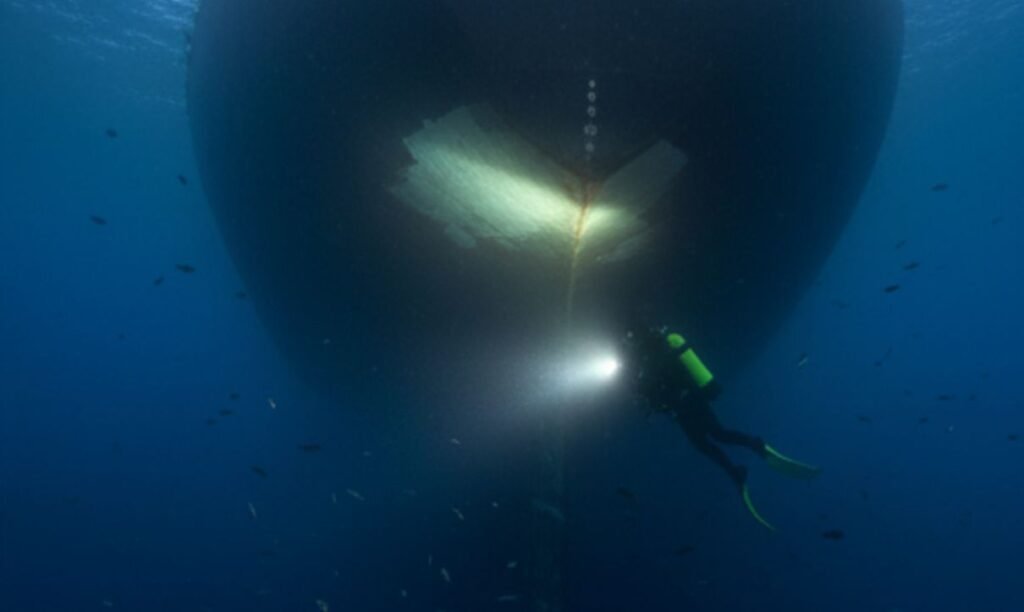
Technology has transformed underwater maintenance. In hull cleaning in Libreville, professionals combine diver-operated methods and robotic systems to achieve maximum precision. Hydraulic brushes and rotary cleaners remove thick layers of growth. Cavitation cleaning uses high-pressure bubbles to gently lift fouling without damaging coating surfaces.
For larger vessels, automated hull cleaning robots equipped with cameras and sensors are deployed for detailed inspections. This blend of human skill and technology ensures each vessel’s hull is cleaned faster, safer, and more thoroughly. Libreville’s ports specialize in facilitating these modern procedures that combine technology, safety, and environmental sensitivity. Read more about Underwater ship hull cleaning in Libreville.
Financial and Operational Advantages
Hull cleaning in Libreville delivers tangible cost savings that extend beyond fuel efficiency. A clean hull lowers drag resistance, allowing ships to travel the same distance with less power. It also delays the need for expensive dry-docking and reduces coating repair costs. Over a year, these savings can amount to thousands of dollars per ship.
Moreover, operators notice improved voyage timelines and reduced engine strain. CleanShip.co provides data-driven insights, allowing managers to monitor fouling levels and forecast cleaning schedules. This kind of proactive maintenance transforms routine cleaning into a strategic investment for long-term operational success. Also read about Underwater Hull Cleaning in Gambia
“Marine cleaning, anytime. Anywhere. 🌊 #GlobalMarine”#shipping #maritime #ship #cruises #sealife #port #shipping #marine #captain #vessel #ships #cargo pic.twitter.com/GgKTqEMETK
— Marine Super Cargo (@Marinsupercargo) October 4, 2025
Safety Protocols and Procedures
Safety isn’t negotiable—it’s the foundation of every successful operation. Hull cleaning in Libreville follows international safety protocols set by IMCA. Divers undergo rigorous training to handle hydraulic systems, manage communication, and respond to emergencies efficiently. Surface crews oversee operations through continuous video monitoring for real-time supervision.
Proper waste collection ensures that fouling debris and cleaning residue don’t contaminate surrounding waters. The result is a safe environment for everyone involved—from divers to port operators. Libreville continues to strengthen its maritime safety standards, ensuring vessel maintenance aligns with global health and environmental expectations. Also read about underwater ship hull cleaning in Moroni.
Selecting a Reliable Cleaning Partner
The right cleaning partner makes all the difference. Hull cleaning in Libreville should be entrusted to certified providers who combine technical expertise and transparency. Reputable companies share after-service reports, fouling analyses, and maintenance recommendations to guide future cleanings. They follow IMO and IAPH frameworks, ensuring international compliance.
Shipowners benefit from working with teams that understand local water conditions and global sustainability benchmarks. Certified providers excel in balancing regulatory adherence with cost efficiency. With proper partnership, hull cleaning becomes a reliable pillar of vessel management rather than a reactive expense during inspections. Also, know about underwater ship hull cleaning in Mutsamudu.
Marine Supercargo Expands Services: Drug & Alcohol Testing for Safer Seas
Marine Supercargo, globally recognized for its marine cleaning excellence, has expanded its services to include Drug and Alcohol Testing to promote safety at sea. This initiative supports ship owners, operators, and managers in maintaining international compliance and crew well-being. Substance misuse poses serious risks to operational reliability.
By introducing testing, Marine Supercargo enhances safety culture and ensures adherence to IMO and MARPOL standards. It helps prevent accidents, improves team accountability, and promotes healthier onboard environments. Combining marine cleaning expertise with safety testing demonstrates leadership toward safer and more efficient global maritime operations that prioritize both people and performance.
Innovation and Future Trends
Technology is steering hull cleaning in Libreville toward smarter futures. Artificial intelligence and predictive analytics monitor fouling patterns based on voyage history and temperature data, helping schedule cleanings before performance drops. Robotic units with advanced sensors extend cleaning precision while reducing diver time underwater.
Biodegradable coating materials and eco-friendly cleaning agents are becoming industry norms, minimizing pollution risks. Libreville is emerging as a testing ground for these innovations, combining traditional marine expertise with digital progress. The goal is clear—to make vessel maintenance faster, safer, and environmentally sustainable for the modern maritime era. Read more about Underwater ship hull cleaning in Congo.
Skilled Workforce and Training
Behind every successful hull cleaning in Libreville is a team of trained professionals committed to safety and efficiency. Dive crews complete extensive courses in underwater technology, risk management, and regulatory compliance. Supervisors monitor all procedures and inspect post-cleaning conditions for quality assurance. Ongoing training programs introduce divers to robotics, diagnostic sensors, and environmentally sustainable practices.
Libreville’s maritime training facilities continue to produce qualified technicians who understand both local marine conditions and global safety expectations. Skilled personnel ensure every task—from inspection to completion—meets world-class standards in service quality and environmental integrity. Learn more about Underwater ship hull cleaning in Djibouti.
Quality Control and Inspection Reports
Hull cleaning in Libreville includes rigorous inspection and documentation at every step. Before cleaning, technicians evaluate fouling density and hull condition through sonar and visual surveys. During cleaning, data is recorded for quality tracking and safety compliance. Post-cleaning reports summarize techniques used and include photographic evidence for verification.
These records help owners schedule future maintenance and demonstrate adherence to environmental and operational requirements. Transparent documentation builds trust and ensures accountability. Ship operators receive detailed insights into their hull’s condition that aid long-term planning, compliance audits, and fuel efficiency improvements. Learn about Underwater ship hull cleaning in Egypt.
Conclusion
Hull cleaning in Libreville stands as a key element of sustainable and cost-effective maritime operations. Regular maintenance reduces drag, saves fuel, and keeps ships compliant with global standards. By combining technology with expertise, Libreville’s services ensure reliability, safety, and environmental care.
Shipowners who partner with trusted providers like CleanShip.co gain consistent performance and peace of mind. A clean hull isn’t just maintenance—it’s an investment in smoother voyages, reduced costs, and safer seas. The cleaner your hull, the stronger your journey toward efficiency and sustainability.
FAQs:
Q1. Why should shipowners prioritize hull cleaning?
Because it boosts efficiency, reduces fuel use, and prevents non-compliance with international maritime standards while extending coating life.
Q2. How often should hull cleaning be done?
Ships operating in tropical waters like Libreville should clean hulls every 6–12 months, depending on fouling intensity and voyage duration.
Q3. What technologies are used in Libreville’s hull cleaning?
Hydraulic brushes, cavitation cleaning systems, and robotic scrubbers ensure thorough fouling removal with minimal coating damage and faster operations.
Q4. How does Marine Supercargo enhance maritime safety?
By offering Drug and Alcohol Testing, Marine Supercargo ensures crew health, regulatory compliance, and reduced risks of human error during operations.
Q5. What are the environmental benefits of hull cleaning?
It reduces engine load, lowers emissions, prevents invasive species spread, and contributes to ocean protection through responsible cleaning and disposal methods.