Hull Cleaning in Gabon: 7 Reasons It’s Changing the Maritime Game
Hull Cleaning in Gabon is becoming a vital service for shipowners who want to improve performance, cut costs, and comply with global maritime regulations. As one of Africa’s emerging maritime destinations, Gabon offers advanced facilities and eco-friendly technologies that are transforming how hull maintenance is done.
With its strategic coastal access, ships traveling along the Atlantic corridor increasingly rely on professional hull cleaning to maintain efficiency and protect marine biodiversity.
Understanding the Importance of Hull Cleaning
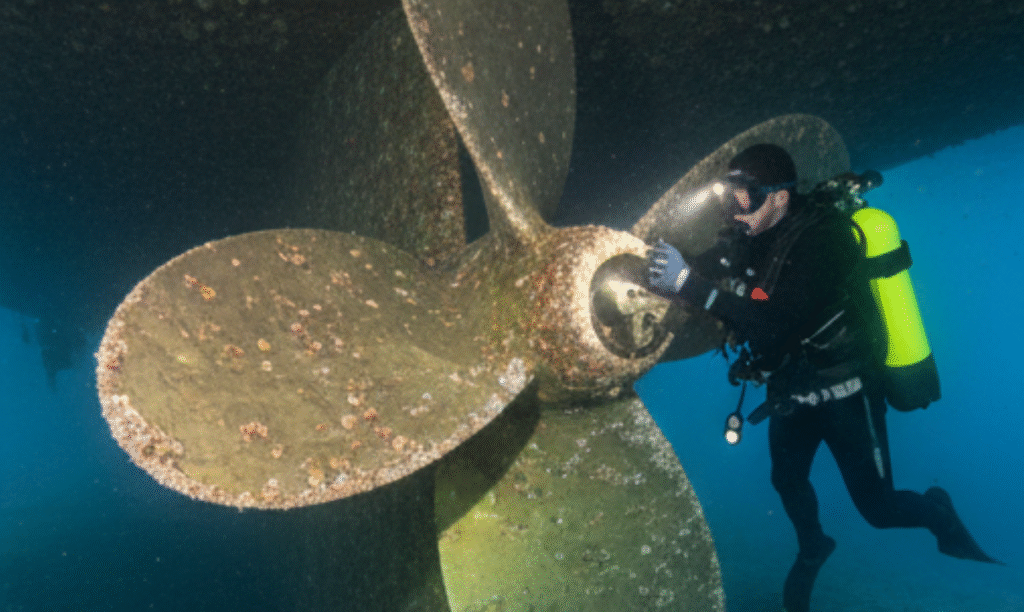
Hull cleaning is the process of removing algae, barnacles, and other marine organisms that stick to the underwater surface of a vessel. Over time, this buildup—known as biofouling—creates drag, slows ships down, and increases fuel consumption. In the world of shipping, even a small amount of biofouling can reduce efficiency by up to 20%. Hull Cleaning in Gabon ensures vessels operate at peak performance while meeting international environmental standards.
What Makes Gabon a Key Maritime Hub
Gabon’s coastal position along the Gulf of Guinea makes it a central node for trade routes between Africa, Europe, and South America. Its growing ports, such as Port-Gentil and Libreville, are equipped with modern maritime infrastructure. These advantages make Hull Cleaning in Gabon not only accessible but also strategically beneficial for vessels needing maintenance without delaying voyages. The government’s environmental policies also support green shipping initiatives, encouraging cleaner operations.
The Basics of Hull Cleaning Explained
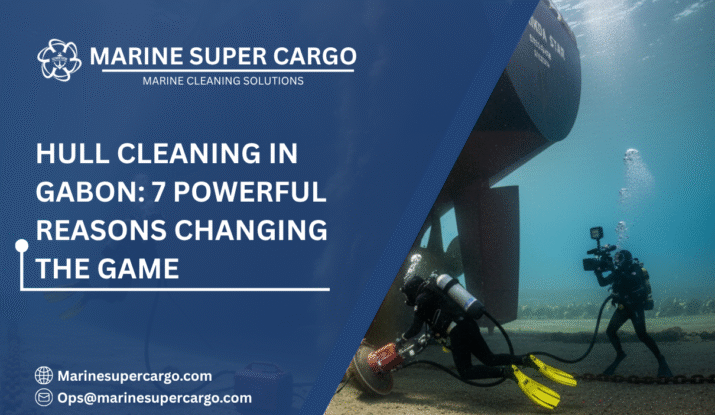
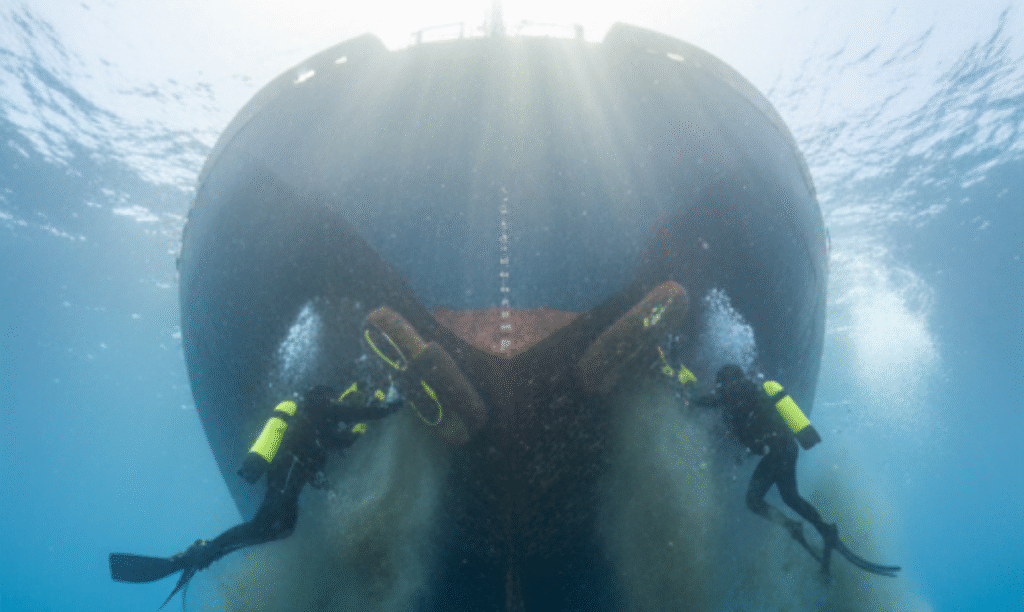
The process of Hull Cleaning in Gabon typically involves a combination of underwater inspection, surface cleaning, and post-cleaning reports. Divers or robotic systems remove fouling while ensuring paint coatings remain intact. Cleaning can be done in-water or during dry-docking, depending on the ship’s schedule. A well-cleaned hull not only saves fuel but also prolongs the vessel’s life, enhancing overall performance in rough seas. Also read about underwater ship hull cleaning in Moroni.
Manual vs. Robotic Hull Cleaning
Manual cleaning involves divers using scrapers and brushes to clean the ship’s hull, while robotic cleaning uses advanced machines equipped with cameras and sensors. In Gabon, both methods are available, but robotic cleaning is gaining popularity for its precision and safety. It reduces human risk, provides detailed data, and supports environmentally safe disposal of waste materials. The adoption of robotic technology marks a new era for Hull Cleaning in Gabon.
How Biofouling Affects Ship Efficiency
Biofouling acts like an extra weight on a ship. The buildup increases resistance as the vessel moves through water, leading to higher fuel consumption and CO₂ emissions. For large vessels, this can translate into thousands of dollars in unnecessary fuel expenses each voyage. Regular Hull Cleaning in Gabon minimizes these issues, keeping ships lighter, faster, and more fuel-efficient while also reducing carbon footprints. Also, know about underwater ship hull cleaning in Mutsamudu.
“Marine cleaning, anytime. Anywhere. 🌊 #GlobalMarine”#shipping #maritime #ship #cruises #sealife #port #shipping #marine #captain #vessel #ships #cargo pic.twitter.com/GgKTqEMETK
— Marine Super Cargo (@Marinsupercargo) October 4, 2025
Environmental Impact of Hull Cleaning in Gabon
Hull cleaning not only boosts efficiency but also plays a role in protecting Gabon’s marine ecosystem. The country’s environmental regulations, aligned with the MARPOL Convention, encourage eco-friendly practices such as waste filtration and non-toxic cleaning methods. Responsible Hull Cleaning in Gabon prevents the spread of invasive species and supports sustainable shipping practices essential for the future of maritime trade.
MARPOL Convention and Green Compliance
The MARPOL Convention sets global standards for preventing marine pollution from ships. Hull Cleaning in Gabon follows these guidelines to ensure that cleaning waste does not harm ocean life. Certified service providers use advanced filtration systems to capture debris and prevent contaminants from re-entering the water. This focus on compliance strengthens Gabon’s reputation as a clean, responsible maritime nation. Read more about Underwater ship hull cleaning in Congo.
How Hull Cleaning in Gabon Reduces Fuel Costs
Fuel savings are among the biggest benefits of regular hull cleaning. Studies show that clean hulls can reduce fuel use by up to 10–15%. Given rising fuel costs, this is a major advantage for ship operators. By investing in professional Hull Cleaning in Gabon, shipowners can cut expenses, extend maintenance cycles, and improve voyage planning. It’s a win-win for both the environment and the economy.
Case Study – A Real-World Example
A cargo vessel operating between Gabon and Nigeria underwent regular hull cleaning over six months. The result was a 12% reduction in fuel consumption and smoother voyages. This shows how consistent Hull Cleaning in Gabon not only boosts performance but also helps shipping companies remain competitive. The results speak volumes about Gabon’s growing reputation in maritime maintenance services. Learn more about Underwater ship hull cleaning in Djibouti.
Safety and Regulation: Following IMO and IMCA Standards
The IMO and IMCA set global safety and quality benchmarks for maritime operations. Hull Cleaning in Gabon follows these standards to ensure diver safety, environmental protection, and service reliability. Operators who comply with these rules avoid heavy fines and ensure their fleets remain legally operational across international waters.
Why Compliance Matters for Ship Operators
Compliance is not just about avoiding penalties—it’s about credibility and sustainability. For shipowners and operators, following international standards ensures smoother operations across global ports. When Hull Cleaning in Gabon is performed under these regulations, it guarantees cleaner results and long-term trust among clients and authorities alike.
Innovations Transforming Hull Cleaning in Gabon
From AI-powered robots to eco-friendly cleaning materials, technology is revolutionizing the maritime maintenance sector. Gabon’s ports are increasingly adopting smart systems for hull inspection and biofouling analysis. These tools help track performance metrics and schedule cleaning more efficiently. The modernization of Hull Cleaning in Gabon demonstrates how technology and sustainability can go hand-in-hand for a cleaner future. Learn about Underwater ship hull cleaning in Egypt.
Robotic and Eco-Friendly Technologies
Robotic hull cleaners equipped with cameras and magnetic wheels can operate underwater for hours, covering large surface areas efficiently. Many of these machines now use water jets instead of harsh brushes, reducing coating damage. Such eco-innovations ensure Hull Cleaning in Gabon remains compliant and efficient, offering faster turnaround without compromising the environment.
Choosing the Right Hull Cleaning Partner in Gabon
Selecting the right partner is essential for reliable results. Look for certified companies that follow IAPH guidelines and provide full inspection reports after cleaning. Experienced providers understand local regulations and ensure waste is safely managed. A trusted Hull Cleaning in Gabon provider will prioritize safety, efficiency, and eco-friendly operations for long-term partnerships.
What to Look for in a Reliable Service Provider
When choosing a hull cleaning company, verify their certifications, past project records, and compliance with international safety standards. Transparency and detailed reporting are key indicators of professionalism. The best Hull Cleaning in Gabon providers will not only clean but also monitor hull condition, providing proactive solutions to prevent future biofouling. Read more about Underwater ship hull cleaning in Libreville.
Marine Supercargo Expands Services: Drug & Alcohol Testing for Safer Seas
Marine Supercargo, a leader in global marine cleaning, has now expanded its services to include professional Drug & Alcohol Testing. This initiative ensures safer seas by promoting crew accountability and operational integrity. Shipowners and managers can now rely on Marine Supercargo for both Hull Cleaning in Gabon and onboard safety testing. These services align with international maritime regulations and help prevent accidents caused by impaired performance. By integrating hull cleaning and crew safety measures, Marine Supercargo sets new standards in maritime care and compliance.
Future Trends in Hull Cleaning and Marine Safety
The future of Hull Cleaning in Gabon looks promising, with increasing automation, data-driven scheduling, and sustainable cleaning methods. More shipping companies are investing in predictive maintenance tools that alert them when cleaning is due. Combined with initiatives like drug and alcohol testing, Gabon’s maritime sector is steering toward a cleaner, safer, and more efficient era. Also read about Underwater Hull Cleaning in Gambia
Conclusion – The Future is Clean and Compliant
Hull Cleaning in Gabon is not just a maintenance task; it’s a vital step toward sustainable and efficient shipping. From reducing fuel costs to ensuring environmental compliance, the benefits are undeniable. As the maritime industry evolves, investing in professional hull cleaning and safety measures becomes essential. To ensure optimal performance and eco-compliance, visit CleanShip.co for trusted marine cleaning solutions.
FAQs:
Q1. Why is hull cleaning essential for ships?
It removes marine growth that increases drag, improving speed and fuel efficiency while reducing maintenance costs.
Q2. How often should Hull Cleaning in Gabon be done?
Most vessels benefit from cleaning every 4–6 months, depending on travel routes and fouling levels.
Q3. What is the purpose of drug and alcohol testing at sea?
It ensures crew members are sober and capable of performing their duties safely, minimizing accidents and liability.
Q4. Are robotic hull cleaners safe for ship coatings?
Yes, modern robots use non-abrasive methods like water jets to protect anti-fouling coatings during cleaning.
Q5. How does hull cleaning support environmental goals?
By reducing fuel usage and preventing the spread of invasive species, Hull Cleaning in Gabon promotes cleaner oceans.