Hull Cleaning in Annaba: A Complete Maritime Guide
Hull cleaning in Annaba has become a key part of modern vessel maintenance in Algeria’s eastern port. Annaba, known for its shipbuilding and industrial activities, plays a major role in regional trade. Yet, marine fouling—when algae, barnacles, and shells attach to ship hulls—remains a serious challenge. This buildup increases drag, fuel consumption, and emissions.
Regular hull cleaning restores vessel performance and reduces operational costs. It’s not just maintenance—it’s an investment in efficiency, safety, and sustainability. This guide explores everything about hull cleaning in Annaba, from techniques to environmental benefits and future trends shaping this vital maritime service.
Why Hull Cleaning in Annaba Matters for Every Vessel
Ships arriving at Annaba face one shared problem: biofouling. Marine organisms naturally attach to submerged surfaces, forming dense layers that reduce fuel efficiency and speed. Hull cleaning in Annaba removes these organisms, improving hydrodynamics and overall vessel performance. Ignoring fouling can lead to higher operational expenses, greater CO₂ emissions, and engine strain.
Annaba’s maritime authorities encourage sustainable hull cleaning practices aligned with IMO guidelines. For ship owners, this is not merely a routine job—it’s a cost-effective way to enhance performance, extend hull life, and contribute to cleaner oceans around Algeria’s bustling coastal waters.
The Process of Hull Cleaning in Annaba
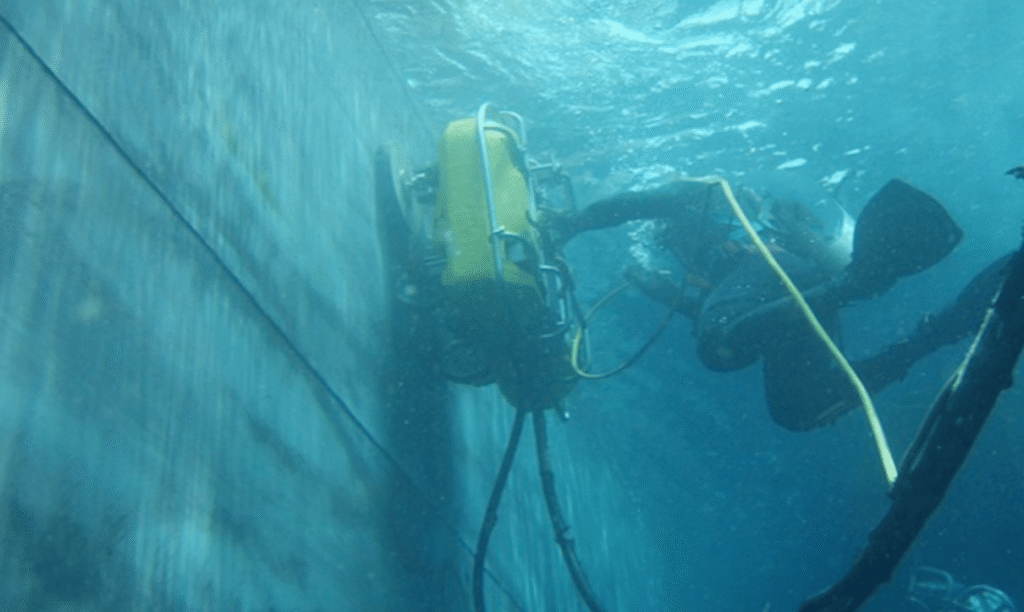
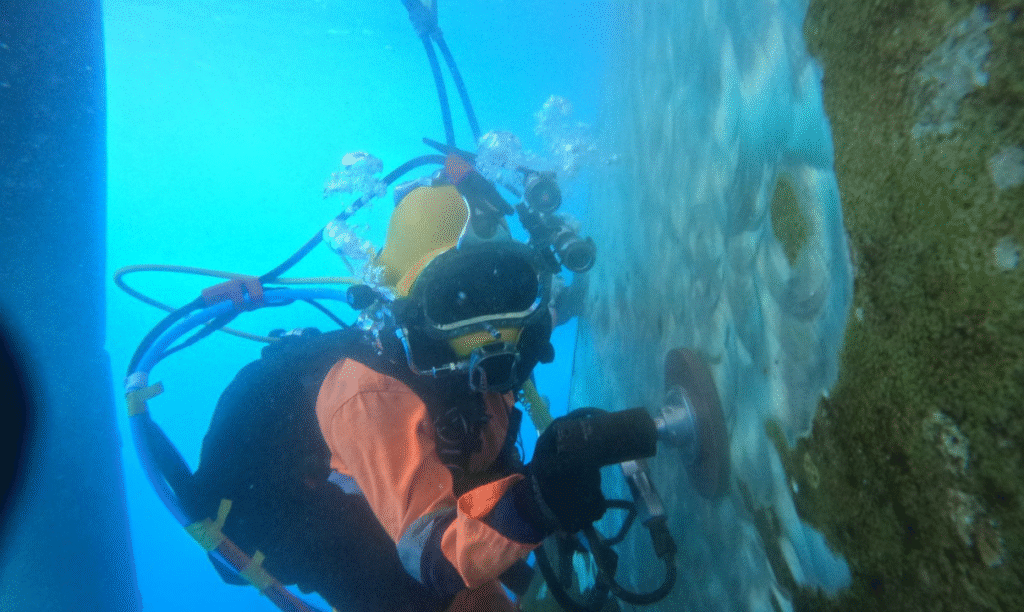
The process of hull cleaning in Annaba is a combination of precision and expertise. Certified divers or remotely operated vehicles (ROVs) are used to remove biofouling while maintaining hull integrity. Cleaning tools range from rotating brushes and hydraulic scrapers to high-pressure water jets. The goal is to remove growth without damaging the antifouling coating.
Modern providers follow MARPOL and IMCA standards to ensure environmental compliance. Waste materials are collected safely to prevent pollution. This entire process, done underwater, allows vessels to remain operational—saving dry dock time and maximizing productivity without disrupting shipping schedules in Annaba.
Environmental Benefits of Hull Cleaning
Hull cleaning in Annaba offers remarkable environmental advantages. A clean hull means less fuel consumption, reducing greenhouse gas emissions significantly. It also minimizes the risk of transferring invasive marine species between ecosystems—a major issue for global maritime biodiversity. By adhering to eco-friendly cleaning practices, vessel operators contribute to sustainable ocean management.
Local authorities in Annaba are increasingly focused on promoting green shipping, and hull cleaning plays a big role in this mission. Clean hulls not only save money but also protect the environment, ensuring that Algerian waters remain healthy, productive, and free from harmful biological contamination. Know more about underwater ship hull cleaning in Oran.
Economic and Operational Advantages
Hull cleaning in Annaba is one of the smartest financial decisions ship owners can make. A fouled hull increases drag, forcing engines to work harder and burn more fuel—sometimes up to 40% extra. Regular cleaning restores efficiency, cutting fuel costs and enhancing travel speed. It also prolongs the lifespan of coatings and machinery by reducing strain.
Fewer repairs mean less downtime and lower maintenance costs. With fluctuating global fuel prices, operational savings from clean hulls are substantial. By prioritizing maintenance in Annaba, ship operators gain not only financial stability but also reliability and competitiveness in global trade routes. Read more about underwater ship hull cleaning in Algeria.
Safety, Compliance, and Global Standards
Hull cleaning in Annaba is essential for meeting international maritime safety and environmental regulations. The International Maritime Organization (IMO) and the International Association of Ports and Harbors both stress regular cleaning to reduce pollution and maintain vessel performance. Compliance prevents costly fines, detentions, or operational delays. Clean hulls ensure better propulsion control, stability, and maneuverability—critical for safety at sea.
Following IMCA safety standards protects divers and technicians during operations. For operators in Annaba, regular hull cleaning reflects professionalism, environmental responsibility, and adherence to global maritime laws, ensuring ships meet inspection standards at every major port worldwide.
Innovative Technologies in Hull Cleaning
Innovation is reshaping hull cleaning in Annaba with robotic systems and AI-based inspection tools. Advanced remotely operated vehicles (ROVs) can perform precise, damage-free cleaning in less time than manual methods. These machines use sensors, cameras, and automated brushes to detect fouling patterns and ensure thorough cleaning. Learn more about underwater ship hull cleaning in Skikda
AI tools can predict fouling growth, helping operators plan maintenance proactively. Additionally, eco-friendly coatings are being developed to resist biofouling naturally. This technological evolution ensures faster operations, minimal human risk, and reduced environmental impact. Annaba’s adoption of these innovations places it among the leading Mediterranean ports for sustainable maritime maintenance practices.
“Marine cleaning, anytime. Anywhere. 🌊 #GlobalMarine”#shipping #maritime #ship #cruises #sealife #port #shipping #marine #captain #vessel #ships #cargo pic.twitter.com/GgKTqEMETK
— Marine Super Cargo (@Marinsupercargo) October 4, 2025
Choosing Reliable Hull Cleaning Services in Annaba
Selecting a qualified provider for hull cleaning in Annaba is crucial for long-term success. Reputable companies follow IMO and IMCA standards, employ trained divers, and provide detailed inspection reports after cleaning. They use advanced tools to ensure coatings remain intact and the cleaning process is environmentally safe.
CleanShip.co is one such trusted provider known for global expertise and sustainable operations. Ship owners should always verify certifications, cleaning techniques, and waste management protocols before hiring a service. A reliable partner ensures safety, regulatory compliance, and consistent performance—saving both time and resources for operators managing fleets in Annaba.
Common Challenges in Hull Cleaning Operations
Hull cleaning in Annaba faces several practical challenges, from changing sea conditions to strict environmental guidelines. Poor visibility, rough currents, and sediment-rich waters can make operations complex. Overcleaning may damage hull coatings, while undercleaning leaves fouling behind. Disposing of waste without contaminating marine habitats also demands compliance with MARPOL standards.
Skilled divers and advanced equipment help overcome these issues. Continuous training, precise inspection tools, and adherence to international protocols are essential for maintaining quality. Despite challenges, professional teams in Annaba ensure safe, efficient, and environmentally responsible hull cleaning under a variety of operating conditions. Also read about ship hull cleaning in Algeria. Also read about ship hull cleaning in Algeria.
Marine Supercargo Expands Services: Drug & Alcohol Testing for Safer Seas
Marine Supercargo, known worldwide for its marine inspection and cleaning services, has expanded its expertise beyond hull cleaning in Annaba to include drug & alcohol testing for marine professionals. This new initiative enhances onboard safety and compliance with international maritime laws.
The testing ensures crew members are fit for duty, reducing risks of human error and accidents at sea. It supports IMO and IMCA regulations promoting safety, discipline, and accountability. By introducing certified testing services, Marine Supercargo reinforces its mission to maintain safer, cleaner, and more compliant maritime operations. It’s a significant step toward safer global shipping practices.
The Future of Hull Cleaning in Annaba
The future of hull cleaning in Annaba looks bright, driven by automation, sustainability, and data-based efficiency. AI-driven inspection systems will soon detect fouling in real time, allowing predictive maintenance. Eco-friendly antifouling coatings will reduce the frequency of cleaning and protect marine life.
The integration of robotics and remote monitoring will make operations safer, faster, and more precise. Collaboration between Annaba’s port authorities, marine experts, and environmental organizations will set new benchmarks for green maritime practices. As these advancements evolve, Annaba will continue to strengthen its position as a leader in sustainable ship maintenance in North Africa. Also know about underwater ship hull cleaning in Lobito
Conclusion
Hull cleaning in Annaba is more than a maintenance routine—it’s a cornerstone of modern, responsible shipping. It saves fuel, enhances safety, and supports environmental sustainability. Regular cleaning ensures compliance with global regulations and protects both vessels and ecosystems. Partnering with reliable experts like CleanShip.co guarantees efficient, eco-friendly, and compliant solutions. Investing in hull cleaning today means smoother sailing tomorrow—cleaner seas, lower costs, and a stronger maritime future for Annaba and beyond.
FAQs:
Q1. Why is hull cleaning in Annaba essential for ships?
It removes marine growth, reduces drag, and improves fuel efficiency while ensuring ships meet international safety and environmental standards.
Q2. How often should hull cleaning be performed?
Most vessels in Annaba’s waters benefit from hull cleaning every 3–6 months, depending on their operating routes and fouling conditions.
Q3. How does hull cleaning support environmental sustainability?
It lowers fuel consumption, reduces emissions, and prevents the spread of invasive marine species, protecting Algeria’s marine biodiversity.
Q4. What is the role of drug and alcohol testing in shipping?
Testing ensures crew fitness, reduces accident risks, and helps vessel operators comply with international maritime safety regulations.
Q5. Why choose certified professionals for hull cleaning?
Certified providers follow IMO and IMCA protocols, ensuring safety, compliance, and eco-friendly cleaning that enhances long-term vessel performance.