
Expert Hold Cleaning in Khorfakkan MARPOL Compliant & Zero Residue
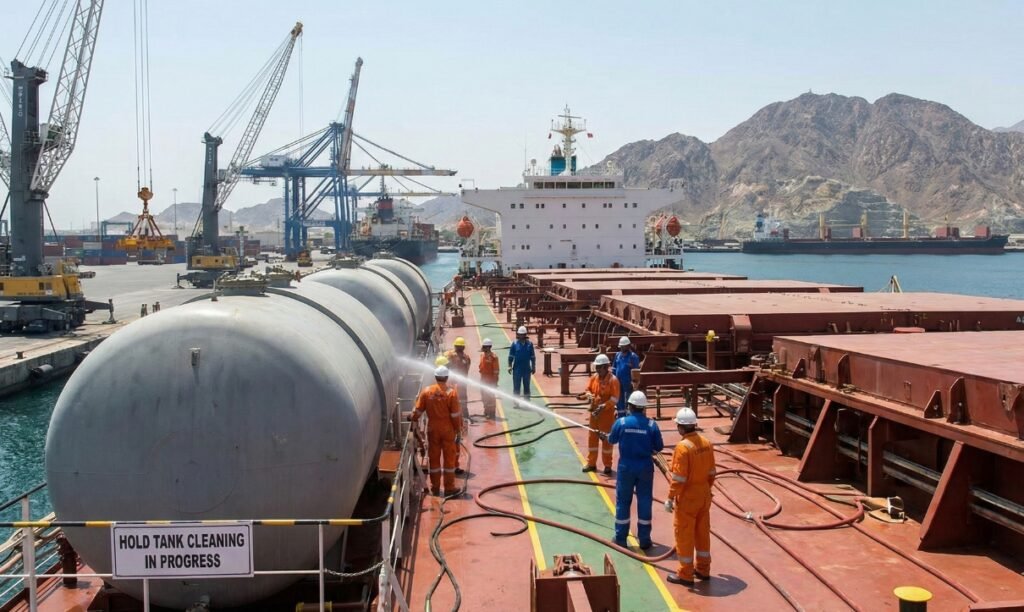
If your vessel is calling Khorfakkan and preparing for the next high-value cargo, there’s one mission you cannot afford to skip — Hold Cleaning in Khorfakkan MARPOL Compliant procedures. In a port as fast-paced and inspection-intensive as Khorfakkan, clean holds are not just a preference; they’re a strict requirement.
In this guide, let’s walk through how expert teams deliver zero-residue results, why MARPOL compliance is essential, and how you can protect your vessel from costly delays, cargo claims, and charterer disputes.
Why Hold Cleaning in Khorfakkan MARPOL Compliant Standards Matter
“Why does everyone emphasize compliance?” you may wonder. Because Hold Cleaning in Khorfakkan MARPOL Compliant operations protect your vessel from avoidable trouble. MARPOL regulations, highlighted on IMO, aim to prevent marine pollution—meaning residue discharge, wash water, sludge, and contaminants must be handled responsibly.
When your hold meets MARPOL standards, you instantly earn:
- Better charterer acceptance
- Reduced contamination risks
- Stronger vessel reputation
- Zero-delay cargo readiness
Understanding Khorfakkan’s Strategic Role in Global Shipping
Khorfakkan sits on one of the busiest maritime routes worldwide. Vessels constantly shift from coal to grain, from fertilizer to aggregates. This rapid switch increases the need for Hold Cleaning in Khorfakkan MARPOL Compliant processes to ensure no residue contaminates the next load.
The port’s modern facilities attract major vessels, but high traffic means inspections are strict and time windows are short. That’s why cleaning efficiency must match world-class standards.
What Makes MARPOL Compliance Non-Negotiable
According to the MARPOL Convention, explained by Marine Insight, vessels must avoid releasing harmful residues into the ocean. To stay compliant:
- Wash water must be handled responsibly
- No discharge of chemicals must occur
- Contaminants must be contained
- Cleaning must avoid environmental risk
Failing to follow Hold Cleaning in Khorfakkan MARPOL Compliant standards may result in:
- Heavy fines
- Port delays
- Off-hire losses
- Cargo rejection
And trust us—cargo rejection is every captain’s nightmare. Also, read about professional hold cleaning in Fujairah.
Key Challenges of Hold Cleaning in Khorfakkan MARPOL Compliant Operations
Hold cleaning in Khorfakkan isn’t easy. The region’s humidity, dust, and heat complicate the job. Add tight schedules, last-minute cargo changes, and surprise inspections, and the stakes rise even higher.
Some frequent challenges include:
- Stubborn coal dust and oily residues
- Hard-to-remove cement deposits
- Fertilizer contamination
- Bulk cargo scale
- Rust, oxidation, and moisture pockets
This is where specialized Hold Cleaning in Khorfakkan MARPOL Compliant teams prove their worth.
“Marine cleaning, anytime. Anywhere. 🌊 #GlobalMarine”#shipping #maritime #ship #cruises #sealife #port #shipping #marine #captain #vessel #ships #cargo pic.twitter.com/GgKTqEMETK
— Marine Super Cargo (@Marinsupercargo) October 4, 2025
Step-by-Step Process of Expert Hold Cleaning
Professional teams follow a meticulous process:
- Pre-Inspection & Planning
- Removal of loose debris
- High-pressure freshwater washing
- Chemical wash (only MARPOL-approved agents)
- Scaling, scraping & de-rusting
- Spot-cleaning & whitening
- Drying & ventilation
- Final inspection using reports, photos & standards
Each step reinforces one thing: Hold cleaning in Khorfakkan MARPOL Compliant workflows must be transparent, efficient, and documentation-ready. Learn more about the Top 7 Benefits of Underwater Ship Hull Cleaning in the UAE.
Types of Residues Removed During Hold Cleaning
Every bulk cargo leaves its footprint. Teams remove:
- Coal dust
- Grain residues
- Fertilizer chemicals
- Cement clinker
- Sulfur residue
- Petcoke deposits
- Rust scale
All cleaned using MARPOL-approved solutions, making hold cleaning in Khorfakkan MARPOL Compliant operations fully sustainable.
Zero-Residue Cleaning: What It Really Means
“Zero residue” sounds ambitious—but with trained crews, it’s achievable.
Zero residue means:
- No visible contaminants
- No odor
- No chemical traces
- No moisture buildup
- No loose scale
- Cargo-ready holds
This is what charters expect—especially with sensitive cargo like grain or aggregates. Read more about Hold Cleaning Services at Khorfakkan – 7 Powerful Benefits.
Why Hold Cleaning in Khorfakkan? MARPOL Compliant Methods Reduce Risks
When a vessel follows Hold Cleaning in Khorfakkan MARPOL Compliant standards, it reduces:
- Cargo damage
- Moisture contamination
- Infestation risk
- Mold formation
- Port inspection failures
- Off-hire days
One mistake can cost thousands. Compliance is your safety net.
Safety Protocols Guided by IMO & IMCA Standards
Both IMO and IMCA emphasize safety-driven marine operations. Cleaning teams follow strict guidelines:
- Enclosed space entry safety
- Ventilation checks
- PPE enforcement
- Gas monitoring
- Ladder & scaffold safety
- High-pressure equipment safety
Good cleaning is safe cleaning — and hold cleaning in Khorfakkan MARPOL-compliant solutions depend heavily on safety culture.
Environmental Responsibility in Hold Cleaning Operations
Khorfakkan follows global sustainability rules, supported by IAPH. Cleaning teams must ensure:
- No chemical runoff
- No illegal discharge
- MARPOL-approved detergents only
- Controlled waste disposal
This keeps the port environmentally responsible—and your vessel compliant.
Cost-Saving Advantages for Ship Owners & Operators
A well-cleaned hold is a financial advantage. You save on:
- Off-hire time
- Cargo delays
- Disputes with charterers
- Cleaning repeat jobs
- Port rejections
That’s why commanders insist on Hold cleaning in Khorfakkan MARPOL Compliant operations every single time. Read more about Cargo Ship Cleaning in Sharjah – 7 Powerful Hold Solutions.
Common Mistakes During Hold Cleaning and How to Avoid Them
Avoid:
- Using non-approved chemicals
- Incomplete washing
- Poor drying
- Ignoring rust scale
- Skipping ventilation
These errors can lead to cargo rejection. Professional teams help you avoid this entirely.
Marine Supercargo: Global Cleaning, Cargo Supervision & Compliance Support
Marine Supercargo professionals play a crucial role in global maritime operations. They ensure that tank and hold cleaning is performed according to international standards, while also coordinating vessel readiness before cargo loading. Their responsibilities include monitoring high-risk cargoes, verifying cleanliness levels, and conducting detailed inspections to meet charterer expectations. Also read about Top 7 Powerful Ways Drug Testing for Shipping Saves Assets.
Why Professional Divers and Cleaning Teams Matter
Expert divers and cleaning specialists understand:
- MARPOL rules
- Cargo switching needs
- Port expectations
- Advanced cleaning methods
This makes Hold Cleaning in Khorfakkan MARPOL Compliant services far more reliable.
Final Checks, Inspections & Digital Reporting
Modern reporting uses:
- Photos
- Condition logs
- MARPOL references
- Washwater documentation
This ensures your ship passes every inspection easily.
Conclusion
Hold cleaning in Khorfakkan MARPOL Compliant operations are your vessel’s shield against delays, disputes, and environmental mistakes. By ensuring zero residue, following IMO and MARPOL rules, and using expert teams, you protect your ship, your reputation, and your future voyages.
Key Takeaways:
- MARPOL compliance prevents delays, fines, and cargo rejections.
- Zero-residue cleaning ensures charterer satisfaction.
- Professional teams provide reliable, fast, and approved cleaning.
For guaranteed MARPOL-approved results, expert support, and fast turnaround, choose CleanShip.co for your next operation.
FAQs:
Q1. How long does Hold Cleaning in Khorfakkan typically take?
Usually 12–24 hours depending on cargo, residues, and weather.
Q2. What makes MARPOL-approved chemicals different?
They are environmentally safe and allowed for discharge under strict guidelines.
Q3. Can holds be cleaned during cargo discharge?
In most cases no—safety rules require dedicated time post-discharge.
Q4. How do inspectors judge a clean hold?
Based on visual inspection, dryness, odor, residue presence, and readiness for cargo.
Q5. Do all vessels need MARPOL-compliant cleaning?
Yes. Any vessel handling bulk cargo must follow MARPOL guidelines.