
Implementing a workplace drug testing policy might seem like navigating stormy seas, but with the right approach, it can bring calm and clarity to your organization. Whether you’re a ship owner, operator, or manager, establishing a drug testing policy not only enhances safety but also promotes compliance and productivity.
In this article, we’ll chart a course through critical steps and practical advice on creating and enforcing an effective workplace drug testing program designed for the maritime and broader industrial sectors.
Understanding the Importance of Workplace Drug Testing
Workplace drug testing is more than just a formality; it acts as a lighthouse guiding your organization toward a safer, more efficient working environment. A solid drug testing program reduces accidents, improves team morale, and ensures compliance with regulations like those set by IMO and IMCA.
For ship owners and operators, it’s also vital to avoid operational disruptions and environmental hazards caused by impaired crew performance. By understanding these benefits, you can anchor your policy in real-world value.
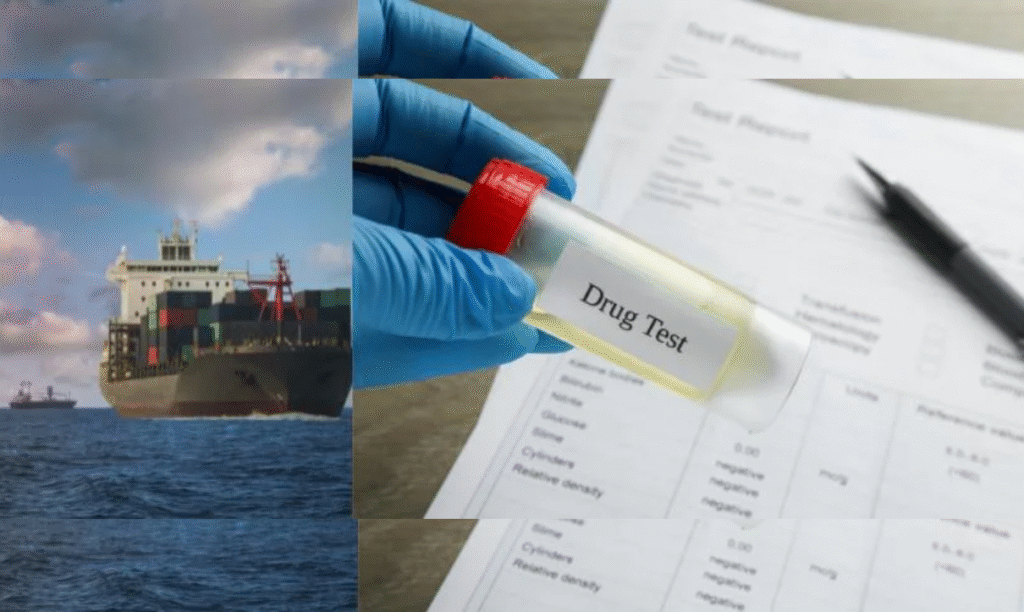
Types of Workplace Drug Testing You Can Use
There’s no one-size-fits-all in drug testing. Different methods serve diverse needs and contexts—urine, saliva, hair, and blood tests each have strengths and trade-offs. Urine testing is widely used for accuracy and cost-effectiveness, while saliva tests offer quick, non-invasive samples.
Hair testing helps identify long-term drug use, but it isn’t common for immediate workplace checks. Knowing these types helps you choose the right tool to ensure your drug testing policy is effective and efficient. Also, learn about the Importance of Drug Testing at Work.
Legal and Ethical Considerations in Drug Testing
Navigating legal waters is essential when implementing drug testing. Regulations vary by country and sector but generally emphasize employee privacy, consent, and non-discrimination. For maritime industries, alignment with international bodies like IMO and MARPOL is critical to maintaining compliance and avoiding fines or legal challenges.
You must inform employees clearly about tests, handle data confidentially, and maintain fairness to protect both your organization and its people.
Crafting a Clear and Comprehensive Drug Testing Policy
A good drug testing policy should read like a ship’s navigation chart—clear, comprehensive, and easy to follow. It must outline who will be tested, under what circumstances (pre-employment, random, post-accident), what substances are screened for, and the consequences of violations.
Transparency builds trust, making employees more accepting of the process. Use straightforward language and distribute the policy widely to ensure everyone on board understands their role in maintaining safety.
✅ 4 Things to Check for Safety at Sea pic.twitter.com/dAxhJQ2i6U
— Marine Super Cargo (@Marinsupercargo) September 14, 2025
Training Managers and Supervisors on Drug Testing Procedures
Your managers and supervisors are the frontline crew in enforcing the drug testing policy. Training them thoroughly equips them to recognize signs of substance abuse, handle testing procedures sensitively, and support affected employees effectively.
Like skilled navigators, they ensure the program runs smoothly without creating unnecessary friction or fear. Plus, training fosters fairness and consistency—key to legal compliance and moral integrity. Also read about Ensuring safer seas with 0 risks through cargo safety testing.
Choosing the Right Drug Testing Vendor
Selecting a trustworthy drug testing vendor is like choosing a reliable first mate. They must provide accurate, timely results, handle samples ethically, and stay updated on legal and technological changes. Look for vendors with maritime experience who understand your industry’s unique challenges.
Vendors linked with CleanShip.co or those recommended by IMCA and IMO offer credibility and compliance assurance. Don’t rush this step—it’s crucial for your policy’s success.
Communicating the Policy to Your Workforce
Effective communication is not just announcing the policy in a memo—it’s about engaging your workforce in understanding why workplace drug testing matters. Utilize meetings, written materials, and Q&A sessions to explain benefits and procedures clearly.
Address fears and misconceptions to reduce resistance. When your crew feels informed rather than coerced, compliance improves dramatically, creating a safer and more productive workplace culture. Learn more about Employee Alcohol Testing.
Handling Positive Test Results with Care and Consistency
Discovering a positive test result should trigger a thoughtful and consistent response system, not punitive chaos. Establish clear steps, including confidential notification, counseling, and options for rehabilitation. In maritime settings, ensuring crew members receive support while maintaining ship safety is paramount. Transparency in consequences combined with compassion helps maintain morale and reduces the stigma around seeking help for substance problems.
Monitoring and Reviewing Your Drug Testing Program
Like maintaining a ship’s hull, your drug testing program needs ongoing inspection and upkeep. Regularly monitor effectiveness through data analysis and feedback from employees and supervisors. Review policies annually to reflect regulatory updates or operational realities. This proactive approach catches potential gaps early and ensures the program remains aligned with your goals of safety, compliance, and efficiency.
Future Trends in Workplace Drug Testing and Maritime Compliance
The horizon of workplace drug testing is bright with innovations such as instant testing technology, AI-powered analytics, and expanded panels detecting new substances. Integration with digital record-keeping enhances compliance and audit readiness.
For maritime industries, growing emphasis on environmental stewardship and crew health makes drug and alcohol testing even more crucial. Staying ahead of these trends ensures your policy remains a competitive advantage in safeguarding your people and operations.
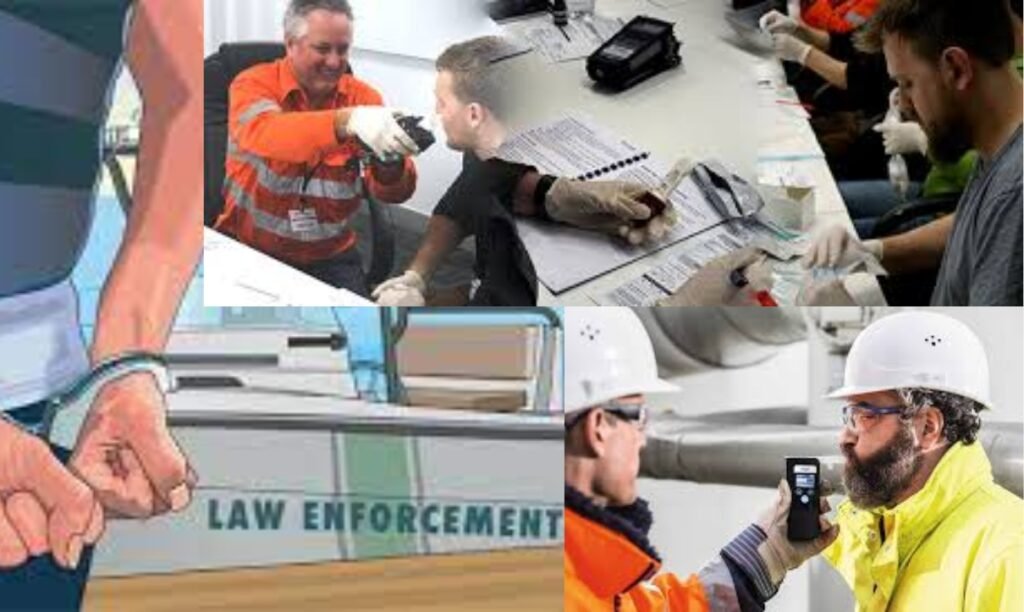
Marine Supercargo Expands Services: Drug & Alcohol Testing for Safer Seas
Marine Supercargo, a leader in global marine cleaning, now offers specialized Drug & Alcohol Testing services tailored for maritime operations. This new service supports ship owners, operators, and managers in maintaining crew safety and adhering to international maritime rules set by IMO and IMCA.
By combining their expertise in cleaning with professional testing, Marine Supercargo helps ensure your crew’s well-being and operational efficiency while reducing the risk of accidents at sea. This expansion underscores growing industry recognition of substance testing as part of comprehensive maritime compliance and safe ship operations.
Conclusion: Three Key Takeaways on Implementing Workplace Drug Testing
Implementing workplace drug testing isn’t just a policy—it’s an essential investment in your organization’s safety, compliance, and efficiency. First, clear and fair policies build trust and boost morale. Second, training and proper vendor selection ensure accuracy and fairness.
Third, monitoring and adapting your program keeps you ahead of regulatory and operational challenges. You’re invited to explore CleanShip.co for trusted guidance on maritime compliance and innovative in-vessel cleaning solutions that complement your drug testing strategy for safer, greener seas.
FAQs:
Q1: Why is drug testing critical in maritime workplaces?
Drug testing helps prevent accidents, ensures crew safety, and maintains compliance with maritime regulations like IMO and MARPOL, which are crucial for operational efficiency.
Q2: How often should workplace drug testing be conducted?
Testing frequency varies—common practices include pre-employment, random, post-incident, and periodic checks, ensuring ongoing safety and compliance.
Q3: What substances are typically screened in workplace drug testing?
Commonly screened substances include marijuana, cocaine, opiates, amphetamines, and alcohol, which can impair performance and safety.
Q4: How does Marine Supercargo’s new drug testing service help ship managers?
It offers professional substance testing aligned with maritime standards, helping maintain compliance, crew safety, and reducing operational risks.
Q5: Can workplace drug testing help reduce environmental impact?
Yes, by preventing impaired crew actions that may cause accidents and spills, drug testing supports safer operations and environmental protection under MARPOL guidelines.