
Ensuring Safety in High-Risk Industries with Drug Testing
Working in high-risk environments demands constant vigilance, discipline, and trust. In sectors like shipping, construction, aviation, or energy, one small mistake can have massive consequences. That’s why drug testing in high-risk industries plays such a crucial role—it’s about saving lives, protecting assets, and ensuring operations run without compromise.
Unlike standard workplaces, high-risk industries rely on complete mental focus and precision. Drug or alcohol impairment can destroy that balance instantly. By embracing rigorous testing programs, organizations demonstrate their commitment to accountability and safety. It’s not about distrust—it’s about creating workplaces where everyone can perform their duties confidently and responsibly.
Defining Drug Testing in High-Risk Industries
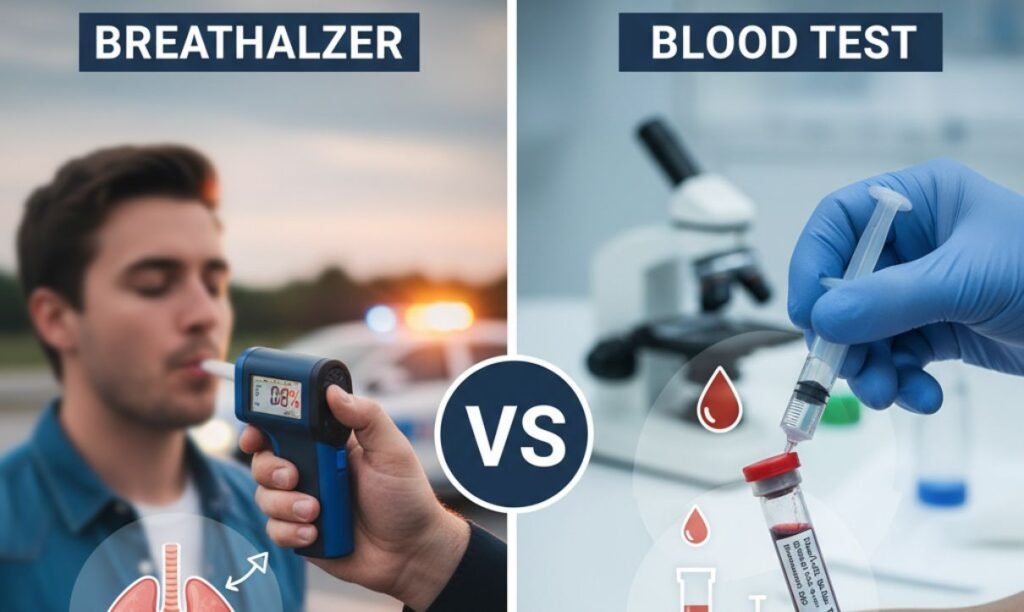
Drug testing in high-risk industries refers to systematic programs aimed at identifying substance use among employees or contractors in safety-sensitive roles. These programs include pre-employment, random, and post-incident testing to ensure only fit and sober individuals operate critical equipment or navigate demanding environments. The testing methods—urine, saliva, hair, and sweat—provide accurate and timely results.
Implementing such programs helps organizations proactively manage human risks. It safeguards employees from workplace harm while maintaining operational integrity. In essence, drug testing in high-risk industries forms the backbone of modern safety frameworks that keep people, property, and the planet secure.
Why High-Risk Environments Demand More
In most industries, a minor error can be corrected. But in marine, construction, or oil sectors, a single impaired action can cause catastrophic losses. That’s why drug testing in high-risk industries is not just a compliance checkbox—it’s a moral responsibility. Operators handle heavy machinery, navigate complex systems, or work in confined, hazardous environments.
Any lapse in judgment can trigger accidents or environmental damage. Regular testing helps detect issues early and reinforces behavioral accountability. Through consistent monitoring, employers reduce risks associated with fatigue, stress, and substance misuse, ensuring every team member functions alertly and ethically under pressure.

The Core Science Behind Testing
Understanding the science behind drug testing in high-risk industries helps clarify its importance. Different biological samples detect different usage periods—saliva tests for recent use, urine for short-term use, and hair for long-term patterns. Advanced immunoassay and chromatography methods ensure precise substance identification. These procedures measure drug residues or metabolites—tiny chemical traces that remain after consumption.
By verifying results through accredited labs, testing prevents false outcomes. The science ensures fairness while supporting transparency. Ultimately, a scientifically valid process helps maintain legitimate, trustworthy assessments that protect both employees’ rights and the organization’s regulatory responsibilities. Also read about Offshore Crew Testing: 7 Best Practices for Safer Seas.
Compliance and International Standards
Regulations across global sectors strongly endorse drug testing in high-risk industries. Frameworks from IMO, IMCA, and IAPH mandate critical safety practices, ensuring seafarers and workers remain substance-free while operating under international law. Compliance with MARPOL Convention guidelines further reduces environmental hazard potential. These standards safeguard companies from legal exposure and reputational harm.
Many flag states and port authorities request documented evidence of testing programs during audits. When organizations follow these frameworks, they ensure risk management excellence aligned with worldwide maritime and industrial compliance practices—reinforcing the shared mission of safer, sustainable global operations.
“Marine cleaning, anytime. Anywhere. 🌊 #GlobalMarine”#shipping #maritime #ship #cruises #sealife #port #shipping #marine #captain #vessel #ships #cargo pic.twitter.com/GgKTqEMETK
— Marine Super Cargo (@Marinsupercargo) October 4, 2025
Marine Supercargo Expands Services: Drug & Alcohol Testing for Safer Seas
Marine Supercargo, a globally recognized provider in marine cleaning and compliance, has expanded its portfolio to include professional drug & alcohol testing. These services complement CleanShip’s environmentally focused operations, ensuring that vessel crews operate with focus and integrity. Through this program, marine operators and shipowners meet IMO and MARPOL compliance while reducing risk during long voyages.
Marine Supercargo’s approach integrates portable, accurate testing technologies into existing safety frameworks. The initiative helps maintain operational consistency and regulatory credibility. By extending its expertise from hull cleaning to human reliability, Marine Supercargo reinforces its dedication to building safer, smarter, and cleaner oceans for everyone.
Economic and Operational Benefits
Beyond compliance, drug testing in high-risk industries delivers tangible financial savings and efficiency gains. Preventing even one major incident can offset program costs many times over. Reduced insurance claims, fewer downtime delays, and improved reputation all translate into measurable value. Testing also improves confidence among investors, partners, and regulators.
Operationally, teams perform better when everyone is alert, healthy, and accountable. Pre-emptive screening minimizes turnover and ensures that only dependable professionals operate sensitive equipment. The outcome is operational resilience—a system where safety awareness directly supports profitability and long-term competitive strength in global sectors. Also, know about Crew Alcohol Testing: 7 Vital Insights for Safer Seas.
Ethical and Environmental Responsibilities
Ethics and ecology both benefit from responsible management. A drug-free workforce ensures fewer environmental incidents caused by human error. Clean operations reflect accountability toward oceans and ecosystems. From a moral standpoint, drug testing in high-risk industries promotes fairness—it gives employers tools for early intervention without resorting to punitive measures.
Instead of blame, these programs emphasize support and rehabilitation. When crews and operators know their employer invests in their health and safety, it boosts morale, loyalty, and respect. This leads to cohesive, high-performing workplaces built on mutual understanding and collective responsibility. Read more about 7 Powerful Reasons Corporate Drug Testing Works.
Comparing Industry Testing Practices
Every industry tailors its safety protocol differently. In aviation, random alcohol breath tests prevent pilot fatigue and impairment. In oil and gas, saliva tests ensure alertness during high-pressure drilling shifts. Maritime organizations depend on continuous and pre-departure alcohol testing defined by IMO rules. What connects them all is a shared foundation—drug testing in high-risk industries protects people and the planet.
Unlike occasional checks, these sector-specific testing frameworks are embedded in everyday operations. The results create transparency, reliability, and accountability, ensuring that no safety protocol is compromised, no matter how challenging the environment or the schedule.
Technology and the Future of Safety
With rapid advancements, drug testing in high-risk industries is embracing automation, AI monitoring, and digital reporting. Modern handheld devices collect data instantly, transmitting results to cloud-based compliance platforms. This evolution reduces paperwork, speeds decision-making, and tracks global workforce patterns.
Future testing may use smart sensors integrated into protective equipment, alerting supervisors about potential impairment. These innovations align perfectly with IMO’s push for digitalization at sea and safety optimization. By integrating real-time analytics, organizations can transition from reactive to predictive safety models—where risk is not just identified but anticipated and controlled. Read more about 5 Crucial Reasons Drug & Alcohol Testing Matters.
How Testing Strengthens Risk Management Frameworks
Drug testing in high-risk industries forms a crucial component of sound risk management systems. Combined with training, safety drills, and mental health initiatives, it creates multidimensional protection networks. Testing identifies potential hazards before they mature, providing management with data-driven insights.
Through trend analysis, organizations can develop targeted wellness programs addressing the root causes of misuse. This structured approach turns safety monitoring into a long-term investment. Over time, embedding testing policies builds resilience, empowering teams to handle complex operations confidently, ethically, and efficiently across challenging maritime, energy, or heavy engineering environments. Also read about 7 Vital Reasons Alcohol Testing Saves Shipping Companies.
Conclusion
Drug testing in high-risk industries embodies the ultimate form of proactive safety management. It protects lives, secures operations, and sustains compliance within evolving regulatory frameworks. The three takeaways: prevention reduces accidents, compliance builds trust, and consistency ensures lasting safety. Together, these principles empower organizations to operate responsibly and efficiently.
For advanced marine compliance and integrated drug and alcohol testing programs, visit CleanShip.co—because every safe voyage and workday begins with accountability, awareness, and the right protective systems.
FAQs:
Q1. What is the purpose of drug testing in high-risk industries?
It ensures that workers handling critical operations are sober, alert, and compliant to prevent accidents and maintain safe, efficient working conditions.
Q2. Which industries are classified as high risk?
Sectors like maritime, oil and gas, aviation, construction, and mining fall under this category because errors can cause significant harm or environmental loss.
Q3. How often should testing occur in these industries?
Testing frequency depends on industry standards but usually includes pre-employment, random, and post-incident assessments to ensure continuous vigilance.
Q4. How does testing improve compliance and reputation?
Drug testing builds transparency and trust, meeting guidelines from IMCA, IMO, and MARPOL, while boosting investor and client confidence in company reliability.
Q5. What role does CleanShip.Co play in marine compliance?
CleanShip.co offers cleaning and compliance solutions that complement drug and alcohol testing—helping ship operators maintain safe, sustainable global operations.