

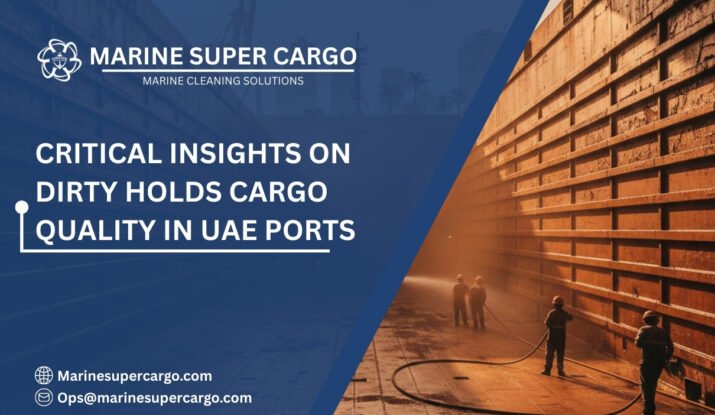
How Dirty Holds Affect Dirty Holds Cargo Quality in UAE Ports
Managing dirty holds cargo quality in UAE ports is a complex task, especially when dealing with dirty holds. These residues from previous cargos can jeopardize the integrity of your cargo, lead to costly delays, or even cause legal disputes.
Understanding how dirty holds impact cargo consistency, safety, and compliance is crucial for shipping companies operating within the UAE. We will explore the regulations, safety protocols, environmental concerns, and innovations that shape cargo handling in this region, emphasizing the importance of proper cleaning practices.
The Importance of Dirty Holds Cargo Quality in UAE Ports
Cargo holds serve as the foundation of cargo transportation. When these holds are contaminated, it can result in cross-contamination, spoilage, or chemical reactions, especially with sensitive or hazardous cargo. In the UAE, port authorities enforce strict standards to maintain cargo integrity, aligning with global protocols like IMO, IMCA, MARPOL, and IAPH. Failing to meet these standards can lead to cargo claims, off-hire costs, and damage to port and operator reputation.
UAE Regulations Governing Dirty Holds Cargo Quality in UAE Ports
UAE ports, including Dubai, Khorfakkan, and Sharjah, follow rigorous maritime and environmental regulations. These include adherence to the IMO’s guidelines for port state control, MARPOL annexes on waste discharge, and local port authority directives.
The guidelines specify the minimum cleanliness levels—ranging from “hospital clean” for high-grade cargoes to “grain clean” for bulk commodities. For example, ships discharging sulfur or cement must follow specific procedures ensuring no harmful residues remain, thereby safeguarding dirty holds cargo quality in UAE ports.

Impact of Dirty Holds Cargo Quality in UAE Ports
Residual contamination from previous cargos can produce hazards such as chemical reactions, toxicity, or spoilage, especially in food-grade or chemical shipments. Imagine loading sensitive agricultural products into a hold contaminated with previous chemical residues—this not only jeopardizes cargo quality but can also break international safety regulations.
The risk of cross-contamination also increases if holds are not thoroughly cleaned, which may cause subsequent cargos to be rejected or lead to economic losses.
Key consequences include:
- Cargo spoilage or deterioration due to residue reactions
- Legal disputes over cargo contamination claims
- Financial losses from delays, fines, or cargo rejection
- Environmental hazards caused by improper waste disposal
- Damage to the ship’s reputation if regulatory standards are ignored
Best Practices for Maintaining Dirty Holds Cargo Quality in UAE Ports
To prevent issues associated with dirty holds, shipping companies should adopt strict cleaning regimes, including:
- Regular visual inspections
- Use of certified cleaning agents
- Adequate drying and ventilation
- Proper documentation of cleaning procedures
- Employing certified cargo supervision and compliance support
Proper training of the crew on cleaning standards and safety procedures is vital. In UAE ports, adhering strictly to these practices minimizes risks linked to residual contamination, ensuring cargo safety and regulatory compliance. Read more about Hold Cleaning Services at Khorfakkan – 7 Powerful Benefits.
Safety and Environmental Responsibilities
Contaminated holds pose significant safety hazards. Toxic fumes, slippery surfaces, and confined space risks are high during cleaning operations. UAE regulations enforce comprehensive safety measures such as gas monitoring, PPE usage, and emergency protocols to ensure crew safety. Environmental concerns, meanwhile, emphasize capturing and treating wash water, preventing pollution, and proper disposal of hazardous residues.
In line with MARPOL, UAE ports require ships to manage wash water and residues responsibly. Port authorities increasingly push for sustainable practices, such as the use of biodegradable cleaners and waste recycling programs.
Cost-Saving Opportunities
Failing to comply with cargo cleanliness standards can be expensive. Delays, cargo rejections, and fines may cost thousands of dollars per voyage. Proper cleaning facilitates faster turnaround times and avoids costly disputes. Implementing standardized protocols, like those recommended by IMCA, can streamline operations, reduce labor hours, and cut costs. Read more about Cargo Ship Cleaning in Sharjah – 7 Powerful Hold Solutions.
Cost-saving tips include:
- Pre-arranged cleaning contracts with certified providers
- Utilizing automated cleaning equipment
- Training staff to handle cleaning efficiently
- Maintaining detailed records for compliance audits
Innovative Trends and Future of Dirty Holds Cargo Quality in UAE Ports
Technological advancements are transforming dirty holds cargo quality in UAE ports:
- Drones and robotic cleaners inspect and clean holds faster and more effectively
- AI-powered monitoring predicts cleaning needs based on cargo history
- Bio-enzymes and eco-friendly chemicals reduce water use and environmental impact
- Digital documentation ensures compliance with global standards
These innovations support cleaner holds, enhance safety, and reduce environmental footprints, positioning the UAE as a leader in sustainable maritime practices.
The Role of Cargo Supervision and Compliance Support
Professional cargo supervision ensures holds meet cleanliness standards before loading. Experts verify that residues are cleared, and all procedures follow international and local regulations. Companies like Marine Supercargo offer comprehensive services, including cargo supervision, hold cleaning, and recent additions like drug and alcohol testing, which bolster crew safety and regulatory compliance.
Challenges in Maintaining Dirty Holds Cargo Quality in UAE Ports
Operational constraints like tight port schedules, high cargo turnover, and adverse weather can hinder thorough cleaning. Additionally, local port regulations on waste management demand meticulous adherence. Utilizing advanced cleaning technology, certified service providers, and proper planning can mitigate these challenges effectively. Also read about Top 7 Powerful Ways Drug Testing for Shipping Saves Assets.
Significant Case Study: Achieving High Dirty Holds Cargo Quality in UAE Ports Standards
A recent example involved a chemical carrier operating in Khorfakkan. By strictly following UAE regulations and employing advanced cleaning techniques, the vessel achieved “hospital clean” standards within 24 hours, avoiding delays and cargo disputes. Proper documentation and compliance support played critical roles in ensuring seamless operations.
Training and Certification for Effective Cleaning
Crew and staff involved in cargo hold cleaning must be trained in safety protocols, chemical handling, and environmental regulations. Certifications like IMCA or NEBOSH ensure personnel are equipped to perform their duties responsibly, further reducing risks associated with poor cleaning practices.

Conclusion
The interplay between strict dirty holds cargo quality in UAE Ports regulations, environmental sustainability, and technological innovation shapes the future of cargo cleanliness in regional ports. Failing to maintain clean holds not only risks cargo contamination but also results in safety hazards, legal penalties, and financial losses. Embracing advanced cleaning methods, robust compliance protocols, and professional supervision ensures cargo quality and operational efficiency.
Marine Supercargo provides expert support in cargo supervision and compliance services, including recent safety innovations like drug and alcohol testing. Partnering with such industry leaders guarantees your vessels meet the UAE’s stringent standards and operate seamlessly. Trust the best—because cargo integrity depends on it.
FAQs:
Q1. What are the key regulations regarding dirty cargo hold cleaning in UAE ports?
Dirty cargo hold cleaning in UAE ports complies with IMO, IMCA, and MARPOL standards, requiring thorough cleaning, proper waste disposal, and detailed documentation to prevent contamination and pollution hazards.
Q2. How do I ensure cargo quality in dirty holds before loading?
Perform visual inspections, use certified cleaning agents, ensure holds are dry and ventilated, and document cleaning procedures. Expert supervision helps verify cleanliness levels, reducing risks of cargo contamination and non-compliance with UAE regulations.
Q3. What safety measures must be followed during dirty cargo hold cleaning in UAE ports?
Crew must utilize PPE, gas monitors, and follow confined space entry protocols. Proper training and emergency preparedness are vital to prevent accidents related to toxic fumes, slippery surfaces, and chemical exposure during cleaning operations.
Q4. How can advanced technology improve cargo hold cleaning efficiency?
Drones and robotic cleaners quickly detect residue and perform thorough cleaning, while AI systems predict and optimize cleaning schedules. Eco-friendly chemicals and digital records further improve efficiency and environmental compliance in UAE ports.
Q5. Why is professional cargo supervision essential in UAE ports?
Supervisors verify cleanliness, compliance with international standards, and proper waste disposal. Their expertise ensures seamless loading, minimizes disputes, and aligns with the UAE’s strict regulatory framework, safeguarding your cargo quality and port operations.