
Choosing the Best Marine Cleaning in Sekondi
Imagine your vessel gliding into Sekondi’s bustling harbor, but instead of smooth operations, grimy tanks and holds slow you down, risking fines or accidents. Choosing the best marine cleaning in Sekondi isn’t just maintenance—it’s your shield against downtime and disasters. As a mariner, you’ve felt that knot in your stomach when inspections loom. We get it. This guide walks you through smart choices, blending real-world stories with practical advice. We’ll uncover what top services offer, from tank scrubbing to regulatory nods, helping you sail confidently.
Why Marine Cleaning Matters in Sekondi
Sekondi’s port thrives on cargo ships hauling oil, grains, and more, but residues build up fast in humid, salty air—like plaque on teeth if you skip brushing. Poor cleaning leads to contamination, explosions, or rejected cargoes. Think of the 2022 incident where a bulk carrier faced delays due to residue, costing thousands. Choosing the best marine cleaning in Sekondi ensures your ship meets standards, cuts fuel use by removing drag-causing buildup, and protects crew health. It’s not optional; it’s your vessel’s lifeline in Ghana’s key trade hub.
Understanding Choosing the Best Marine Cleaning in Sekondi Maritime Challenges
Sekondi’s waters mix Atlantic swells with industrial runoff, making marine growth a nightmare—like barnacles turning your hull into a furry beast. High traffic means tighter schedules, amplifying cleaning needs. Local operators know these quirks, unlike generic firms. We’ve seen captains struggle with imported services that ignore tidal patterns, leading to incomplete jobs. Prioritize locals versed in Sekondi-Takoradi’s ecosystem for reliable results that keep you compliant and operational.
Hold Cleaning Basics Explained for Choosing the Best Marine Cleaning in Sekondi
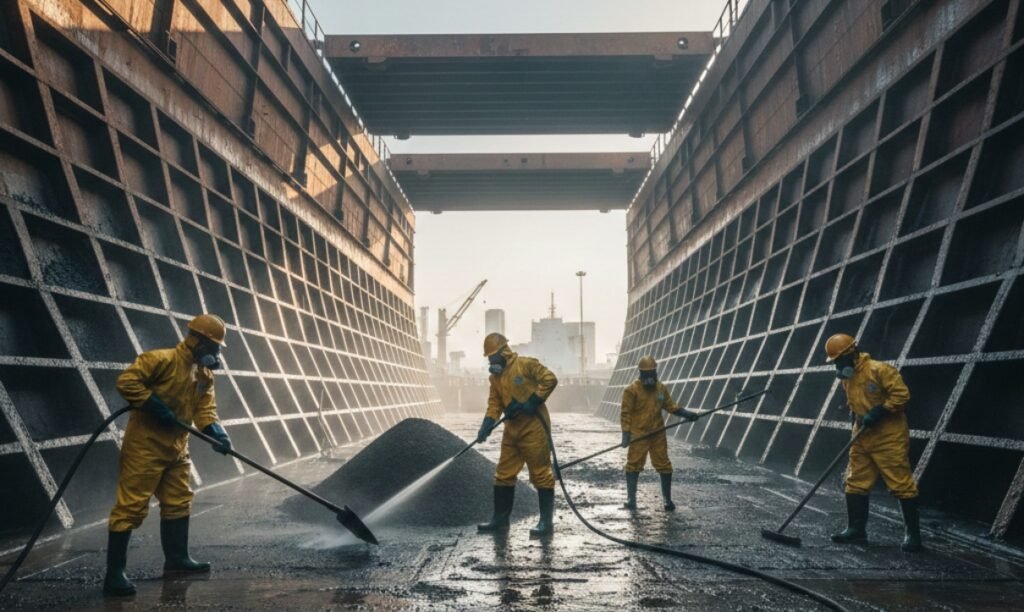
Holds carry bulk goods like coal or grains, but leftovers cling like stubborn mud. Cleaning involves high-pressure water jets and chemicals, rinsed to shine. It’s like deep-cleaning your garage after a messy project—skip it, and the next load suffers cross-contamination.
Key Regulations You Must Know
Navigating rules feels like decoding a treasure map, but they’re straightforward. The IMO sets global safety tones, while the MARPOL Convention targets pollution—think no oily discharges into Sekondi’s seas. IMCA guidelines ensure diving ops for underwater cleans are safe, and IAPH World Ports pushes harbor sustainability. Non-compliance? Fines up to $50,000 or vessel detention. Choosing the best marine cleaning in Sekondi means picking pros who tick these boxes effortlessly, saving you headaches.
IMO and IMCA Standards
IMO’s SOLAS mandates clean, safe vessels; IMCA adds diver protocols for hull work. In Sekondi, certified teams use approved gear, preventing incidents like the 2019 near-miss dive accident reported by IMCA.
MARPOL and IAPH Rules
MARPOL Annexes ban residue dumping; IAPH World Ports advocates green ports. Services here log everything digitally for audits—picture a tamper-proof diary proving your eco-friendliness.
Safety First: Protecting Your Crew
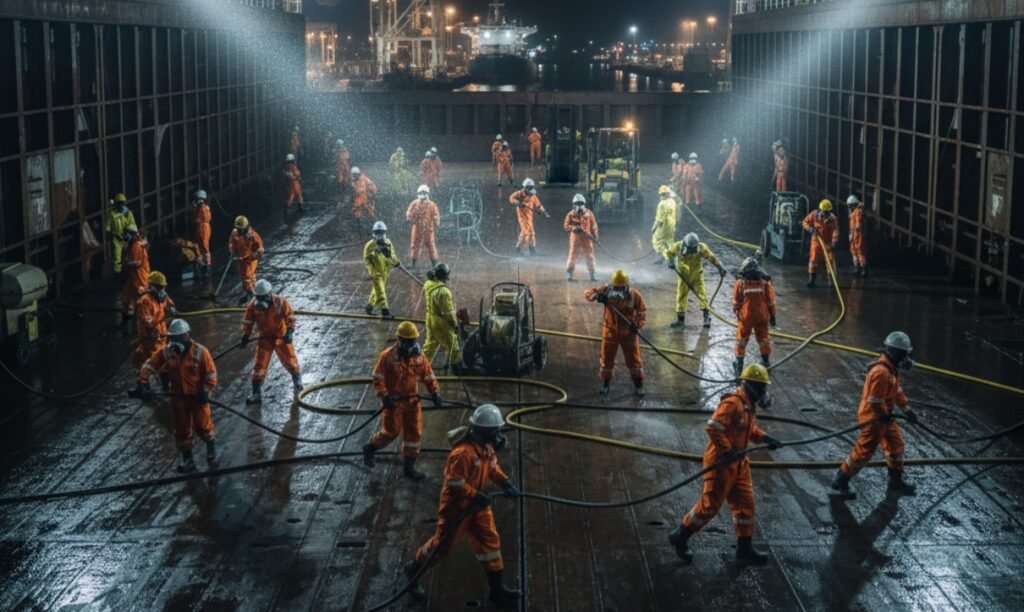
Safety trumps all—like wearing a helmet biking downhill. Marine cleaning involves hazmat suits, gas-free certs, and confined space training. Sekondi firms train per OSHA-like standards, reducing slips or toxic exposures. Real example: A captain we know avoided tragedy when cleaners detected methane buildup pre-entry. Choose services with drug & alcohol testing, recently emphasized for crew vigilance, aligning with maritime compliance.
Environmental Impact of Cleaning Choices
Bad cleaning pollutes like spilling paint in a river—residues harm fish stocks vital to Sekondi fishermen. Top services use biodegradable agents and recover 95% wastewater, per MARPOL. Innovations like bio-enzymes eat residues without chemicals, cutting your carbon pawprint. Opting for green methods isn’t greenwashing; it future-proofs against stricter IAPH regs and earns eco-certifications, boosting charter rates.
Eco-Friendly Techniques in Action
Hot water + tensioners mimic nature’s waves, stripping seaweed. CleanShip.co demos this, recovering sludge for disposal—real zero-waste vibes.
Cost-Saving Secrets Revealed
Think of cleaning as investing, not spending—like oil changes, extending engine life. Pros in Sekondi charge $5,000–$15,000 per job but slash fuel costs 10–20% via smoother hulls. Bulk deals and off-peak slots save more. We’ve calculated: Skipping quality cleaning led one operator to $30,000 extra in delays. Choosing the best marine cleaning in Sekondi balances upfront costs with long-term wins.
Top Criteria for Selecting Services
When choosing the best marine cleaning in Sekondi, grill them on certs, gear, and track record. Look for:
- IMO/MARPOL accreditations
- 24/7 availability for port calls
- Proven case studies from local vessels
- Transparent pricing with no hidden fees
- Post-clean surveys
It’s like hiring a mechanic: Check reviews, not just promises.
Hold Cleaning Services Demystified
Holds demand butterfly methods—sweeping residues to one end—like herding cats into a corner. Pros use scrapers and vacuums for dryness. In Sekondi, services handle grains to minerals, preventing mold that ruins cargoes. Expect a 12–48-hour turnaround, certified gas-free for quick reloading.
Bulk Carrier Specifics
For bulkers, stone the holds post-clean—like sandblasting for grip. Ensures safe loading per the IMSBC Code.
Tank Cleaning: Precision Work
Tanks for oil or chems, need Butterworth machines—rotating jets like indoor rainstorms dissolving gunk. Pre-wash to 50ppm oil content meets MARPOL. Choosing the Best Marine Cleaning in Sekondi experts sequence washes to avoid reactions, sharing logs via apps for supercargoes.
Emerging Trends and Innovations
Future cleaning? Drones scan hulls like eagle eyes spotting flaws; robotic crawlers blast without divers. AI predicts buildup from voyage data—think weather apps for your ship. Sekondi pioneers adopt these, per IMO green tech pushes, slashing costs by 30%. Stay ahead or get left in rusty wakes.
Spotlight: Comprehensive Services Like Choosing the Best Marine Cleaning in Sekondi
Companies like Marine Supercargo handle global tank and hold cleaning, as well as cargo supervision. They ensure compliance with expert oversight. Recently, they’ve integrated professional drug & alcohol testing services, bolstering crew safety amid rising regulatory scrutiny. These additions help operators meet IMO and MARPOL without gaps—factual enhancements seen in busy ports like Sekondi.
Real-World Stories from Sekondi Captains
Captain Kwame recalls a rushed clean causing cargo rejection: “Lost $20K.” In contrast to the pros: Smooth audits, zero issues. Another skipper praises integrated testing post-incident, calling it a “safety net.” These tales underscore choosing the best marine cleaning in Sekondi—lessons etched in logbooks.
Step-by-Step Selection Process
- Research certified providers via the IAPH directories.
- Request quotes with vessel specs.
- Verify equipment (jets, pumps).
- Check references and compliance logs.
- Schedule a site visit.
- Sign with clear KPIs.
Follow this, and you’re golden—like a checklist taming chaos.
Conclusion
Key takeaways: Prioritize regulatory-savvy services for IMO/MARPOL peace; integrate safety like drug & alcohol testing for crew protection; embrace innovations for cost and eco wins. Choosing the best marine cleaning in Sekondi transforms maintenance into an advantage. For compliance and excellence, turn to Marine Supercargo—their tank, hold cleaning, supervision, and testing deliver proven results. Contact them today to safeguard your operations and sail stronger.
FAQs:
Q1. What cleaning services are available in Sekondi?
Hold cleaning in Sekondi targets bulk carriers with high-pressure washing, scraping, and drying to remove residues like coal dust or grain particles. Pros follow IMO guidelines, using Butterworth techniques for thoroughness. Expect gas-free certificates post-job, ensuring safe cargo intake. This prevents contamination, vital for ports handling diverse loads—turnaround typically 24–48 hours.
Q2. How does tank cleaning ensure MARPOL compliance?
Tank cleaning uses sequenced hot/cold washes to dilute pollutants below 15ppm, per MARPOL Annex I. Sekondi services employ stripping systems recovering oily mixtures for shore disposal. Logs prove adherence during PSC inspections. It’s like filtering coffee grounds—clean output, no spills—keeping fines at bay.
Q3. What are bulk carrier cleaning best practices?
Bulk carriers need hold inspections per the IMSBC Code, followed by sweeping, hosing, and ventilating. In Sekondi, add anti-static measures for dusty cargoes. Services test atmospheres pre-entry, logging for audits. This avoids explosions or mold, ensuring seamless ops.
Q4. Why include drug & alcohol testing in cleaning?
Integrated testing, as with some providers, screens crews during downtime, aligning with IMO/OCIMF standards. Positive cases trigger support, preventing accidents. In Sekondi, it’s a compliance booster amid rising port scrutiny—quick, confidential, and crew-focused.
Q5. How to verify environmental compliance in services?
Check for IAPH-aligned wastewater recovery (95%+), biodegradable agents, and CleanShip.co-style certifications. Ask for MARPOL logs and emission reports. Sekondi leaders audit regularly, proving low-impact ops—like eco-scores on your vessel’s report card.