Cargo Ship Hold Cleaning at Khortakkan – Complete Guide for Modern Vessels
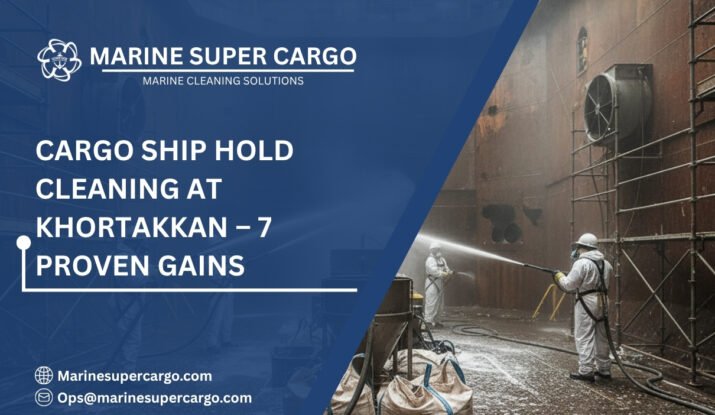
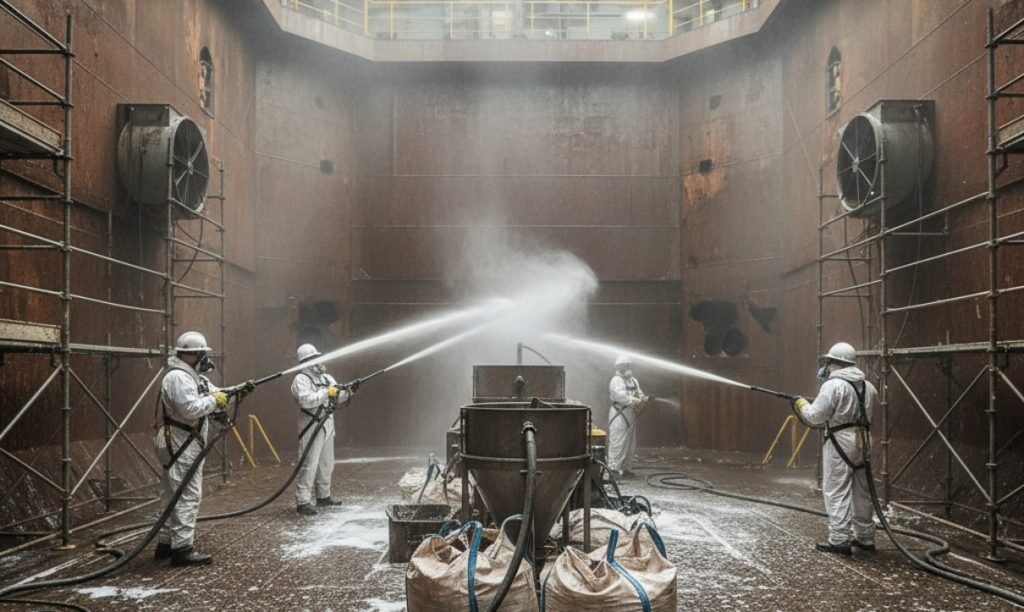
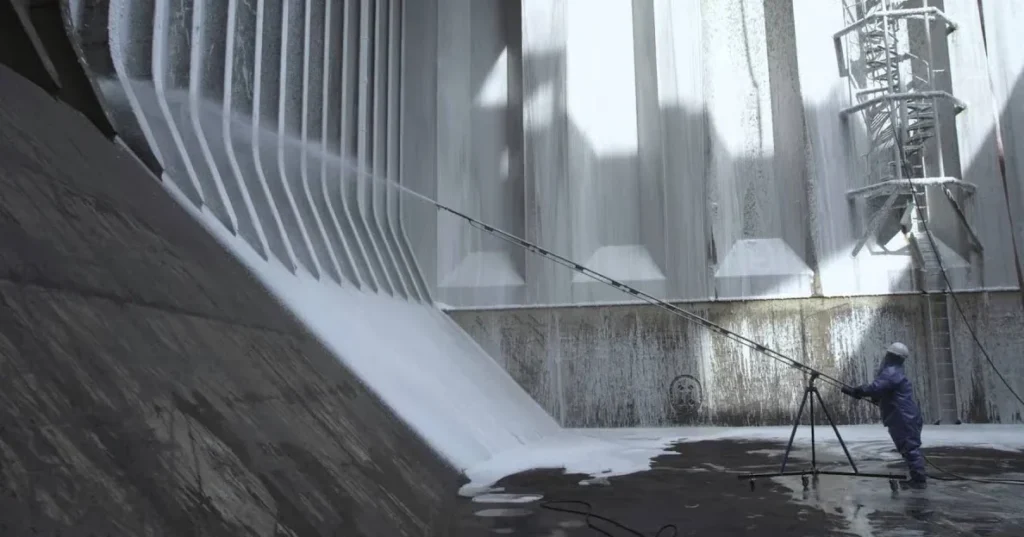
Cargo ship hold cleaning at Khortakkan has become vital for maintaining vessel safety and performance. Cargo holds accumulate dust, residues, and rust that damage subsequent cargo if not properly removed. Regular cleaning ensures a ship’s loading operations remain safe, clean, and compliant with global standards.
Without attention, buildup increases corrosion risk and affects vessel certification. Effective cargo ship hold cleaning at Khortakkan transforms neglected spaces into efficiency hubs, enabling ships to sail with confidence across global waters while maintaining the highest operational standards.
Benefits of Regular Hold Cleaning Services – Fuel Efficiency, Speed, Reduced Maintenance
Routine cargo ship hold cleaning at Khortakkan saves fuel, improves speed, and minimizes mechanical wear. A clean ship faces less friction as it glides through water, requiring less propulsive energy. Cleaner ventilation and ballast systems maintain steady pressure and airflow, enhancing engine efficiency.
Research by IMCA indicates up to 8 percent fuel savings per voyage with consistent cleaning. Regular cargo ship hold cleaning at Khortakkan also prevents corrosion and surface erosion, leading to fewer maintenance delays and longer-lasting coatings and machinery performance.
Environmental Advantages of Eco-Friendly Cleaning – MARPOL and Local Compliance
Environmentally responsible cargo ship hold cleaning at Khortakkan aligns with MARPOL Convention standards and ISO safety norms. Instead of harsh chemicals, cleaning crews now use biodegradable detergents and controlled freshwater systems. Waste water is filtered, stored, and disposed of responsibly.
These eco-friendly methods satisfy local port authority rules while reducing environmental impact. Cargo ship hold cleaning at Khortakkan under MARPOL compliance helps preserve marine biodiversity and positions Khortakkan as a port that values both efficiency and ecological balance within its operations.
Cost Savings Through Hold Cleaning Services – Reduced Fuel and Dry-Docking Costs
One of the most tangible benefits of cargo ship hold cleaning at Khortakkan is cost efficiency. Clean holds ensure energy savings during navigation and cargo operations. Reduced fouling leads to improved hydrodynamics and reduced dry-docking frequency. CleanShip.co reports that consistent cleaning can lower annual operational expenses by up to 6 percent.
A proactive cleaning schedule avoids costly penalties from delays, contamination claims, or non-compliance. Thus, disciplined cargo ship hold cleaning at Khortakkan becomes a financial strategy, not just a technical procedure.
Manual vs Mechanical Cleaning – Pros, Cons, Safety Considerations
Operators debating methods of cargo ship hold cleaning at Khortakkan consider both manual and mechanical systems carefully. Manual cleaning allows close visual inspection and adaptability when dealing with sensitive cargo residues. Mechanical systems provide faster cycles and enhanced consistency across large hulls.
However, automation requires higher setup costs and regular calibration. Balancing safety and productivity, the IMCA recommends blending both methods for optimized cleaning output.
Inspection and Maintenance Integration – Combining Cleaning with Surveys
Efficient cargo ship hold cleaning at Khortakkan merges cleaning and inspection into a single cycle. Once residues are removed, survey teams can inspect for cracks, corrosion, or coating degradation. Such integration minimizes turnaround times and ensures flag documentation stays up to date.
Modern inspection tools—thermal cameras, ultrasonic meters, and AI-driven scanners—enhance accuracy. Linking inspection with cargo ship hold cleaning at Khortakkan improves situational awareness, reduces repetitive dockings, and ensures each cleaning session strengthens structural and regulatory integrity simultaneously.
Hold Cleaning Services Regulations – IMO, MARPOL, Local Port Rules
Compliance is the backbone of cargo ship hold cleaning at Khortakkan. Major frameworks such as the IMO’s MARPOL Annex V define how ships handle waste, residues, and water discharge. Local port rules certify proper waste-handling documentation and equipment readiness.
IAPH World Ports guidelines also emphasize transparency in operational logs and environmental management. Maintaining compliance guarantees unhindered port clearance. Strict documentation and adherence to cargo ship hold cleaning at Khortakkan improve operational credibility in both local and global maritime circuits.
Crew Safety During Cleaning Operations – Diver Protocols and Risk Management
Safety governs all cargo ship hold cleaning at Khortakkan. Crew members operate within confined spaces or toxic gas environments that require strict safety controls. Divers follow IMCA regulations, ensuring safe decompression and protective equipment compliance. Gas-monitoring devices, respirators, and auto-shutoff systems minimize hazards.
Hold Cleaning Services – Regional Differences and Challenges
Cargo ship hold cleaning at Khortakkan differs from similar services elsewhere due to unique environmental and logistical aspects. The Gulf’s warm waters accelerate algae growth, creating residue faster. High salinity and humidity compound fouling challenges. Therefore, port crews often rely on desalination rinses and specialized coatings for better protection.
Technology in Hold Cleaning – Sensors, AI, Real-Time Monitoring
Digital innovation drives the modern face of cargo ship hold cleaning at Khortakkan. Sensors detect micro levels of residue and provide real-time cleaning data to shore-based control centers. Artificial intelligence proposes predictive maintenance schedules, anticipating cleaning needs before efficiency drops. Continuous monitoring through smart dashboards keeps crews informed throughout operations.
Fuel Efficiency Case Studies – Real-World Savings Post-Cleaning
Real-life case studies highlight how cargo ship hold cleaning at Khortakkan leads to measurable fuel improvements. A bulk carrier observed a 6 percent decrease in fuel use after descaling and degreasing operations. Another vessel achieved faster ballast draining times and cleaner ventilation paths, boosting performance under load.
MARPOL-compliant cleaning correlated directly with emission reductions. These field examples show that consistent cargo ship hold cleaning at Khortakkan transforms environmental responsibility into a practical economic advantage for global operators.
“Marine cleaning, anytime. Anywhere. 🌊 #GlobalMarine”#shipping #maritime #ship #cruises #sealife #port #shipping #marine #captain #vessel #ships #cargo pic.twitter.com/GgKTqEMETK
— Marine Super Cargo (@Marinsupercargo) October 4, 2025
Drug & Alcohol Testing for Crews – Ensuring Safety During Hold Cleaning Services
Human performance is integral to cargo ship hold cleaning at Khortakkan. To maintain peak efficiency, crews undergo routine drug and alcohol testing aligned with IMCA and flag requirements. The presence of hazardous chemicals and confined-space risks demands full mental and physical alertness.
Testing programs minimize accidents, ensuring zero-compromise operations. Through continuous supervision and wellness assessments, responsible organizations ensure that cargo ship hold cleaning at Khortakkan operates under absolute compliance and top-tier safety assurance for all stakeholders. Also read about Top 7 Powerful Ways Drug Testing for Shipping Saves Assets
Future Trends in Hold Cleaning Services – Smart Cleaning, Eco-Innovation, Predictive Maintenance
Future-ready cargo ship hold cleaning at Khortakkan will merge smart technologies with sustainability goals. Predictive cleaning guided by AI will warn operators before fouling affects performance. Automated drones could inspect and clean simultaneously. Eco-innovations such as enzyme-based cleaning agents will further minimize waste.
As predictive maintenance evolves, cleaner holds will become part of automated ship management systems. These forward-thinking developments confirm that cargo ship hold cleaning at Khortakkan will continue leading regional marine innovation with eco-responsible precision.
Marine Supercargo – Global Cleaning, Supervision, and Compliance Expertise
Marine Supercargo provides a comprehensive suite of maritime services extending beyond cargo ship hold cleaning at Khortakkan. Its trained specialists offer full hold and tank cleaning, manage onboard cargo supervision, and assist with MARPOL-compliant waste disposal. The company’s auditors verify all cleaning records for IMO and flag audits.
Marine Supercargo also offers drug and alcohol testing for crews, ensuring professional readiness and operational safety. Such integrated maritime solutions demonstrate how expertise and compliance work hand in hand across global commercial shipping.
Conclusion – Smarter Cleaning, Safer Operations, Sustainable Seas
Cargo ship hold cleaning at Khortakkan underpins maritime excellence where cleanliness, safety, and environmental care converge. Routine cleaning ensures operational consistency and long-term cost savings.
Key Takeaways:
- Regular cleaning prevents residue buildup and improves fuel efficiency.
- MARPOL and IMO compliance protect oceans and enhance ship safety.
- AI and data systems are the future of predictive cleaning.
For expert, compliance-based maritime cleaning and inspection solutions, visit CleanShip.co.
FAQs:
Q1. Why is cargo ship hold cleaning at Khortakkan critical for operations?
It safeguards cargo integrity, enhances safety, and ensures compliance with MARPOL and IMO rules, maintaining vessel reliability across coastal and international voyages.
Q2. Why is flag documentation essential for vessels?
Flag documentation verifies a ship’s identity, ownership, and compliance status, helping authorities confirm adherence to international maritime laws and safety conventions.
Q3. How does flag documentation tie into maritime law?
It represents a ship’s legal passport, proving adherence to IMO and MARPOL regulations while authorizing navigation under a recognized flag state jurisdiction.
Q4. What is the purpose of drug and alcohol testing during ship cleaning?
It minimizes human error during hazardous operations, ensuring crew focus and adherence to IMCA safety protocols throughout cleaning and maintenance cycles.
Q5. What are the advantages of proper documentation for crews and management?
Comprehensive documentation simplifies inspections, supports compliance audits, enhances crew accountability, and streamlines vessel performance monitoring processes.