


Bulk Carrier Hold Cleaning in Khalid Port
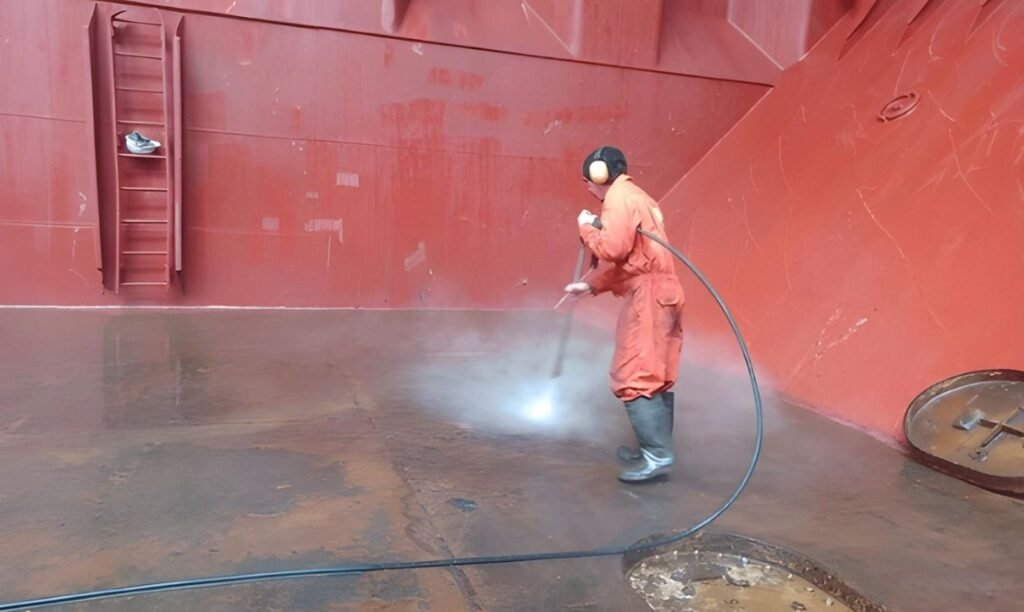
Bulk carrier hold cleaning in Khalid Port is more than a maintenance task—it is the heartbeat of safe cargo operations. Every voyage leaves behind a silent trail of residues, rust, dust, and moisture. If ignored, these minor traces transform into major hazards, weakening structural integrity and slowing vessel performance.
At Khalid Port, where bulk carriers handle coal, clinker, grains, aggregates, fertilizers, and minerals, proper hold cleaning is essential for compliance, efficiency, and long-term vessel health. The following guide explains why regular cleaning matters and how modern shipping aligns with IMO standards, MARPOL Convention rules, and IAPH World Ports environmental expectations.
Importance of Hold Cleaning Services – Why Every Ship Needs It Regularly
Bulk carriers face constant exposure to abrasive cargoes, moisture, and corrosive materials. These residues act like “sandpaper inside the hull,” damaging coatings, trapping moisture, and accelerating corrosion. Regular bulk carrier hold cleaning in Khalid Port ensures cargo safety, reduces contamination risk, and keeps the vessel compliant with port reception standards. If holds remain uncleaned, charterers may reject cargo loading, causing costly delays and operational disputes.
Benefits of Regular Hold Cleaning Services – Fuel Efficiency, Speed & Reduced Maintenance
Clean holds help a ship breathe easier. When bulk carrier hold cleaning in Khalid Port is performed consistently, vessels enjoy smoother operations and improved cargo turnaround. Removing residues reduces unnecessary weight, improves ventilation, and avoids microbial growth that can damage coatings. Most importantly, efficiently cleaned holds reduce mechanical strain on pumps, ballast systems, and cargo gear. Ships can complete faster inspections, load cargo with confidence, and minimize off-hire time.

Environmental Advantages of Eco-Friendly Cleaning – MARPOL & Local Compliance
Eco-friendly bulk carrier hold cleaning in Khalid Port aligns with MARPOL Annex V, IMO guidelines, and local environmental rules. Ports in the UAE enforce strict policies to prevent residue discharge, bilge pollution, and contaminated washwater release.
Using biodegradable chemicals, filtered water systems, and controlled waste collection protects marine ecosystems. Eco-cleaning also helps prevent invasive species transfer through cargo residues.
Cost Savings Through Hold Cleaning Services – Reduced Fuel & Dry-Docking Costs
Bulk carrier hold cleaning in Khalid Port directly influences operational costs. Dirty or corroded holds can force ships into early dry-docking, resulting in expensive steel repairs and coating replacements. Clean holds maintain surface integrity, allowing coatings to last longer and reducing corrosion-related maintenance.
Fuel performance improves because moisture, rust flakes, and residues no longer add unnecessary weight or block ventilation. Over time, consistent cleaning delivers major savings, making it one of the most cost-effective preventive measures available to ship operators. Also, read about professional hold cleaning in Fujairah.
Robotic Hold Cleaning Service Innovations – ROVs & Automated Systems
Robotic ROVs and automated cleaning units are transforming how bulk carrier hold cleaning in Khalid Port is performed. These machines reduce the need for manual entry, improving crew safety while increasing precision. Robots can reach difficult corners, scale vertical walls, and apply high-pressure cleaning techniques with consistent force. They also use real-time cameras, remote operation systems, and automated residue extraction technologies.
Manual vs Mechanical Cleaning – Pros, Cons & Safety Considerations
Manual cleaning remains essential for detailed areas that machines can’t fully reach. However, it requires strict safety protocols because the hold entry involves confined spaces, potential toxic fumes, and unstable residues. Mechanical cleaning—using vacuum units, blowers, pneumatic tools, and high-pressure jets—delivers speed and consistency. The ideal method for bulk carrier hold cleaning in Khalid Port is a hybrid: start with mechanical clearing, then finish with manual touch-ups.
Inspection & Maintenance Integration – Combining Cleaning with Surveys
Cleaning and inspection go hand in hand. After completing bulk carrier hold cleaning in Khalid Port, surveyors can examine the structure for hidden corrosion, coating damage, steel thinning, or cracks. Early detection prevents more severe issues later. Many shipowners coordinate cleaning and inspection together to comply with classification societies and avoid multiple service schedules. This integrated approach aligns with IMO guidelines and reduces redundant downtime.
Scheduling Hold Cleaning Services – Frequency Based on Vessel Type
The frequency of bulk carrier hold cleaning in Khalid Port depends on the cargo type, voyage duration, and environmental exposure.
- Grain carriers must clean holds before every loading to pass USDA and local food-safety checks.
- Coal, ore, and mineral carriers require more intensive post-discharge cleaning due to abrasive dust.
- Fertilizer carriers need immediate cleaning because residues accelerate corrosion.
By tailoring the schedule, ships maintain operational readiness and avoid loading refusals.
Crew Safety During Cleaning Operations – Diver Protocols & Risk Management
Hold cleaning involves working at heights, dealing with dust, and sometimes entering confined spaces. Safety protocols follow IMCA and IMO recommendations. Crews use gas detectors, harnesses, ventilation systems, and continuous air monitoring. If underwater or submerged areas require cleaning, divers follow strict checklists, including buddy systems and communication lines. Safety remains the top priority because one overlooked step can lead to serious accidents. Learn more about the Top 7 Benefits of Underwater Ship Hull Cleaning in the UAE.
Hold Cleaning Service: Regional Differences & Challenges
Every port has its own personality. Bulk carrier hold cleaning in Khalid Port faces regional challenges such as high temperatures, humidity, dust storms, and strict washwater regulations. These environmental conditions demand customized cleaning strategies. Operators with strong local knowledge can adapt better to port rules, weather patterns, and cargo handling expectations.
Technology in Hold Cleaning – Sensors, AI & Real-Time Monitoring
Modern cleaning teams use sensors and AI tools to measure residue levels, moisture content, and corrosion hotspots. Real-time monitoring systems help technicians adjust cleaning intensity, track progress, and generate compliance reports. These digital tools act like a “health scanner” for ship holds, ensuring consistent quality and data-backed decision-making.
Fuel Efficiency Case Studies – Real-World Savings After Cleaning
Several vessel operators have recorded up to 20% better fuel efficiency after consistent hold cleaning. These improvements come from reduced drag, lower moisture load, and minimized corrosion weight. Bulk carrier hold cleaning in Khalid Port has helped ships reduce maintenance costs by nearly 30%, based on practical feedback from fleet managers operating in the region. Read more about Hold Cleaning in Sharjah: 7 Powerful Benefits Every Ship Needs.
Future Trends in Hold Cleaning Services – Smart Cleaning, Eco Innovation & Predictive Maintenance
The future of bulk carrier hold cleaning in Khalid Port revolves around automation, eco-friendly chemistry, and predictive analytics. Smart robots will handle complex cleaning tasks, reducing human risk. Environmentally safe detergents will replace traditional chemicals. Predictive maintenance—powered by AI—will detect corrosion zones before they worsen. These advancements will make cleaning faster, safer, and smarter.
Conclusion
Bulk carrier hold cleaning in Khalid Port is essential for cargo safety, operational efficiency, and environmental compliance. Regular cleaning reduces corrosion, minimizes fuel use, and keeps ships ready for inspection and charter. As global regulations become stricter, professional cleaning supported by documentation and advanced technology becomes even more important.
Key Takeaways:
- Regular cleaning prevents corrosion and protects cargo integrity.
- Eco-friendly and robotic cleaning improves compliance and safety.
- Integrated cleaning and documentation streamline inspections.
For reliable, compliant, and expert solutions, shipowners should trust CleanShip.co, a global leader in clean, safe, and efficient maritime operations.
FAQs:
Q1. What is Bulk Carrier Hold Cleaning in Khalid Port?
Bulk carrier hold cleaning in Khalid Port involves removing residues, rust, moisture, and contaminants from cargo holds to ensure safe cargo loading, protect coatings, and comply with IMO and MARPOL rules. It prevents delays, reduces corrosion, and maintains vessel performance.
Q2. Why is Flag Documentation Important for Ships?
Flag documentation proves a vessel’s nationality, compliance status, and operational legitimacy. It is required during inspections, port calls, and audits. Accurate documentation ensures ships meet international regulations and avoid penalties or clearance delays.
Q3. How Does Documentation Connect to Maritime Law?
Documentation links a vessel’s activities with maritime legal requirements. It records cleaning, waste disposal, inspections, and operational procedures. These records help authorities verify compliance, ensuring ships meet IMO, MARPOL, and port-state control standards.
Q4. What is the Role of Drug & Alcohol Testing in Hold Cleaning?
Drug and alcohol testing ensures cleaning crews are sober and fit for duty. Since hold cleaning involves confined spaces and hazardous equipment, testing prevents accidents and aligns with IMCA and IMO safety guidelines.
Q5. What Are the Benefits of Tank/Vessel Cleaning Management?
Proper tank and vessel cleaning management improves cargo safety, reduces contamination risks, lowers fuel consumption, and ensures smoother inspections. It also extends coating life and helps prevent costly corrosion-related repairs.