

Breathalyzer vs Blood Test: Which Alcohol Test is Best
Understanding how alcohol testing works helps businesses and operators make confident, compliant, and safety-driven decisions. Comparing Breathalyzer vs Blood Test highlights more than just science—it reveals how technology, accuracy, and efficiency impact critical safety operations. For maritime or industrial environments, these tests determine readiness and responsibility.
Choosing the right one depends on speed, accuracy, cost, and circumstances. Think of it like choosing between a thermometer and a lab thermometer: both measure, but one provides deeper detail. Let’s break down the essential differences between these methods and decide where each shines in maintaining safety and compliance.
The Importance of Alcohol Testing for Safety
Before exploring Breathalyzer vs Blood Test, it’s essential to understand why alcohol testing matters so much. In high-stakes industries like shipping, logistics, construction, or aviation, one error caused by impairment can lead to costly consequences. Regulatory bodies such as IMO and IMCA mandate strict zero-tolerance policies.
Testing ensures crew and employee fitness while protecting the company’s reputation and environmental compliance under frameworks like the MARPOL Convention. Whether onboard ships or in safety-critical jobs, testing helps prevent incidents before they happen—transforming safety from a reactive measure to a proactive culture built on accountability and awareness.
Understanding the Breathalyzer Test
A Breathalyzer measures Blood Alcohol Concentration (BAC) through exhaled air. In Breathalyzer vs Blood Test scenarios, breath tests are faster and more portable. The device estimates alcohol levels by analyzing ethanol content in your breath, offering results within seconds. These devices are often used during pre-duty screening or random checks due to convenience and affordability.
While highly effective for initial readings, breath tests depend on accurate calibration and environmental conditions. Factors like temperature, recent mouthwash use, or residual alcohol vapors can slightly influence results, but for rapid checks in the field, breathalyzers remain an operational favorite across industries.
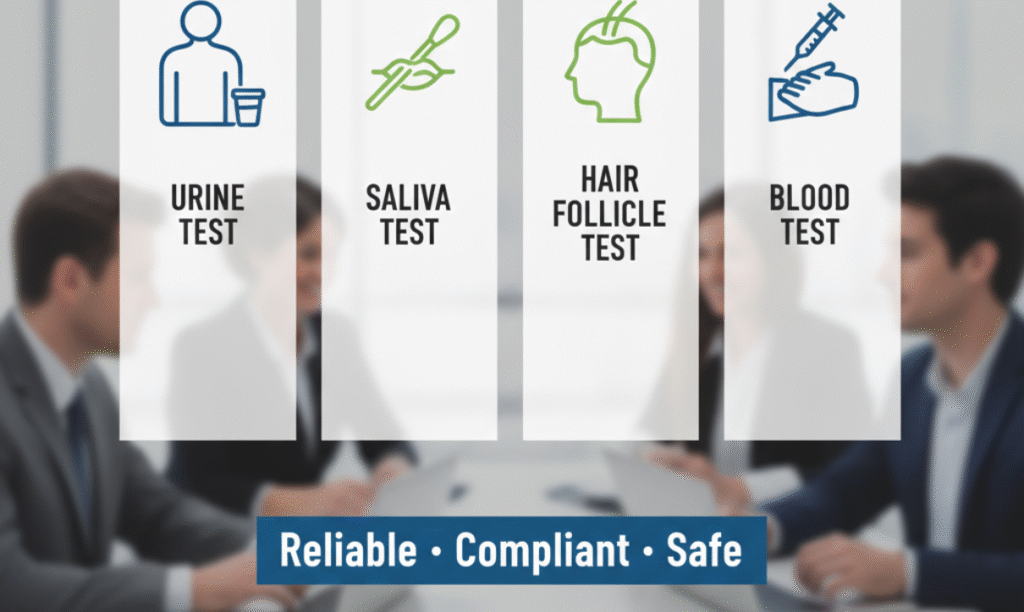
Understanding the Blood Test
In comparing Breathalyzer vs Blood Test, blood analysis provides the most accurate measurement of alcohol concentration in the bloodstream. Laboratory professionals draw a blood sample and analyze it using chemical techniques like Gas Chromatography. Since it measures directly from the source rather than estimating breath levels, blood testing delivers near-perfect accuracy.
However, this process requires medical personnel, proper storage, and transport—making it more suitable for confirmatory testing or post-incident investigations. While slower and costlier, its credibility in courts and audits makes it the gold standard for final verification, particularly in regulated sectors such as maritime operations. Also read about Offshore Crew Testing: 7 Best Practices for Safer Seas.
Comparing Speed and Accessibility
Speed separates the Breathalyzer vs Blood Test most distinctly. Breathalyzers deliver instant results, usually within two minutes, helping supervisors make quick on-the-spot decisions. This rapid turnaround is crucial when determining crew readiness before departure or shift start. Blood testing, on the other hand, requires lab processing and can take hours or even days.
During emergencies, waiting for results could disrupt operations or delay decisions. For that reason, breath tests fit daily or random screening best, while blood analysis remains the ultimate tool for post-incident verification and legal processes that demand documented precision. Also, know about Crew Alcohol Testing: 7 Vital Insights for Safer Seas.
“Marine cleaning, anytime. Anywhere. 🌊 #GlobalMarine”#shipping #maritime #ship #cruises #sealife #port #shipping #marine #captain #vessel #ships #cargo pic.twitter.com/GgKTqEMETK
— Marine Super Cargo (@Marinsupercargo) October 4, 2025
Comparing Accuracy and Legal Reliability
Accuracy defines trust when comparing a Breathalyzer vs Blood Test. Blood testing wins in this category because it measures alcohol directly from the bloodstream, guaranteeing detail unmatched by any portable device. Legal bodies worldwide recognize blood testing as admissible evidence during disputes or investigations.
Breath tests, though reliable, can occasionally yield varying readings due to sampling technique or device calibration. To balance both, many organizations use breathalyzers for initial checks and follow up with certified blood tests for confirmation. This two-step method ensures both speed and validity, meeting international safety and compliance expectations effectively. Read more about 7 Powerful Reasons Corporate Drug Testing Works.
Cost Differences and Practical Use
Budget considerations often shape the choice between a breathalyzer vs blood test. Breathalyzers are more economical, costing less per test and requiring minimal maintenance once devices are calibrated. Their portability supports large-scale testing campaigns efficiently. Blood tests involve higher costs for medical staff, transport, and certified laboratory analysis.
However, their precision can prevent costly misinterpretations or disputes. For industrial and maritime operators under tight regulation, a combination of both—routine breath tests and occasional blood confirmations—provides an optimal balance between cost efficiency and investigative accuracy without compromising ethical or legal standards. Read more about 5 Crucial Reasons Drug & Alcohol Testing Matters.
Marine Supercargo Expands Services: Drug & Alcohol Testing for Safer Seas
Marine Supercargo, a global leader in marine cleaning and maintenance, has expanded its capabilities to include professional Drug & Alcohol Testing services. Combining Breathalyzer vs Blood Test technologies, the company now helps shipowners and managers maintain compliance with international maritime safety standards.
These services include both rapid onboard screenings and certified confirmatory analyses. With trained professionals and advanced tools, Marine Supercargo ensures vessels operate safely, crews remain fit, and regulations are met. This new service integration underscores the company’s commitment to safer seas and efficient, compliant operations that enhance trust across global shipping networks. Also read about 7 Vital Reasons Alcohol Testing Saves Shipping Companies.
Regulatory Compliance and International Standards
Compliance plays a major role in deciding when to apply Breathalyzer vs Blood Test solutions. The IMO, IMCA, and IAPH all enforce strict alcohol policies for maritime personnel. Random breath tests are often mandatory during routine audits, while confirmatory blood tests serve for incident investigations.
Documentation from both tests supports legal defense, insurance claims, and certification renewals. Aligning with global standards ensures smooth port clearances and inspection approvals. Implementing both methods guarantees readiness under international law, while reinforcing internal safety practices and corporate responsibility at every operational level.
Environmental and Ethical Considerations
When comparing Breathalyzer vs Blood Test, sustainability and ethics are increasingly prioritized. Portable breathalyzers produce less waste and fewer biohazard materials than blood testing kits. However, modern blood testing laboratories have adopted eco-conscious practices by minimizing disposable components and optimizing shipping processes.
Ethically, both methods protect employees by ensuring tests are performed transparently and confidentially. For maritime industries striving toward cleaner, responsible operations, balancing accurate testing with sustainable methods reflects a holistic approach to both environmental care and human welfare—a value strongly supported by initiatives from CleanShip.co worldwide.
Future Trends in Alcohol Testing Technology
The future of Breathalyzer vs Blood Test technology lies in smart integration. AI-powered breath analyzers with cloud connectivity are already emerging, offering real-time monitoring and data sharing across fleets. Portable biosensor patches may replace invasive blood collection, continuously tracking alcohol biomarkers non-invasively.
These next-generation tools will reduce error rates and improve convenience, supporting instant documentation for compliance records. The integration of blockchain into data reporting could further secure testing integrity, ensuring transparency across global audits. With innovation advancing rapidly, tomorrow’s alcohol testing will be faster, greener, and more reliable than ever before.

Conclusion: Finding Balance Between Speed and Accuracy
Choosing between a Breathalyzer and Blood Test depends on your priorities. Breathalyzers win in speed, affordability, and convenience, making them ideal for daily screening. Blood testing excels in accuracy and legal defense, critical for investigations and compliance reports. The best solution merges both—a hybrid approach ensuring accuracy without losing agility.
Three takeaways: first, speed supports safe operations; second, precision protects compliance; and third, smart integration ensures long-term reliability. For expert guidance and eco-conscious testing solutions, explore CleanShip.co—and take the next step toward safer, transparent, and compliant operations worldwide.
FAQs:
Q1. Which is more accurate—breath or blood testing?
Between the Breathalyzer vs the Blood Test, blood testing is more accurate because it directly measures alcohol concentration in the bloodstream.
Q2. How long do breathalyzer results stay valid?
Breathalyzer readings are instant but reflect only recent consumption. For long-term verification, confirmatory blood testing is recommended.
Q3. Are breathalyzers accepted for legal evidence?
Most jurisdictions accept breathalyzer results as preliminary evidence, but only blood tests are legally definitive in formal investigations.
Q4. How often should maritime crews undergo testing?
Regular random breath tests and annual confirmatory blood checks ensure compliance with IMO and IMCA safety standards.
Q5. Can eco-friendly practices apply to testing?
Yes, both Breathalyzer vs Blood Test procedures now rely on energy-efficient devices and reusable materials that support green maritime initiatives.