
Ship Husbandry: Complete Guide for Ship Owners
Ship Husbandry is the backbone of safe, compliant, and cost-efficient vessel operations. Whether you manage bulk carriers, tankers, offshore vessels, or container ships, you depend on coordinated port services to keep schedules intact and inspections clean. When done correctly, ship husbandry protects your asset, safeguards crew welfare, and ensures regulatory compliance across international waters.
This guide breaks down what ship husbandry means, how it works in practice, what it costs in major maritime hubs like India, the UAE, and Singapore, and how you can manage risks while staying aligned with global standards.
What is Ship Husbandry?
Ship husbandry refers to the full range of port support services provided to a vessel while it is in port. These services ensure your ship remains operational, compliant, and ready for its next voyage.
It includes technical assistance, crew logistics, spare parts coordination, waste management, inspections, regulatory paperwork, and liaison with port authorities.
In simple terms, ship husbandry is how you manage everything around the vessel while the vessel focuses on cargo operations.
Why Ship Owners Cannot Ignore Ship Husbandry
A delayed spare part, an unreported inspection requirement, or a missed environmental compliance detail can result in penalties, detention, or schedule disruption.
Strong husbandry services:
- Protect your vessel’s class and certification status
- Reduce port stay time
- Prevent regulatory fines
- Maintain crew morale
- Improve operational efficiency
When we manage ship husbandry proactively, we reduce uncertainty in an industry already filled with variables.
Core Services Included in Ship Husbandry
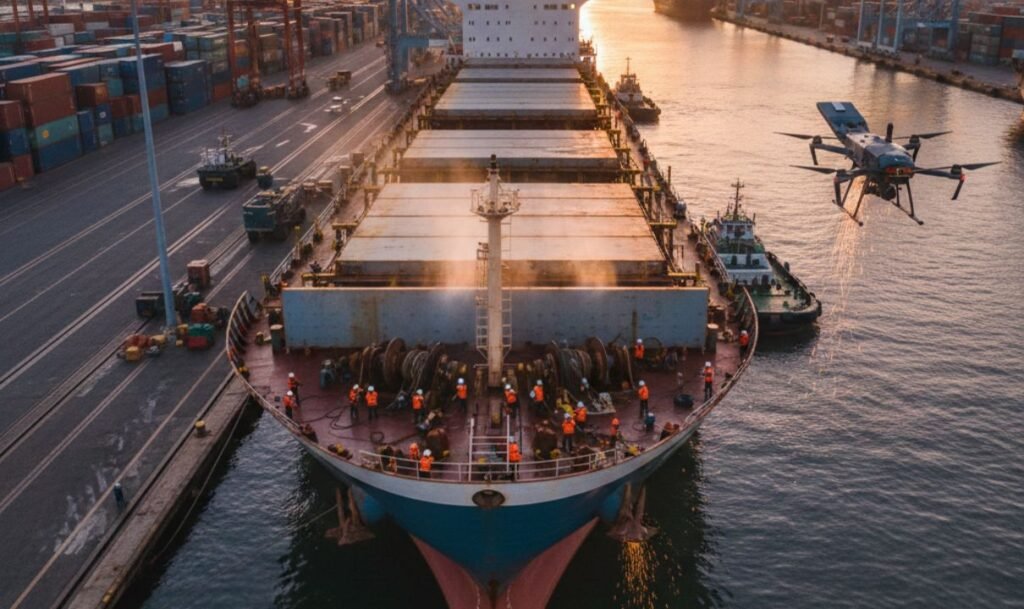
Ship husbandry typically covers:
- Crew change coordination
- Visa and immigration support
- Fresh water supply
- Bunkering assistance
- Spare parts clearance and delivery
- Technical repair coordination
- Class and flag inspections
- Waste disposal under environmental regulations
- Underwater inspection and hull cleaning arrangements
The scope varies by vessel type and port, but the objective remains the same: uninterrupted operations.
Regulatory Compliance Framework
Modern ship husbandry operates within a strict global regulatory environment. You must align with international and local maritime authorities.
IMO Compliance
The International Maritime Organization (IMO) sets global standards for safety, environmental performance, and security. Husbandry agents ensure documentation and inspections meet these standards.
MARPOL Environmental Obligations
The MARPOL convention regulates pollution from ships. Waste disposal, sludge removal, and oily water discharge management must follow MARPOL requirements.
IMCA Offshore Standards
The International Marine Contractors Association (IMCA) influences offshore vessel standards, especially in diving and subsea operations.
IAPH Port Cooperation
The International Association of Ports and Harbors (IAPH) promotes port sustainability and coordination. Strong husbandry services align with port authority expectations shaped by IAPH policies.
Compliance is not optional. It is operational survival.
Operational Workflow of Ship Husbandry
Understanding the workflow helps you manage expectations and timelines.
Pre-Arrival Coordination
Before arrival, agents confirm berth allocation, documentation status, customs requirements, and service scheduling.
Port Call Management
During port stay, the husbandry team coordinates inspections, supplies, crew transfers, and service vendors. Communication between ship, owner, and port authorities must remain constant.
Post-Departure Documentation
After sailing, final statements of facts, disbursement accounts, and service confirmations are issued. Accurate documentation protects you during audits.
Inspection and Documentation Process
Every port call generates paperwork. Efficient ship husbandry ensures documentation accuracy and traceability.
Key documents include:
- Statement of Facts (SOF)
- Port clearance certificates
- Waste disposal receipts
- Crew immigration clearance
- Class attendance reports
Poor documentation increases the risk of disputes or compliance findings.
Cost Structure of Ship Husbandry
Costs vary by geography and vessel type. Understanding regional trends helps you budget accurately.
Risk Management in Ship Husbandry
Every port call carries operational and compliance risk. Effective ship husbandry identifies and mitigates these risks early.
Common risk areas include:
- Immigration non-compliance
- Environmental discharge violations
- Miscommunication between crew and agent
- Delayed spare parts clearance
- Safety hazards during repairs
Mitigation strategies include pre-arrival checklists, vendor vetting, compliance audits, and real-time reporting.
Safety and Environmental Protection
Safety is not paperwork. It is execution.
Husbandry teams coordinate with terminal operators and service providers to ensure:
- Safe gangway access
- Proper PPE usage
- Hazard identification during repair work
- Compliance with MARPOL waste protocols
- Emergency response readiness
Environmental protection is now central to port reputation. Non-compliance damages both brand and operations.
Real-World Port Example
Consider a bulk carrier calling at Kochi for discharge. During cargo operations, the vessel requires a class survey, sludge disposal, and crew change.
Without coordinated ship husbandry:
- Survey attendance may be delayed
- Waste disposal receipts may not meet MARPOL format
- Immigration clearance may stall crew transfer
With structured management, all three processes occur simultaneously, reducing port stay by 24–48 hours.
Efficiency equals profitability.
Best Practices for Ship Owners
To strengthen your ship husbandry strategy:
- Select experienced, compliance-focused agents
- Demand transparent disbursement accounting
- Implement digital tracking of port call activities
- Review vendor performance after each call
- Conduct periodic compliance audits
Long-term partnerships outperform reactive arrangements.
Technology and Digitalization
The future of ship husbandry is digital.
E-port clearance systems, blockchain-based documentation, and real-time expense tracking improve transparency. Many leading ports now offer integrated digital platforms to reduce paperwork and manual errors.
Automation reduces human error but does not eliminate the need for experienced oversight.
Sustainability and ESG Considerations
Environmental, Social, and Governance (ESG) expectations are increasing.
Ship owners now evaluate husbandry providers based on:
- Waste handling transparency
- Carbon footprint tracking
- Ethical vendor sourcing
- Crew welfare standards
Sustainability is no longer marketing language. It is an operational benchmark.
Selecting the Right Husbandry Partner
Choose providers who:
- Understand IMO and MARPOL requirements
- Offer 24/7 operational support
- Maintain strong port authority relationships
- Provide detailed cost breakdowns
- Demonstrate compliance record transparency
Professional support reduces hidden operational risk.
Common Mistakes to Avoid
- Choosing lowest-cost agents without compliance review
- Ignoring documentation accuracy
- Failing to coordinate inspections pre-arrival
- Underestimating immigration requirements
- Overlooking environmental reporting
Each mistake increases exposure to detention or fines.
The Strategic Value of Ship Husbandry
Ship husbandry is not just port assistance. It is asset protection, compliance assurance, and schedule management combined.
When managed strategically, it enhances operational resilience and protects long-term vessel value.

Conclusion
Ship Husbandry is a critical operational function that protects compliance, reduces port stay risks, and safeguards your vessel’s long-term value. Three key takeaways stand out: proactive compliance prevents detention, structured workflows reduce cost volatility, and experienced coordination improves operational reliability.
If you aim to maintain regulatory alignment while optimizing port call efficiency, working with a compliance-driven maritime partner matters. Cleanship.co supports ship owners with structured, transparent, and regulation-focused maritime solutions designed to strengthen operational integrity without compromising environmental or safety standards.
FAQs:
Q1. What does Ship Husbandry include?
Ship Husbandry includes port coordination, crew logistics, spare parts delivery, regulatory documentation, waste disposal, technical assistance, and inspection scheduling. It ensures vessels operate safely and comply with international maritime standards during port calls.
Q2. How does ship husbandry impact operational costs?
Efficient husbandry reduces delays, prevents fines, and shortens port stays. Poor coordination increases detention risk, emergency vendor charges, and compliance penalties, ultimately raising overall voyage expenses.
Q3. Is ship husbandry required for every vessel type?
Yes. Bulk carriers, tankers, offshore vessels, container ships, and cruise vessels all require husbandry services. The scope varies depending on cargo type, operational profile, and regulatory exposure.
Q4. How do international regulations affect ship husbandry?
Regulations from IMO and MARPOL shape waste disposal, safety inspections, and environmental compliance. Husbandry agents ensure documentation and services align with these frameworks to avoid penalties.
Q5. How can ship owners improve husbandry efficiency?
Owners can improve efficiency by pre-planning port requirements, selecting reputable agents, digitizing documentation processes, and conducting regular performance reviews of service providers.