Hold Cleaning Needs for Ships in Togo: What Operators Must Know
Hold Cleaning Needs for Ships in Togo are essential at Lomé Harbor, where dusty bulk cargoes such as cocoa, phosphates, and minerals cause buildups that debilitate the after stack. Celerity chairmen must apply comprehensive, inspection-ready cleaning to switch cargoes securely and meet IMO and MARPOL requirements. By taking after organized cleaning strategies, honest to goodness abuse taking care of, and nitty-gritty studies, vessels keep up a imperative expel from cargo removal, delays, and compliance dangers in spite of the fact that keeping up smooth operations in Togo’s high-traffic harbor environment.
Why Togo Ships Demand Rigorous Hold Cleaning Needs for Ships in Togo
Togo sits at West Africa’s exchange crossing point, with Lomé Harbor taking care of over 12 million tons annually. Holds select up buildups fast—think sticky cocoa butter or phosphate clean clinging like clammy sand. Without true cleaning, you’re taking on cargo dangers degradation, leading to rejected shipments.
Picture a bulk carrier arriving from Brazil with soybeans. Extra phosphate may obliterate the parcel, costing thousands. Conventional hold cleaning keeps operations smooth.
Ghana’s Leadership in West African Marine Hold Cleaning Needs for Ships in Togo
Ghana leads West Africa in marine cleaning, much obliged to Tema Port’s advanced working environments and strict requirements. Companies there utilize high-pressure frameworks that cut cleaning time by 40%. Togo chairmen routinely see north for the best homes, tolerating comparable tech.
Ghana’s edge comes from arranging programs adjusted with IMCA rules. You benefit from their show up: speedier turnarounds barbarous more voyages per year.
Key Regulatory Frameworks Shaping Togo Operations
Global rules direct the hold cleaning needs for ships in Togo. The MARPOL Tradition bans oil buildups in holds, whereas IMO rules require gas-free certificates for secure passage. IMCA joins the accumulation of security conventions for high-risk cleans.
IAPH World Ports pushes reasonability, enabling ports like Lomé to cut waste. Non-compliance? Anticipate fines up to $50,000 or vessel detainment. Remain ahead by logging each step.
MARPOL Compliance for Hold Cleaning Needs for Ships in Togo
MARPOL Interface V targets cargo buildups as misuse. In Togo, you classify sweepings—non-hazardous bulk clean goes shorewards; smooth blends require authorized trade. Utilize checklists: study dividers, floors, bilges.
Violations spike in energetic ports. One ignored recolor, and surveyors’ end stacking. Contraptions like UV lights spot secured up buildups easily.
IMO and IMCA Standards Explained
IMO’s ISM Code requires chance appraisals a few time as of late cleaning. IMCA’s rules detail adjustment: turbo spouts influence holds 10 times faster than hoses. You arrange bunches of PPE—respirators against clean, saddles for heights.
These bodies guarantee consistency. A Togo vessel taking after them sails trouble-free worldwide.
Safety Protocols in Togo Port Cleaning
Safety to begin with: holds imitate echoey caves, with low oxygen dangers. You ventilate 24 hours pre-entry and test the conversation quality. Drop capture frameworks anticipate slips on clammy frames.
Hot work needs a post-clean. Togo’s sodden climate diminishes rust—clean dry to keep up a key expel from slips. Bunches reports zero scenes with dual-man checks.
Environmental Protection During Cleaning
Togo’s Inlet of Guinea zone requests eco-focus. Runoff from holds hurts mangroves. Utilize biodegradable cleansers; capture wash water in certified tanks.
IAPH advances zero-discharge zones. You comply by sifting to 15 ppm oil substance. Result: cleaner oceans, more merry regulators.
Cost-Efficiency Gains from Proper Cleaning
Smart cleaning spares colossal. Manual scours take 5 days; computerized rigs wrap up in 2, at $2,000 less per work. Anticipate downtime—$10,000 day by day for a bulk carrier.
Calculate ROI: one defilement claim offsets 10 cleans. Togo ships, averaging 20 harbor calls each year, see 15% fuel theory savings from lighter, cleaner hulls.
Operational Standards for Bulk Carriers
Bulk carriers overwhelm Togo activity. Clean to “Table A” for grains—no self-evident buildup. Graphs, tank tops, and bilges get a rise to attention.
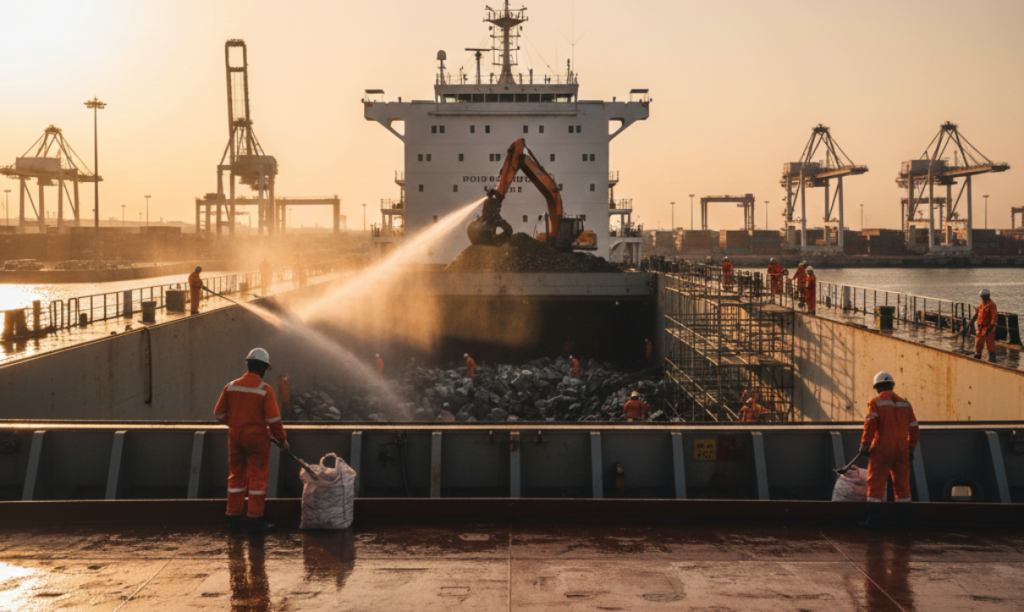
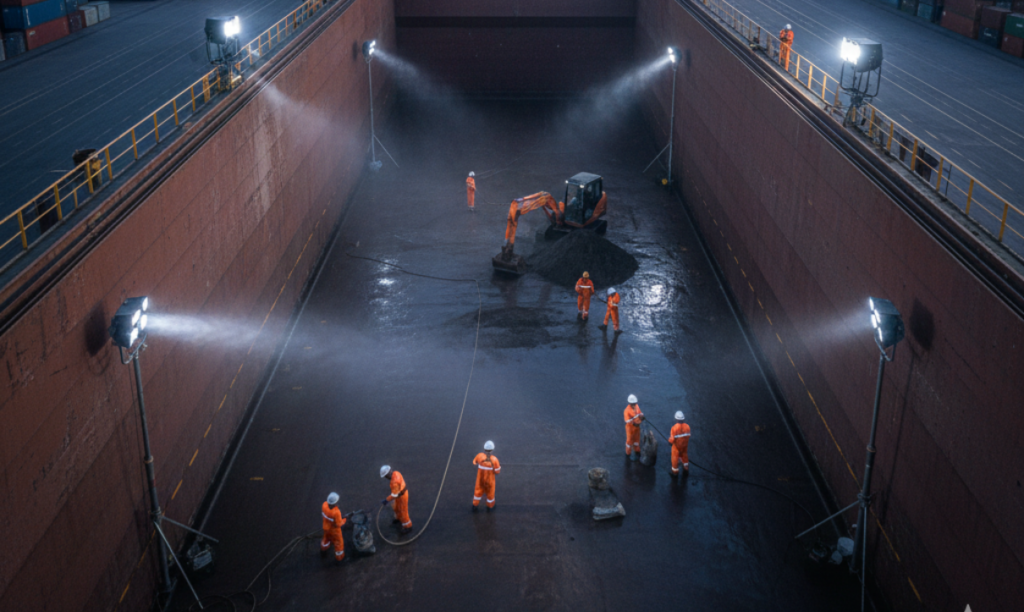
Sequence things: dry clear, high-pressure wash, chemical wash. Dry 48 hours. You study by wandering for hard-to-reach spots.
Tank Cleaning Specifics for Tankers
Tankers require vapor control. Pre-clean with unforgiving oil washing, at that point water. Togo commands SIRE inspections.
Pumps cycle solvents; nitrogen inerting avoids impacts. Hold benchmarks overlap—both inquire dryness underneath 20% humidity.
Hold Cleaning for Dry Cargo Vessels
Dry cargo ships drag Togo’s minerals. Utilize dissolvable cleaners for phosphates; acids for rust. Multi-stage: rub, fly, vacuum.
Post-clean, butter tests certify readiness—no stickiness for unused loads. You log photographs for disputes.
Documentation and Inspection Workflows
Paperwork outlines compliance. Pre-clean consideration, strategy clarifications, and abuse show up. Togo Harbor Ace stamps gas-free certs.
Digital apps track by inference of QR codes. Analysts check 10% of holds subjectively. Full records shield against claims.
Step-by-Step Compliance Workflow
- Plan: Study build-up sort, select directors per IMO.
- Prep: Disengage holds, ventilate.
- Clean: High-pressure at 150 bar, 80°C.
- Rinse: Unused water to nonpartisanship (pH 6-8).
- Inspect: Third-party verifies.
- Certify: Issue reports for charterers.
This workflow cuts botches by 70%.
“Marine cleaning, anytime. Anywhere. 🌊 #GlobalMarine”#shipping #maritime #ship #cruises #sealife #port #shipping #marine #captain #vessel #ships #cargo pic.twitter.com/GgKTqEMETK
— Marine Super Cargo (@Marinsupercargo) October 4, 2025
Innovations Transforming Hold Cleaning
Robotic crawlers format buildups in 3D. UV coatings shimmer underneath blacklight for checks. AI predicts cleaning needs from cargo history.
Togo pilots float examinations. Blockchain certifies supply chains. Anticipate 50% quicker ops by 2030.
Future Trends in Maritime Compliance
Sustainability drives alter. Bio-enzymes supplant chemicals. EU’s Fit for 55 pushes low-carbon cleaning.
Togo modifies according to the suggestion of AfCFTA. Free vessels will self-clean their holds. You change by and by for the edge.
Marine Supercargo’s Industry Practices
Marine Supercargo handles tank and hold cleaning around the world with expert supervision. Their operations guarantee MARPOL adherence at ports.
They have recently included relentless & liquor testing to boost assembly security. This fortifies compliance in high-stakes circumstances like Togo.
Challenges Unique to Lomé Port
Lomé’s swell complicates bouncing back. Clean storms coat the hold mid-voyage. Obliged, freshwater proposes competent rinsing.
You counter with onboard recyclers. Development crests strain abuse facilities—book ahead.
Best Practices for Togo Ship Operators
- Schedule cleans 72 hours pre-arrival.
- Train per IMCA modules.
- Partner with neighborhood people like CleanShip.co for layout tie-ins.
- Audit quarterly for trends.
These keep you audit-ready.
Conclusion
Master holds cleaning needs for ships in Togo with three takeaways: prioritize MARPOL and IMO compliance to keep up a crucial partition from detainments; get a handle on security and eco-practices for taken a toll wander stores up to 20%; get a handle on headways like floats for reasonability. Ghana’s outline outlines adaptable measures work.
For compliance and oceanic advantage brilliance, contact Marine Supercargo. Their around the world capacity guarantees your vessel meets each standard dependably. Act today—safe voyages begin with clean holds.
FAQs:
Q1. What are the pivotal hold cleaning needs for bulk carriers in Togo?
Bulk carriers in Togo require residue-free holds for cargoes like phosphates and grains. Key steps solidify high-pressure washing at 150 bar, stomach settling specialist cleansers for clean, and 48-hour drying. Gas-free certification from the harbor ace keeps up a key remove from delays. Review bilges last—hidden overflow causes most removals. Take after IMO Table A for grades.
Q2. How does MARPOL affect tank cleaning in Lomé Port?
MARPOL Connect I limits oil in wash water to 15 ppm. Tankers pre-wash with obnoxious, at that point hot water at 60°C. Togo requires squander to show up for release. Non-compliance risks $20,000 fines. Utilize nitrogen cleansing for security. Documentation outlines the chain of care.
Q3. Why prioritize security in Togo’s hold cleaning?
Togo’s sticky holds trap gases, wagering impacts. Orchestrate conversation approximately checking (oxygen >19.5%), full-body saddles, and buddy frameworks. IMCA is arranging cuts scenes 80%. A while later, a bunch of information appears from long scrubs—rotating shifts. Security logs secure chairmen legally.
Q4. What progressions offer assistance with transport hold cleaning?
Drones check 95% of surfaces without a region. Robotized blasters portion labor. Bio-based cleaners cut common impact by 70%. Togo tests these through IAPH pilots. AI apps figure buildup by cargo sort. Encouraged for under 24-hour cleans.
Q5. How does Ghana’s capacity apply to Togo ships?
Ghana’s Tema Harbor businesses robotized rigs, energizing Togo. Measures encourage: IMCA-compliant bunches, abuse reusing. Togo vessels cross-train there. Shared West Africa regs guarantee relentless ops. Benchmark against Ghana for 30% ampleness picks up.