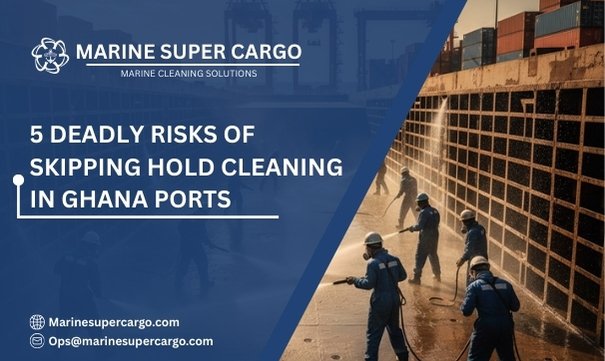
Risks of Skipping Hold Cleaning in Ghana Ports: A Wake-Up Call
You’re steaming into Tema or Sekondi, Ghana’s gateway ports, with holds still gritty from the last bulk grain load. Tempted to skip cleaning to shave time? Think again—that shortcut unleashes chaos. The Risks of Skipping Hold Cleaning in Ghana Ports ripple from fines to wrecked cargoes, like a domino chain reaction. We’ll unpack this through real tales, simple breakdowns, and hard facts, chatting like mates on the bridge. You’ll spot the traps and steer clear, armed with insights on compliance, safety, and smarts.
Ghana Ports: Why Holds Matter So Much
Ghana’s ports—Tema and Sekondi—handle 20 million tons yearly, buzzing with cocoa, bauxite, and containers. Skipping hold cleaning here is like ignoring oil in your engine; it grinds everything to a halt. Residues cling, breeding contaminants that spark claims.
Port authorities demand “grain clean” standards—holds swept bare, no loose rust. We’ve seen captains rush off, only for surveyors to flag issues, stranding ships. Understanding these Risks of Skipping Hold Cleaning in Ghana Ports starts with knowing the high stakes in this tropical trade hotspot.
Financial Nightmares from Delayed Turnarounds
Demurrage hits like a freight train. One day late at Tema costs $25,000+ for a Panamax. Risks of Skipping Hold Cleaning in Ghana Ports include rejected cargoes, forcing full cleans mid-voyage.
Example: A 2024 bulk carrier bypassed washing; charterers claimed $150K contamination. Bills stack—cleaning fees, lost revenue. Proactive rinses save 40% long-term, turning peril into profit.
Cargo Contamination: The Silent Killer
Residues from coal taint the next food load, like poison in your pantry. In Ghana, humidity amplifies this; mites thrive in uncleared grains. Skipping invites lawsuits—claims average $100K.
MARPOL mandates no cross-contamination; ignore it, and you’re liable. We’ve witnessed cocoa shipments rejected in Europe due to prior fertilizer traces. Bulletproof your holds to protect your bottom line.
Regulatory Fines and Compliance Traps
IMO and Ghana Ports Authority enforce strict rules. Risks of Skipping Hold Cleaning in Ghana Ports mean MARPOL Annex V violations—dumping residues nets $50 fines plus bans.
IMCA requires logged inspections; no records? Automatic red flags. IAPH World Ports pushes audits—Tema’s biosecurity mirrors Australia’s grain intolerance. Non-compliance delays your berth, costing thousands daily.
Safety Hazards Lurking in Dirty Holds
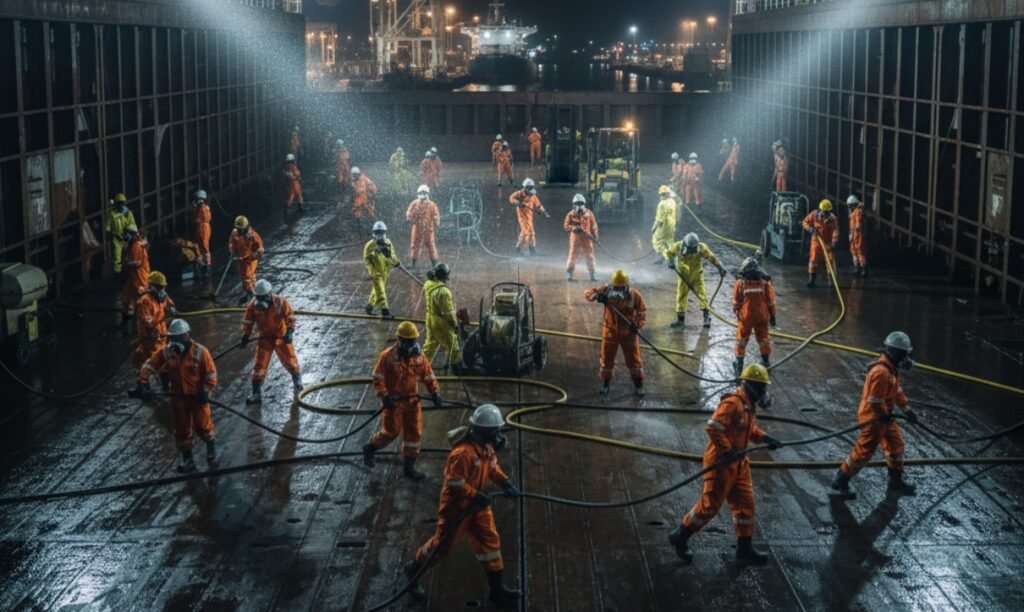
Slippery residues turn decks into ice rinks—falls injure 20% of cleaning crews yearly. Dust from skipped sweeps sparks explosions; one static zap ignites coal remnants.
Confined spaces trap fumes, per SOLAS. In Ghana’s heat, sweat mixes with grime, breeding slips. Real story: Sekondi crew hospitalized from unvented holds. Gear up, but prevention trumps cure.
Environmental Damage You Can’t Undo
Waste water with residues pollutes Ghana’s Gulf of Guinea coasts, harming fisheries. Risks of skipping hold cleaning in Ghana Ports include MARPOL garbage bans—no sea discharge without treatment.
Silt chokes mangroves; fines from Ghana EPA add up. IAPH urges reception facilities, but skips floods bilges with toxins. Eco-practices like silt traps protect reefs and your rep.
“Marine cleaning, anytime. Anywhere. 🌊 #GlobalMarine”#shipping #maritime #ship #cruises #sealife #port #shipping #marine #captain #vessel #ships #cargo pic.twitter.com/GgKTqEMETK
— Marine Super Cargo (@Marinsupercargo) October 4, 2025
Health Risks to Crew and Dockworkers
Mold from damp residues triggers respiratory woes—asthma spikes 30% in unclean holds. Pesticide traces from prior poisoning the lungs.
Ghana’s humidity fosters bacteria; we’ve seen outbreaks sidelining crews. Drug & Alcohol Testing now flags impaired workers, but dirty holds amplify dangers. Clean environments keep teams sharp.
Structural Damage to Your Vessel
Acidic residues corrode steel like rust on a bike chain. Skipping accelerates pitting—repairs cost $200 per hold.
IMSBC Code warns of this for bulk. In Ghana, salt spray worsens it. Regular checks via IMCA prevent $1M overhauls, extending hull life.
Operational Delays at Tema and Sekondi
Quays clog fast; unclean holds mean reworks, bumping your slot. Risks of skipping hold cleaning in Ghana Ports delay by 2-5 days, per GPHA tariffs.
Stevedores refuse dirty bays, hiking laytime. Story: A container ship waited 72 hours for sweeps. Plan to sail on schedule.
Insurance Claims That Sting
Dirty holds void coverage—insurers deny contamination payouts. P&I clubs cite negligence if logs lack cleaning proofs.
Claims soar 50% without “hospital clean” for specialties. Document via IMO templates to shield against disputes.
Reputational Hits in West African Trade
Word spreads fast; one skip brands you unreliable. Ghana charterers blacklist offenders, killing future fixes.
IAPH networks amplify bad press. Build trust with spotless records—loyalty pays dividends.
Innovations Preventing Hold Cleaning Risks
Drones inspect holds remotely, spotting residues early. AI predicts buildup, per CleanShip.co tech.
Robotic washers cut manual risks by 70%. Future: Biotech enzymes dissolve grime harmlessly, IMO-approved.
Cost-Saving Tips to Dodge Risks
Invest $10 in cleaning to save $100K in fines. Use hot water for 20% faster jobs.
- Bulk detergents upfront.
- Train crews on IMCA checklists.
- Partner for reception facilities.
Marine Supercargo’s Compliance Edge
Marine Supercargo delivers global tank and hold cleaning, cargo supervision, and support. Their new drug & alcohol testing boosts crew safety and regulatory compliance, fitting Ghana Ports’ demands seamlessly.
Future Trends in Ghana Port Cleaning
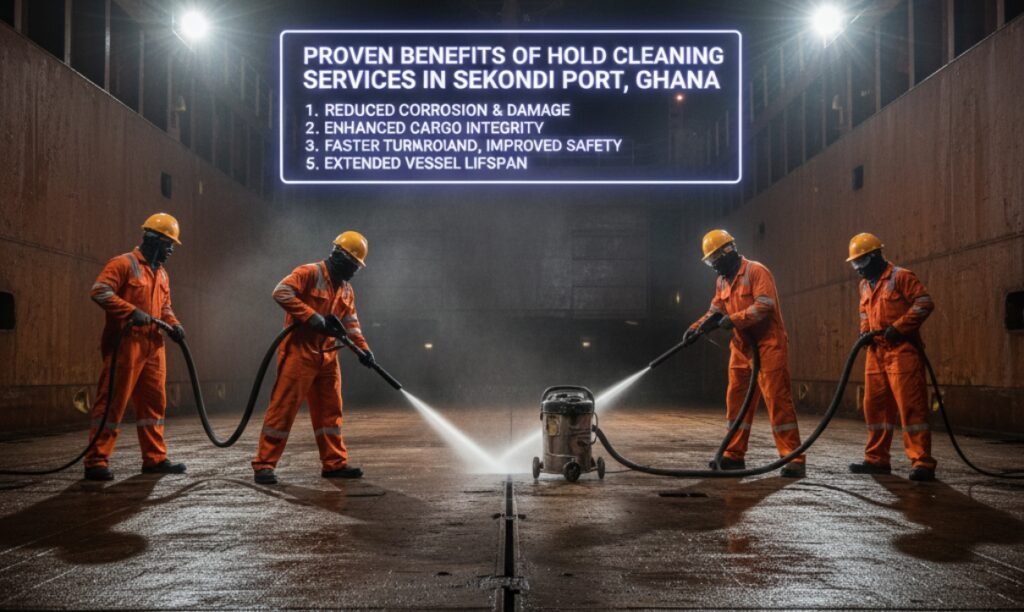
By 2030, automated systems will dominate, slashing the risks of skipping hold cleaning in Ghana Ports. Green tech, like UV sterilizers, aligns with IAPH sustainability. Ghana leads with digital logs.
Conclusion
Three takeaways from Risks of Skipping Hold Cleaning in Ghana Ports: Prioritize compliance to slash fines and delays; safeguard safety and environment for crew and coasts; leverage innovations for cost wins. These steps transform vulnerabilities into strengths.
For top-tier compliance and maritime excellence, turn to Marine Supercargo—their hold cleaning, supervision, and safety testing ensure smooth Ghana voyages. Reach out today.
FAQs:
Q1. Why Prioritize Hold Cleaning in Ghana Ports?
Skipping hold cleaning risks contamination and IMO fines in Tema/Sekondi. Services ensure “grain clean” standards, preventing cargo rejection and demurrage—saving $50K+ per voyage via MARPOL-compliant washes and logs.
Q2. How Do Tank Cleaning Services Mitigate Risks?
Tank services for chemicals/oils use specialized rinses to avoid corrosion or spills. In Ghana, they include bilge checks and chloride tests, cutting environmental violations and insurance hikes—essential for safe reloads.
Q3. What Bulk Carrier Cleaning Prevents Safety Issues?
Bulk services sweep vast holds, ventilate dust, and certify gas-free per IMCA. Ghana crews benefit from PPE protocols and testing, reducing slips/explosions—key for humid ports.
Q4. Can Cargo Supervision Avoid Compliance Fails?
Supervision verifies cleanliness pre-load, documenting for audits. With drug & alcohol testing, it enhances focus, dodging Ghana EPA penalties, and ensuring smooth berths.
Q5. Innovations in Hold Services for Ghana?
Modern services deploy drones and foams, minimizing water use per IAPH. They tackle Risks of Skipping Hold Cleaning in Ghana Ports efficiently, blending tech with regs for greener, faster ops.