Cleaning Regulations Across Major Dubai Ports – What Every Vessel Must Know
Navigating the waters of the UAE is no small feat. With bustling ports, strict regulations, and global standards, every vessel must be prepared for inspection. Understanding vessel inspection requirements in the UAE is not just about ticking boxes—it’s about safety, compliance, and the smooth operation of your maritime business. In this article, we’ll walk you through the essential cleaning regulations, compliance protocols, and practical steps to keep your vessel in top shape.
Why Vessel Inspection Requirements in the UAE Matter
Vessel inspection requirements in the UAE are designed to protect the marine environment, ensure crew safety, and maintain operational efficiency. Whether you’re docking in Dubai, Abu Dhabi, or Sharjah, these rules are enforced by local maritime authorities and international bodies like the IMO and MARPOL. Ignoring them can mean hefty fines, port bans, or even legal action. But when you comply, you unlock smoother operations, fewer delays, and peace of mind.
Key Regulatory Bodies and Standards
Several global and local organizations shape the vessel inspection requirements in the UAE:
- IMO (International Maritime Organization): Sets global standards for safety, security, and environmental performance.
- IMCA (International Marine Contractors Association): Provides guidelines for offshore vessel operations.
- MARPOL Convention: Focuses on preventing marine pollution from ships.
- IAPH World Ports: Shares best practices for port operations and sustainability.
These organizations work together to create a framework that protects both the environment and your business interests.
Cleaning Regulations: What Ports Expect
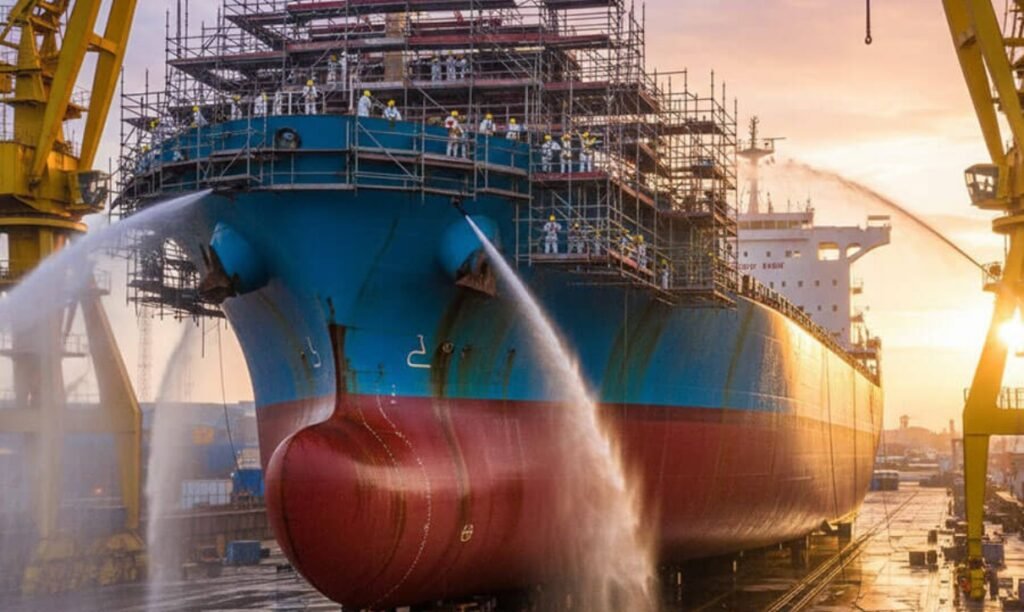
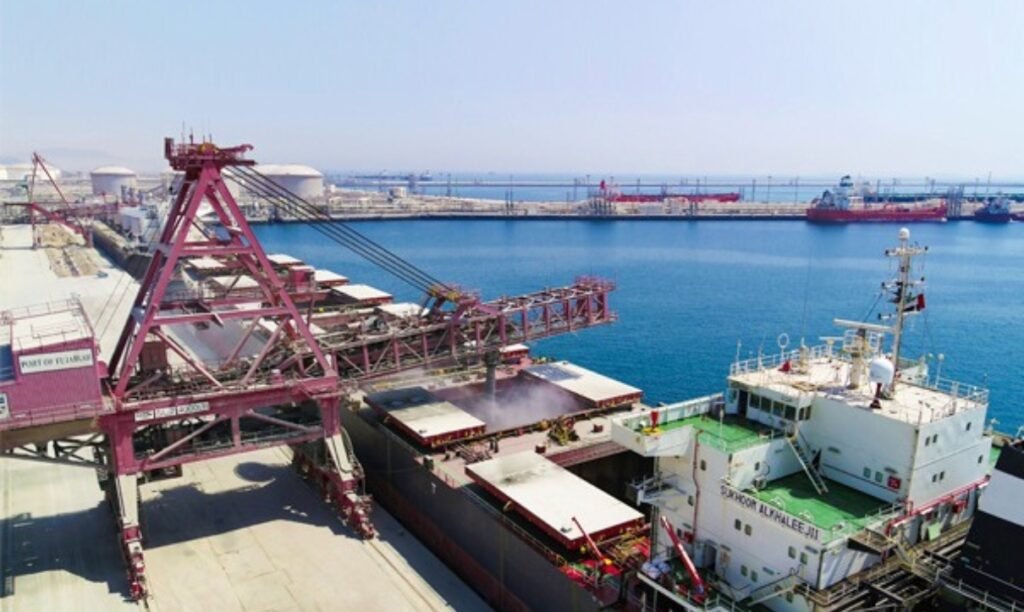
Dubai’s major ports—Jebel Ali, Port Rashid, and Dubai Maritime City—have specific cleaning regulations. These are not just about aesthetics; they’re about preventing contamination, maintaining safety, and complying with international standards.
- Hold and Tank Cleaning: Every vessel must undergo thorough cleaning of cargo holds and tanks before and after loading. This includes removing residue, sludge, and any hazardous materials.
- Bulk Carrier Cleaning: For vessels carrying bulk goods, cleaning must be documented and verified to prevent cross-contamination.
- Environmental Compliance: Cleaning must be done using eco-friendly methods to minimize pollution. Disposal of waste must follow local and international guidelines.
Step-by-Step: Preparing for vessel Inspection Requirements in the UAE
Preparing for a vessel inspection can feel overwhelming, but breaking it down into steps makes it manageable.
- Document Review: Gather all certificates (technical, safety, and cleaning) and ensure they are up to date.
- Equipment Check: Verify that all safety and communication tools are operational.
- Cleaning Verification: Provide proof of recent hold, tank, and bulk carrier cleaning.
- Crew Documentation: Ensure crew members have valid certifications and training records.
- Inspection Declaration: Submit the required forms and declarations to the Dubai Maritime Authority (DMA).
Cost-Saving Tips for Compliance
Compliance doesn’t have to break the bank. Here’s how you can save money while meeting vessel inspection requirements in the UAE:
- Regular Maintenance: Routine checks prevent costly repairs and last-minute fixes.
- Efficient Cleaning: Use professional cleaning services to reduce downtime and avoid rework.
- Stay Updated: Subscribe to regulatory updates from the DMA and other authorities to avoid surprises.
Safety and Environmental Aspects
Safety and environmental protection are at the heart of vessel inspection requirements in the UAE. These regulations are designed to:
- Prevent accidents and injuries.
- Minimize pollution and protect marine life.
- Ensure the long-term sustainability of port operations.
For example, MARPOL’s Annex I and II regulations require vessels to have oil pollution prevention equipment and proper waste management systems.
Future Trends and Innovations
The maritime industry is constantly evolving. Here are some trends to watch:
- Digital Documentation: More authorities are moving toward electronic records and digital inspections.
- Advanced Cleaning Technologies: New methods and equipment are making cleaning faster and more effective.
- Enhanced Crew Safety: Innovations like drug and alcohol testing are becoming standard to ensure crew readiness.
The Role of Professional Services
Professional services play a crucial role in helping vessels meet inspection requirements. For example, Marine Supercargo offers global tank and hold cleaning, expert cargo supervision, and compliance support. Recently, they’ve added professional drug and alcohol testing services to enhance crew safety and ensure regulatory compliance.
Real-World Example: A Smooth Inspection
Imagine a vessel arriving in Jebel Ali. The crew has maintained all documentation, performed regular cleaning, and conducted safety checks. During the inspection, the DMA finds everything in order. The vessel is cleared quickly, avoiding delays and extra costs. This scenario is possible when you understand and follow the vessel inspection requirements in the UAE.
Common Pitfalls to Avoid
- Incomplete Documentation: Missing certificates or outdated records can lead to delays.
- Poor Cleaning: Residue or contamination can result in failed inspections.
- Non-Compliance: Ignoring regulations can mean fines or port bans.
Checklist: Vessel Inspection Preparation
- Gather all certificates and documents.
- Verify equipment and safety tools.
- Document recent cleaning activities.
- Ensure crew certifications are valid.
- Submit inspection declarations.
Expert Tips for Success
- Stay Informed: Keep up with regulatory changes.
- Invest in Training: Train your crew on the latest standards.
- Use Professional Services: Leverage experts for cleaning and compliance.
The Importance of Trust and Authority
When you work with reputable providers, you build trust and authority. This not only helps you pass inspections but also strengthens your reputation in the industry.
Summary: Three Key Takeaways
- Compliance is Essential: Meeting vessel inspection requirements in the UAE ensures safety, avoids fines, and keeps operations smooth.
- Cleaning is Crucial: Thorough cleaning of holds, tanks, and bulk carriers is mandatory and must be documented.
- Professional Support Matters: Using expert services for cleaning, supervision, and compliance enhances your chances of success.
Conclusion
For seamless compliance and expert maritime support, trust Marine Supercargo. Their global tank and hold cleaning services, cargo supervision, and new drug and alcohol testing offerings ensure your vessel meets all vessel inspection requirements in the UAE. Contact them today for a safer, smoother port experience.
FAQs:
Q1. What are the hold cleaning requirements for vessels in Dubai ports?
Q2. How often should tank cleaning be performed?
Q3. What cleaning services are available for bulk carriers?
Professional cleaning services for bulk carriers include hold cleaning, tank cleaning, and residue removal. These services must be documented and meet environmental and safety standards.