Khorfakkan Hold Cleaning Services: Essential for Safe, Compliant Shipping
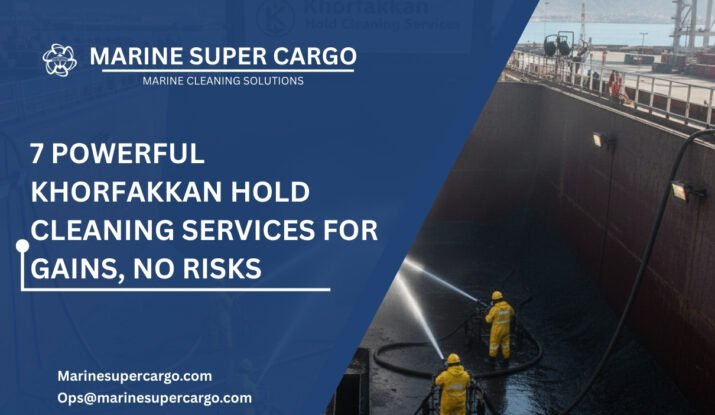
If you’ve ever tackled cleaning a large, stubborn stain, you know that the right technique and tools make all the difference. In the maritime world, cleaning a ship’s cargo hold is a similarly demanding task—where precision, safety, and compliance are non-negotiable. That’s why Khorfakkan hold cleaning services are vital to keeping ships ready, safe, and regulation-compliant in one of the UAE’s most strategic ports.
Khorfakkan, nestled on the UAE’s east coast, serves as a bustling maritime hub linking regional and global trade. Here, professional hold cleaning isn’t just about hygiene—it’s a crucial operation that protects cargo, crew, and the environment in line with international maritime laws. In this article, we take you through the importance of hold cleaning, the regulatory landscape, cost benefits, safety measures, environmental responsibility, emerging trends, and how expert services like Marine Supercargo lead the way.
What Are Khorfakkan Hold Cleaning Services?
These services involve detailed cleaning and preparation of cargo holds before loading or after unloading. This process removes residues, contaminants, moisture, and potential hazards, ensuring holds meet the stringent standards required for safe cargo transport.
Think of them as the meticulous backstage crew of a play, setting the stage so the show—your cargo operation—runs flawlessly.
Why Do You Need Professional Khorfakkan Hold Cleaning Services?
Skipping or rushing hold cleaning can lead to disastrous consequences—like spoiled cargo from contamination, health risks to crew from trapped gases, or costly regulatory fines. Proper cleaning:
- Preserves cargo quality
- Ensures crew safety
- Maintains ship integrity over time
- Guarantees compliance with international laws
You want your ship to sail confidently, not risk costly interruptions.
Key Regulatory Frameworks Shaping Hold Cleaning
Khorfakkan’s hold cleaning services operate within a complex web of international and regional regulations, including:
- IMO (International Maritime Organization): The global authority on maritime safety and pollution prevention.
- IMCA (International Marine Contractors Association): Sets best-practice guidelines in marine operations.
- MARPOL: Governs marine pollution control, particularly wastewater and waste residues.
- IAPH World Ports: Influences sustainable and efficient port operations, shaping Khorfakkan’s regulatory environment.
Understanding these ensures you meet all legal obligations without surprises.
Cost Advantages of Using Professional Khorfakkan Hold Cleaning Services
At first glance, cleaning might seem like an expense, but it’s a smart investment. Professional hold cleaning in Khorfakkan helps you:
- Avoid heavy penalties for regulatory violations
- Reduce cargo damage claims by preventing contamination
- Minimize repair costs by preventing corrosion and structural wear
- Shorten port turnaround times through efficient cleaning procedures
Think of it as preventive care for your vessel and cargo.
Safety as a Core Benefit of Professional Cleaning
Cargo holds can harbor toxic gases or slippery residues—hidden dangers that threaten crew health. Experts use proper ventilation, gas detection, protective gear, and training to make holding cleaning a safe process. Marine Supercargo’s integration of Drug & Alcohol Testing further raises safety standards by ensuring crew alertness.
Environmental Responsibility in Khorfakkan Hold Cleaning Services
Port ecosystems need shielding from harmful pollutants. Professional hold cleaning services prioritize environmentally sound methods—using biodegradable detergents, capturing wastewater, and disposing of residues responsibly—ensuring Khorfakkan remains a clean and eco-friendly maritime hub.
Innovative Trends Transforming Hold Cleaning
The maritime sector is embracing smart technology, such as:
- Automated cleaning robotics reduces human risk
- Digital audit and documentation systems are improving compliance tracking
- Eco-friendly cleaning agents are lessening ecological footprints
- Data-driven process optimization for cost and time efficiency
Khorfakkan is on the cusp of integrating these innovations fully.
Marine Supercargo’s Role in Khorfakkan’s Maritime Excellence
Marine Supercargo offers extensive global tank and hold cleaning services with unmatched cargo supervision and compliance support. Their recent addition of professional Drug & Alcohol Testing highlights a commitment to comprehensive crew safety and regulatory adherence.
The Stepwise Process of Professional Khorfakkan Hold Cleaning Services
- Survey and Risk Assessment: Identifying residues and contamination hazards.
- Ventilation: Ensuring toxic gases are removed before cleaning begins.
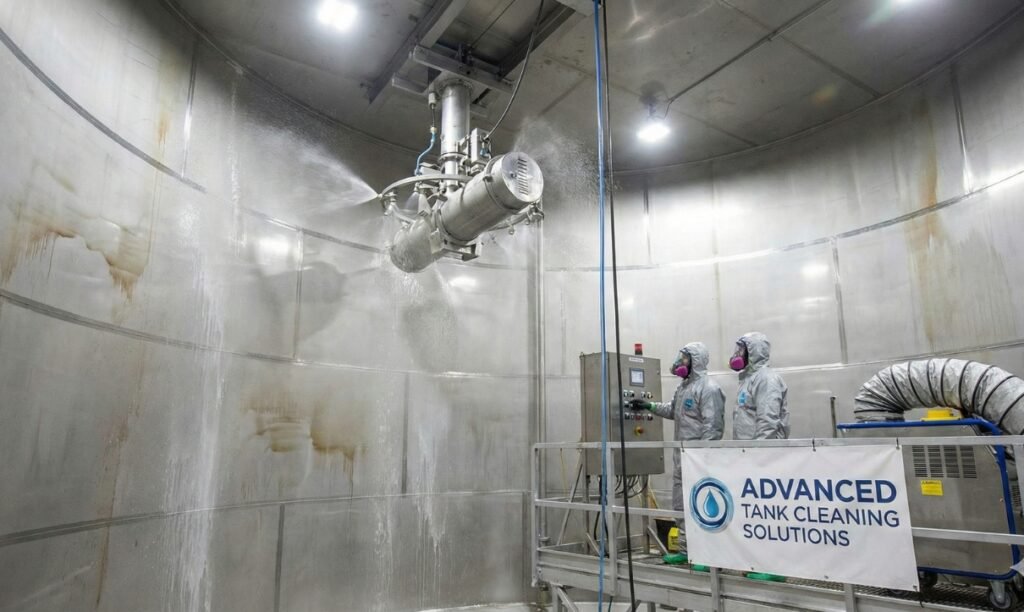
- Cleaning: Employing high-pressure washing, brushing, and safe detergents.
- Inspection: Confirming cleanliness and drying to prevent moisture retention.
- Waste Disposal: Capturing and treating wastewater per MARPOL rules.
- Certification: Validating compliance with official documentation.
Overcoming Common Vessel Cleaning Challenges
- Residue diversity: Tailored protocols for different cargoes to avoid contamination.
- Time constraints: Efficient workflow and skilled operators meet port schedules.
- Regulatory changes: Continuous training and technology upgrades ensure compliance.
Real-World Example: Efficient Hold Cleaning Saves Time and Money
One Khorfakkan operator reduced port detention times by 30% and eliminated contamination claims after switching to certified expert cleaning, saving thousands in fines and boosting customer trust.
How to Choose the Right Khorfakkan Hold Cleaning Services
- Confirm certifications aligned with IMO, IMCA, and MARPOL standards.
- Evaluate equipment and cleaning technologies used.
- Review crew safety and environmental compliance protocols.
- Assess documentation thoroughness and audit readiness.
- Look for integrated safety testing, like drug and alcohol screening.
The Critical Role of Documentation in Compliant Khorfakkan Hold Cleaning Services
Accurate, digital documentation ensures smooth inspections and audits. It acts as your ship’s health record, proving to authorities that every cleaning step complies with regulations.
Why Crew Well-being Is Integral to Quality Services
Safe hold cleaning starts with a healthy crew. Drug and alcohol testing safeguards your workforce, preventing accidents and ensuring high operational standards.
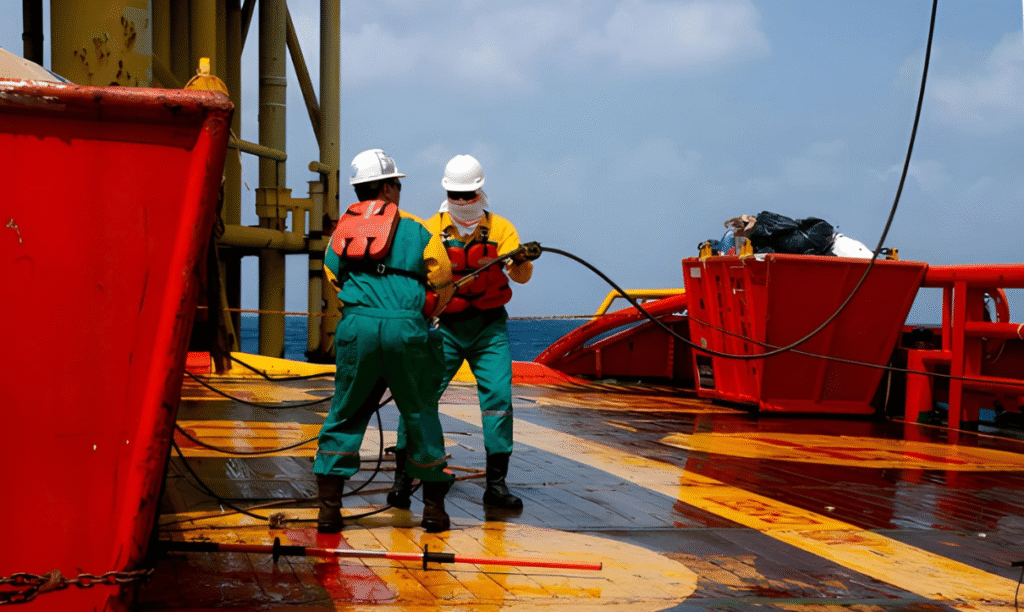
Types of Hold Cleaning Explained
- Dry Cargo Hold Cleaning: Removing solid residues and dust.
- Tank Cleaning: A Specialized process for liquid or hazardous cargo holds.
- Bulk Cargo Cleaning: Managing large volumes of dry cargo remains efficient.
Conclusion
Khorfakkan hold cleaning services providing vital expertise, ensuring safe, compliant, and cost-effective maritime operations. With adherence to global standards like IMO and MARPOL, dedication to crew safety, environmental stewardship, and adoption of cutting-edge innovations, expert services such as Marine Supercargo offer comprehensive solutions that protect your vessel and reputation. Invest in professional hold cleaning for peace of mind and operational excellence.
FAQs:
Q1. What do Khorfakkan hold cleaning services include?
They cover detailed inspection, cleaning, ventilation, waste disposal, and regulatory certification tailored to your ship’s cargo type.
Q2. How is tank cleaning different from dry hold cleaning?
Tank cleaning deals with liquid or hazardous cargo tanks requiring specialized, stricter procedures compared to dry cargo holds.
Q3. What bulk hold cleaning services are available?
These services focus on clearing large amounts of dry bulk residues like grains, requiring dust control and efficient residue removal.
Q4. How does regulatory compliance affect hold cleaning in Khorfakkan?
Compliance with IMO, MARPOL, IMCA, and IAPH ensures environmental, safety, and operational standards are met, avoiding fines and delays.
Q5. Why is incorporating drug and alcohol testing important?
It ensures crew alertness and safety during complex cleaning procedures, reducing accidents and regulatory risks.