What is Underwater Ship Hull Cleaning in Jersey?
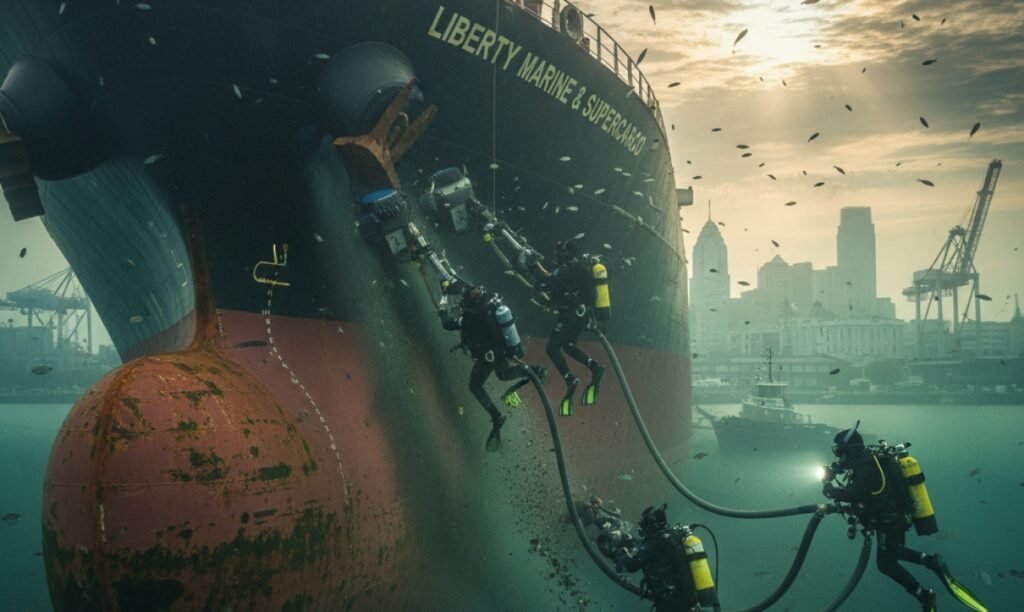
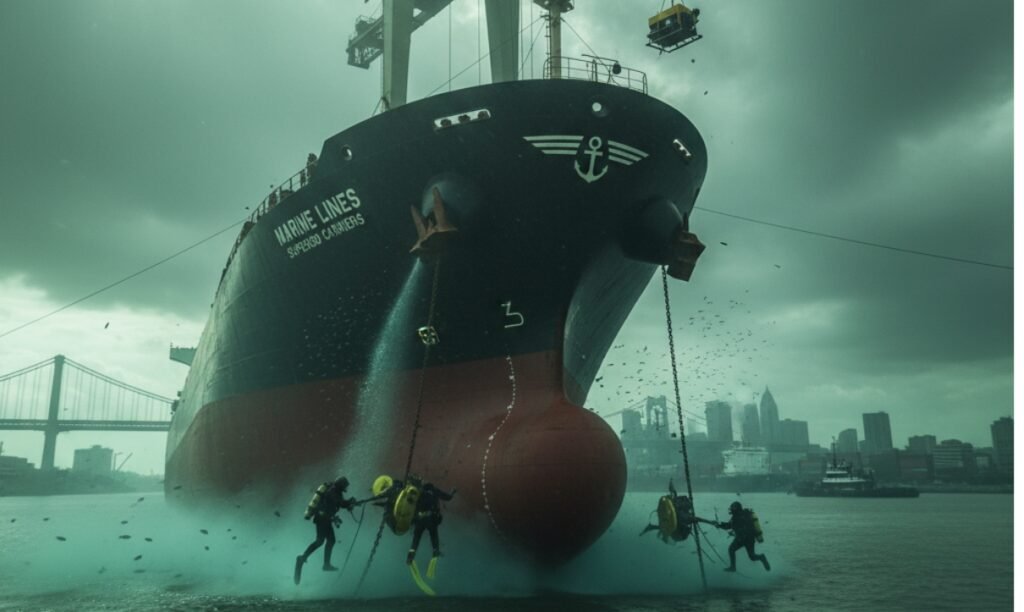
Underwater ship hull cleaning involves the removal of marine growth such as algae, barnacles, and biofilm from the submerged surface of a vessel’s hull. Think of it as giving your ship a “refreshing bath” below the waterline to keep it in top shape. This service is essential to maintain your ship’s health, speed, and fuel efficiency by ensuring the hull remains smooth and free from drag. In Jersey, this cleaning is often done by trained divers or robotic systems to protect the hull’s antifouling coatings and prevent damage.
Why Biofouling is a Problem for Ships
Biofouling is the unwanted accumulation of microorganisms, plants, and animals on the ship hull. Imagine trying to swim with sticky weeds clinging to your body — the ship faces increased resistance, which leads to higher fuel consumption and added costs. If untreated, fouling can cause corrosion and damage the hull structure, reducing the lifespan of your vessel’s coatings and overall structural integrity. Jersey’s maritime environment requires regular hull cleaning to prevent these costly issues.
Techniques for Underwater Ship Hull Cleaning in Jersey
Several cleaning methods are employed underwater: manual scrubbing with brushes, powered rotary brushes, and advanced non-contact technologies such as high-pressure water jets or ultrasonic cleaning. Manual cleaning is common for smaller vessels and is carefully done to avoid hull damage, whereas high-tech methods provide thorough cleaning with minimal risk to antifouling paint. These techniques ensure your hull’s surface is restored without costly repairs.
Compliance with Maritime Regulations
Cleaning your ship hull underwater in Jersey also helps stay compliant with international maritime regulations overseen by bodies like IMO and MARPOL. These rules are designed to reduce marine pollution caused by hull fouling and invasive species transfer. Regular cleaning demonstrates responsible ship management and aligns with flag state requirements, increasing your vessel’s acceptance in global ports, including those of the IAPH World Ports organization.
Cost Savings Through Efficient Hull Maintenance
A clean hull reduces drag—directly saving fuel and lowering CO2 emissions. Considering fuel costs often make up 50% or more of a ship’s operating expenses, the financial benefit is clear. For example, Seaward Marine estimates saving up to $97,200 per trip when cleaning hulls regularly. Besides saving fuel, maintenance costs decrease due to less frequent dry-docking and repainting requirements.
Ensuring Safety through Underwater Ship Hull Cleaning in Jersey
Underwater inspections during hull cleaning allow early detection of corrosion, cracks, or marine growth clogging critical sea chests and cooling systems. This proactive maintenance improves vessel safety by preventing machinery breakdown and ensuring hull integrity. Jersey ship owners benefit greatly from cleaning operations combined with expert reports and photographic evidence to document the vessel’s condition.
“Marine cleaning, anytime. Anywhere. 🌊 #GlobalMarine”#shipping #maritime #ship #cruises #sealife #port #shipping #marine #captain #vessel #ships #cargo pic.twitter.com/GgKTqEMETK
— Marine Super Cargo (@Marinsupercargo) October 4, 2025
Environmental Considerations in Jersey
The underwater cleaning industry in Jersey increasingly adopts environmentally friendly methods, including advanced filtration systems like the Whale Shark filtration that captures harmful metals and particulates released during cleaning operations. Sustainable practices help protect the marine ecosystem while adhering to regulations like MARPOL Annex V to minimize pollution.
Future Trends in Underwater Ship Hull Cleaning in Jersey and Maritime Documentation
The maritime sector is witnessing innovations such as robotic hull cleaners for precision cleaning and minimal human risk, and digital documentation tools that enhance compliance verification. Future-facing flag documentation systems will integrate hull cleaning records with other mandatory inspections, making regulatory compliance seamless. Drug & alcohol testing services have become integral for crew safety, enhancing operational standards globally.
Understanding Maritime Flag Documentation
Flag documentation certifies that a vessel meets its flag state’s safety, environmental, and operational standards. Proper documentation supports compliance with international conventions, including IMO and MARPOL, which directly impact underwater ship hull cleaning in Jersey schedules and inspections. Jersey ship operators should maintain updated records to avoid penalties and ensure smooth port calls worldwide.
Role of Drug & Alcohol Testing in Maritime Safety
Testing programs ensure crew members are fit for duty, reducing accidents caused by impairment. This complements vessel maintenance activities like hull cleaning, reinforcing a culture of safety onboard. Marine Supercargo’s recent addition of professional drug & alcohol testing services embodies the integrated approach to maritime compliance.
Benefits of Proper Documentation for Crew and Vessel Management
Accurate documentation supports crew welfare and operational transparency. It helps ship managers track maintenance actions such as underwater ship hull cleaning in Jersey and relevant safety checks. In Jersey, maintaining this documentation is a best practice for optimizing vessel performance and compliance with international maritime law.
Marine Supercargo: Compliance and Cleaning Support
Marine Supercargo offers global underwater hull, tank, and hold cleaning alongside expert cargo supervision. Their integration of drug & alcohol testing services bolsters crew safety and regulatory adherence. This holistic approach helps ship owners and operators maintain a compliant and seaworthy vessel, ready for any challenges at sea.
How Jersey’s Location Affects Underwater Ship Hull Cleaning in Jersey Services
Jersey’s strategic maritime position requires reliable underwater cleaning to handle frequent transits and varying sea conditions. Local service providers understand environmental sensitivities and regulatory frameworks, offering tailored cleaning solutions with minimal disruption and maximum efficiency for vessel turnaround.
Practical Tips for Scheduling Underwater Ship Hull Cleaning in Jersey
To maximize benefits, coordinate cleaning during short port stays or alongside other inspections. Regular cleaning intervals—often every three to six months—keep biofouling manageable and optimize operational costs. Always select certified providers familiar with Jersey’s maritime regulations for the best outcomes.
Common Challenges in Underwater Ship Hull Cleaning in Jersey
Challenges include biofouling severity, coating sensitivity, and weather conditions. Recreational and commercial vessels differ in cleaning needs, requiring adaptable methods. Safety of divers and environmental protection remain paramount, supported by international standards that professional cleaners in Jersey follow rigorously.
Summary of Key Compliance Standards
Relevant standards include the IMO guidelines for biofouling management, the MARPOL Convention to prevent pollution, and IMCA’s operational safety standards. Additionally, IAPH World Ports promotes best practices for port state control and vessel inspections. Leveraging these standards is essential for any vessel undergoing underwater ship hull cleaning in Jersey.
Conclusion
Underwater ship hull cleaning in Jersey is a vital practice for maintaining vessel performance, reducing fuel costs, and ensuring regulatory compliance. It enhances safety by identifying potential issues early and supports environmental stewardship. Ship owners in Jersey are encouraged to partner with reliable providers like CleanShip.co for expert cleaning and comprehensive maritime compliance services.
FAQs:
Q1. Why is flag documentation important?
Flag documentation certifies a vessel’s compliance with international safety and environmental regulations. It is essential for legal operation and enables smooth port access worldwide.
Q2. What topics are covered for ship safety and compliance?
Safety includes hull integrity, crew readiness, pollution control, and adherence to maritime laws such as IMO conventions and MARPOL.
Q3. How does documentation relate to maritime law?
Documentation records regulatory compliance, ensuring vessels meet legal requirements to prevent penalties and operational delays.
Q4. What role does Drug & Alcohol Testing play?
Testing helps ensure crew members are sober and fit for duty, reducing risks from human error and enhancing overall vessel safety.
Q5. What future trends exist in flag documentation and underwater ship hull cleaning in Jersey?
Digital recordkeeping, robotic underwater ship hull cleaning in Jersey, and integrated compliance systems will modernize inspections and documentation, improving efficiency and safety.