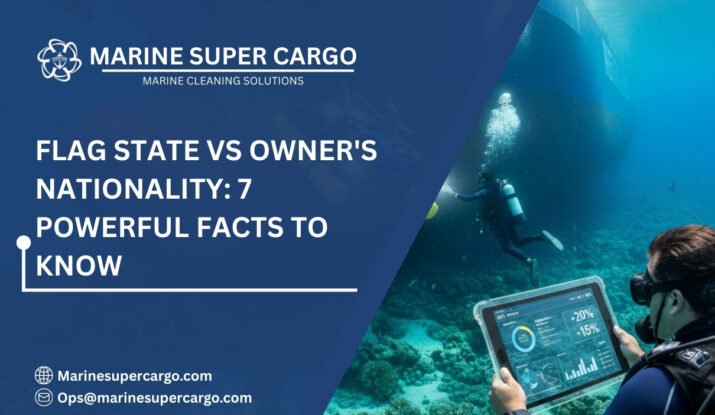
Flag State vs Owner’s Nationality: What You Need to Know
In maritime circles, one of the most intriguing questions revolves around the difference between where a vessel is registered and who actually owns it. The contrast between these two identities — Flag State vs Owner’s Nationality — influences everything from regulatory compliance and taxation to safety standards and environmental accountability.
Understanding this distinction is crucial, as it reveals how global shipping operations are structured and governed. Let’s explore why this difference matters and what valuable lessons it offers to modern ship operators navigating international waters.
Understanding the Basics of Flag State vs Owner’s Nationality
At its core, Flag State vs Owners Nationality refers to two distinct concepts. The Flag State is the country under whose laws the vessel is registered and allowed to operate. The Owner’s Nationality, meanwhile, refers to the citizenship or domicile of the vessel’s owner. In many cases, they differ. This difference is legal, legitimate, and often strategic—especially when choosing where to register the vessel for commercial benefit or compliance flexibility.
Why Ships Sail Under Different Flags
A vessel doesn’t have to fly the same flag as its owner’s nationality. For instance, a company based in Greece might register its ships in Panama or Liberia. This practice, sometimes called “flagging out,” is common in global shipping. The Flag State determines the rules governing the ship, while the owner’s nationality can influence the management style and financial responsibilities. Understanding Flag State vs Owners’ Nationality helps in balancing compliance and operational efficiency.
Legal Link: Who Controls What
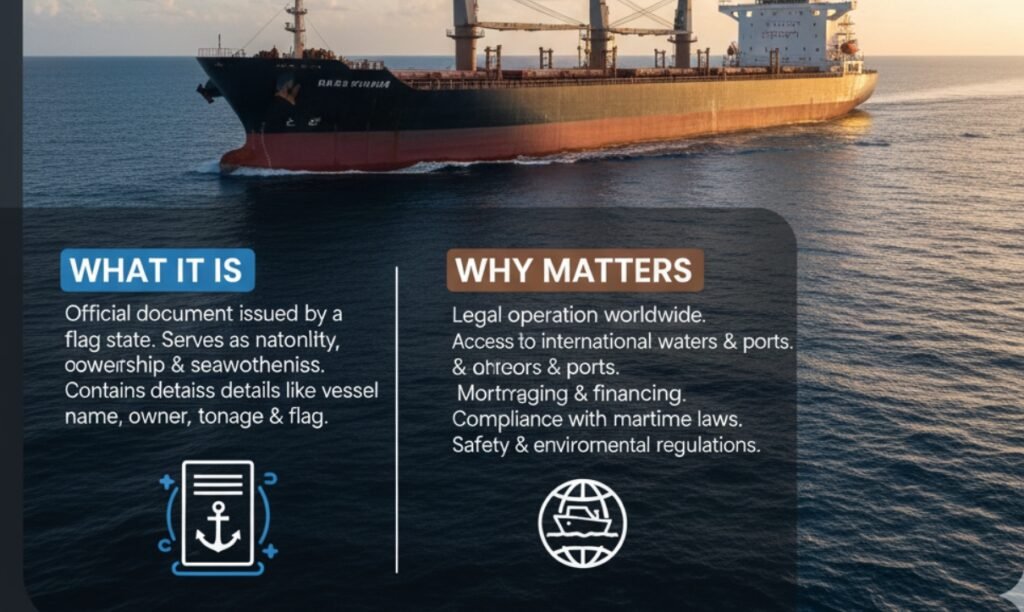
In maritime law, the Flag State has authority over the vessel wherever it operates. It’s responsible for enforcing international conventions like MARPOL and IMO regulations. The Owner’s Nationality, however, determines ownership privileges and liabilities. When the flag state vs the owner’s nationality differs, coordination between both jurisdictions becomes crucial. The ship may be owned by an individual in one nation but bound by the maritime laws of another. Also read about 7 Powerful Flag Documentation Topics You Must Understand.
The Benefits of Flexible Registration
Why would a shipowner opt for a different flag? The reasons range from favorable tax systems and lower registration fees to simpler regulations. A well-chosen Flag State can provide smoother operations and better international recognition. In many successful cases, Flag State vs Owner’s Nationality differences actually help optimize global competitiveness, provided compliance remains intact. It’s a strategic balance rather than a contradiction.
Risks of Mismatch Between Flag and Ownership
Not all mismatches are beneficial. Authorities sometimes suspect “flags of convenience” where weaker enforcement could mask substandard practices. When Flag State vs Owner’s Nationality diverges too far, issues like unclear liability and regulatory confusion arise. Operators must ensure transparency and maintain certification through reputable Flag States recognized by IMO and IAPH World Ports to avoid being blacklisted or detained at ports. Read more about 7 Powerful Truths of Underwater Ship Hull Cleaning in Berjaia.
Compliance: The True Compass of Operations
Compliance is where Flag State vs Owner’s Nationality becomes most evident. For a ship to operate internationally, it must meet the environmental and safety standards of its Flag State. MARPOL certificates, crew documentation, and inspection reports must align with that nation’s requirements. Meanwhile, the owner’s country may impose additional reporting rules or tax obligations. Balancing both prevents conflicts and ensures smooth audit trails. Also read about Discover 7 powerful underwater hull cleaning benefits in Oran.
Cost Implications and Economic Strategy
Choosing a registration location directly affects a ship’s financial performance. A well-managed Flag State vs Owners Nationality strategy reduces costs linked to taxes, crewing, and insurance. Many nations with major open registries offer competitive fees and minimal bureaucracy. That said, organizations like IMO insist that cost efficiency should never undermine safety or environmental standards. An optimized approach harmonizes savings with compliance.
The Role of Safety Oversight
Even with digital advancements, inspections remain central to verifying compliance. The Flag State ensures vessels meet its safety code, while the owner remains responsible for implementing those standards. In case studies involving Flag State vs Owner’s Nationality differences, vessels under proactive digital management fared better in audits. The key lesson: flag diversity doesn’t excuse negligence—it requires stronger oversight and communication. Learn more about Discover 7 proven underwater hull cleaning benefits in Skikda.
Environmental Accountability Across Jurisdictions
Under MARPOL and IMO guidelines, the Flag State monitors emissions, waste management, and pollution prevention. When ownership and registration cross borders, coordination becomes challenging. However, technology now bridges this gap. Real-time monitoring tools allow owners and Flag State authorities to track environmental compliance data simultaneously, keeping ships accountable regardless of national boundaries. Learn about Underwater Ship Hull Cleaning in East London.
Future Trends in Registration and Ownership
Expect digital convergence to blur the lines between Flag State vs Owner’s Nationality. Electronic flagging, blockchain credentials, and AI-driven registry updates will soon simplify international compliance. Unified databases may allow instant verification of ownership and certificate validity worldwide. As maritime governance evolves, transparency and digitization will redefine trust between regulators and operators.
“Marine cleaning, anytime. Anywhere. 🌊 #GlobalMarine”#shipping #maritime #ship #cruises #sealife #port #shipping #marine #captain #vessel #ships #cargo pic.twitter.com/GgKTqEMETK
— Marine Super Cargo (@Marinsupercargo) October 4, 2025
The Importance of Documentation Clarity
Documentation acts as proof of identity. For a vessel, its registration certificate, citizenship of ownership, and compliance reports must align accurately. Any discrepancy could trigger detention or fines. When handling Flag State vs Owner’s Nationality differences, consistency across official records safeguards credibility and operational continuity. Advanced management systems help avoid errors through automated checks and alerts.
Special New Section: Marine Supercargo Services
Marine Supercargo delivers specialized underwater hull, tank, and hold cleaning, alongside professional cargo supervision and global compliance management. Following IMO, IMCA, and MARPOL standards, it supports transparent marine operations. Recently, it introduced drug & alcohol testing services to enhance crew safety and operational reliability.
For companies dealing with complex Flag State vs Owner’s Nationality dynamics, Marine Supercargo’s integrated compliance and inspection support ensures seamless coordination between documentation systems and international regulations—maintaining efficiency and integrity across all maritime jurisdictions.
Leadership in Navigating Multi-National Compliance
Strong leadership ensures that crews and managers understand both their Flag State obligations and their home-country expectations. Training and digital awareness programs help crews document activities that satisfy both legal entities. Leaders who encourage proactive compliance turn potential regulatory confusion into an organized system of accountability.
Conclusion
The debate around Flag State vs Owner’s Nationality reveals one truth—success at sea depends on clarity and cooperation.
Key takeaways:
- A different flag can bring efficiency if compliance standards stay strong.
- Harmonizing ownership law and flag regulations ensures operational integrity.
- Trusted partners like CleanShip.co can streamline global maritime compliance.
Whether your vessel sails under a foreign flag or domestic registry, precision and transparency keep your fleet afloat—safely, legally, and efficiently.
FAQs:
Q1. Why is Flag Documentation essential for compliance?
It verifies a vessel’s legal status, ownership, and adherence to international safety and environmental standards under the approved registry.
Q2. How does this relate to maritime law?
Flag documentation legally connects a ship to its governing Flag State, aligning its operations with the IMO and MARPOL frameworks worldwide.
Q3. What is the role of Drug & Alcohol Testing in maritime operations?
Testing promotes safety, reduces incident risks, and keeps crew health aligned with international compliance expectations.
Q4. What are the benefits of accurate documentation for crew and management?
Proper records minimize disputes, ensure faster port clearance, and maintain credibility with inspection agencies and maritime authorities.
Q5. What trends shape the future of flag documentation and inspections?
Blockchain verification, cloud-based audits, and automated compliance validation will redefine how Flag State vs Owners Nationality relationships are managed.