
Educating Employees About Drug and Alcohol Policies
In industries where safety defines success, understanding drug and alcohol policies is the key to maintaining order, trust, and performance. These policies set the behavioral foundation for safe and compliant operations. However, enforcing them without education can create confusion and resistance.
This article explains why employee awareness is crucial, how to implement effective training, and what benefits arise from informed compliance. Whether onshore or at sea, transparency builds ownership. When every employee understands the “why” behind these policies, they transform from rules into shared commitments—ensuring your organization navigates safely through regulatory expectations and human responsibilities.
Why Drug and Alcohol Policies Matter
Drug and alcohol policies protect every level of an organization by setting clear behavioral and safety expectations. Substance misuse threatens teamwork, focus, and operational accuracy—especially in sectors like shipping, offshore, and construction. Policies provide structured guidelines that reduce liability and enhance accountability. Without them, small lapses can evolve into critical incidents.
Global frameworks like IMO and IMCA require strict adherence to safety, including drug and alcohol control. Beyond compliance, these policies reinforce teamwork by creating mutual responsibility. When employees grasp their importance, they support them willingly, creating a proactive safety culture that benefits everyone on board or on-site.
Building Awareness Through Clear Communication
Employees are more likely to comply when they understand how drug and alcohol policies protect them. Communication should be simple, consistent, and free of jargon. Use real-world examples showing how substance misuse leads to errors and delays. Workshops, onboard meetings, and digital modules make learning accessible.
Encourage open dialogue so employees can ask questions or clear misconceptions. Transparency prevents fear and fosters collective responsibility. Leaders should emphasize that the goal isn’t to punish but to protect. When awareness is built on communication rather than command, compliance evolves naturally, strengthening trust between management and crew members alike.
Aligning Policies with Legal Requirements
To remain credible, drug and alcohol policies must align with international regulations. Organizations under the International Maritime Organization (IMO) or MARPOL Convention must maintain fit-for-work standards at all times. The policies should reflect local labor laws too, adapting across ports or nations. Clear documentation is essential for compliance audits.
Employers must maintain updated manuals accessible to all staff. Aligning with global standards also reduces inspection delays or legal disputes. Legal adherence demonstrates professionalism, reassures clients, and reinforces the company’s dedication to safety and fairness across multiple jurisdictions in maritime and industrial operations. Also read about Offshore Crew Testing: 7 Best Practices for Safer Seas.
Educating Supervisors and Management
The impact of drug and alcohol policies rests on consistent enforcement. Supervisors act as role models—they must understand every policy aspect before expecting compliance from others. Training managers improves communication, reduces bias, and ensures disciplinary actions follow due process. Supervisors need tools to identify warning signs such as fatigue, behavioral changes, or operational errors.
Understanding both the human and regulatory sides enhances leadership credibility. When management leads by example—responding with fairness and empathy—it reinforces respect for the system. Education at the top fosters safety at the bottom, setting the foundation for balanced, policy-based crew or workforce management.
“Marine cleaning, anytime. Anywhere. 🌊 #GlobalMarine”#shipping #maritime #ship #cruises #sealife #port #shipping #marine #captain #vessel #ships #cargo pic.twitter.com/GgKTqEMETK
— Marine Super Cargo (@Marinsupercargo) October 4, 2025
Marine Supercargo Expands Services: Drug & Alcohol Testing for Safer Seas
Marine Supercargo, a global leader in marine cleaning and environmental services, now offers specialized Drug & Alcohol Testing solutions for maritime and shipping operations. This development supports organizations implementing drug and alcohol policies by providing accurate, confidential, and regulation-compliant results. Testing is handled by certified professionals using standardized international methods.
The service helps ship owners, operators, and managers reduce liability, strengthen compliance, and safeguard crew well-being. By bridging testing accuracy with operational cleaning services, Marine Supercargo ensures safer seas and streamlined management for global fleets—building a future where safety standards and sustainability go hand in hand. Also, know about Crew Alcohol Testing: 7 Vital Insights for Safer Seas.
Incorporating Education into Daily Operations
Educating employees on drug and alcohol policies shouldn’t be a one-time event. Integrate policy discussions into daily briefings, safety talks, and onboarding sessions. Use short digital reminders or visual posters to reinforce messages. Provide practical advice on how to manage stress, avoid substance dependency, and report concerns safely.
When daily routines reflect policy principles, workers internalize discipline naturally. Education becomes part of the culture instead of an annual compliance checklist. Continuous integration inspires behavior-driven accountability, where crews uphold safety as a shared value rather than a corporate mandate.
Encouraging Employee Participation
Employee participation transforms drug and alcohol policies from top-down directives into collective ownership. Involve workers in developing procedures and discussing practical applications. Create safe channels for raising concerns or suggestions. Recognize teams or departments that demonstrate consistent compliance and proactive behavior.
Participation makes policy engagement personal and sustainable. It also helps management refine strategies based on real-world insights. In a collaborative atmosphere, discipline and responsibility grow organically, strengthening unity. Employees then see compliance not as surveillance but as shared investment in each other’s safety and professional credibility. Read more about 7 Powerful Reasons Corporate Drug Testing Works.
Handling Violations with Fairness and Transparency
Even with training, violations may happen. Drug and alcohol policies should include clear, fair consequences communicated from the start. When breaches occur, handle them confidentially and according to established guidelines. Confirm test results using accredited laboratories before taking action.
Give employees the chance to explain, especially in cases involving prescription medications or unintentional exposure. Fair treatment reinforces trust in the system. Transparency assures the team that policies protect everyone equally. Combining accountability with empathy turns potential conflicts into opportunities for growth, learning, and prevention in future operations.
Combining Testing with Education
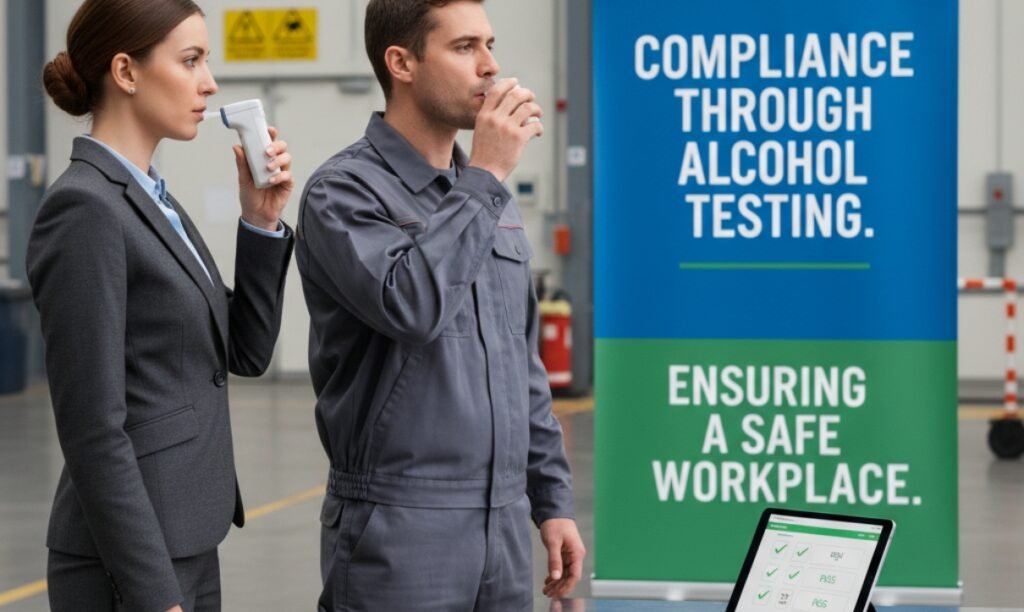
Testing reinforces the principles learned through education. Integrating employee drug and alcohol policies with awareness programs ensures consistency in culture and compliance. Testing should be framed as a safety measure rather than suspicion. Regular communication about the testing role encourages cooperation and transparency.
Training teams on collection procedures, data privacy, and result interpretation builds confidence. Education should highlight how testing supports long-term career safety, helping employees see it as a proactive partnership. This combined approach prevents misunderstandings, strengthens morale, and fosters a disciplined, compliant workforce across global industrial and maritime sectors. Read more about 5 Crucial Reasons Drug & Alcohol Testing Matters.
The Role of Technology in Policy Management
Technology enhances the effectiveness of drug and alcohol policies through automation and data integrity. Digital policy platforms, e-learning modules, and mobile compliance tools simplify access and updates. Cloud-based dashboards track training participation, policy acknowledgment, and testing cycles securely. Blockchain technology ensures foolproof record verification for audits and insurer reviews.
AI-based analytics identify trends, helping employers improve preventive measures. Implementing tech-driven systems reduces errors, increases efficiency, and provides real-time transparency. As global compliance expectations rise, digitalization becomes key to maintaining consistency and measurable progress across multi-location workforces.

Future Trends in Policy Education
Future education around drug and alcohol policies will focus on personalization and interactivity. Virtual simulations, gamified training, and behavioral analytics will replace outdated lecture methods. These innovations encourage active learning and improve retention. Data-driven insights will allow companies to identify high-risk areas early and tailor training accordingly.
In maritime and offshore industries, remote e-learning platforms will deliver compliance modules anytime, anywhere. The future isn’t just about policy memorization—it’s about empowering employees with knowledge, empathy, and accountability to create safer, more resilient workplaces worldwide. Also read about 7 Vital Reasons Alcohol Testing Saves Shipping Companies.
Conclusion
Educating employees about drug and alcohol policies is more than compliance—it’s a cornerstone of safety culture. First, awareness transforms rules into responsibility. Second, combining education with testing ensures accountability. Third, continuous training reinforced with technology builds long-term trust.
Successful organizations invest in both prevention and understanding. For effective compliance, safer operations, and environmental responsibility, explore advanced management and safety solutions at CleanShip.co—proving that knowledge-led policies drive stronger, more sustainable workplaces today and into the future.
FAQs:
Q1. Why is employee education about drug and alcohol policies important?
It builds awareness, reduces risks, and promotes accountability, helping workers understand how compliance ensures everyone’s safety on duty.
Q2. Who enforces these policies in maritime operations?
Supervisors and compliance officers enforce policies following IMO and IMCA frameworks to maintain international maritime safety standards.
Q3. How often should policy training occur?
Training should be continuous—during onboarding, quarterly refreshers, and special workshops covering updated safety protocols or regulations.
Q4. What happens if a policy violation occurs?
Violations are handled confidentially and fairly, ensuring verification, documentation, and correction through education and support programs.
Q5. How can technology support education and compliance?
Digital learning systems, analytics, and blockchain tools simplify access, ensure accurate recordkeeping, and improve overall compliance transparency.