How to Handle Positive Drug Test Results Professionally
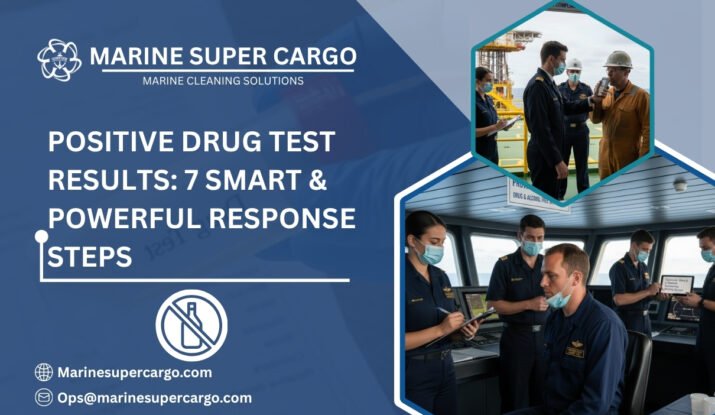
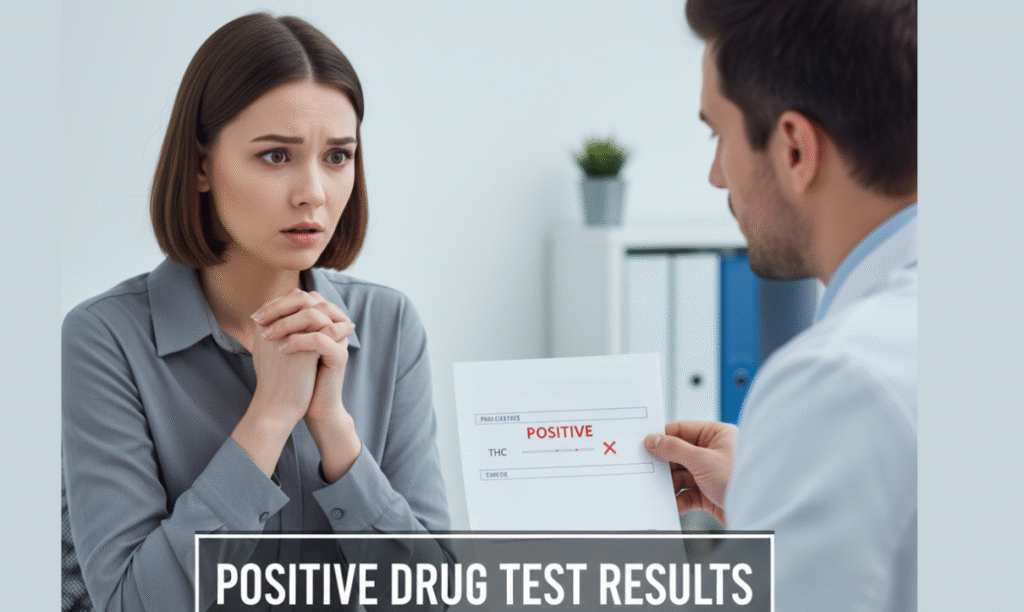
Receiving Positive Drug Test Results can be alarming for any organization or individual, especially in safety-sensitive roles like maritime, offshore, or industrial sectors. This situation requires careful handling—balancing professionalism, empathy, and regulatory compliance. Reacting hastily can compromise trust, while inaction may risk safety and legality.
In this guide, we’ll explore practical steps to manage results calmly, communicate effectively, and ensure fair resolution. Whether you’re an employer, manager, or crew member, understanding these guidelines helps protect integrity, maintain compliance, and promote a culture of accountability instead of blame. Let’s walk through how to manage such results responsibly and transparently.
Understanding Positive Drug Test Results
Before reacting, it’s essential to understand what Positive Drug Test Results truly mean. These results indicate the detection of certain substances beyond permitted limits, but do not always confirm deliberate use. Testing errors, medication interactions, or dietary factors may influence results. Official verification procedures—such as Medical Review Officer (MRO) evaluations—help determine authenticity.
In compliance with IMCA and IMO standards, results must undergo chain-of-custody procedures to ensure reliability. Employers should avoid assumptions until results are confirmed by accredited laboratories using certified methods. This clarity forms the foundation of fair and transparent management in all maritime or offshore organizations.
Role of Verification and Confirmation Testing
False positives can occur due to technical or human error. Therefore, verification is critical when Positive Drug Test Results surface. Certified laboratories follow strict analysis procedures using technologies like gas chromatography to confirm the presence of specified drug compounds. Employers are advised to send initial samples for secondary testing before initiating disciplinary measures.
Fair verification protects both employer credibility and employee rights. The use of third-party review agencies helps maintain neutrality. At sea or offshore, where operational decisions affect crew morale and safety, confirmation testing ensures outcomes are scientifically validated rather than emotionally or politically influenced.
Maintaining Confidentiality During Investigation
Confidentiality preserves dignity and trust when Positive Drug Test Results arise. Employers must restrict access to sensitive information to authorized personnel only, preventing gossip or discrimination on board. Data should be handled following the privacy guidelines established by maritime labor and safety conventions. Maintaining confidentiality reassures crew members that testing is about safety, not punishment.
Breaches of confidentiality can damage company culture and expose employers to legal action. Proper communication protocols, private investigations, and secure documentation systems ensure fairness. In volatile environments, one careless disclosure can erode years of professional respect and confidence among coworkers. Also read about Offshore Crew Testing: 7 Best Practices for Safer Seas.
Communication and Transparency in Handling Results
How you communicate Positive Drug Test Results defines organizational maturity. Employers should avoid public confrontation or emotional reactions. Instead, they must provide clear, fact-based explanations supported by documentation. Private discussions allow employees to present valid justifications—such as prescribed medications—with evidence. Constructive transparency between management and crew transforms testing from enforcement to collaboration.
Involving health and safety officers ensures procedural correctness. A well-structured debrief not only clarifies results but also minimizes internal disputes. Respectful communication demonstrates leadership integrity, reinforces safety culture, and sends a strong message: fairness and compliance co-exist onboard every vessel or offshore site.
“Marine cleaning, anytime. Anywhere. 🌊 #GlobalMarine”#shipping #maritime #ship #cruises #sealife #port #shipping #marine #captain #vessel #ships #cargo pic.twitter.com/GgKTqEMETK
— Marine Super Cargo (@Marinsupercargo) October 4, 2025
Immediate Steps for Employers and Managers
Upon receiving Positive Drug Test Results, immediate procedural actions are necessary to protect safety and compliance. Managers should temporarily reassign the individual from critical duties while maintaining respect and confidentiality. They must initiate confirmatory testing and notify relevant compliance bodies if required by IMO or national maritime authorities.
Documenting every step prevents ambiguity during audits. Employers must also assess whether the situation indicates a substance misuse pattern or a one-time issue. The ultimate goal is prevention—not punishment. Prompt, structured action reduces risk, maintains crew morale, and safeguards operational continuity across ports and offshore installations. Also, know about Crew Alcohol Testing: 7 Vital Insights for Safer Seas.
Support and Rehabilitation Options
When Positive Drug Test Results are confirmed, offering support can convert a difficult event into a growth opportunity. Employers should provide access to counseling, medical evaluation, and rehabilitation programs where feasible. The maritime sector prioritizes safety and welfare, balancing accountability with compassion. Encouraging workers to admit challenges fosters trust and transparency.
Support-driven interventions often yield long-term behavioral changes and stronger team commitment. Eliminating punitive-only approaches transforms safety management into holistic care. Helping employees recover promotes health and ensures a motivated, dependable crew ready to perform confidently under safety-critical conditions.
Marine Supercargo Expands Services: Drug & Alcohol Testing for Safer Seas
Marine Supercargo, a globally trusted provider of marine cleaning and compliance solutions, now offers Drug & Alcohol Testing services as part of its expanding safety portfolio. By integrating professional testing into its service line, Marine Supercargo enhances compliance structures for shipowners, operators, and offshore managers. This initiative addresses the need for accurate, confidential management of Positive Drug Test Results while maintaining international maritime standards.
Certified specialists conduct testing with precision and transparency. These services empower companies to ensure safer operations, reduce legal exposure, and uphold ethical workplace environments. Marine Supercargo’s proactive approach reinforces global commitment to safety and sustainable maritime practices. Read more about 7 Powerful Reasons Corporate Drug Testing Works.
Compliance with International Maritime Regulations
Managing Positive Drug Test Results extends beyond internal governance—it influences international compliance. The IMO, MARPOL, and IMCA require accurate documentation of all drug testing incidents. Records must include test dates, verification details, and corrective actions taken. Failure to comply can lead to inspection delays, suspension, or reputation loss.
Port authorities and insurers often review these documents during audits. A transparent handling process protects both organizational integrity and legal standing. Compliance ensures fleet operations remain uninterrupted across regions while showcasing a commitment to responsible manning practices recognized by global maritime authorities.
Technology’s Role in Test Verification and Tracking
Emerging technology simplifies how organizations manage Positive Drug Test Results. Digital chain-of-custody platforms ensure tamper-proof documentation, while blockchain systems verify result authenticity. AI-powered analysis minimizes error and bias in sample testing. Mobile testing units expedite results for offshore or remote locations.
These innovations accelerate decision-making without compromising accuracy. Technology bridges the gap between laboratory precision and real-time compliance management. As global regulators demand better transparency, adopting digital verification tools helps organizations maintain consistency, reduce delays, and manage sensitive testing cases with speed, security, and scientific reliability onboard or onshore. Read more about 5 Crucial Reasons Drug & Alcohol Testing Matters.
Preventing Future Positive Test Incidents
Preventing future Positive Drug Test Results requires education, not fear. Organizations should integrate periodic training sessions explaining the effects of substance misuse on personal safety, team reliability, and environmental protection. Creating awareness through onboard seminars or digital learning reinforces behavioral accountability.
Anonymous helplines and peer-support programs also encourage self-reporting and early intervention. Establishing a zero-tolerance yet empathy-based framework sets clear expectations while offering a safety net for correction. Prevention is not about policing—it’s about empowering. Strong preventive culture ensures fewer violations, tighter compliance, and a motivated workforce dedicated to collective safety.
Building a Culture of Accountability and Safety
Accountability turns regulatory compliance into an enduring culture. Managing Positive Drug Test Results responsibly signals that rules exist to protect, not punish. When managers embody this perspective, crews follow willingly. Accountability also reinforces professionalism during audits and inspections, strengthening operational credibility.
Encouraging open discussions about testing, rehabilitation, and consequences fosters mature understanding among teams. As each member recognizes their role in shared safety, workplace discipline naturally flourishes. A culture rooted in accountability transforms testing programs into collaborative safety systems where integrity and teamwork prevail over risks and isolation. Also read about 7 Vital Reasons Alcohol Testing Saves Shipping Companies.
Conclusion
Positive Drug Test Results can be daunting, but they don’t need to become disasters. First, confirm and verify results scientifically to avoid misjudgment. Second, communicate with respect and confidentiality to preserve trust. Third, turn incidents into opportunities for prevention and rehabilitation. Effective management strengthens compliance, protects crew morale, and upholds maritime safety culture.
Reinforce your fleet’s reliability by integrating structured testing and transparency—visit CleanShip.co to learn how professional safety programs build cleaner, compliant, and responsible operations across international waters.
FAQs:
Q1. What should employers do after a positive drug test?
They should verify results, temporarily reassign duties, and initiate confirmatory testing before making disciplinary or rehabilitative decisions.
Q2. Can prescription medications cause false positives?
Yes, some medications can trigger false results. Employers should always confirm findings and allow medical review before taking any action.
Q3. How should confidentiality be maintained after a test?
Restrict disclosure to authorized personnel and use secure data systems to protect the individual’s privacy and organizational integrity.
Q4. What are the IMO’s guidelines on drug testing?
IMO mandates transparent testing under safety conventions, ensuring fair verification, proper documentation, and compliance across maritime operations.
Q5. Can technology help in managing positive test results?
Digital verification systems, blockchain records, and AI-driven analysis ensure accurate, secure, and swift handling of drug testing procedures globally.