Pre-Employment Screening for Safety-Sensitive Jobs
Hiring in safety-critical industries is not just about skills—it’s about trust. Pre-Employment Screening acts as your first line of defense against potential risks that can endanger lives, assets, and operations. In the maritime and offshore world, one wrong hire can cause costly accidents or environmental damage.
This comprehensive guide explores how screening identifies reliable talent, reinforces compliance with global safety standards, and builds trust within your organization. From drug testing to background verification, every step ensures that only qualified, competent, and responsible individuals join your safety-sensitive workforce. Let’s explore how this process strengthens workplace integrity and performance.
Why Pre-Employment Screening Is Essential
Safety-sensitive roles demand the highest standards of physical health, mental clarity, and awareness. Pre-employment screening ensures new hires meet these requirements through systematic evaluation processes. In sectors regulated by the IMO or IMCA, screening is not optional—it’s a mandate for safe crew management.
Common evaluation areas include drug and alcohol testing, medical assessments, and background verification. Screening reduces the chance of hiring impaired or fraudulent candidates who could compromise vessel safety. Whether onboard a ship or managing offshore platforms, systematic pre-screening protects lives, prevents accidents, and guarantees compliance with laws and ethical hiring practices.
Components of an Effective Screening Program
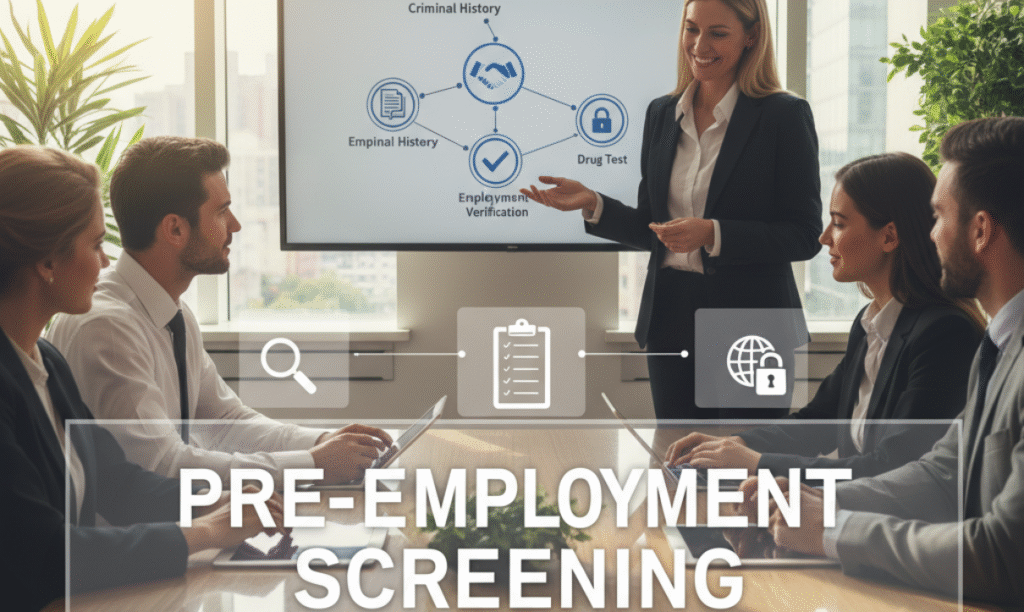
A robust Pre-Employment Screening program combines scientific testing, document verification, and behavioral evaluation. It typically includes:
- Substance testing to detect drugs and alcohol
- Employment and criminal history checks
- Medical fitness assessments
- Certification and qualification validation
Each step identifies risks before employment begins. Employers must ensure adherence to data privacy and fairness regulations. Maritime operators, for instance, document screening under their Safety Management Systems (SMS) in compliance with the MARPOL Convention. Integrating these steps into the hiring process ensures transparency, competence, and consistency across global operations—a hallmark of professional and responsible management.
Screening and Its Role in Compliance
Pre-employment screening ensures legal conformity and protects against penalties during audits or port inspections. Offshore operators must follow international regulations like the IMO STCW Code, which mandates verification of physical and psychological competence. Ship operators also rely on IMCA frameworks to maintain crew integrity.
Thorough documentation and accurate records serve as proof of compliance during inspections. By systematically including screening within hiring procedures, companies demonstrate a professional commitment to safety and due diligence. Compliance doesn’t just meet external expectations—it builds internal discipline, trust, and a resilient operational structure grounded in accountability. Also read about Offshore Crew Testing: 7 Best Practices for Safer Seas.
Drug and Alcohol Testing in Pre-Employment
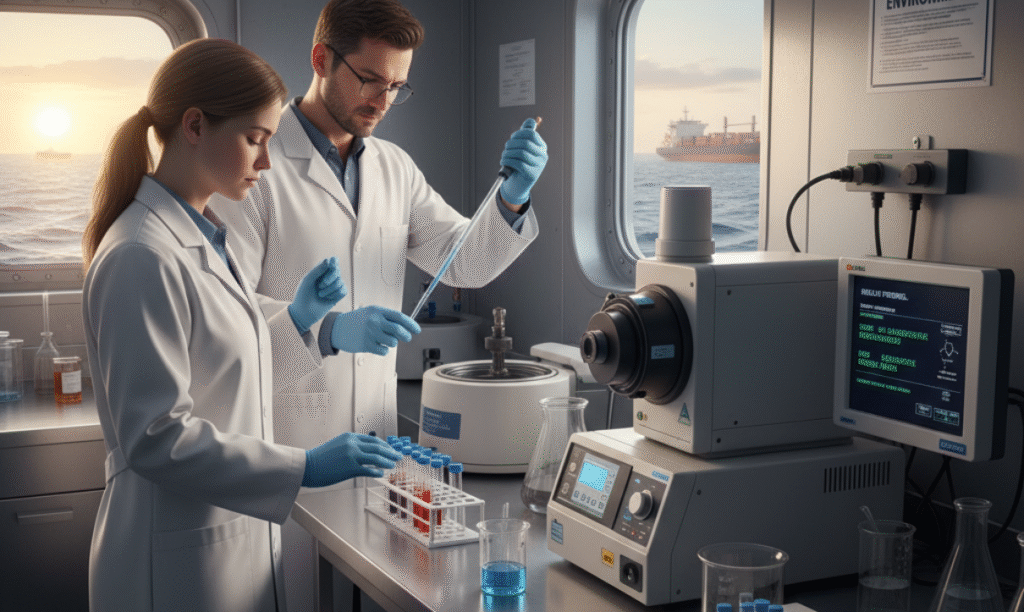
One key aspect of Pre-Employment Screening is drug and alcohol testing. This step ensures candidates are free from substances that impair performance. Tests may include breath, urine, or hair analysis, all verified through internationally recognized labs. Alcohol and drug misuse a major contributors to maritime accidents and industrial injuries.
Screening helps organizations avoid these risks before onboarding. In high-risk environments, safety depends on every individual’s clarity and alertness. Implementing substance testing as part of pre-hire evaluation reduces liability, ensures operational stability, and underscores management’s commitment to crew health and responsible employment practices.
Psychological and Behavioral Assessments
Successful operations depend on mentally strong teams. Pre-Employment Screening also evaluates emotional stability, stress tolerance, and teamwork capacity. Psychological assessments identify candidates who can handle isolation, long shifts, and emergency pressure often faced offshore. Behavioral evaluation ensures alignment with organizational culture and safety protocols. These insights help predict job performance and reduce turnover rates.
Candidates with strong behavioral resilience perform confidently and contribute positively to their teams. By integrating these assessments, organizations move beyond basic compliance and cultivate safer, more adaptable workforces ready to face unpredictable maritime or industrial challenges effectively. Also, know about Crew Alcohol Testing: 7 Vital Insights for Safer Seas.
Marine Supercargo Expands Services: Drug & Alcohol Testing for Safer Seas
Marine Supercargo, globally recognized for marine cleaning and compliance services, has expanded into drug & alcohol testing to support sustainable maritime safety. This addition enhances the effectiveness of Pre-Employment Screening by offering specialized testing solutions for shipowners, operators, and managers.
Utilizing certified professionals and advanced laboratories, the program ensures accurate, confidential results aligned with international regulations. By integrating these new services, Marine Supercargo helps companies maintain crew readiness, compliance, and operational efficiency. The initiative reflects the company’s continuous pursuit of innovation—enhancing reliability, safety, and discipline across the global maritime ecosystem.
Benefits of Implementing Screening Programs
Implementing systematic Pre-Employment Screening saves organizations from future disruptions, legal issues, and reputational damage. Screening also improves hiring accuracy, ensuring only qualified candidates are selected. Businesses benefit through:
- Reduced training and replacement costs
- Improved crew retention rates
- Stronger compliance record during inspections
- Fewer accidents and claims
When thoroughly executed, screening becomes an investment rather than an expense—driving safer, more productive operations. It builds confidence in your workforce and makes stakeholders view your organization as a reliable and responsible industry leader. Read more about 7 Powerful Reasons Corporate Drug Testing Works.
Common Challenges and How to Overcome Them
Even with established procedures, Pre-Employment Screening faces obstacles—time constraints, cross-border verification delays, and privacy law complexities. The key to overcoming these challenges lies in automation and collaboration with certified global agencies. Transparency ensures fairness and legal compliance when handling sensitive information.
Employers should maintain clear consent from candidates, secure data handling, and open communication. By addressing concerns proactively, management prevents misunderstandings and legal complications. When done ethically and efficiently, screening minimizes resistance and builds positive awareness among employees, transforming it into a mutually beneficial step before employment begins.
“Marine cleaning, anytime. Anywhere. 🌊 #GlobalMarine”#shipping #maritime #ship #cruises #sealife #port #shipping #marine #captain #vessel #ships #cargo pic.twitter.com/GgKTqEMETK
— Marine Super Cargo (@Marinsupercargo) October 4, 2025
Technological Innovations in Screening
Technology has revolutionized Pre-Employment Screening with tools that make verification faster and more reliable. AI-driven identity checks, biometric systems, and blockchain digital credentialing ensure authenticity and prevent forgery. Automated systems instantly verify qualifications, improving HR workflows and reducing manual tasks.
Predictive analytics now helps forecast job performance based on verified data. These innovations enhance maritime and industrial screening by combining accuracy with scalability. As digital transformation continues, technology ensures seamless compliance, data integrity, and recruitment efficiency—empowering companies to hire smarter, safer, and faster in an increasingly regulated world. Read more about 5 Crucial Reasons Drug & Alcohol Testing Matters.
Future of Screening in Maritime and Offshore Sectors
As safety standards evolve, Pre-Employment Screening will grow more data-driven and globally standardized. Future trends include remote digital testing, continuous behavior assessment, and real-time compliance monitoring. Maritime regulators such as IMO and IMCA are expected to strengthen pre-hire verification as automation increases at sea.
Screening will move beyond onboarding to cover ongoing crew evaluations, ensuring constant fitness for duty. The ultimate goal is creating a harmonized safety culture worldwide, where technology, transparency, and accountability merge to eliminate risks before they impact operations or the marine environment. Also read about 7 Vital Reasons Alcohol Testing Saves Shipping Companies.
Conclusion
Pre-Employment Screening forms the backbone of safe, compliant, and trustworthy operations. First, it prevents unfit hires from joining safety-sensitive environments. Second, it strengthens compliance with international maritime and industrial laws. Third, it builds cultures of reliability through proactive prevention.
A well-designed screening program saves costs, protects lives, and ensures reputation integrity at every level. For comprehensive safety and environmental compliance, explore solutions from CleanShip.co—experience how advanced screening and sustainability practices keep your operations clean, compliant, and confidently future-ready.
FAQs:
Q1. Why is Pre-Employment Screening crucial for maritime jobs?
It ensures only physically and mentally fit candidates join, reducing the risk of accidents or regulatory violations during demanding offshore operations.
Q2. What does the screening process include?
It includes background checks, medical tests, and substance screenings to confirm job suitability, competence, and alignment with maritime standards.
Q3. How does screening affect safety-sensitive businesses?
Thorough screening prevents hiring unsafe candidates, ensuring discipline, focus, and compliance with international safety and environmental mandates.
Q4. How can technology improve screening accuracy?
AI and blockchain verification prevent falsification, while predictive analytics enhances reliability by identifying performance risks early.
Q5. What global standards govern pre-employment testing?
Organizations like IMO, IMCA, and MARPOL enforce guidelines ensuring testing integrity, transparency, and ecological responsibility for seafarers worldwide.