OSHA Compliance: Drug & Alcohol Testing in the Workplace
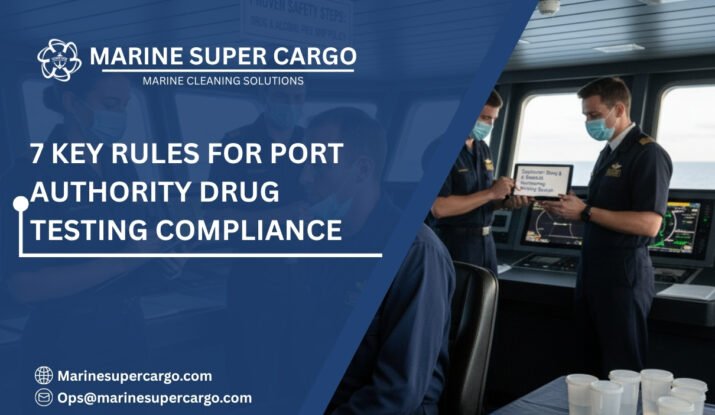
Running a safe, productive workplace depends on the people within it—and their ability to perform consistently and responsibly. In industries tied to logistics, ports, or maritime operations, even a momentary lapse in focus can result in financial loss or injury. Port Authority Drug Testing Compliance ensures that workplace safety and legal expectations are met at every level.
Compliance under OSHA guidelines is not optional; it defines how businesses safeguard both workers and stakeholders. By maintaining structured testing programs, companies build trust, reduce risk, and prove that every operation prioritizes both health and responsibility over convenience.
Understanding OSHA Regulations for Testing
The Occupational Safety and Health Administration (OSHA) establishes workplace safety rules that directly influence drug and alcohol testing programs. OSHA emphasizes the prevention of hazards caused by impaired workers, ensuring that every employee operates with clarity and precision. For maritime environments, these regulations intersect with Port Authority Drug Testing Compliance systems, requiring employers to maintain transparent testing procedures.
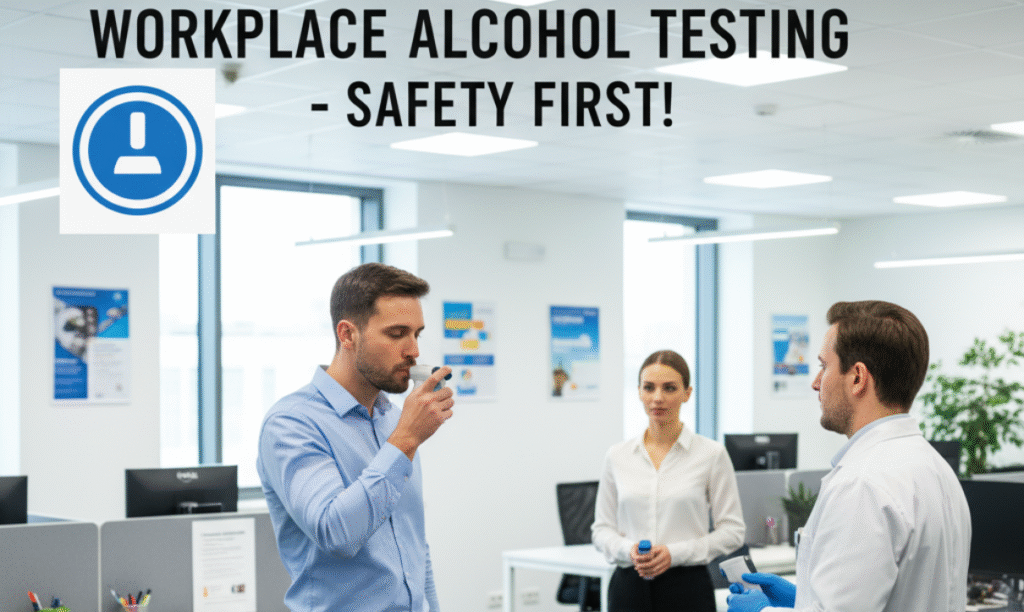
Testing can occur during pre-employment, post-incident, or random intervals. OSHA does not penalize testing—it mandates its fairness, relevance, and privacy. The goal is to prevent accidents, not punish workers. Compliance ensures your team operates with both confidence and consistent protection.
The Role of Port Authorities in Compliance
Port authorities oversee operations involving cargo handling, vessel traffic, and crew coordination. These roles demand unwavering alertness. Port Authority Drug Testing Compliance ensures that no staff member compromises port safety through substance use. Authorities maintain detailed policies dictating frequency, methods, and responsible handling of tests.
Such frameworks protect dock employees, ship inspectors, and logistics staff. Beyond individual ports, international bodies like IMO and IAPH encourage harmonizing these testing standards globally. When applied consistently, testing reinforces the entire logistical chain—from onshore workers to maritime professionals, ensuring smooth, sober, and safe daily port activities.

OSHA’s Emphasis on Safety and Fairness
OSHA’s regulations stress that testing should support prevention and protection. Port Authority Drug Testing Compliance aligns with OSHA’s philosophy by balancing employer oversight with worker rights. Each test should be justified by potential risk factors, such as operating heavy machinery or managing fuel transfer. Proper documentation ensures transparency during audit reviews.
OSHA discourages testing that may appear retaliatory after an incident unless safety concerns justify it. This balance creates a culture where safety is a shared goal, not an enforcement tactic. Fairness in application encourages employee cooperation and strengthens long-term workplace safety credibility.
Implementing Effective Testing Programs
Implementing Port Authority Drug Testing Compliance successfully requires structure and consistency. Start by outlining purposes, defining eligibility, and choosing certified testing methods. Employers should educate their staff on how, when, and why testing occurs. Programs often integrate periodic random testing to maintain accountability.
Results handling must remain confidential to uphold workforce trust. For marine environments, compliance extends to vessel crews working in port jurisdictions. A well-documented program not only satisfies OSHA’s requirements but also assures partners and clients that every process under your control meets international safety expectations with diligence and precision.
“Marine cleaning, anytime. Anywhere. 🌊 #GlobalMarine”#shipping #maritime #ship #cruises #sealife #port #shipping #marine #captain #vessel #ships #cargo pic.twitter.com/GgKTqEMETK
— Marine Super Cargo (@Marinsupercargo) October 4, 2025
Managing Non-Compliance Consequences
Ignoring or mishandling testing policies leads to significant legal and operational risks. Without Port Authority Drug Testing Compliance, companies expose themselves to OSHA citations, liability claims, and reputational damage. If an incident involves substance impairment, both the worker and employer may face investigation. Financial penalties can escalate quickly, especially when linked to injuries or environmental spills.
Beyond fines, ports risk disrupted schedules and loss of trust among cargo owners or insurers. Compliance, therefore, is not just paperwork—it’s protection. Effective monitoring prevents managers from dealing with crises that could have been avoided through proactive vigilance.
Marine Supercargo Expands Services: Drug & Alcohol Testing for Safer Seas
Marine Supercargo, globally recognized for its expertise in marine cleaning and compliance, now offers professional Drug & Alcohol Testing solutions for port and vessel operations. This initiative supports Port Authority Drug Testing Compliance by providing ship owners, operators, and managers with seamless testing frameworks.
These services align with international regulations under IMO and MARPOL guidelines, ensuring crew and dockside personnel operate safely. With portable equipment and certified testing validation, Marine Supercargo enhances readiness and control across maritime networks. By integrating testing with marine cleaning solutions, the company promotes a cleaner, safer, and more disciplined global shipping industry.
Connecting OSHA and Maritime Compliance
Although OSHA primarily governs U.S. operations, similar frameworks support Port Authority Drug Testing Compliance across international maritime sectors. The intent remains universal: safe workers, efficient systems, and secure supply chains. OSHA’s standards complement IMO’s safety codes, forming a cohesive compliance network for marine logistics companies.
By aligning both, the organizations cover land and sea-based operations without regulatory gaps. When compliance bridges these domains, operational efficiency improves, inspections pass smoothly, and employees understand that safety remains the foundation of every sustainable business. Together, these systems create one unified standard of global accountability.
Financial Advantages of Compliance
Strict adherence to Port Authority Drug Testing Compliance offers measurable financial benefits. OSHA-approved programs reduce workplace incidents, saving organizations millions annually in claims and downtime. Reduced insurance premiums, fewer disruptions, and stronger partner relationships make compliance a cost-effective investment.
Ports demonstrating proven safety records also attract high-value clients prioritizing reliability. Rather than viewing compliance as an expense, successful operators treat it as risk-proofing their business model. Financial resilience comes not from shortcuts but from consistency—proving, test after test, that operational excellence begins with clean, compliant, and responsible work habits.
Training and Awareness Programs
Compliance is successful only when paired with awareness. Regular training sessions keep crew and dockworkers informed about Port Authority Drug Testing Compliance and OSHA requirements. Training reduces fear, dispels misconceptions, and promotes participation. Simple sessions explaining the testing process, confidentiality, and benefits create trust. Supervisors trained to identify behavioral cues or hazards strengthen early intervention capabilities.
Combined with transparent communication, awareness builds cooperation. Over time, this creates a positive feedback loop—employees feel valued, managers prevent risks efficiently, and compliance becomes an everyday habit, integrated seamlessly into organizational culture and standard operating procedures.
Technological Innovations Driving Better Testing
As technology advances, Port Authority Drug Testing Compliance becomes more efficient. Digital data storage, remote monitoring, and instant-result testing devices make programs faster and more reliable. Portable field analyzers now provide accurate tests within minutes, improving response during incidents. AI and cloud software ensure secure result management, preventing fraud or data loss.
Future tools powered by blockchain may soon track and verify every compliance step globally. Such innovations align with CleanShip.co’s goals of merging sustainability, responsibility, and efficiency. Adopting these technologies means fewer delays, higher accuracy, and smoother coordination during inspections or audits.
Conclusion
Port Authority drug testing compliance under OSHA guidelines is the backbone of a safer, more reliable workplace. By aligning testing programs with fairness, transparency, and technology, companies create sustainable operations that protect lives and assets. The three key takeaways: OSHA ensures fairness, compliance minimizes risk, and clean operations secure reputation.
To strengthen marine and port compliance standards, visit CleanShip.co—your trusted partner in building ethical, safe, and environmentally responsible operations for the global maritime industry.
FAQs:
Q1. What is Port Authority Drug Testing Compliance?
It’s a regulatory framework that ensures port and maritime workers undergo regular, verified testing to meet OSHA and international safety standards.
Q2. How does OSHA regulate workplace drug testing?
OSHA focuses on fairness and safety, ensuring that testing prevents risks without infringing on employee privacy or creating unethical practices.
Q3. Why is compliance critical in port operations?
Compliance protects staff, cargo, and port integrity. Lack of testing leads to fines, operational delays, and increased accident risks.
Q4. What are the financial benefits of compliance?
Proper testing reduces insurance premiums, avoids penalties, and strengthens partnerships, ensuring more reliable port and maritime operations.
Q5. How can CleanShip.co assist in compliance?
CleanShip.co supports global marine operators with integrated safety testing and environmental compliance services to ensure consistent OSHA alignment.