Critical Crude Oil Tank Cleaning Requirements for Suez Transit
Crude oil tank cleaning before Suez Canal passage represents a mandatory maritime operation ensuring vessel compliance with international environmental standards. Oil tankers traversing this vital waterway must demonstrate proper tank conditions, preventing pollution risks throughout the transit corridor. Marine Super Cargo provides comprehensive crude oil tank cleaning services specifically designed for vessels preparing for canal passage.
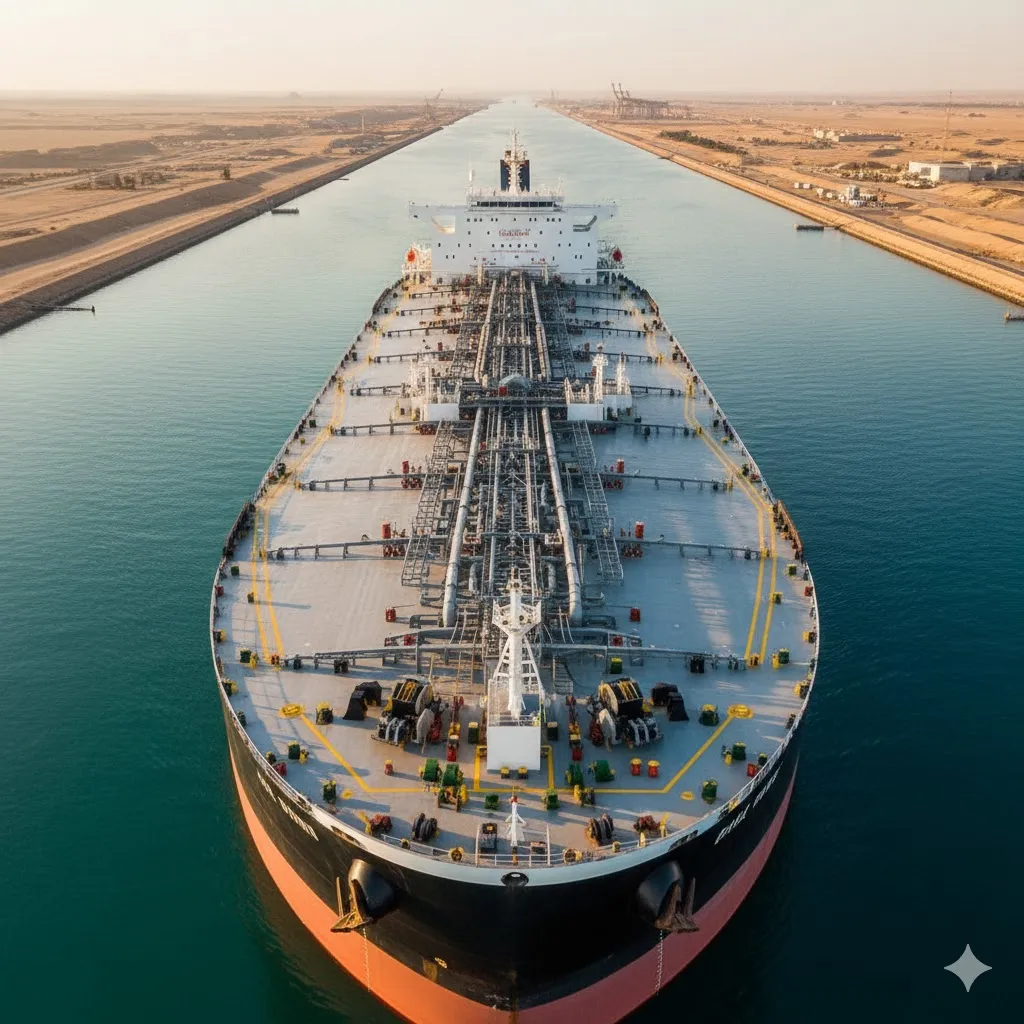
The strategic importance of crude oil tank cleaning intensifies when vessels approach Suez Canal entry points. Port state control authorities conduct rigorous inspections verifying tank conditions meet MARPOL Annex I requirements. Inadequate crude oil tank cleaning results in transit denial, vessel detention, and substantial financial penalties. Professional cleaning services eliminate these risks, ensuring smooth passage through one of maritime trade’s most critical chokepoints.
Crude oil tank cleaning operations address multiple compliance considerations. Empty tanks require gas-freeing procedures reducing hydrocarbon vapor concentrations to safe levels. Loaded vessels maintain proper ballast separation preventing oil-contaminated water discharge. Marine Super Cargo understands these nuanced requirements, delivering solutions that satisfy both International Maritime Organization standards and Suez Canal Authority regulations.
Environmental Protection Standards in Crude Oil Tank Cleaning
Crude oil tank cleaning operations strictly follow environmental protection protocols mandated by MARPOL conventions. The Suez Canal represents a Special Area under MARPOL regulations, imposing enhanced discharge restrictions throughout the waterway. Vessels must demonstrate zero oil discharge capability during transit, making proper essential before canal entry.
Oil residue management during crude oil tank cleaning requires sophisticated separation systems. Oily water separators process tank washing residues, reducing oil content below 15 parts per million before discharge—the maximum permitted under IMO regulations. Marine Super Cargo operates advanced treatment facilities ensuring waste meets stringent environmental standards applicable to sensitive marine areas.
Documentation requirements for crude oil tank cleaning before Suez passage include Oil Record Book entries detailing all cleaning operations, waste retention, and discharge activities. Port state control inspectors scrutinize these records during pre-transit inspections. As referenced in our oil tanker cleaning procedures article, meticulous record-keeping prevents regulatory complications that delay canal transit.
Safety Protocols During Crude Oil Tank Cleaning Operations
Crude oil tank cleaning involves significant hazards requiring comprehensive safety measures. Hydrocarbon vapors present explosion risks necessitating continuous atmosphere monitoring. Inert gas systems maintain tank oxygen levels below combustion thresholds during cleaning operations. Professional services employ certified gas detection equipment, ensuring safe working conditions throughout the process.
Personnel safety during crude oil tank cleaning depends on proper equipment and training. Breathing apparatus protects workers from toxic vapor exposure when entering tanks for inspection purposes. Explosion-proof lighting and tools prevent ignition sources within hazardous atmospheres. Marine Super Cargo maintains rigorous safety standards, protecting personnel while delivering effective results.
Emergency response preparedness forms an integral component of operations. Fire suppression systems remain operational throughout cleaning procedures. Medical support and evacuation protocols address potential exposure incidents. These safety measures ensure proceeds without endangering personnel or vessel integrity.
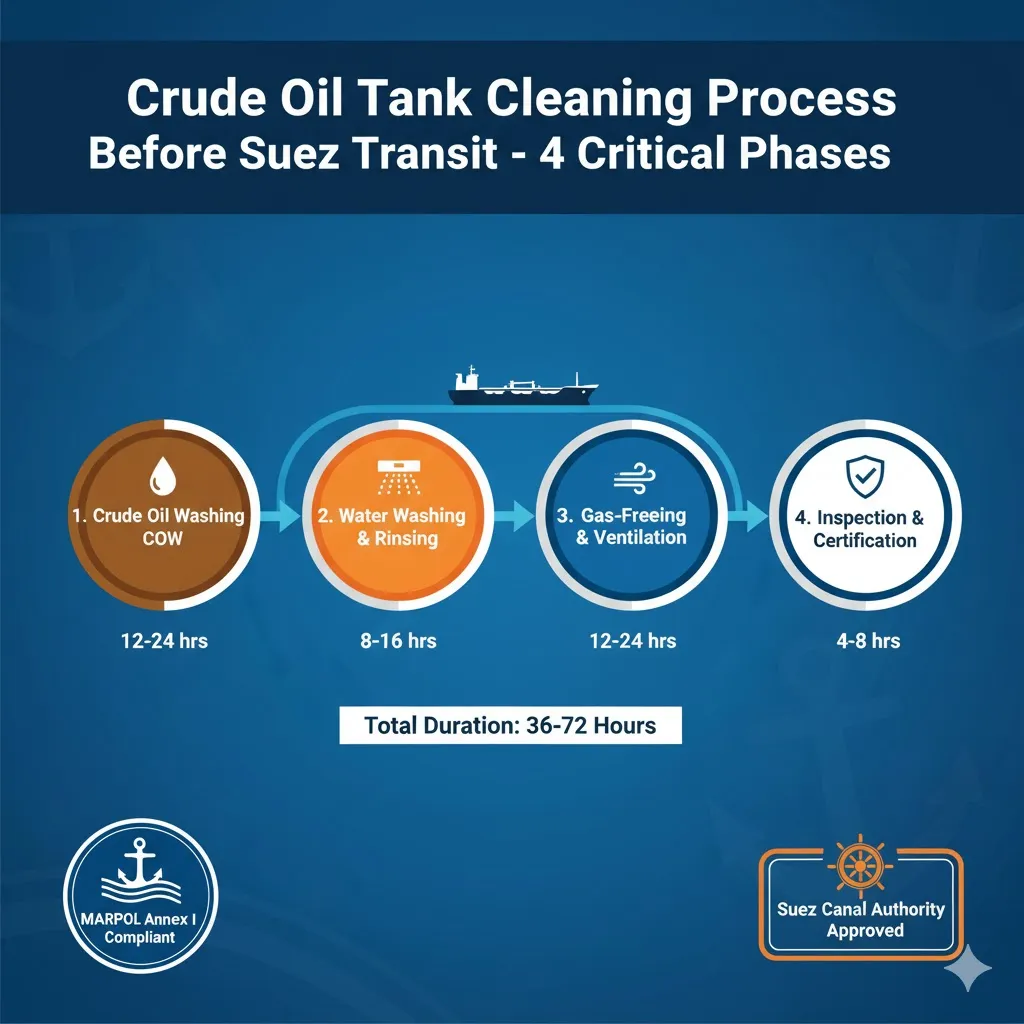
Technical Procedures for Pre-Transit Tank Preparation
Effective crude oil tank cleaning begins with crude oil washing procedures utilizing cargo itself as a cleaning medium. High-pressure COW systems spray heated crude oil throughout tank interiors, dissolving residues and facilitating removal through cargo pumping systems. This method proves particularly effective for crude oil tank cleaning, reducing residue quantities requiring subsequent water washing.
Following crude oil washing, ]continues with water rinsing operations. Hot seawater circulates through fixed or portable washing machines, removing remaining oil films from tank surfaces. Multiple wash cycles ensure thorough cleaning from forward bulkheads to aft sections. Temperature maintenance throughout washing enhances cleaning effectiveness, preventing oil re-deposition on cooling surfaces.
Gas-freeing represents the final phase of before Suez transit. Forced ventilation systems introduce fresh air, displacing hydrocarbon vapors until explosive gas concentrations fall below safe limits. Continuous monitoring verifies atmosphere quality meets safe entry standards. Only after successful gas-freeing do inspectors certify tanks ready for canal passage.
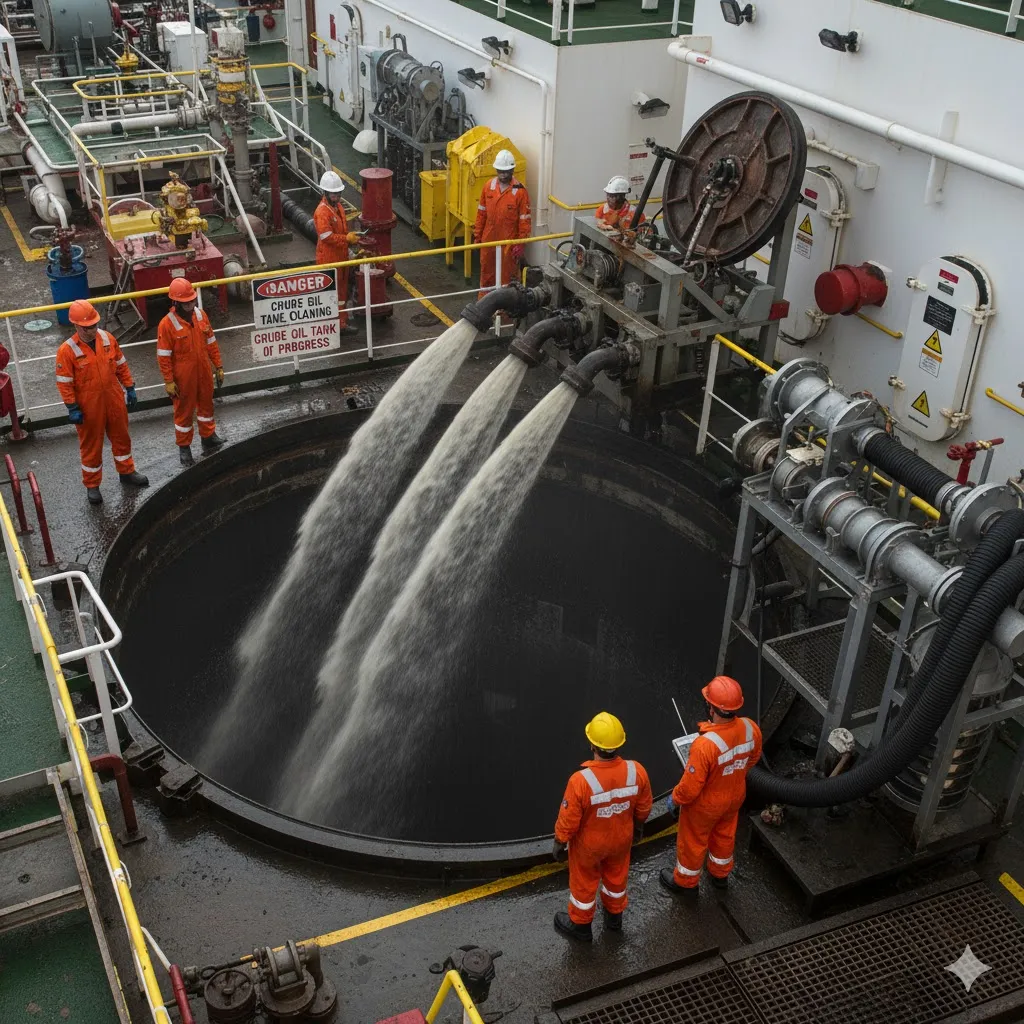
Regulatory Compliance and Inspection Requirements
Pre-transit crude oil tank cleaning documentation must satisfy multiple authorities. The Suez Canal Authority requires proof of MARPOL compliance before granting passage permits. Tank cleanliness certificates verify proper preparation according to international standards. Marine Super Cargo provides comprehensive documentation packages satisfying all regulatory requirements for smooth canal transit.
Port state control inspections verify] \ effectiveness before vessels enter the canal. Inspectors examine Oil Record Books, test tank atmospheres, and physically inspect tank conditions. Discrepancies result in transit delays while vessels achieve compliance. Professional cleaning services eliminate these complications, ensuring vessels pass inspection without incident.
FAQs About Crude Oil Tank Cleaning
Q1: Why is crude oil tank cleaning mandatory before Suez Canal transit?
MARPOL Special Area regulations prohibit oil discharge in the Suez Canal, requiring vessels to demonstrate proper tank conditions preventing environmental contamination during passage.
Q2: How long does crude oil tank cleaning take before Suez transit?
Complete tank preparation typically requires 36-72 hours depending on tank quantity, crude type, and vessel operational requirements.
Q3: What happens if tanks fail pre-transit inspection?
Vessels failing inspection face transit denial, detention for corrective cleaning, and potential fines, causing significant schedule disruptions and financial losses.
Q4: Does crude oil tank cleaning apply to loaded tankers?
Yes, loaded vessels must ensure ballast tanks contain only clean seawater and maintain proper separation preventing oil-contaminated discharge during transit.
Q5: What documentation does Marine Super Cargo provide for Suez transit?
Complete tank cleanliness certificates, Oil Record Book entries, gas-free certificates, and MARPOL Annex I compliance documentation satisfying canal authority requirements.